




When to Replace Subflooring Affected by Water Damage?
Summary: Water damage can have a significant impact on the subflooring of a property, leading to issues like moldMold is a type of fungus that grows in damp or humid conditi... More growth and weakened structureStructure refers to the framework or components of a buildin... More. In this blog, we discuss signs of water damage in subflooring, when to consider replacing it, and common causes of subfloorThe subfloor is the foundational layer beneath flooring mate... More moisture. If the subfloorThe subfloor is the foundational layer beneath flooring mate... More has extensive damage, moldMold is a type of fungus that grows in damp or humid conditi... More growth, or shows signs of deterioration, it may be necessary to replace it for the stability and safety of your home.
You may have noticed a soft spot under your carpet or heard louder squeaks from your floorboards. This raises the question: “Do I need to replace my subfloorThe subfloor is the foundational layer beneath flooring mate... More?”
Water damage is a common problem that homeowners face, and one of its most significant impacts can be on the subflooring of a property. The subfloorThe subfloor is the foundational layer beneath flooring mate... More provides essential structural support and stability for the flooring above. When water damage affects the subfloorThe subfloor is the foundational layer beneath flooring mate... More, it can result in various issues such as moldMold is a type of fungus that grows in damp or humid conditi... More growth, weakened structureStructure refers to the framework or components of a buildin... More, and compromised indoor air qualityIndoor air quality (IAQ) refers to the condition of the air ... More. It’s important to understand when it’s necessary to replace your water damaged subfloorThe subfloor is the foundational layer beneath flooring mate... More to protect your home’s structureStructure refers to the framework or components of a buildin... More and stability.
In this blog, we’ll cover how to spot signs of water damage in subflooring, when it’s time to consider replacing it and provide some valuable tips on how to go about the replacement process.
8 Common Signs of Water Damaged Subfloor
Below are typical indicators of subflooring that has been damaged by water:
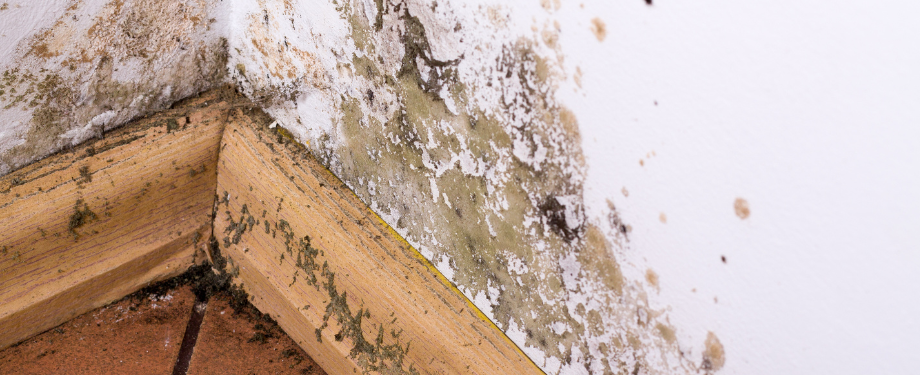
- Discoloration: Look out for any dark spots or stains on your flooring, as these can indicate water damage underneath.
- Musty OdorAn odor is a smell, often detectable by the human nose, whic... More: If you notice a musty smell, it could be a sign of moldMold is a type of fungus that grows in damp or humid conditi... More or mildewMildew is a type of fungus that grows on damp surfaces, typi... More growth due to excess moisture.
- Cupping: Keep an eye on any areas where the flooring material seems to be curling or lifting at the edges, as this could mean water has seeped into the subfloorThe subfloor is the foundational layer beneath flooring mate... More.
- WarpingWarping is the bending, twisting, or distortion of materials... More: Warped or buckled flooring is another indication of water damage underneath, causing the material to distort and become uneven.
- Uneven Floors: If your floor feels uneven or sagging in certain spots, it could be due to water weakening the subfloorThe subfloor is the foundational layer beneath flooring mate... More structureStructure refers to the framework or components of a buildin... More.
- Loose Sections in Tile Floors: Tiles becoming loose or popping out could mean water has compromised the adhesive holding them in place.
- Bubbling or Peeling in Linoleum: Keep an eye out for any bubbling or peeling of linoleum flooringLinoleum flooring is a durable, water-resistant flooring mat... More, as this often happens when moisture gets trapped underneath.
- Lifting in Laminate FlooringLaminate flooring is a type of flooring made of multiple lay... More: Laminate flooringLaminate flooring is a type of flooring made of multiple lay... More may lift or separate at the seams if water has penetrated the subfloorThe subfloor is the foundational layer beneath flooring mate... More, causing the material to swell.
Let’s also explore the potential reasons behind water damage to your subfloorThe subfloor is the foundational layer beneath flooring mate... More.
Common Causes of a Wet Subfloor
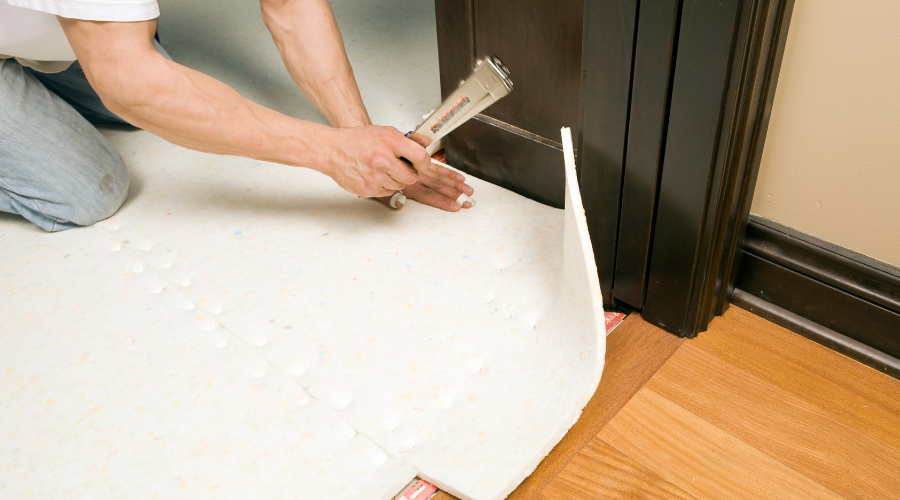
A wet subfloorThe subfloor is the foundational layer beneath flooring mate... More can be caused due to the following reasons such as:
- HumidityHumidity is the amount of moisture or water vapor present in... More: During warm weather, the moisture-laden warm air from outside can condense on the cool surface of a floor, particularly on concrete, leading to potential water damage.
- Dampness: Moisture from the ground can also contribute to subfloorThe subfloor is the foundational layer beneath flooring mate... More moisture issues, causing damp conditions that may leadLead is a heavy metal that can be toxic to humans, especiall... More to water damage.
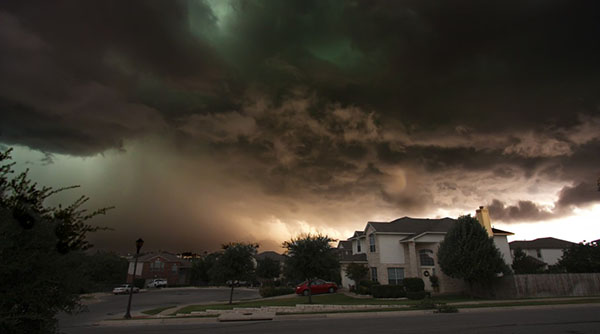
- Storm FloodingFlooding is the overflow or accumulation of water in areas t... More: Heavy rainfall or storms can leadLead is a heavy metal that can be toxic to humans, especiall... More to water entering your home, saturating the subfloorThe subfloor is the foundational layer beneath flooring mate... More, and causing damage. This can happen through leaks in windows, doors, or even through the foundation if it’s not adequately waterproofed.
- Appliance Leaks: Poorly maintained appliances like dishwashers or washing machines can develop leaks, allowing water to seep onto the floor and eventually reach the subfloorThe subfloor is the foundational layer beneath flooring mate... More.
- Burst Pipes: Sudden and unexpected bursts in plumbing pipes, whether due to freezing temperatures, corrosion, or other factors, can release large amounts of water into your home.
- Plumbing Leaks: Ongoing leaks in your plumbing system, such as from a leaking pipe joint, worn-out seals, or damaged fixtures, can gradually introduce moisture into the subflooring. Even minor leaks can accumulate over time, leading to extensive water damage and potentially moldMold is a type of fungus that grows in damp or humid conditi... More growth if left untreated.
When Should I replace my subfloor after getting affected by water damage?
In many situations, damaged subflooring can be repaired rather than replaced. However, it’s wise to think about replacing your subfloorThe subfloor is the foundational layer beneath flooring mate... More if:
- The subfloorThe subfloor is the foundational layer beneath flooring mate... More has extensive structural damage, such as significant rotting, warpingWarping is the bending, twisting, or distortion of materials... More, or weakening, it may no longer be able to adequately support the flooring above it.
- Mold or mildew has gotten into the subfloorThe subfloor is the foundational layer beneath flooring mate... More due to moisture over time, it can make the air inside unhealthy and cause health problems for people in the building.
- The subfloorThe subfloor is the foundational layer beneath flooring mate... More is old and showing signs of extensive damage or deterioration, such as sagging, creaking, or soft spots, it may be more cost-effective and practical to replace it rather than attempting repairs.
- You find that the floorboards shift when you walk on them
- The subfloorThe subfloor is the foundational layer beneath flooring mate... More appears swollen or raised, as it indicates a problem.
How to Repair a Water Damaged Subfloor?
Here’s a step-by-step process on how you can repairRepair is the act of fixing or restoring damaged property, m... More your water damaged sub floor:
- Stop the Leak: First things first, you’ve got to put a stop to the source of the water. Whether it’s a leaking pipe, a roof issue, or something else, fixing the leak is priority number one. Otherwise, any repairs you make might just get soggy all over again.
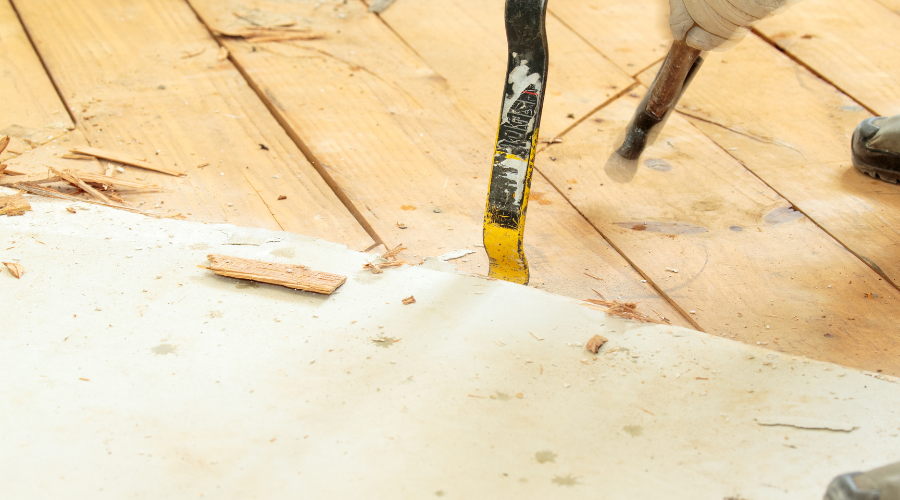
- Remove the Flooring: Once the leak is under control, it’s time to clear away the damaged flooring. Grab your tools – pry bar, hammer, utility knife – and carefully take up the flooring material, exposing the subfloorThe subfloor is the foundational layer beneath flooring mate... More below. Take your time to avoid causing more damage.
- Assess the Damage: Now that you can see what’s going on underneath, give the subfloorThe subfloor is the foundational layer beneath flooring mate... More a good once-over. Inspect the subfloorThe subfloor is the foundational layer beneath flooring mate... More thoroughly to determine the extent of the damage. Look for signs of water saturationSaturation is the point at which a material or environment c... More, rot, mold growth, or structural weakness. Pay close attention to areas near the leak source as well as along the perimeter of the room.
- Check the Floor Joists: While you’re at it, don’t forget about the floor joists below the subfloorThe subfloor is the foundational layer beneath flooring mate... More. Make sure they’re still in good shape and haven’t been weakened by water. Look for signs of rot, warpingWarping is the bending, twisting, or distortion of materials... More, or weakening. If any joists are damaged, they may need to be reinforced or replaced to provide adequate support for the new subfloorThe subfloor is the foundational layer beneath flooring mate... More.
- Install the New SubfloorThe subfloor is the foundational layer beneath flooring mate... More: Once the extent of the damage is assessed and any necessary repairs to the floor joists are completed, it’s time to install the new subfloorThe subfloor is the foundational layer beneath flooring mate... More.
-
-
- Measure up the area that needs replacing and cut your new subfloorThe subfloor is the foundational layer beneath flooring mate... More material to fit.
- Use construction adhesive to secure the new subfloorThe subfloor is the foundational layer beneath flooring mate... More in place, making sure it’s nice and snug.
- Get out your screws or nails and fasten the subfloorThe subfloor is the foundational layer beneath flooring mate... More down tight, making sure it’s well-supported by the floor joists.
- Seal up any seams between the subfloorThe subfloor is the foundational layer beneath flooring mate... More panels to keep things watertight.
- Let everything dry out properly before you even think about putting down new flooring.
-
Contact RestorationMaster for Professional Help
When your home gets hit with water damage, it’s important to act fast and call in on the professionals. While you might think about tackling it yourself, getting experts involved can really save the day.
Water damage restoration professionals are well-equipped to assess the damage and get your property back to its former state. They are typically available round the clock because emergencies don’t wait for convenient times, and they are certified to meet the industry’s highest standards.

About Vince Sandri
Vince Sandri is a content writer and blogger with more than 12 years of experience. His expertise is in creating content related to disaster restorationRestoration is the process of returning a property to its pr... More, including information about preventing and reacting to natural disasters like floodingFlooding is the overflow or accumulation of water in areas t... More, water damage, fire and smoke damage, moldMold is a type of fungus that grows in damp or humid conditi... More growth, storm damage and more.
Vince has been the main contributor to RestorationMasterFinder.com since 2014. Over that time, he has written numerous service pages and blogs for disaster restorationRestoration is the process of returning a property to its pr... More providers featured on RestorationMasterFinder.com. Vince has done extensive research and covered a wide range of topics relating to disaster restorationRestoration is the process of returning a property to its pr... More to help homeowners, business owners, and property managers better protect their property. He understands the problems that disasters like floodingFlooding is the overflow or accumulation of water in areas t... More, fire, smoke, and moldMold is a type of fungus that grows in damp or humid conditi... More can cause as well as the best ways to respond to these issues to limit the damage.
Vince completed his Bachelor of Arts degree at Aurora University and his master’s degree at DePaul University. He has been writing SEO website pages, blogs, and press releases since 2012. Vince is also a musician and can be seen playing in the Chicago, IL area.