

How to Prevent Fire Damage
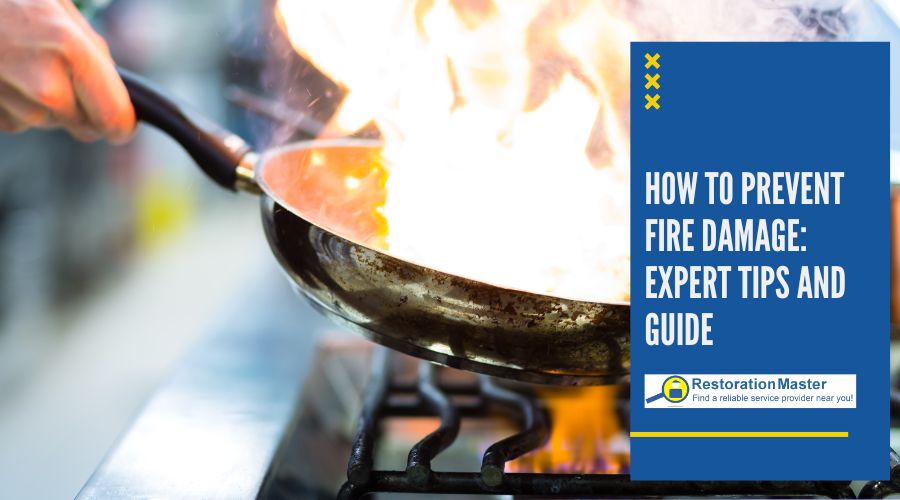
Summary: Learn how to prevent fire damage at home and what steps to take if a fire or smoke damage happens. Stay safe and protect your family with expert tips.
Fire damage remains one of the most costly and traumatic risks faced by homeowners. Each year, thousands of residential fires cause injuries, fatalities, and billions of dollars in property loss. While fire safety awareness has improved, many fires could still be prevented through proper precautions, especially during the summer months when cooking and grilling activities increase.
This detailed guide explores the key causes of residential fires and offers extensive strategies for preventionPrevention refers to actions taken to reduce the likelihood ... More. It covers kitchen and grease fireA grease fire is a fire that occurs when cooking oils or fat... More safety, grill fire precautions, household fire preparednessPreparedness is the state of being ready to respond to emerg... More, and the importance of professional restoration after fire incidents.
1. Kitchen Fire Prevention: The Leading Cause of Home Fires
According to the NFPA, cooking equipment is the leading cause of home fires and home fire injuries, accounting for nearly 50% of all incidents. Most kitchen fires originate from unattended cooking or combustible materials left too close to heat sources.
Detailed Prevention Measures
- Maintain Vigilance at All Times
Cooking should never be interrupted or left unattended, especially when frying, grilling, or boiling. If attention must be diverted, the stove or oven should be turned off. Timers and alarms can act as reminders to check food regularly. - Remove Flammable Materials from Stove Vicinity
Items such as dish towels, paper towels, oven mitts, plastic utensils, and packaging should be kept far from burners and heating elements. These materials ignite quickly and fuel fire spread. - Wear Appropriate Clothing
Loose clothing, synthetic fabrics, and long sleeves increase the risk of catching fire. Ideally, kitchens should see tight-fitting garments and hair tied back securely. - Use Proper Cooking Equipment and Temperature Controls
Thermometers help maintain safe oil temperatures, reducing the chance of grease igniting. Understanding how to safely handle hot oil and pans is critical. - Consider Fire-Resistant Kitchen Technologies
Emerging technologies include automatic stove shut-offs that detect unattended cooking or excessive heat, as well as built-in fire suppression systems within range hoods.
If your kitchen has suffered fire damage, knowing the right restorationRestoration is the process of returning a property to its pr... More process is vital. You can learn more about kitchen fire damage restoration here.
2. Grease Fires: Prevention and Response
Grease fires are notoriously hazardous and require a specific response to contain. The USFA highlights that improper actions, like using water, can cause fire to escalate dangerously.
Grease Fire Safety Protocol
| Step | Action | Reasoning |
|---|---|---|
| 1. Do Not Use Water | Never pour water on a grease fireA grease fire is a fire that occurs when cooking oils or fat... More | Water causes hot grease to splatter and spread fire |
| 2. Turn Off Heat Source | Shut off stove or burner immediately | Removes fuel source preventing further combustion |
| 3. Smother the Flames | Cover pan with a metal lid or cookie sheet | Cuts oxygenOxygen is a chemical element essential for combustion and li... More supply to the fire |
| 4. Use Fire Extinguisher | Use a Class K extinguisher for kitchen fires | Designed specifically for oil and grease fires |
| 5. Call for Help if Needed | Evacuate and call fire department if fire grows | Professional help is essential for safety |
Additional Precautions:
- Avoid overfilling pans with oil.
- Dispose of used cooking oil only after cooling completely, never while hot.
3. Grill Fire Safety: Protecting Outdoor Spaces
Grilling is a popular summer activity but can become a fire hazard if precautions are ignored. The Consumer Product Safety Commission (CPSC) reports that gas grills are responsible for the majority of grill-related fires.
Best Practices for Safe Grilling
- Position Grills Safely
Keep grills at least 10 feet away from the house, garage, decks, or overhanging branches to prevent accidental ignition of structures. - Conduct Regular Equipment MaintenanceMaintenance is the routine care, inspection, and repair of a... More
Inspect hoses, connections, and propane tanks for leaks or damage before each use. Replace damaged parts immediately. - Manage Flare-Ups Promptly
Flare-ups caused by fat dripping onto flames should be controlled using water spray bottles for small flames; however, never use water on grease fires. - Use Fire-Resistant Mats
Placing a fireproof splatter mat beneath the grill protects decking and patio surfaces from sparks and grease. - Stay Nearby and Attentive
Never leave a grill unattended, especially when cooking fatty foods that cause flare-ups.
4. Essential Household Fire Safety Habits
Comprehensive fire preventionPrevention refers to actions taken to reduce the likelihood ... More includes equipment readiness and family preparednessPreparedness is the state of being ready to respond to emerg... More.
- Fire Extinguishers:
Keep ABC-rated extinguishers accessible in the kitchen, near grills, and other high-risk areas. Practice operating extinguishers annually or as often as needed. - Smoke and Carbon Monoxide Detectors:
The NFPA recommends installing smoke alarms on every level of the home and inside bedrooms. Detectors should be tested monthly, with batteries replaced yearly or sooner if needed. Carbon monoxide detectors should be installed near sleeping areas. Choosing the right smoke detector is a key part of fire safety. For expert advice on how to select the best one for your home, learn more here. - Emergency Escape Planning:
Families should develop and rehearse escape plans that include at least two exit routes per room, designated meeting spots outside, and clear communication strategies. - Fire Safety Education:
Children and adults alike benefit from understanding fire dangers, safe cooking, and emergency response.
5. After a Fire: The Role of Professional Restoration
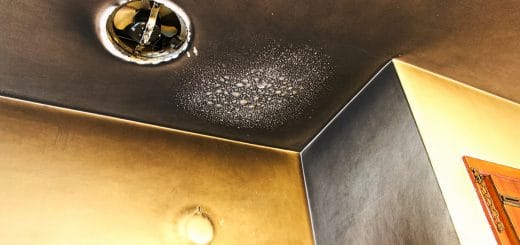
Fire leaves behind not only visible damage but also harmful smoke residues and odors that require specialized treatment.
- Smoke and Soot Removal:
DIY attempts can spread sootSoot is fine black particles composed of carbon and other ma... More further or embed it into surfaces. Professionals use industrial air scrubbers, ozone treatments, and deep cleaning techniques. - Structural Repairs and Safety Assessments:
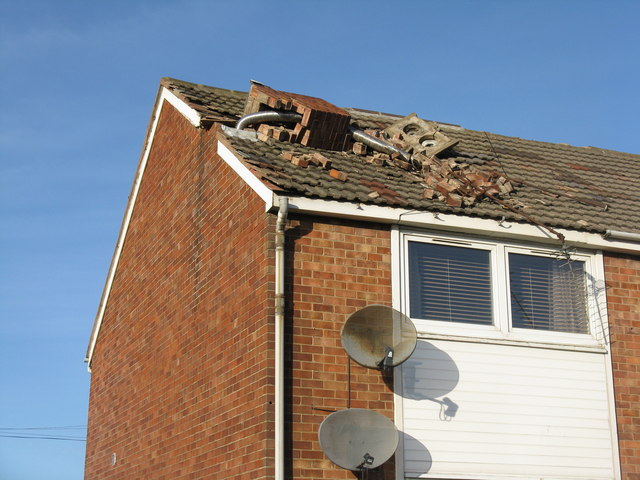
Fire can weaken structural components. Licensed contractors assess and repairRepair is the act of fixing or restoring damaged property, m... More damage ensuring the building meets safety codes. - Insurance and Documentation:
Detailed photographic evidence and expert reports facilitate insurance claims and proper valuation.
Fire Risk by Cause: Statistical Overview
| Cause | Percentage of Home Fires (NFPA) | Typical Seasonality | Key PreventionPrevention refers to actions taken to reduce the likelihood ... More Focus |
|---|---|---|---|
| Cooking Fires | 48% | Year-round, peaks in fall and winter holidays | Constant supervision, remove combustibles |
| Heating Equipment | 16% | Winter | Proper maintenanceMaintenance is the routine care, inspection, and repair of a... More, clearance around heaters |
| Electrical Fires | 10% | Year-round | Avoid overloading outlets, regular inspectionInspection is the careful examination and assessment of a pr... More |
| Smoking Materials | 5% | Year-round | Proper disposal, smoke outside |
| Grilling Fires | ~5% | Summer | Grill placement, equipment checks |
| Candles and Open Flames | 4% | Year-round | Never leave unattended, safe placement |
What to Do Immediately After Fire Damage
PreventionPrevention refers to actions taken to reduce the likelihood ... More is always the best way to protect your home, but sometimes fires or smoke damage happen despite our best efforts. When that occurs, knowing the right steps to take can help keep you safe and reduce further damage.
Going through a fire is stressful and overwhelming. Here’s what you should do right away:
- Wait for the all-clear before entering your home to avoid hidden dangers.
- Contact the fire department first to ensure the property is safe.
- Notify your insurance company promptly to begin your claim.
- Call a professional fire restorationRestoration is the process of returning a property to its pr... More company to assess and start repairs.
- Avoid trying to clean smoke or sootSoot is fine black particles composed of carbon and other ma... More yourself, as it can cause more harm.
Conclusion
Preventing fire damage requires a multi-layered approach combining vigilance, proper equipment, education, and preparednessPreparedness is the state of being ready to respond to emerg... More. The kitchen and grill are areas of heightened risk, especially during warmer months, but fire safety extends to the entire home environment. Understanding fire causes, practicing correct fire responses, maintaining safety devices, and having an escape plan can save lives and protect property.
When fire damage occurs, involving certified fire restorationRestoration is the process of returning a property to its pr... More professionals ensures thorough cleanup and repairs, reducing long-term health risks and restoring homes efficiently.
This comprehensive approach empowers homeowners to confidently reduce fire risks and safeguard their families year-round.
If your home or business has been affected by fire, smoke, or sootSoot is fine black particles composed of carbon and other ma... More damage, don’t wait to act.
Call our experienced fire damage restoration experts now for fast, thorough cleanup and repairRepair is the act of fixing or restoring damaged property, m... More. We’re available 24/7 to help you restore your property safely and efficiently.
Frequently Asked Questions (FAQ)
How far should I keep my grill from my house?
The Consumer Product Safety Commission (CPSC) recommends positioning grills at least 10 feet away from any structureStructure refers to the framework or components of a buildin... More, including houses, garages, decks, and overhanging tree branches. This distance helps prevent accidental ignition of building materials or landscaping from stray sparks, flare-ups, or heat exposure. Additionally, grills should be placed on stable, fire-resistant surfaces away from foot traffic.
What are some effective preventative measures to avoid kitchen fires?
- Always stay focused when cooking, especially during frying, grilling, or boiling. Avoid leaving food unattended on the stove.
- Keep flammable items like towels, paper, plastics, and oven mitts away from burners and hot surfaces.
- Use a cooking thermometer to monitor oil temperature and prevent it from overheating.
- Wear tight-fitting clothing and tie back long hair to reduce the chance of accidental contact with flames or heat.
- Consider installing safety devices such as automatic stove shut-off systems or fire suppression systems in range hoods.
- Clean cooking surfaces and appliances regularly to remove grease buildup, which can fuel fires.
What types of fire extinguishers should I have at home, and where should I place them?
A multipurpose ABC fire extinguisher is ideal for most household fires, including those caused by electrical issues, paper, and flammable liquids. For kitchens, it’s also beneficial to have a Class K extinguisher, specifically designed for grease and oil fires. Fire extinguishers should be placed in accessible locations—near the kitchen, garage, and grilling area—but never so close that a fire would block access to them.
Can unattended candles cause house fires? How can I use candles safely?
Yes, unattended candles are a common cause of home fires. To use candles safely, always keep them away from flammable materials, place them on stable surfaces, and never leave them burning when leaving a room or going to sleep. Consider using flameless LED candles as a safer alternative.

About Vince Sandri
Vince Sandri is a content writer and blogger with more than 12 years of experience. His expertise is in creating content related to disaster restorationRestoration is the process of returning a property to its pr... More, including information about preventing and reacting to natural disasters like floodingFlooding is the overflow or accumulation of water in areas t... More, water damage, fire and smoke damage, moldMold is a type of fungus that grows in damp or humid conditi... More growth, storm damage and more.
Vince has been the main contributor to RestorationMasterFinder.com since 2014. Over that time, he has written numerous service pages and blogs for disaster restorationRestoration is the process of returning a property to its pr... More providers featured on RestorationMasterFinder.com. Vince has done extensive research and covered a wide range of topics relating to disaster restorationRestoration is the process of returning a property to its pr... More to help homeowners, business owners, and property managers better protect their property. He understands the problems that disasters like floodingFlooding is the overflow or accumulation of water in areas t... More, fire, smoke, and moldMold is a type of fungus that grows in damp or humid conditi... More can cause as well as the best ways to respond to these issues to limit the damage.
Vince completed his Bachelor of Arts degree at Aurora University and his master’s degree at DePaul University. He has been writing SEO website pages, blogs, and press releases since 2012. Vince is also a musician and can be seen playing in the Chicago, IL area.