




How can Sewage be Cleaned Up?
Sewer backup is a troublesome incidentAn incident is an event or occurrence that causes damage, di... More that causes a lot of hassle and disruption to daily life – it may not be as destructive as a fire or a tornado, but it presents a variety of health hazards and sanitation issues and may result in considerable property damage and serious personal injury. Therefore, sewage backup has to be dealt with quickly and efficiently. In the event of a sewageSewage is wastewater containing biological and chemical cont... More spill in your home, you need to evacuate everyone, turn off the power and water supply to the building, and call a plumber and a cleanup specialist to fix the problem.
Depending on the severity of the situation, you may be able to take some steps to limit the damage, salvage your belongings, or even handle the problem yourself. Keep in mind though that sewageSewage is wastewater containing biological and chemical cont... More cleanup is a laborious and dangerous job, so do not undertake the task unless the spill is small and easily manageable.
What is Sewage?
SewageSewage is wastewater containing biological and chemical cont... More is wastewaterWastewater is used water that contains contaminants, chemica... More that is developed from households, businesses, and industrial facilities. Typically including water from toilets, sinks, showers, washing machines, and dishwashers, sewageSewage is wastewater containing biological and chemical cont... More water comes from a variety of sources in businesses and households. Although sewageSewage is wastewater containing biological and chemical cont... More is primarily water, it contains a mix of organic and inorganic materialsInorganic materials are substances that are not derived from... More, including human waste, urine, chemicals, pathogensPathogens are microorganisms such as bacteria, viruses, or f... More, soaps, and pathogensPathogens are microorganisms such as bacteria, viruses, or f... More that can be harmful to human health.
Generally, there are two types of sewageSewage is wastewater containing biological and chemical cont... More:
- Blackwater: Considered very hazardous due to its high levels of pathogensPathogens are microorganisms such as bacteria, viruses, or f... More and organic materialsOrganic materials are derived from living organisms, such as... More, blackwater is wastewaterWastewater is used water that contains contaminants, chemica... More from toilets. This contains human waste, urine, and other potentially harmful substances.
- Greywater: WastewaterWastewater is used water that contains contaminants, chemica... More from non-toilet sources like sinks, showers, and washing machines is called greywater. Although it contains fewer pathogensPathogens are microorganisms such as bacteria, viruses, or f... More than blackwater, greywater contains contaminants like soap, grease, and chemicals.
Understanding the different kinds of sewageSewage is wastewater containing biological and chemical cont... More and the potential dangers is important for proper sewageSewage is wastewater containing biological and chemical cont... More management.
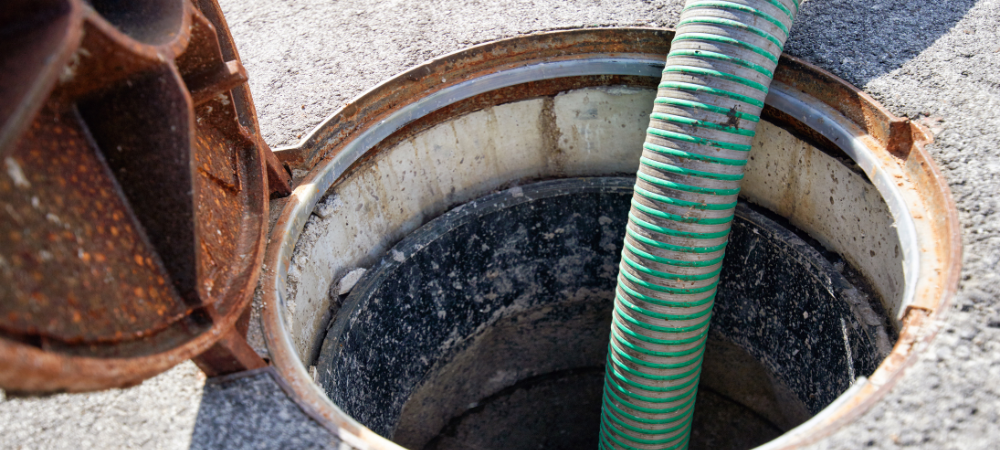
What Should I Do After Sewage Backup?
Regardless of whether you intend to use professional sewage cleanup services or attempt DIY sewageSewage is wastewater containing biological and chemical cont... More cleaning, there are some important precautionary measures to take as soon as you notice the problem:
- Evacuate children, seniors, and pets and do not allow them in the affected area until it is restored to a safe condition.
- Contact the utility companies that service your area and have them shut off the electricity, gas, and water supply to your home. If the spill is small and there’s no danger to you, you can turn off the power and water supply yourself (only if the power distribution panel and main water valve are safely above water!) – just make sure you wear appropriate personal protective equipment.
- Open windows to ventilate the area.
- Take any dry, uncontaminated items away.
- Add small amounts of chlorine bleach to standing water – this will ensure some disinfection and prevent bacteria from spreading.
- Notify your insurance company that there has been a sewageSewage is wastewater containing biological and chemical cont... More backup in your home and make sure you take several pictures of the spill, as well as the water-damaged items and structural materials before the cleanup begins (you will need them as proof for your insurance claim).
Do not attempt to unclogTo unclog is to clear obstructions from pipes, drains, or eq... More drains at this point – the sewageSewage is wastewater containing biological and chemical cont... More water must be removed before the cause of the spill can be addressed.
How to Clean Up Sewage Backup
Cleaning up sewer backup is a difficult, unpleasant, and risky task to perform without professional help. Calling professional cleaners is highly recommended to prevent environmental and health risks. DIY sewage backup cleanup should only be conducted in minor cases, such as a spill that is confined to a small area of your home (bathroom, part of a kitchen, etc.). Major spills require professional help. Following the steps below to clean up sewageSewage is wastewater containing biological and chemical cont... More backup is important to prioritize your health and safety.
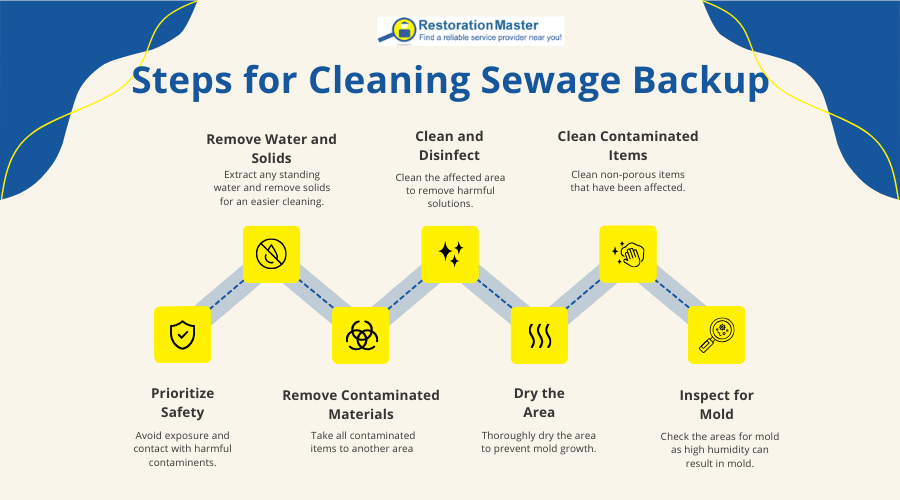
Prioritize Safety
When handling sewageSewage is wastewater containing biological and chemical cont... More, the most crucial step is to ensure safety. Begin by evacuating everyone from the area with sewageSewage is wastewater containing biological and chemical cont... More to avoid exposure to harmful contaminants. Close the doors between the contaminated area and the other rooms in your home to prevent tracking sewage water and debris into clean areas and to ensure that airborne sewage-contaminated dust won’t be blown into other spaces.
Before entering the area, gather your protection gear including, rubber gloves, rubber boots, protective eyewear, and a facemask. Make sure your skin doesn’t come in direct contact with the wastewaterWastewater is used water that contains contaminants, chemica... More (or any contaminated items) as sewageSewage is wastewater containing biological and chemical cont... More spills contain contaminants that can cause serious infections.
Remove Standing Water and Solids
Remove the sewage water and any solids as soon as possible. If there is a small amount of water, use a wet-dry vacuum with the correct filtration device. Adversely, for large amounts of water, use a pump to remove the water. Carefully place solid waste and debris into a heavy-duty plastic bag and dispose of them immediately to reduce the risk of further contaminationContamination is the presence of harmful or unwanted substan... More.
Remove Contaminated Materials
Take all items from the affected area to an isolated space with a concrete or tiled floor that can be easily sanitized afterward. Keep these items in a separate area until the plumbing problem is fixed. Discard any porousPorous describes a material that contains small openings or ... More materials such as carpeting, flooring, insulationInsulation is a material used in buildings to reduce the tra... More, and wall paneling that have been soaked with contaminated water, as they are difficult to clean and may contain moldMold is a type of fungus that grows in damp or humid conditi... More and harmful bacteria.
Clean and Disinfect the Area
Wash down all the walls, floors, and surfaces in the affected area with hot water and appropriate bactericidal disinfectants. Follow up with a deep cleaning using quality household detergent and plenty of water. Take extra care when cleaning the floors – scrub them well with a brush dipped in a solutionA solution is a homogeneous mixture of two or more substance... More of one part chlorine bleach and four parts water. Rinse the area thoroughly with clean water to remove contaminants.
Dry the Area Thoroughly
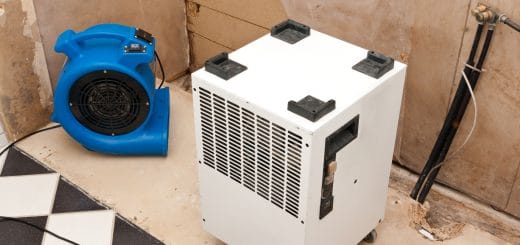
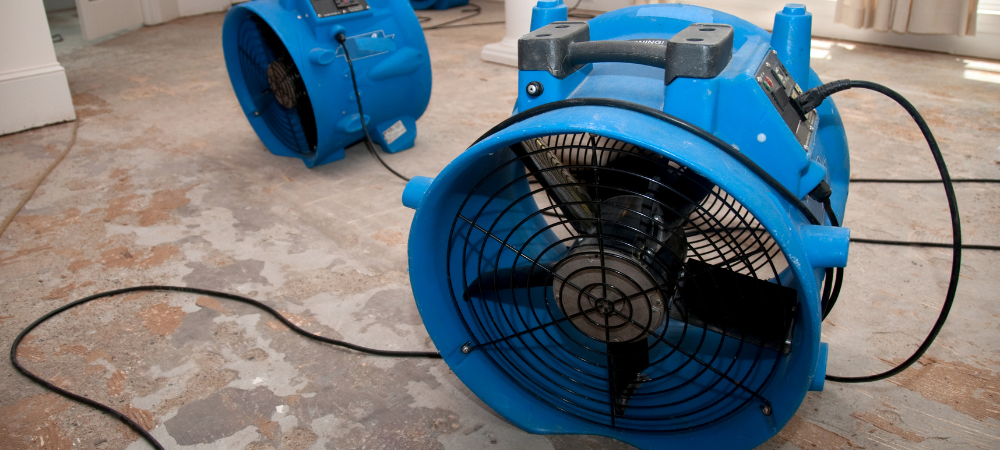
After cleaning and disinfecting the area, use fans, dehumidifiers, and air movers to accelerate the dryingDrying is the process of removing moisture from materials, s... More process. Ensuring the area is dried thoroughly within 24-48 hours is crucial to prevent health issues and additional damage to the property, such as mold growth.
Clean or Discard Contaminated Items
Discard any consumable goods (foods, drinks, spices, etc.) and porousPorous describes a material that contains small openings or ... More materials (rugs, curtains, upholstery, mattresses, clothes, stuffed toys, books, and other paper products, etc.) that have been in direct contact with sewageSewage is wastewater containing biological and chemical cont... More water.
Clean all affected items, including furniture and appliances, with antibacterial cleaning products. Make sure to rinse them well and allow thorough dryingDrying is the process of removing moisture from materials, s... More. Clothes and linen items that had minor contact with the wastewaterWastewater is used water that contains contaminants, chemica... More can be cleaned using one cup of chlorine bleach in the water when washing.
If you have items of high sentimental or monetary value that were contaminated, call professionals to have them professionally inspected. For upholstered furniture and carpets that have been slightly affected by wastewaterWastewater is used water that contains contaminants, chemica... More, have them professionally cleaned to remove any potentially harmful contaminants. Expert technicians use advanced equipment, specialized cleaning products, and experience in dealing with contaminated contents.
Inspect Your Property for Mold
The increased level of indoor moisture in the event of a sewage backup may result in moldMold is a type of fungus that grows in damp or humid conditi... More growth throughout your home, even on surfaces that have not been in contact with the wastewaterWastewater is used water that contains contaminants, chemica... More. If you find any visible moldMold is a type of fungus that grows in damp or humid conditi... More, use EPA-approved moldMold is a type of fungus that grows in damp or humid conditi... More cleaners to kill the sporesSpores are microscopic reproductive units of fungi or mold t... More and disinfect all adjacent surfaces. Call moldMold is a type of fungus that grows in damp or humid conditi... More mitigation specialists if the damage is extensive.
What are the Risks of Sewage?
The longer contaminated water sits in your home, the greater the risk of disease and water damage.
Since sewageSewage is wastewater containing biological and chemical cont... More spills can contain contaminants that cause serious disease, having a prompt response is essential to prevent bacteria and virusesViruses are microscopic infectious agents that can only repr... More from spreading throughout your property and compromising its safety. Sewage cleaning, however, requires handling infectious waste, which makes it dangerous to your health.
A sewageSewage is wastewater containing biological and chemical cont... More spill can cause severe water damage to your property and result in moldMold is a type of fungus that grows in damp or humid conditi... More growth. You will not only need to repairRepair is the act of fixing or restoring damaged property, m... More or replace water-damaged structural materials (flooring, baseboards, drywall, insulations, etc.) and household items (furniture, appliances, etc.), but you may also need to deal with a moldMold is a type of fungus that grows in damp or humid conditi... More problem.
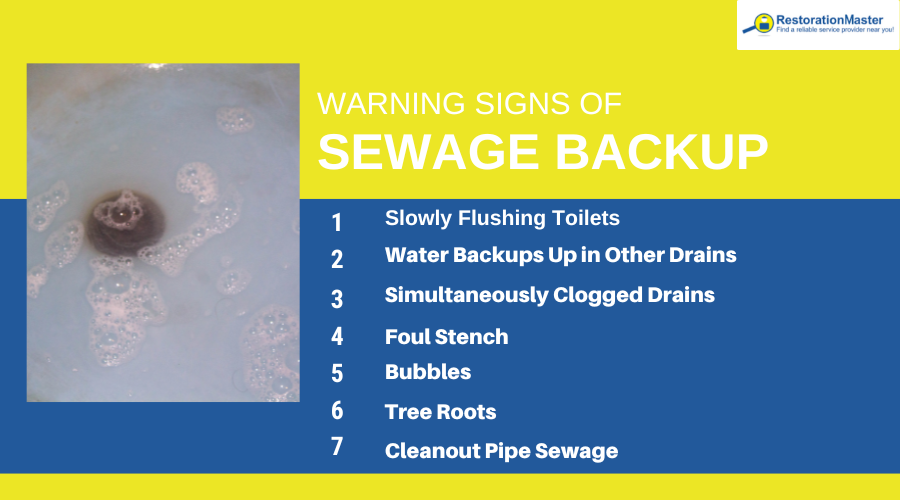
When Should I Call for Professional Help?
While professional sewage backup cleanup is always the better option, it is necessary if:
- The spill is not confined to a single room of your home
- The backup occurred more than 24 hours ago (or has been sitting for an unknown number of hours) – bacteria and virusesViruses are microscopic infectious agents that can only repr... More will have already spread by this point, posing severe threats to your health and making it very risky to deal with the sewageSewage is wastewater containing biological and chemical cont... More
- The spill is caused by a sewer or septic tank backup
- There’s any possibility that sewageSewage is wastewater containing biological and chemical cont... More water may have come in contact with your home’s air-conditioning system (in this case, professional duct cleaning will be required to ensure good air quality in your home).
- You or a member of your family have health concerns that may be aggravated by the contaminants in the wastewaterWastewater is used water that contains contaminants, chemica... More
Professional Sewage Backup Cleaning
Using professional sewage cleanup services will help you avoid all the above hazards and have your property restored to its pre-accident condition as quickly as possible. The experts will respond to your situation in a fast and efficient manner – sewageSewage is wastewater containing biological and chemical cont... More cleanup companies have the specialized cleaning products, advanced equipment, and technical know-how to:
-
- Remove sewageSewage is wastewater containing biological and chemical cont... More water and solid waste safely and appropriately;
- Clean and sanitize the area (and decontaminate the entire home, if necessary);
Depending on how big the sewageSewage is wastewater containing biological and chemical cont... More spill is (and how severe the damage), sewageSewage is wastewater containing biological and chemical cont... More cleanup services can cost between $2,000 and $10,000.
Since most sewage cleanup specialists offer not only water extraction, but also quality repairRepair is the act of fixing or restoring damaged property, m... More works, odorAn odor is a smell, often detectable by the human nose, whic... More removal, and content cleanup, they can completely clean, sanitize, and restore your home – they’re your best bet in the event of a large sewageSewage is wastewater containing biological and chemical cont... More spill in your home. Yet, you may also need the help of:
- Septic specialists – If the spill is caused by a backed-up septic tank, you’ll need a septic specialist (the same company that regularly empties the tank or a plumber that provides emergency drain cleaning services) to fix the tank and prevent future sewageSewage is wastewater containing biological and chemical cont... More backups in your home. Your septic tank may just need to be pumped and cleaned, or it may need a new pipe or total replacement. Pumping out a septic tank costs about $250, but tank repairs can range from $150 (to replace a pipe) to $5,000 (to replace the entire tank);
- Plumbers – If the spill is caused by a clogged sewer line, you’ll need a drain cleaning specialist to fix the problem. A plumber will typically charge $150 to $300 to clear the line;
- City sewer workers – If you’re tied into a city sewer system, you need to call the sewage department as the backup in your home may be a part of a citywide problem. If it is, the city will handle it.
Either way, the quick and efficient intervention of experienced professionals will save you a lot of time and effort and will provide the most appropriate, safest, and cost-effective solutionA solution is a homogeneous mixture of two or more substance... More to the problem. The experts will quickly restore your home to normal, preventing further troubles and helping you get your life back on track as soon as possible. And you may not even need to pay for their services – oftentimes, insurance covers the cost of hiring professional help in the event of a sewageSewage is wastewater containing biological and chemical cont... More backup.

About Vince Sandri
Vince Sandri is a content writer and blogger with more than 12 years of experience. His expertise is in creating content related to disaster restorationRestoration is the process of returning a property to its pr... More, including information about preventing and reacting to natural disasters like floodingFlooding is the overflow or accumulation of water in areas t... More, water damage, fire and smoke damage, moldMold is a type of fungus that grows in damp or humid conditi... More growth, storm damage and more.
Vince has been the main contributor to RestorationMasterFinder.com since 2014. Over that time, he has written numerous service pages and blogs for disaster restorationRestoration is the process of returning a property to its pr... More providers featured on RestorationMasterFinder.com. Vince has done extensive research and covered a wide range of topics relating to disaster restorationRestoration is the process of returning a property to its pr... More to help homeowners, business owners, and property managers better protect their property. He understands the problems that disasters like floodingFlooding is the overflow or accumulation of water in areas t... More, fire, smoke, and moldMold is a type of fungus that grows in damp or humid conditi... More can cause as well as the best ways to respond to these issues to limit the damage.
Vince completed his Bachelor of Arts degree at Aurora University and his master’s degree at DePaul University. He has been writing SEO website pages, blogs, and press releases since 2012. Vince is also a musician and can be seen playing in the Chicago, IL area.