



Important Tips for Recovering from Storm Damage
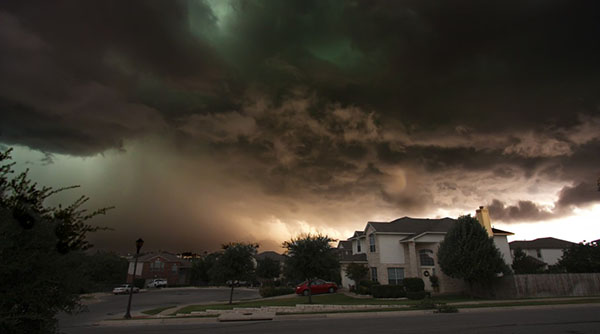
Every area of the U.S. can experience severe weather and storms that put your safety and your property at risk. Any type of storm, including thunderstorms, tornadoes, and hurricanes, can include strong wind, rain, and hail that can cause damage to your property. Wind and hail can damage the exterior of homes and buildings, resulting in structural damage that may leave the building unstable. The rain from severe storms can cause water damage within homes and buildings and floodingFlooding is the overflow or accumulation of water in areas t... More in severe cases.
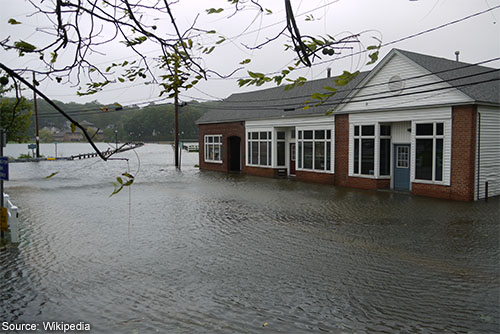
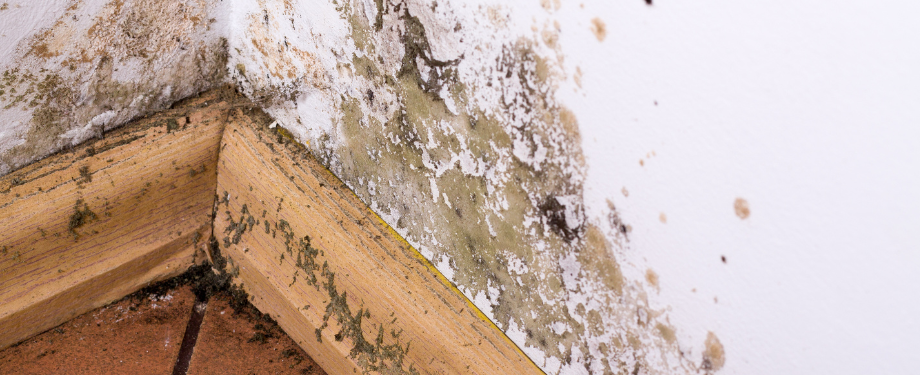
The damage caused by these storms will continue to get worse in the aftermath. Structural damage can become more severe and put the home or building at risk of collapse. Water from rain and flooding will continue to spread through the property, increasing the damage as well as the risk of moldMold is a type of fungus that grows in damp or humid conditi... More growth. After a storm passes, it is important to have your property restored and rebuilt as soon as possible. Quick restorationRestoration is the process of returning a property to its pr... More not only helps ensure that your property can be restored to its pre-storm state, but it also helps you avoid dangerous conditions involving severe structural damage or mold growth which can threaten your health and well-being.
In this guide, we will discuss the essential tips you need to follow for successful storm damage recovery. Taking the right actions immediately will help limit the damage and ensure the safety of you and your family.
Assessing the Damage
After a storm passes through your area, the first thing you should do is make sure everyone within your property is safe. Once you have confirmed that everyone is safe, you must check your property for potential damage. Do a thorough inspectionInspection is the careful examination and assessment of a pr... More of your property inside and out to look for the following:
- Check the basement for possible floodingFlooding is the overflow or accumulation of water in areas t... More or foundation damage. Look for cracks or leaks in the foundation.
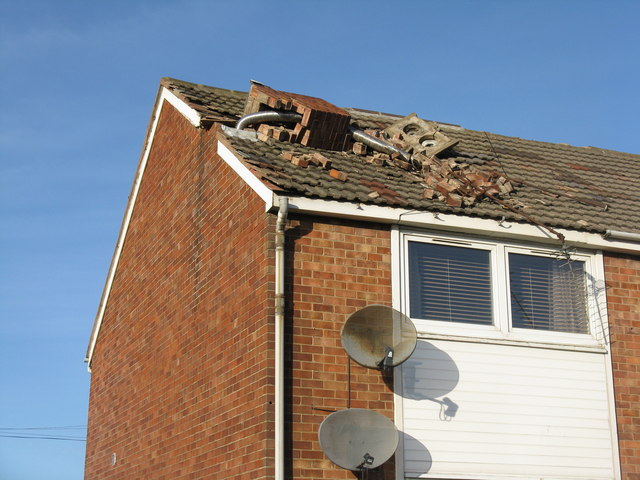
- Check the roof for raised or missing shingles, damage to the gutters and downspouts, and other damage like dents. If the storm involved strong wind or hail, there may be damage to your roof.
- Check doors and windows for cracks, broken windowpanes, and door frame damage. You should also check shutters, awnings, and window caps if your home has them.
- Check the exterior of your home for cracking, chips, dings, or dents in your siding. If there is severe damage to your roof or siding, this may require emergency board-up services to secure and stabilize your home.
- Check other structures such as your garage, shed, and porch or deck for possible damage.
As you inspect your property for damage, make sure to document the damage you find with photos and videos to help with your insurance claim. Always use caution when inspecting for damage. If part of your property appears too dangerous to enter, then document it the best you can without entering the area.

Contact the Right Authorities and Insurance Companies
If the damage to your property is severe and involves things like downed powerlines, you will need to reach out to local authorities to report the damage. They will respond to large scale damage in your area and even help direct you about what to do next.
The next thing you should do is make a call to your insurance company to report the damage to an agent and start your claim. They will likely send an adjustor to your property to inspect and document the damage. It is still important to document the damage yourself in the immediate aftermath in case something looks different by the time and adjustor arrives.
The other thing to keep in mind when talking to your insurance company is the limits of your coverage. In fact, you should review the terms of your policy before calling your insurance company so you will know what to expect them to cover. Damage caused by floodingFlooding is the overflow or accumulation of water in areas t... More is never covered under a typical homeowner’s insuranceHomeowner’s insurance is a policy that provides financial ... More policy. Homeowners must purchase separate flood insurance to cover that type of damage.

Hiring a Restoration Professional
After you have talked to your insurance provider and started your claim, your next call should be to a disaster restoration professional to restore the damage. Your insurance provider may suggest a professional to call, but you are not obligated to call who they recommend. You should be able to choose a restorationRestoration is the process of returning a property to its pr... More professional yourself to call.
Following these steps will help you choose a trusted restorationRestoration is the process of returning a property to its pr... More professional:
- Research local providers: Research the restorationRestoration is the process of returning a property to its pr... More professionals in your area and check their credentials and available online reviews.
- Look for storm damage experience: Make sure you find a restorationRestoration is the process of returning a property to its pr... More professional that has experience specifically with providing storm damage restorationRestoration is the process of returning a property to its pr... More.
- Get multiple quotes: Ask for quotes and a description of services from multiple restorationRestoration is the process of returning a property to its pr... More professionals before making a decision.
Temporary Repairs and Preventative Measures
When storm damage restoration professionals arrive to your property, the first thing they will do is temporarily secure your property to prevent further damage. Damage to the exterior and structural core can leave your home vulnerable to additional damage from rain, water, wind, and intrusive animals. Securing your home immediately will keep it protected until the professional can begin the restorationRestoration is the process of returning a property to its pr... More process.
RestorationRestoration is the process of returning a property to its pr... More professionals will do the following to secure your home:
- Emergency board-up of broken windows and doors
- Roof tarping to protect from rain and leaks
- Temporary reinforcement of severe structural damage to prevent collapse
Dealing with Water Damage
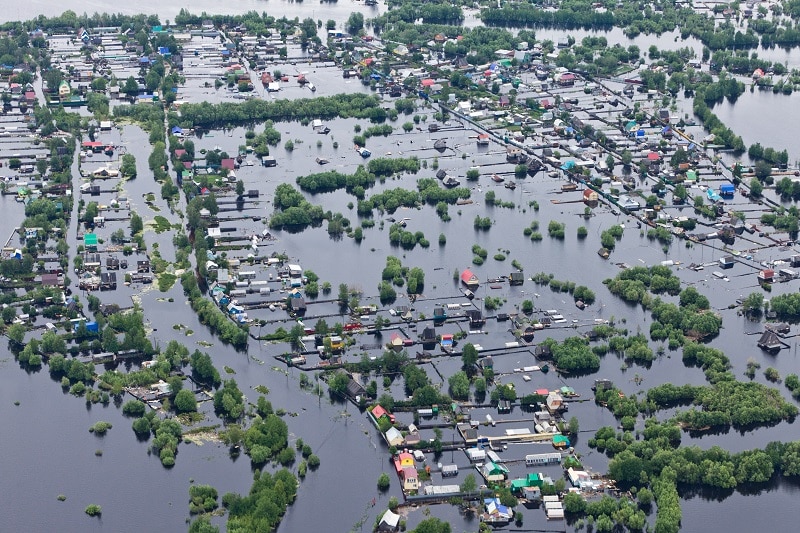
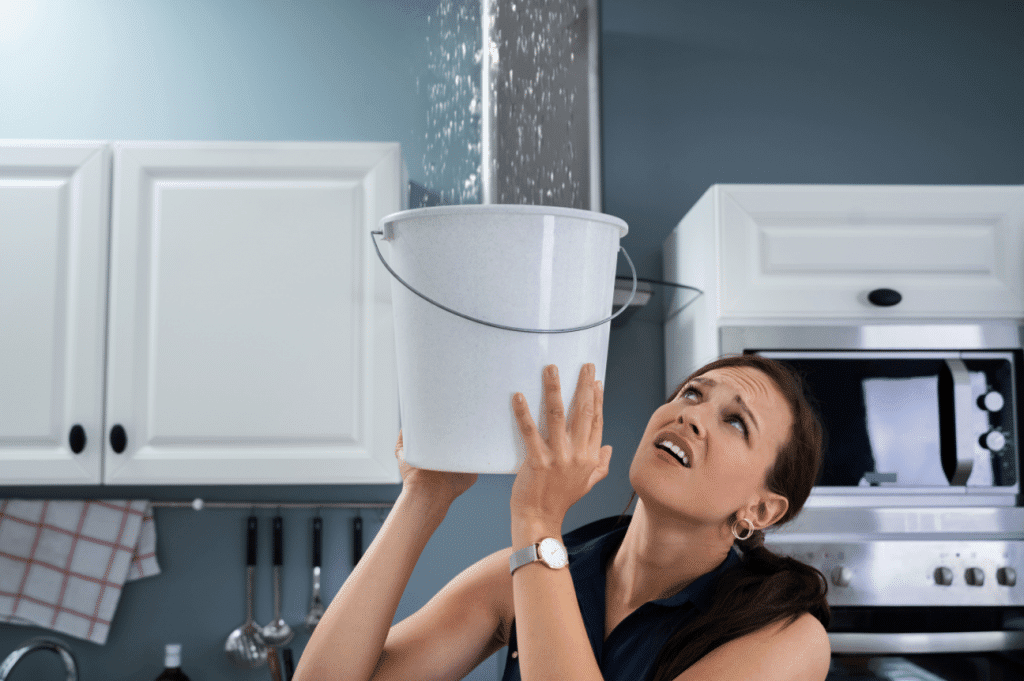
Water damage is very common when storms occur due to excessive rain and floodingFlooding is the overflow or accumulation of water in areas t... More. Rain can seep into your home through roof leaks or foundation leaks and spread through porousPorous describes a material that contains small openings or ... More building materials like wood, drywall, and insulationInsulation is a material used in buildings to reduce the tra... More. Heavy rainfall can even leadLead is a heavy metal that can be toxic to humans, especiall... More to floodingFlooding is the overflow or accumulation of water in areas t... More in your basement.
It is very important to address water damage as quickly as possible to stop it from spreading. Water can weaken structural materials, leading to severe structural damage, and create ideal conditions for moldMold is a type of fungus that grows in damp or humid conditi... More growth. RestorationRestoration is the process of returning a property to its pr... More professionals will take the following steps to address water damage on your property:
- Water extraction: They will start by using advanced equipment to extract excess water from your home. With this process, they can also remove standing flood water.
- DryingDrying is the process of removing moisture from materials, s... More and dehumidificationDehumidification is the process of reducing and controlling ... More: Next, they will strategically place dryingDrying is the process of removing moisture from materials, s... More equipment like air movers and dehumidifiers in the affected areas to dry wet materials and furnishings.
- Inspect for moldMold is a type of fungus that grows in damp or humid conditi... More growth: As they take care of the water damage, they will inspect for moldMold is a type of fungus that grows in damp or humid conditi... More growth and take steps to remove any moldMold is a type of fungus that grows in damp or humid conditi... More they find.
Addressing Structural Damage
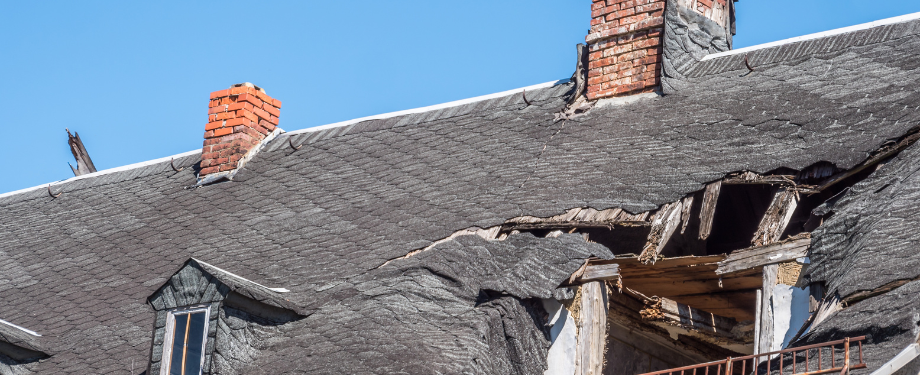
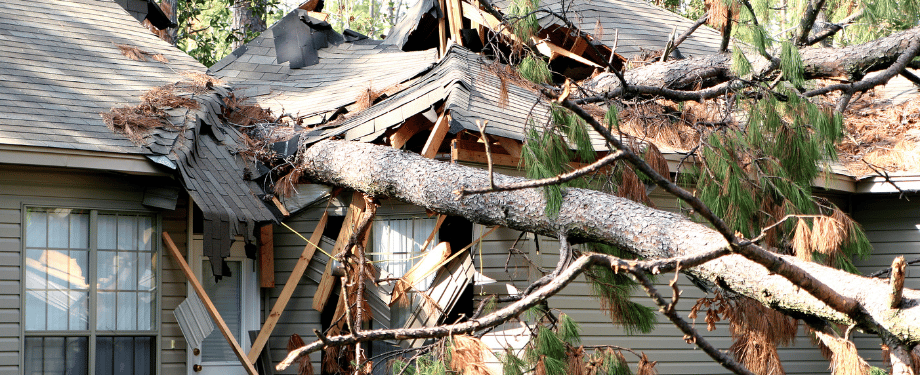
Structural damage is common after storms as strong winds can damage the roofing, siding, and windows and blow over large objects like trees that can fall on your home. Water can also leadLead is a heavy metal that can be toxic to humans, especiall... More to structural damage by affecting the foundation and spreading through porousPorous describes a material that contains small openings or ... More building materials.
RestorationRestoration is the process of returning a property to its pr... More professionals will do the following to secure and repairRepair is the act of fixing or restoring damaged property, m... More structural damage:
- Identify damage to the foundation structural elements
- Reinforce or rebuild damaged walls, roofing, and supports
- Ensure compliance with local building codes and regulations
Salvaging and Cleaning Belongings
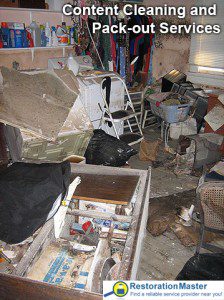
It is inevitable that severe water damage or structural damage from a storm will affect your personal belongings as well. Water from the storm can damage electronics, clothing, linens, shoes, furniture, important documents, knickknacks, and other items. If your damaged personal items are not quickly restored using the proper methods, they may become permanently damaged.
RestorationRestoration is the process of returning a property to its pr... More professionals can effectively clean and restore a wide range of personal items with the following steps:
- Evaluation: They will evaluate the damaged belongings and determine what can be salvaged.
- Pack-outPack-out is the process of carefully removing and transporti... More: If they cannot do the cleaning and restorationRestoration is the process of returning a property to its pr... More of your belongings within your home, they will pack up each item and take them to their facility for cleaning and restorationRestoration is the process of returning a property to its pr... More.
- Cleaning and restorationRestoration is the process of returning a property to its pr... More: Your items are carefully cleaned, deodorized, sanitized, and restored to their original condition using safe and effective methods.
- Delivery: Your items will be delivered back to your home once they are ready.
- Disposal of damaged items: They will properly dispose of items that cannot be saved.
Handling Emotional Stress and Support
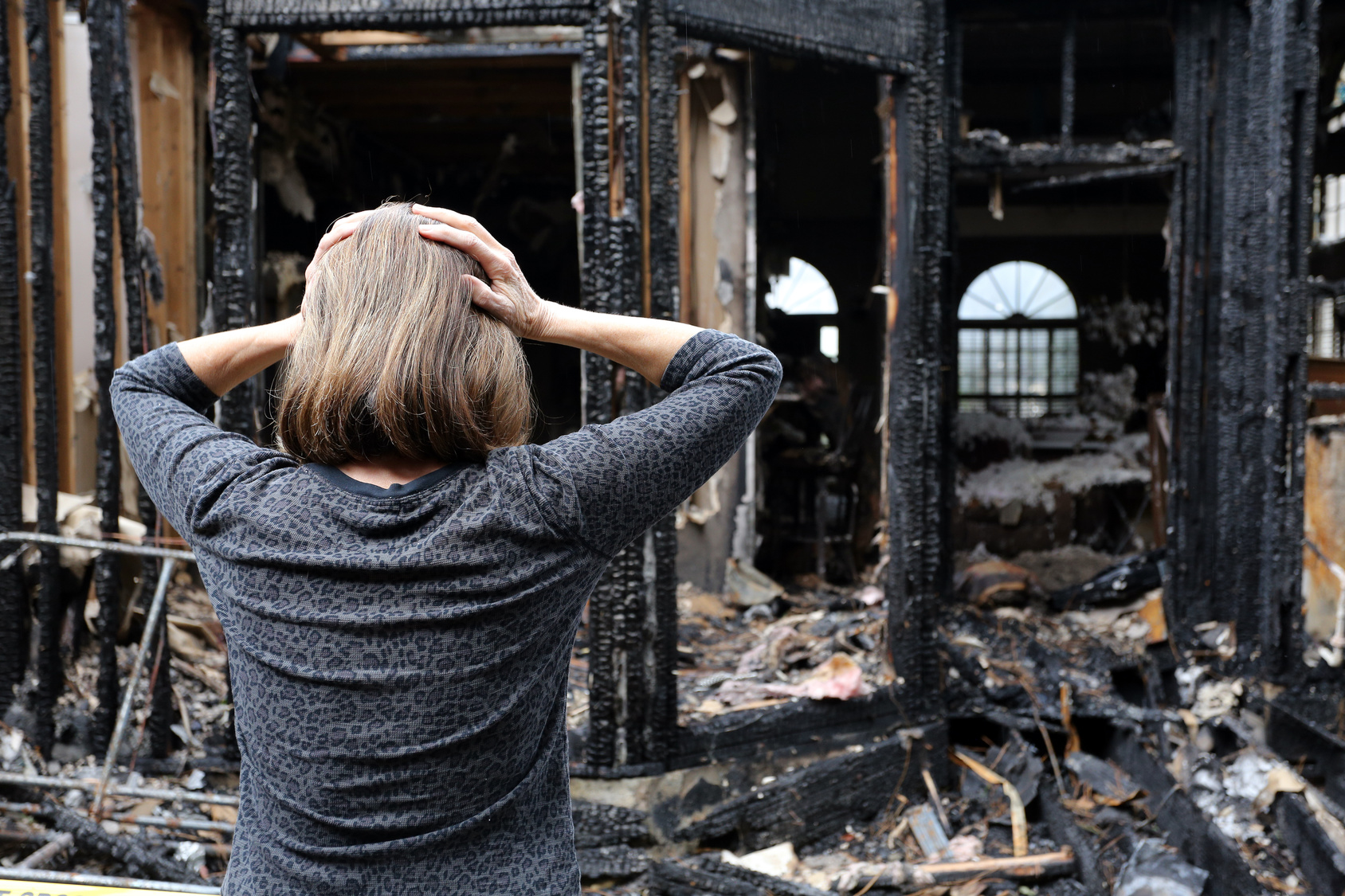
Experiencing major storm damage to your home can take an emotional toll. The losses caused by the storm and the time and effort it takes to restore the damage can cause stress and even feelings of helplessness and depression.
If you or members of your family are stressed, overwhelmed, or emotionally affected by the experience, there is no shame in seeking help. You can turn to close friends and family for emotional support or seek counseling services if necessary. Seeking and engaging in positive coping strategies can help with emotional healing.
Planning for Future Storms
Sometimes, severe weather and storms can form quickly, leaving you with little time to prepare. The key to preventing major storm damage to your home is to be prepared ahead of time so that your home is ready when a storm does hit.
If your home has been damaged by a storm, you can use the situation as a learning experience to better prepare for future storms. Make upgrades to your home like replacing doors and windows that were affected by the storm with storm-resistant doors and windows. If there were vulnerabilities that caused floodingFlooding is the overflow or accumulation of water in areas t... More in your basement or leaks from your roof, make the repairs necessary to prevent leaks from the rain.
You should also pay close attention to weather alerts if there is severe weather expected in your area and be ready to evacuate if necessary.
Storm Damage FAQ
How Long Does it Take to Recover from a Storm?
The length of time it takes to recover after a storm depends on the extent of the damage to your home. Minor damage such as damaged shingles, broken windows, or minor water damage can be fixed within a few days to a couple of weeks.
If your home has experienced extensive damage including floodingFlooding is the overflow or accumulation of water in areas t... More or severe structural damage, it may take much longer to recover. On average, it can take anywhere from six months to a couple of years to fully restore significant damage after a storm.
How Long is the Drying Process for Water Damaged Homes?
Recovering From Winter Storm Damage
What Kind of Damage Should I Look for After a Storm?
After a storm has passed, you should check your home for the following:
- Water damage or floodingFlooding is the overflow or accumulation of water in areas t... More from roof leaks, near windows and doors, and in the basement or crawlspace
- Damage such as cracks to the foundation
- Roof damage including damaged or missing shingles
- Damage to the siding of your home
- Damage to doors and windows, including door and window frames
- Structural damage to support beams, walls, the foundation, and roofing elements
- Damage to other structures like your porch, deck, garage, or shed
If you find that a storm has caused any of this type of damage, you should call a restoration professional immediately that specializes in storm damage restorationRestoration is the process of returning a property to its pr... More.
Professional Storm Damage Restoration
No matter what type of storm affects your area, there is a chance that the storm can cause damage to your property. If your home is affected, taking the steps described above will help speed up the recovery and get your home back to its pre-storm state. The best way to protect your home from storm damage is to be proactive. Taking steps to stormproof your home will help minimize damage the next time you experience severe weather.
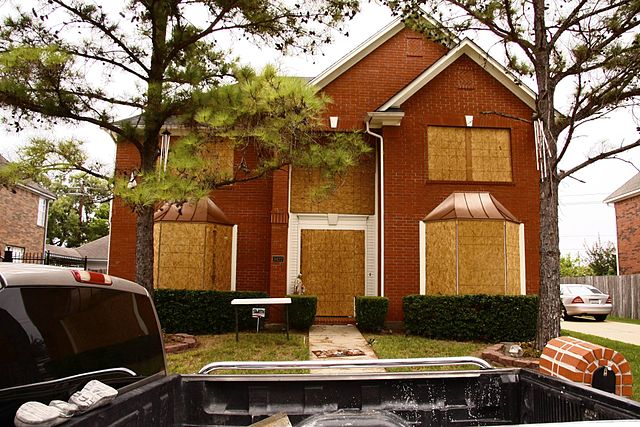
If your home is damaged by a storm, it is important to call a restorationRestoration is the process of returning a property to its pr... More professional that specializes in storm damage restoration as soon as possible. These professionals have the equipment and expertise to address any type of damage that may be caused by a storm including water damage and floodingFlooding is the overflow or accumulation of water in areas t... More, structural damage, and moldMold is a type of fungus that grows in damp or humid conditi... More growth.

About Vince Sandri
Vince Sandri is a content writer and blogger with more than 12 years of experience. His expertise is in creating content related to disaster restorationRestoration is the process of returning a property to its pr... More, including information about preventing and reacting to natural disasters like floodingFlooding is the overflow or accumulation of water in areas t... More, water damage, fire and smoke damage, moldMold is a type of fungus that grows in damp or humid conditi... More growth, storm damage and more.
Vince has been the main contributor to RestorationMasterFinder.com since 2014. Over that time, he has written numerous service pages and blogs for disaster restorationRestoration is the process of returning a property to its pr... More providers featured on RestorationMasterFinder.com. Vince has done extensive research and covered a wide range of topics relating to disaster restorationRestoration is the process of returning a property to its pr... More to help homeowners, business owners, and property managers better protect their property. He understands the problems that disasters like floodingFlooding is the overflow or accumulation of water in areas t... More, fire, smoke, and moldMold is a type of fungus that grows in damp or humid conditi... More can cause as well as the best ways to respond to these issues to limit the damage.
Vince completed his Bachelor of Arts degree at Aurora University and his master’s degree at DePaul University. He has been writing SEO website pages, blogs, and press releases since 2012. Vince is also a musician and can be seen playing in the Chicago, IL area.