



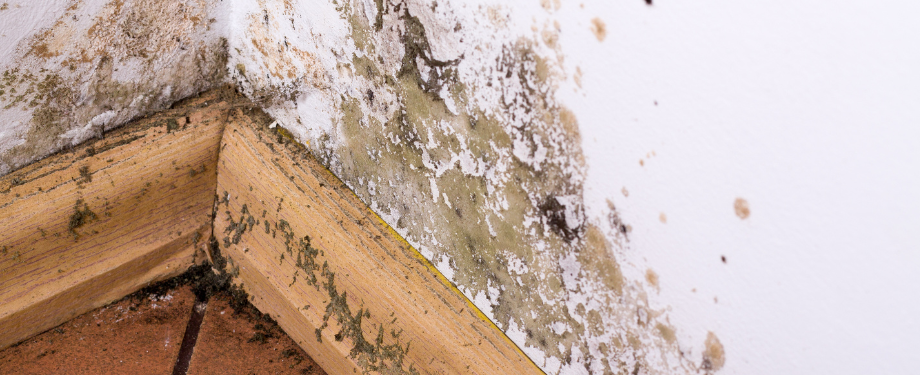



Mold Odor Removal: Proven Ways to Eliminate Musty Smells at Home
A musty odorAn odor is a smell, often detectable by the human nose, whic... More in your home often indicates a moldMold is a type of fungus that grows in damp or humid conditi... More problem. It’s crucial for homeowners to address moldMold is a type of fungus that grows in damp or humid conditi... More infestations promptly to safeguard both the health of residents and the structural integrity of the property. Once the moldMold is a type of fungus that grows in damp or humid conditi... More is removed, follow these steps to eliminate any remaining odors and restore comfortable conditions in your home.
What is Mold?
MoldMold is a type of fungus that grows in damp or humid conditi... More is a naturally occurring fungiFungi are a group of organisms, including mold, mildew, and ... More that’s been around for millions of years. Outdoors, the sporesSpores are microscopic reproductive units of fungi or mold t... More eat away at decaying organic matter, like dead leaves and trees, and it is vital to the natural environment. MoldMold is a type of fungus that grows in damp or humid conditi... More feeds on nutrients, like moisture and an organic food source.
The concern arises when moldMold is a type of fungus that grows in damp or humid conditi... More grows indoors. MoldMold is a type of fungus that grows in damp or humid conditi... More can be brought inside on clothing or when windows are propped open. It also flourishes where water damage occurs. This means the infestations can develop behind walls, under carpets, and beneath leaky water pipes.
12 Shocking Mold Facts Every Homeowner Should Know
- MoldMold is a type of fungus that grows in damp or humid conditi... More can start growing within 24 to 48 hours of water exposure. (Source: EPA)
- Around 70% of homes have some level of moldMold is a type of fungus that grows in damp or humid conditi... More.
- 28% of people have genes that make them more susceptible to mold-related illnesses.
- Indoor moldMold is a type of fungus that grows in damp or humid conditi... More exposure can increase respiratory infections by 50% in people with asthma.
- Approximately 4.6 million cases of asthma in the U.S. are linked to moldMold is a type of fungus that grows in damp or humid conditi... More and damp conditions.
- Prolonged exposure to moldMold is a type of fungus that grows in damp or humid conditi... More can cause chronic sinus infections in 93% of cases.
- Mold remediationMold remediation is the process of identifying, removing, an... More costs range from $1,500 to $6,000, depending on the extent of damage.
- Homes with untreated moldMold is a type of fungus that grows in damp or humid conditi... More can suffer up to a 20% decrease in property value.
- A leaky pipe or roof can create enough moisture for moldMold is a type of fungus that grows in damp or humid conditi... More growth in less than 72 hours.
- Poor indoor air qualityIndoor air quality (IAQ) refers to the condition of the air ... More caused by moldMold is a type of fungus that grows in damp or humid conditi... More contributes to 1.6 million deaths annually worldwide.
- Using a HEPA air purifier can reduce moldMold is a type of fungus that grows in damp or humid conditi... More sporesSpores are microscopic reproductive units of fungi or mold t... More by up to 99.97%.
- Keeping indoor humidityHumidity is the amount of moisture or water vapor present in... More levels below 50% significantly reduces moldMold is a type of fungus that grows in damp or humid conditi... More growth.
Related Read: What is the Lifecycle of Household Mold?
Why Does Mold Smell?
MoldMold is a type of fungus that grows in damp or humid conditi... More produces a distinct musty odorAn odor is a smell, often detectable by the human nose, whic... More due to the release of microbial volatile organic compounds (mVOCs). These compounds are byproducts of mold’s metabolic processes and are responsible for the unpleasant, damp smell often compared to dirty socks, wet wood, or rotting leaves.
What Causes Mold Odors?
MoldMold is a type of fungus that grows in damp or humid conditi... More smells don’t just appear out of nowhere. They are a warning sign of an underlying issue, often linked to moisture and hidden moldMold is a type of fungus that grows in damp or humid conditi... More growth. Here’s why:
- MoldMold is a type of fungus that grows in damp or humid conditi... More Growth & Gas Release – As moldMold is a type of fungus that grows in damp or humid conditi... More colonies expand, they release mVOCs, creating that strong, musty odorAn odor is a smell, often detectable by the human nose, whic... More.
- Excess Moisture – MoldMold is a type of fungus that grows in damp or humid conditi... More thrives in damp places like bathrooms, basements, attics, and crawl spaces, where moisture lingers.
- Hidden Infestations – Sometimes, moldMold is a type of fungus that grows in damp or humid conditi... More grows behind walls, under carpets, or inside HVAC systems, making the smell the first clue that there’s a problem.
Mold Odor Removal: Proven Ways to Eliminate Musty Smells at Home
The key to eliminating the moldy odors is to repairRepair is the act of fixing or restoring damaged property, m... More the moisture source that feeds the moldMold is a type of fungus that grows in damp or humid conditi... More sporesSpores are microscopic reproductive units of fungi or mold t... More and remove the moldMold is a type of fungus that grows in damp or humid conditi... More. Failing to fix the leak or other water source allows the moldMold is a type of fungus that grows in damp or humid conditi... More to continue flourishing and producing the musty smells in the home.
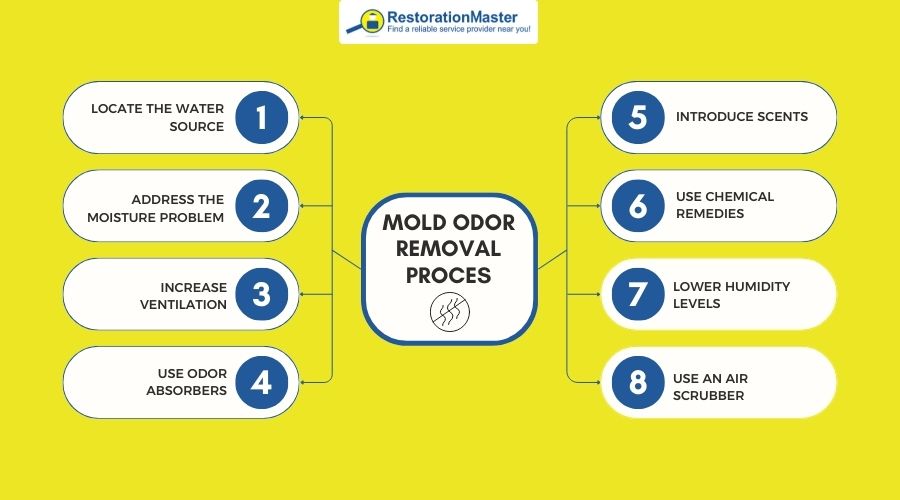
1. Locate the Water Source
Check moisture-prone areas, such as the bathroom, basement, and laundry room. The hamper and gym bag may be stuffed with wet clothes, which can trigger moldMold is a type of fungus that grows in damp or humid conditi... More and its lingering smells. Examine the plumbing, attic, and crawlspace for leaks. A moisture meterA moisture meter is a device used to measure the moisture le... More reveals areas with excessive humidity levels.
2. Address the Moisture Problem
If the gym bag harbors damp clothing, wash the clothing and the bag. Fix any leaks in the attic or water pipes. Remove moldy upholstery, carpets and clean them to remove the unpleasant smells. Use a dry-cleaning service to launder non-washable items responsible for the moldy odors.
3. Increase Ventilation
Once the source of the moldMold is a type of fungus that grows in damp or humid conditi... More is removed or repaired, increase the air circulation in the vicinity. Open windows, if weather permits, to introduce fresh air. Run several fans in the area to eliminate stagnant air. Consider using air purifiers with HEPA filters to remove airborne moldMold is a type of fungus that grows in damp or humid conditi... More sporesSpores are microscopic reproductive units of fungi or mold t... More.
4. Use Odor Absorbers
If the musty odors linger despite removing the source of moldMold is a type of fungus that grows in damp or humid conditi... More, a commercial odorAn odor is a smell, often detectable by the human nose, whic... More absorber may be used. Hang them in areas with limited air circulation. Natural remedies to neutralize moldMold is a type of fungus that grows in damp or humid conditi... More smells include placing bowls of baking soda, coffee grounds, or activated charcoal throughout the affected spaces.
Household staples like these absorb smells over time. Leave the bowls of baking soda or kitty litter in place for several days or weeks, replenishing as necessary. Or sprinkle baking soda on moldy surfaces, such as the furniture and carpets, for equally powerful odorAn odor is a smell, often detectable by the human nose, whic... More neutralization.
Vinegar is another natural odorAn odor is a smell, often detectable by the human nose, whic... More absorber that can be used in place of the abovementioned items. Place bowls of vinegar throughout the moldy areas. Alternately, spray the affected items with vinegar, allow it to sit for several hours, and wipe them down with a clean cloth.
5. Introduce Scents
Introduce refreshing scents into the home by simmering citrus peel in water. Or mix water and a few drops of essential oils with antifungal properties, like tea tree oil, eucalyptus, or lavender, and spray onto affected areas. Similarly, spray a combo of lemon juice and water to remove moldy smells.
6. Use Chemical Remedies
Hydrogen peroxide, found in many homes, effectively eliminates moldMold is a type of fungus that grows in damp or humid conditi... More odors. Apply the 3% hydrogen peroxide to the moldy spots, allow it to penetrate for 10 minutes, and scrub clean. Practice safety when handling chemicals; wear gloves to protect the skin and a mask to prevent inhaling fumes.
7. Lower Humidity Levels
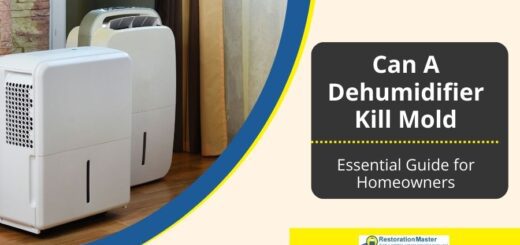
Excess humidityHumidity is the amount of moisture or water vapor present in... More worsens existing moldMold is a type of fungus that grows in damp or humid conditi... More odors. Lower the levels of indoor humidityHumidity is the amount of moisture or water vapor present in... More by running a dehumidifierA dehumidifier is a device that removes excess moisture from... More. The ideal humidityHumidity is the amount of moisture or water vapor present in... More level is between 30 and 60 percent. Seal any leaks contributing to the high humidityHumidity is the amount of moisture or water vapor present in... More. Promote good ventilationVentilation is the process of exchanging or circulating air ... More to control humidityHumidity is the amount of moisture or water vapor present in... More levels, too.
8. Use an Air Scrubber
Whether purchased or rented, an air scrubber effectively eliminates not only moldMold is a type of fungus that grows in damp or humid conditi... More but its accompanying smells. The equipment utilizes UV light and HEPA filters to remove moldMold is a type of fungus that grows in damp or humid conditi... More as well as particles and odors in the air. Homeowners can alternately hire moldMold is a type of fungus that grows in damp or humid conditi... More cleanup professionals who use air scrubbers.
Professional Mold Remediation
While moldMold is a type of fungus that grows in damp or humid conditi... More is often visible, there are times when you can only notice it through the musty odorAn odor is a smell, often detectable by the human nose, whic... More or a damp feeling in the air. If you suspect moldMold is a type of fungus that grows in damp or humid conditi... More but can’t find the source, it’s important to have mold testing or an inspectionInspection is the careful examination and assessment of a pr... More done to confirm its presence. Once it’s identified, experts can pinpoint exactly where the moldMold is a type of fungus that grows in damp or humid conditi... More is hiding, whether it’s behind walls, under floors, or in your HVAC system.
When mold remediation specialists arrive, they’ll use advanced equipment to detect even the hidden moldMold is a type of fungus that grows in damp or humid conditi... More growth. They’ll determine the type of moldMold is a type of fungus that grows in damp or humid conditi... More, which helps them create a specific plan for removal.
To prevent the spread of moldMold is a type of fungus that grows in damp or humid conditi... More sporesSpores are microscopic reproductive units of fungi or mold t... More, the affected area will be sealed off before any work begins. The experts then use high-tech equipment to carefully remove the moldMold is a type of fungus that grows in damp or humid conditi... More and the odors it leaves behind. Once the moldMold is a type of fungus that grows in damp or humid conditi... More is gone, the air quality is tested to ensure it’s safe to breathe again.
Whether it’s toxic black moldMold is a type of fungus that grows in damp or humid conditi... More or moldMold is a type of fungus that grows in damp or humid conditi... More from severe water damage or sewageSewage is wastewater containing biological and chemical cont... More issues, trained restoration professionals know how to tackle any moldMold is a type of fungus that grows in damp or humid conditi... More problem. With the right tools and expertise, they’ll handle the cleanup and leave your home safe and healthy.
Frequently Asked Questions
Can mold odors return after cleaning?
Yes, moldMold is a type of fungus that grows in damp or humid conditi... More odors can come back if the moisture problem isn’t properly dealt with. If leaks aren’t fixed or ventilationVentilation is the process of exchanging or circulating air ... More is poor, moldMold is a type of fungus that grows in damp or humid conditi... More can start growing again, bringing the musty smell back. To keep this from happening, make sure to repairRepair is the act of fixing or restoring damaged property, m... More any leaks and keep humidityHumidity is the amount of moisture or water vapor present in... More levels in your home below 50%. This helps stop moldMold is a type of fungus that grows in damp or humid conditi... More from returning and keeps your home fresh.
How can I prevent mold from growing again?
To prevent moldMold is a type of fungus that grows in damp or humid conditi... More from regrowing:
- Fix leaks in roofs, pipes, or windows immediately.
- Use a dehumidifierA dehumidifier is a device that removes excess moisture from... More to keep indoor humidityHumidity is the amount of moisture or water vapor present in... More below 50%.
- Improve ventilationVentilation is the process of exchanging or circulating air ... More in damp areas like bathrooms and basements. Consider installing exhaust fans.
- Regularly clean areas prone to moisture buildup, such as bathrooms, kitchens, and basements, with mold-inhibiting cleaning products.
- Use mold-resistant paint on walls in high-moisture areas to provide additional protection.

About Vince Sandri
Vince Sandri is a content writer and blogger with more than 12 years of experience. His expertise is in creating content related to disaster restorationRestoration is the process of returning a property to its pr... More, including information about preventing and reacting to natural disasters like floodingFlooding is the overflow or accumulation of water in areas t... More, water damage, fire and smoke damage, moldMold is a type of fungus that grows in damp or humid conditi... More growth, storm damage and more.
Vince has been the main contributor to RestorationMasterFinder.com since 2014. Over that time, he has written numerous service pages and blogs for disaster restorationRestoration is the process of returning a property to its pr... More providers featured on RestorationMasterFinder.com. Vince has done extensive research and covered a wide range of topics relating to disaster restorationRestoration is the process of returning a property to its pr... More to help homeowners, business owners, and property managers better protect their property. He understands the problems that disasters like floodingFlooding is the overflow or accumulation of water in areas t... More, fire, smoke, and moldMold is a type of fungus that grows in damp or humid conditi... More can cause as well as the best ways to respond to these issues to limit the damage.
Vince completed his Bachelor of Arts degree at Aurora University and his master’s degree at DePaul University. He has been writing SEO website pages, blogs, and press releases since 2012. Vince is also a musician and can be seen playing in the Chicago, IL area.