






How to Prevent Mold Growth in Humid Climates
It is true that moldMold is a type of fungus that grows in damp or humid conditi... More can occur anywhere, but humid climates provide the optimal conditions for the fungiFungi are a group of organisms, including mold, mildew, and ... More to grow and thrive:
- The frequent precipitation and high air humidityHumidity is the amount of moisture or water vapor present in... More typical of wet climates produce large amounts of moisture – the main prerequisite for moldMold is a type of fungus that grows in damp or humid conditi... More growth;
- The temperatures in humid climates are usually high throughout most of the year and contribute to the quick reproduction of moldMold is a type of fungus that grows in damp or humid conditi... More sporesSpores are microscopic reproductive units of fungi or mold t... More.

Humid climates provide the perfect conditions for moldMold is a type of fungus that grows in damp or humid conditi... More to thrive.
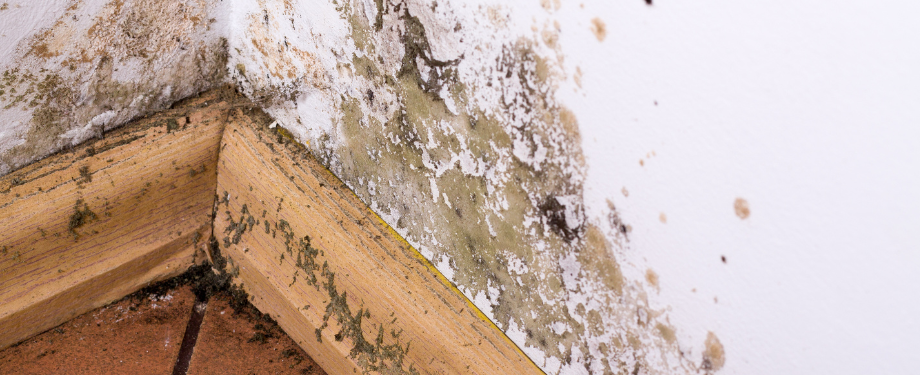
The excessive moisture combined with the right temperatures allows for extensive mold growth and causes great troubles – moldMold is a type of fungus that grows in damp or humid conditi... More damage to personal property, health problems and allergic reactions triggered by moldMold is a type of fungus that grows in damp or humid conditi... More exposure, etc. Getting rid of the moldMold is a type of fungus that grows in damp or humid conditi... More is very difficult in wet climate areas, as the right conditions for its development remain present, and mold remediation is extremely laborious and time-consuming. The only good solutionA solution is a homogeneous mixture of two or more substance... More under these circumstances is to find an efficient way to prevent moldMold is a type of fungus that grows in damp or humid conditi... More growth in the first place.
MoldMold is a type of fungus that grows in damp or humid conditi... More preventionPrevention refers to actions taken to reduce the likelihood ... More in humid climates, however, is quite the challenge. You need to take certain specific measures in order to thwart moldMold is a type of fungus that grows in damp or humid conditi... More growth in such a moist environment.
How to Prevent Mold in Your Home
You can neither prevent moldMold is a type of fungus that grows in damp or humid conditi... More sporesSpores are microscopic reproductive units of fungi or mold t... More from entering your home (they exist everywhere in the outdoor environment and can easily get inside through open doors and windows, air ducts and vents, or even attached to clothes, shoes, and bags), nor deprive moldMold is a type of fungus that grows in damp or humid conditi... More of its “food” (the harmful microorganisms feed on organic materialsOrganic materials are derived from living organisms, such as... More, such as wood, carpet, paper, insulationInsulation is a material used in buildings to reduce the tra... More, paint, plasterboard, fabrics, cotton, leather, furniture, and even dust that are found in abundance in the home). Your only option is to make sure the ambient conditions in your house are not right for moldMold is a type of fungus that grows in damp or humid conditi... More to grow:
-
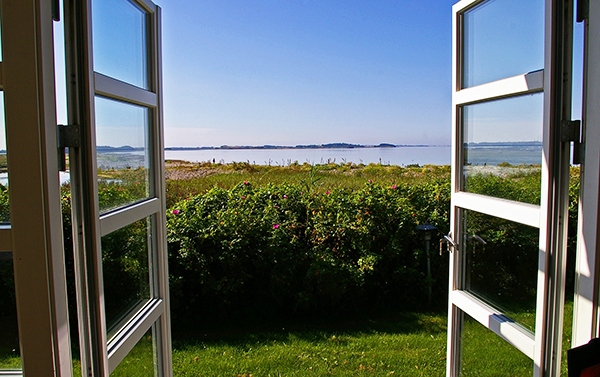
Welcome fresh air in your home.
Ensure proper ventilationVentilation is the process of exchanging or circulating air ... More. Stale air provides perfect breeding and development conditions for the delicate moldMold is a type of fungus that grows in damp or humid conditi... More sporesSpores are microscopic reproductive units of fungi or mold t... More – they can take roots, grow, and reproduce, completely undisturbed. To prevent such “untroubled development”, you need to allow plenty of fresh air inside and ensure good air circulation within your home – keep the windows open on sunny days, open doors between rooms, open drawers and closet doors, reduce clutter and move furniture away from walls to improve the airflow in your house, keep air ducts clean and in good condition, run exhaust fans in bathrooms and kitchens where steam and moisture can build up as a result of common everyday activities, etc. Make sure all areas of your house are properly ventilated and free of musty odors (especially confined and/or dark spaces);
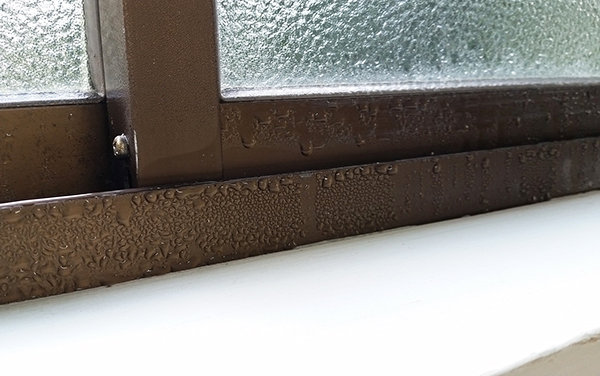
- Take care of condensation. MoldMold is a type of fungus that grows in damp or humid conditi... More thrives on surfaces with condensation, such as windows, metal pipes, and concrete walls. To reduce condensation in your home, you need to keep the indoor temperature higher and the relative humidityRelative humidity (RH) is the percentage of moisture in the ... More in the house lower. Installing appropriate insulationInsulation is a material used in buildings to reduce the tra... More is the way to go here – have in mind though that in addition to ceilings, walls, and other structural elements of the home, it’s advisable to insulate the surfaces that are most prone to forming condensation as well. If you notice condensation, make sure you dry the surface immediately;
-
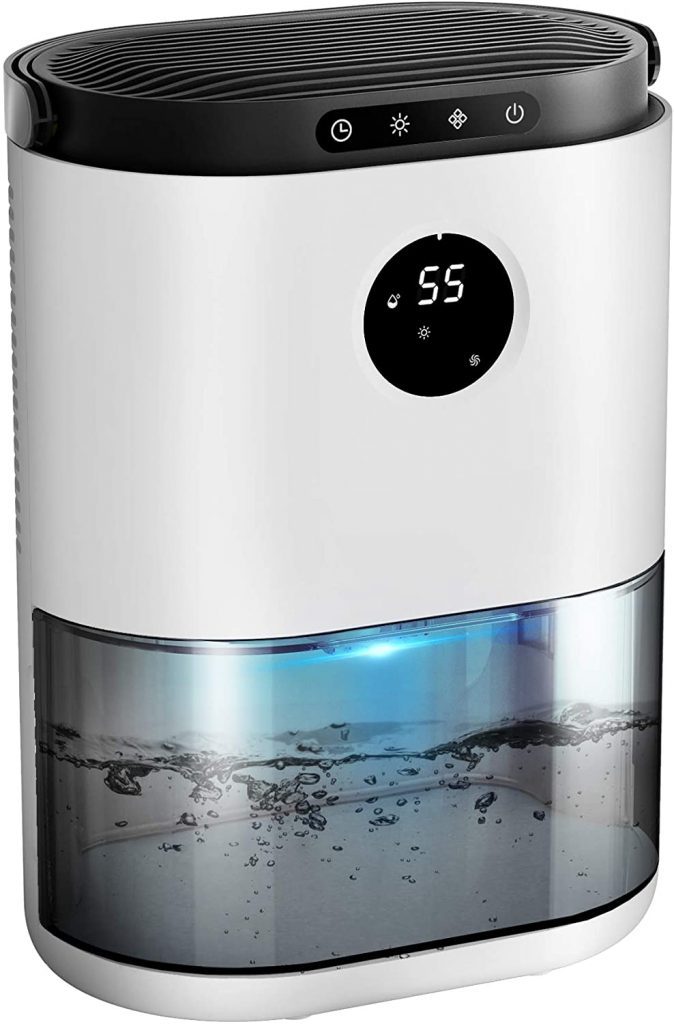
Portable Small DehumidifierA dehumidifier is a device that removes excess moisture from... More for Basements, Bathroom, Garage – Shop Now on Amazon.com
Use air conditioners and dehumidifiers to control your indoor climate and keep air humidityHumidity is the amount of moisture or water vapor present in... More low (see below for more details on how to control humidityHumidity is the amount of moisture or water vapor present in... More in home);
- Use mold-resistant products and materials in your home. When living in a humid climate, it’s advisable to equip your home with mold-resistant materials – plastic, metal or glass household items and surfaces (instead of wooden ones), tile or laminate floors (instead of carpeted ones), moisture-resistant drywall in which the gypsum core is covered in fiberglass so that the surface becomes impervious to water (instead of traditional drywall in which the core is pressed between plies of paper), paint that contains mildewcides (chemicals that effectively inhibit moldMold is a type of fungus that grows in damp or humid conditi... More growth), etc.;
- Clean, dust, and disinfect household surfaces. Frequent cleaning helps remove the moldMold is a type of fungus that grows in damp or humid conditi... More sporesSpores are microscopic reproductive units of fungi or mold t... More from household surfaces and considerably reduces the dirt and grime (excellent sources of organic food for the harmful fungiFungi are a group of organisms, including mold, mildew, and ... More) in the home. Therefore, you are strongly recommended to wash and disinfect plastic, metal, glass, stone, tile and other hard surfaces in your home on a regular basis and dry them well immediately after cleaning. Also, make sure you dust and vacuum often (preferably with a vacuum cleaner equipped with a HEPA filter) to prevent the accumulation of dust and dirt on your furniture, carpets, draperies, etc. It has been found that about 80% of household moldMold is a type of fungus that grows in damp or humid conditi... More grows on dust. Consider having the carpets and upholstery in your home professionally cleaned once or twice a year;
- Inspect your property at regular intervals and immediately after violent storms, torrential rains, snow meltdown, etc. to detect eventual moldMold is a type of fungus that grows in damp or humid conditi... More growth in its early stages and prevent it from spreading further into your home;
- Remove already affected materials to prevent moldMold is a type of fungus that grows in damp or humid conditi... More sporesSpores are microscopic reproductive units of fungi or mold t... More from contaminating other items.
However practical and adequate these measures may be though, they will not have a substantial effect if there is enough moisture in your home to allow moldMold is a type of fungus that grows in damp or humid conditi... More growth. The only way to efficiently prevent mold in the house is to control the humidityHumidity is the amount of moisture or water vapor present in... More in the indoor environment.
How to Control Humidity
Humidity control seems easy to achieve with the help of highly advanced technology – we can use AC units, dehumidifiers, and various other hi-tech devices that have been specifically designed to control indoor climate and maintain optimal temperatures and humidityHumidity is the amount of moisture or water vapor present in... More levels within the home. Controlling humidityHumidity is the amount of moisture or water vapor present in... More in wet climates, however, poses a number of specific challenges – you can’t just open the windows to improve airflow in the home, for example (when outside humidityHumidity is the amount of moisture or water vapor present in... More levels are high, letting outdoor air into your house will increase the indoor humidityHumidity is the amount of moisture or water vapor present in... More)
.
So, how can you control moisture and prevent moldMold is a type of fungus that grows in damp or humid conditi... More growth in humid climates?
1) Ensure proper air conditioning:
-
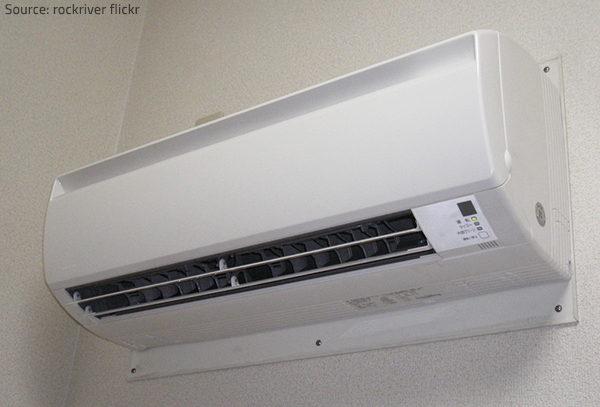
Proper air conditioning can help you control the humidityHumidity is the amount of moisture or water vapor present in... More in your home.
Use quality AC units properly sized for your house. If your air-conditioning unit is too small, it will run constantly without achieving the desired effect; if it is too big, it will start and stop frequently which will make it difficult to maintain constant temperature and humidityHumidity is the amount of moisture or water vapor present in... More levels;
- Set your air conditioner to about 70 degrees Fahrenheit during the hot summer months and keep your home warm in cool weather;
- Set the AC fan mode to “auto”, not to “on”. When the fan is set to “on”, it runs continuously and does not allow enough time for the moisture that condenses onto the evaporator coil during the cooling cycle to drain off – it is re-evaporated and blown back into the house, increasing the humidityHumidity is the amount of moisture or water vapor present in... More level;
- Close windows and doors when your AC unit is running. If the doors and windows are open, warm, humid outdoor air will enter your cooler home and cause condensation;
- Maintain your air conditioner in excellent condition to make sure it works effectively. Clean and replace the filters every month during the summer, inspect the condensate drain pipe to make sure it’s dripping regularly (otherwise water may be accumulating inside the unit or on the floor), call a service professional at least once a year for more complex maintenanceMaintenance is the routine care, inspection, and repair of a... More, such as cleaning the coils, etc.
2) Use dehumidifiers to keep the humidityHumidity is the amount of moisture or water vapor present in... More level in your home below 50%.
3) Do not let wet items stay inside:
- Dry washed clothes outside or use a clothes dryer (never hang clothes to dry inside). Make sure they are completely dry before putting them away in drawers and closets;
- Do not leave wet towels or other wet items lying around in your home;
- Take wet shoes off at the door and clean pets’ paws after walks to prevent water and mud from being tracked into your house;
- Thoroughly dry your items before storing them inside, especially if they won’t be used for prolonged periods of time;
- Add some Taheebo tea or other appropriate anti-mold products to the water you give to your indoor plants to hinder moldMold is a type of fungus that grows in damp or humid conditi... More growth in plant soil (moist soil is an ideal breeding ground for moldMold is a type of fungus that grows in damp or humid conditi... More);
- Remove standing water (such as puddles around sump pumps or hot water tanks) and dry wet areas within your home as soon as possible;
- Vent appliances that produce moisture (such as clothes dryers, stoves, etc.) to the outside.
4) Prevent water from entering your property:
-
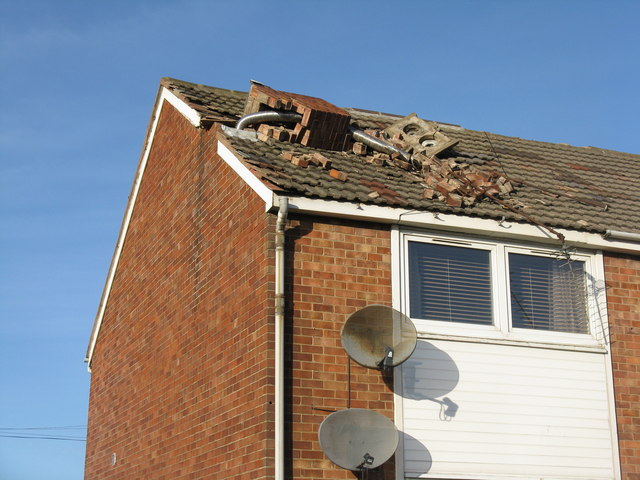
- Keep your property in good repairRepair is the act of fixing or restoring damaged property, m... More – Inspect the roof and the chimney on a regular basis and make any necessary repairs without delay, repairRepair is the act of fixing or restoring damaged property, m... More foundation cracks, fix plumbing leaks, etc.;
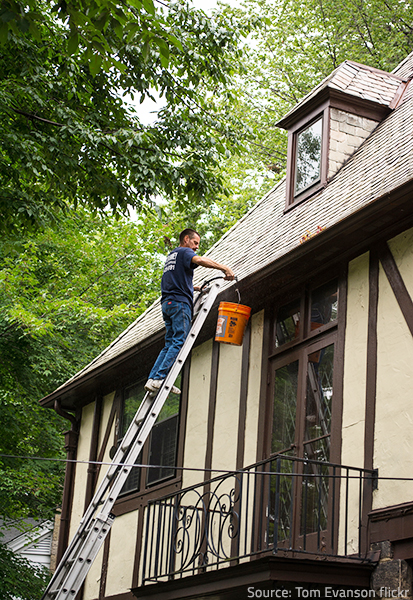
The better waterproofed your home is, the less likely you’re to deal with moldMold is a type of fungus that grows in damp or humid conditi... More problems.
- Keep the gutters clean – Replace damaged or rusty gutters and drainpipes in due time and make sure they are free of leaves and other debris to ensure proper water drainage;
- Direct water away from your home. Make sure the grading around your house slopes away from the foundation – otherwise water may collect there and seep into your crawlspace or basement;
- Cover crawl space floors with plastic coverings to prevent groundwaterGroundwater is water that exists beneath the earth’s surfa... More from seeping inside;
- Leak-proof doors and windows to prevent water seepageSeepage is the slow movement of water or other fluids throug... More into your home during storms and torrential rains.
Controlling humidityHumidity is the amount of moisture or water vapor present in... More in your home may not be very easy but it will help prevent moldMold is a type of fungus that grows in damp or humid conditi... More growth and any ensuing moldMold is a type of fungus that grows in damp or humid conditi... More problems – moldMold is a type of fungus that grows in damp or humid conditi... More allergies, moldMold is a type of fungus that grows in damp or humid conditi... More damage to your property, expensive and time-consuming mold remediation, etc. Your efforts will be rewarded with a healthy, mold-free living environment. It’s worth it.

About Vince Sandri
Vince Sandri is a content writer and blogger with more than 12 years of experience. His expertise is in creating content related to disaster restorationRestoration is the process of returning a property to its pr... More, including information about preventing and reacting to natural disasters like floodingFlooding is the overflow or accumulation of water in areas t... More, water damage, fire and smoke damage, moldMold is a type of fungus that grows in damp or humid conditi... More growth, storm damage and more.
Vince has been the main contributor to RestorationMasterFinder.com since 2014. Over that time, he has written numerous service pages and blogs for disaster restorationRestoration is the process of returning a property to its pr... More providers featured on RestorationMasterFinder.com. Vince has done extensive research and covered a wide range of topics relating to disaster restorationRestoration is the process of returning a property to its pr... More to help homeowners, business owners, and property managers better protect their property. He understands the problems that disasters like floodingFlooding is the overflow or accumulation of water in areas t... More, fire, smoke, and moldMold is a type of fungus that grows in damp or humid conditi... More can cause as well as the best ways to respond to these issues to limit the damage.
Vince completed his Bachelor of Arts degree at Aurora University and his master’s degree at DePaul University. He has been writing SEO website pages, blogs, and press releases since 2012. Vince is also a musician and can be seen playing in the Chicago, IL area.