

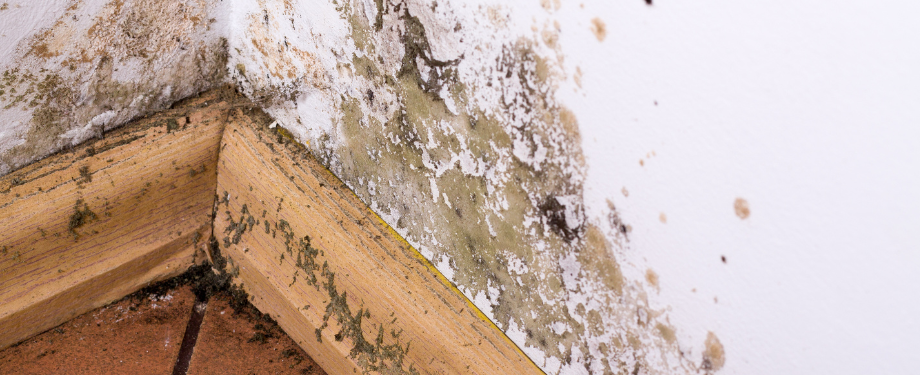


What Are the Levels of Mold Damage?
Most people are well aware that moldMold is a type of fungus that grows in damp or humid conditi... More growth in the home is a dangerous condition that can easily result in extensive structural damage and various health hazards. It is also well known that the only way to prevent such troubles is to take quick and efficient measures at the first signs of a moldMold is a type of fungus that grows in damp or humid conditi... More problem in the house.
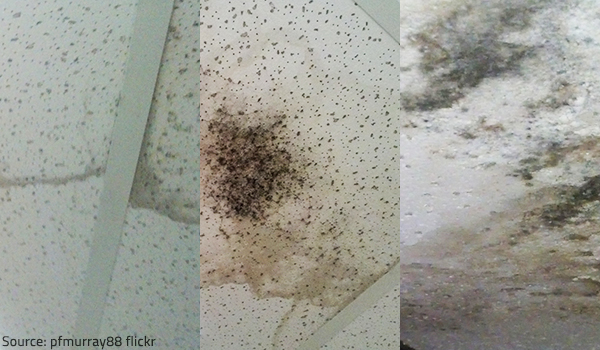
How serious is the moldMold is a type of fungus that grows in damp or humid conditi... More problem in your home?
What the majority of people don’t know, however, is how to determine the extent of the damage and decide whether professional help is necessary or not. In some cases – when the contaminated area is small and the affected materials are easy to clean – the homeowner may be able to take care of the problem on their own. In others, professional mold removal and remediation is the only viable option.
If you’re dealing with moldMold is a type of fungus that grows in damp or humid conditi... More contaminationContamination is the presence of harmful or unwanted substan... More in your home, you may not be sure how severe the problem is and what cleanup and remediation measures to take. The comprehensive guide below will help you understand the difference between the various levels of moldMold is a type of fungus that grows in damp or humid conditi... More damage and decide on the best course of action in each particular case.
Mold Levels in House
The different stages of moldMold is a type of fungus that grows in damp or humid conditi... More damage are usually divided into five levels. Level one is the level with the least contaminationContamination is the presence of harmful or unwanted substan... More and level four is the one with the greatest degree of contaminationContamination is the presence of harmful or unwanted substan... More. Level five refers to moldMold is a type of fungus that grows in damp or humid conditi... More growth in the HVAC system.
Mold Damage Level 1: 10 Square Feet or Less
When the contaminated area is restricted to under 10 sq. ft., the moldMold is a type of fungus that grows in damp or humid conditi... More problem is unlikely to be caused by structural or HVAC issues. It is categorized as level 1 and is fairly easy to fix. The moldMold is a type of fungus that grows in damp or humid conditi... More sporesSpores are microscopic reproductive units of fungi or mold t... More are usually found on ceiling tiles, baseboards, and/or wall panels exposed to high humidityHumidity is the amount of moisture or water vapor present in... More or temperature fluctuations. The moldMold is a type of fungus that grows in damp or humid conditi... More can be easily removed and the affected surfaces – effectively cleaned without professional help.
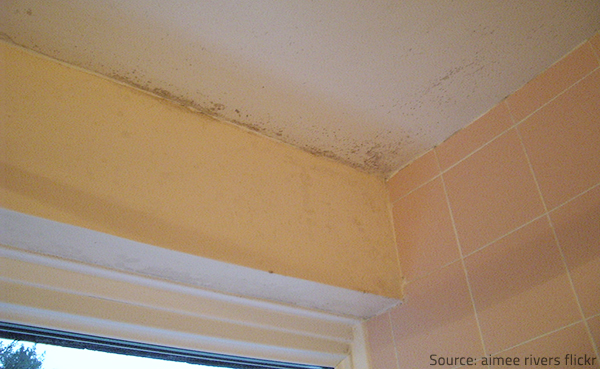
When addressed quickly and properly, level one moldMold is a type of fungus that grows in damp or humid conditi... More is unlikely to cause any serious troubles.
All you need to do if you find moldMold is a type of fungus that grows in damp or humid conditi... More contaminationContamination is the presence of harmful or unwanted substan... More at level 1 in your home is run a wire brush over the moldy surfaces (immediately followed by disposable wipes), then clean the area with a cloth dipped in a detergent solutionA solution is a homogeneous mixture of two or more substance... More. Alternatively, you can spray the surfaces with vinegar or use a fungicide spray. Dry the cleaned surfaces thoroughly and keep the area well ventilated. This simple moldMold is a type of fungus that grows in damp or humid conditi... More removal technique works well for wood surfaces and non-porous materials, such as tile, glass, and metal.
There are, however, a few important precautionary steps to take:
- Do not attempt DIY moldMold is a type of fungus that grows in damp or humid conditi... More cleanup if you suffer from asthma or immune disorders, or if you have allergies;
- Wear personal protection gear – rubber gloves, goggles, and a disposable respirator;
- Keep children, elderly people, and people with chronic lung diseases or compromised immune systems away from the work area;
- Clean any affected items and household surfaces with uttermost care. Use appropriate cleaning products and make sure the items are fully dry before putting them back to use;
- Dispose of contaminated items and materials that cannot be properly cleaned (porousPorous describes a material that contains small openings or ... More materials, such as carpeting and ceiling tiles) in sealed plastic bags to prevent the moldMold is a type of fungus that grows in damp or humid conditi... More sporesSpores are microscopic reproductive units of fungi or mold t... More from spreading to other parts of the home;
- Ensure proper ventilationVentilation is the process of exchanging or circulating air ... More and wait until the area is completely dry before resuming any activities in it.
Mold Damage Level 2: 10 to 30 Square Feet
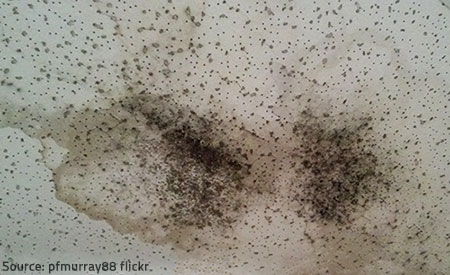
Level two moldMold is a type of fungus that grows in damp or humid conditi... More is still manageable without professional assistance.
Level 2 moldMold is a type of fungus that grows in damp or humid conditi... More damage refers to contaminated areas of 10 to 30 sq. ft. The larger amount of moldMold is a type of fungus that grows in damp or humid conditi... More may be indicating an underlying problem in the plumbing or air conditioning systems, but this is not always the case. If entire wallboard panels are contaminated, however, a careful inspectionInspection is the careful examination and assessment of a pr... More of the building is strongly recommended.
If you’re dealing with level 2 mold damage in your home, you have a good chance to fix the problem on your own. Just don’t forget to take all the precautions described above and make sure you:
- Find the source of the excessive moisture and take the necessary measures to prevent moldMold is a type of fungus that grows in damp or humid conditi... More growth in the future;
- Cover any unsalvageableUnsalvageable items or materials are too damaged, contaminat... More moldy materials with plastic sheets and seal them tightly with tape before taking them out of your home. This will help contain dust and debris and will prevent moldMold is a type of fungus that grows in damp or humid conditi... More infestation in other parts of the house;
- When you’re done, vacuum the entire work area with a vacuum cleaner equipped with a HEPA filter, then wipe down all hard surfaces with a cloth or a mop dipped in a detergent solutionA solution is a homogeneous mixture of two or more substance... More.
MoldMold is a type of fungus that grows in damp or humid conditi... More levels one and two are not considered to be dangerous. They do not pose a serious threat to the health of the residents or the structural integrity of the building. Even though level 2 warrants a deeper look and may quickly turn into level 3, both of the first two levels are manageable without professional help – areas of moldMold is a type of fungus that grows in damp or humid conditi... More contaminationContamination is the presence of harmful or unwanted substan... More smaller than 30 sq. ft. do not require expert mold inspection, testing, and remediation services.
Mold Damage Level 3: 30 to 100 Square Feet
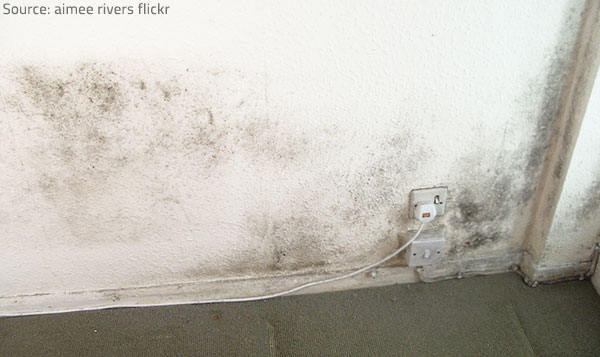
MoldMold is a type of fungus that grows in damp or humid conditi... More level three usually indicates an underlying problem in the plumbing or air conditioning system.
Large areas of moldMold is a type of fungus that grows in damp or humid conditi... More growth (more than 30 sq. ft.) indicate a significant problem that requires immediate action. If several wallboard panels, ceiling tiles, or other large surfaces are contaminated, the remediation efforts must start as soon as possible. The first step is to have the building professionally tested for moldMold is a type of fungus that grows in damp or humid conditi... More (mold inspection will help define the extent of the damage and the scope of the required moldMold is a type of fungus that grows in damp or humid conditi... More cleanup). Then, it is advisable to consult an experienced moldMold is a type of fungus that grows in damp or humid conditi... More specialist about the best course of action.
If you have level 3 moldMold is a type of fungus that grows in damp or humid conditi... More damage in your home, you should seriously consider hiring a professional remediation companyA remediation company is a business specializing in cleaning... More to take care of the problem. If you prefer to attempt DIY mold removal, you need to take the same precautionary measures as for level two moldMold is a type of fungus that grows in damp or humid conditi... More contaminationContamination is the presence of harmful or unwanted substan... More and:
- Make sure you seal all the areas of the home adjacent to the infected area with plastic sheeting;
- Tape plastic sheeting over any ventilationVentilation is the process of exchanging or circulating air ... More grills and air ducts in the work area to prevent contaminating the HVAC system;
- Do not allow anyone into the infected area until the work is completed. Keep young children, seniors, people with chronic lung diseases, individuals recovering from recent surgery, and anyone with a suppressed immune system away not only from the contaminated area, but also from all other directly adjacent areas of the home.
Mold Damage Level 4: 100 Square Feet or More
Level 4 contaminationContamination is the presence of harmful or unwanted substan... More (over 100 sq. ft.) poses serious health and safety risks and requires professional remediation. Everyone working on the moldMold is a type of fungus that grows in damp or humid conditi... More removal task must be trained in handling hazardous materials and has to wear face respirators with HEPA cartridges and disposable protective clothing. The mold remediationMold remediation is the process of identifying, removing, an... More experts will:
- Isolate the contaminated area from the rest of the home with sealed plastic sheeting over doorways, air ducts, and other openings;
- Perform all the necessary moldMold is a type of fungus that grows in damp or humid conditi... More removal and remediation procedures, as well as any required or desirable repairs;
- Thoroughly clean the area and restore any salvageable items and household surfaces to an excellent condition;
- Set up a decontamination chamber to remove disposable clothing after the work is completed and sanitize the outside of sealed bags containing contaminated materials before taking them away from the property;
- Use air filtration machines with HEPA filters to purify the air and monitor indoor air qualityIndoor air quality (IAQ) refers to the condition of the air ... More to determine when it is safe for the residents to move back in.
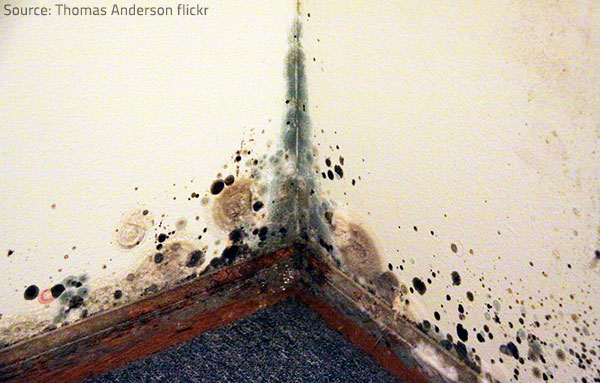
MoldMold is a type of fungus that grows in damp or humid conditi... More damage level 4 requires professional remediation.
Level 4 mold remediationMold remediation is the process of identifying, removing, an... More is a laborious and time-consuming process that should not be left in the hands of inexperienced people. Make sure you hire highly qualified, properly licensed, and fully reliable mold remediation specialists to take care of the moldMold is a type of fungus that grows in damp or humid conditi... More problem in your home.
Good to remember: Once your home is free of moldMold is a type of fungus that grows in damp or humid conditi... More, take every possible measure to prevent its growth in the future and avoid similar troubles.
Mold Damage Level 5: HVAC System Contamination
All remediation procedures for air conditioning units and HVAC systems should be left to the professionals. The following precautions should be taken during the remediation work (in addition to the safety measures for all previous levels):
- The HVAC system must be shut down;
- Contaminated insulationInsulation is a material used in buildings to reduce the tra... More must be removed and sealed in plastic bags, then properly disposed of;
- Biocide products (specialized antimicrobial agents) should be used with HVAC components, such as cooling coils and condensation pans, to kill inaccessible moldMold is a type of fungus that grows in damp or humid conditi... More sporesSpores are microscopic reproductive units of fungi or mold t... More inside the ductwork and prevent moldMold is a type of fungus that grows in damp or humid conditi... More growth in the future.
Good to remember: Any moldMold is a type of fungus that grows in damp or humid conditi... More growth in your HVAC system should be removed by a professional, no matter how large or small the area is.
How to Check Mold Levels in House
The earlier you become aware of a moldMold is a type of fungus that grows in damp or humid conditi... More problem in your home, the easier it will be to take care of it. Therefore, it’s very important to learn how to detect moldMold is a type of fungus that grows in damp or humid conditi... More in its earliest stages and how to test moldMold is a type of fungus that grows in damp or humid conditi... More levels in your home, so that you know what measures to take in order to get rid of the harmful microorganisms and prevent further troubles.
Step 1. Watch out for the first signs of moldMold is a type of fungus that grows in damp or humid conditi... More growth in your home – musty smell, cracked or blistering paint, bulging of the walls, cracked or loose tiles, a softer, spongy feel of the floor or walls, inexplicable allergic reactions among members of your household, etc.
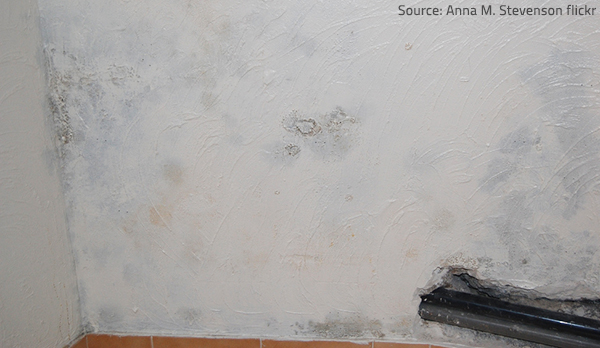
This looks like bad news.
Step 2. Check for visible moldMold is a type of fungus that grows in damp or humid conditi... More – inspect the areas in your home where moldMold is a type of fungus that grows in damp or humid conditi... More is most likely to grow – the basement, shower curtains, ceiling corners, around windows, under sinks, any places recently exposed to excessive water, etc.
Step 3. Collect moldMold is a type of fungus that grows in damp or humid conditi... More samples – use a moldMold is a type of fungus that grows in damp or humid conditi... More test kit (in-home testing kits come with appropriate instruments and detailed instructions) to:
- take samples of the air in your home to identify the concentration of moldMold is a type of fungus that grows in damp or humid conditi... More sporesSpores are microscopic reproductive units of fungi or mold t... More in your indoor environment; or
- take samples from different household surfaces to find the amount of moldMold is a type of fungus that grows in damp or humid conditi... More growth on household materials.
Then, submit the sampling to a local moldMold is a type of fungus that grows in damp or humid conditi... More testing laboratory for examination and analysis. Keep in mind, though, that the results are not very reliable because the amount of moldMold is a type of fungus that grows in damp or humid conditi... More sporesSpores are microscopic reproductive units of fungi or mold t... More in the air can change drastically in a small amount of time and moldMold is a type of fungus that grows in damp or humid conditi... More growth isn’t spread evenly across all surfaces in the home.
Step 4. Have your home professionally tested for moldMold is a type of fungus that grows in damp or humid conditi... More – if you suspect a more serious moldMold is a type of fungus that grows in damp or humid conditi... More problem, you’re advised to hire a professional mold inspector to test your home. The experts have specialized equipment and extensive experience in collecting and analyzing moldMold is a type of fungus that grows in damp or humid conditi... More samples which guarantees that the results will be full and accurate – you will know the exact amount of moldMold is a type of fungus that grows in damp or humid conditi... More sporesSpores are microscopic reproductive units of fungi or mold t... More (living, dormant, and dead) in your living space, as well as what species of moldMold is a type of fungus that grows in damp or humid conditi... More are present in your home. Then, you’ll be able to determine what measures will be required to get rid of the moldMold is a type of fungus that grows in damp or humid conditi... More and restore the safe and healthy living conditions in your home.
Mold testing will not only tell you if you have a moldMold is a type of fungus that grows in damp or humid conditi... More problem in your house, but will also help you identify the extent of the damage (the moldMold is a type of fungus that grows in damp or humid conditi... More level) and decide whether you can cope on your own or need professional moldMold is a type of fungus that grows in damp or humid conditi... More removal and remediation services.

About Vince Sandri
Vince Sandri is a content writer and blogger with more than 12 years of experience. His expertise is in creating content related to disaster restorationRestoration is the process of returning a property to its pr... More, including information about preventing and reacting to natural disasters like floodingFlooding is the overflow or accumulation of water in areas t... More, water damage, fire and smoke damage, moldMold is a type of fungus that grows in damp or humid conditi... More growth, storm damage and more.
Vince has been the main contributor to RestorationMasterFinder.com since 2014. Over that time, he has written numerous service pages and blogs for disaster restorationRestoration is the process of returning a property to its pr... More providers featured on RestorationMasterFinder.com. Vince has done extensive research and covered a wide range of topics relating to disaster restorationRestoration is the process of returning a property to its pr... More to help homeowners, business owners, and property managers better protect their property. He understands the problems that disasters like floodingFlooding is the overflow or accumulation of water in areas t... More, fire, smoke, and moldMold is a type of fungus that grows in damp or humid conditi... More can cause as well as the best ways to respond to these issues to limit the damage.
Vince completed his Bachelor of Arts degree at Aurora University and his master’s degree at DePaul University. He has been writing SEO website pages, blogs, and press releases since 2012. Vince is also a musician and can be seen playing in the Chicago, IL area.