




How to Prevent Mold Growth After Flooding
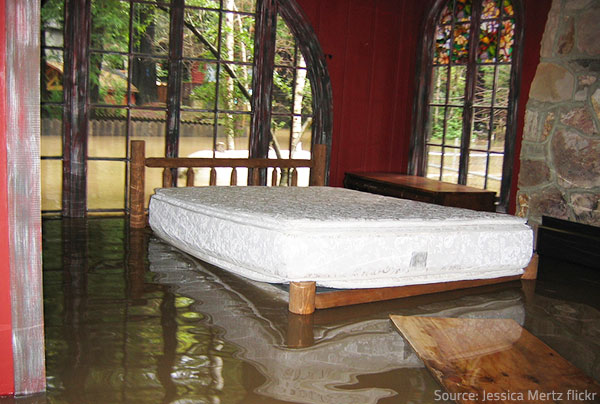
Floodwaters pose as an inherent danger both during and after a flood. Harmful bacteria and hazardous chemicals and toxins swarm in floodwaters, polluting everything with which the waters come into contact. Even after the waters subside, the excess moisture left from the receding flood gives rise to an infestation of moldMold is a type of fungus that grows in damp or humid conditi... More within as little as 24 hours.
Certain affected possessions may need to be tossed after a flood. A child’s stuffed toy, for instance, that has absorbed even a trickle of floodwater should be thrown out to avoid dangerous, toxic moldMold is a type of fungus that grows in damp or humid conditi... More growth. Floodwaters contain contaminants that stay harbored in absorbent materials. A favorite upholstered armchair, too, that has come into contact with floodwaters should be removed from the restored home. PorousPorous describes a material that contains small openings or ... More goods such as these, no matter how sentimentally valuable, can trap moldMold is a type of fungus that grows in damp or humid conditi... More sporesSpores are microscopic reproductive units of fungi or mold t... More.
Homeowners have some recourse after a flood. While not all household possessions may be salvaged after a flood, homeowners can take steps to prevent moldMold is a type of fungus that grows in damp or humid conditi... More growth from seizing the home. Remember that moldMold is a type of fungus that grows in damp or humid conditi... More sporesSpores are microscopic reproductive units of fungi or mold t... More thrive in moisture rich areas, in warmth and with the availability of a nutritious food source—all of which are found in recently flooded areas.
Notify the Insurance Agent
Flood insurance is purchased separately from homeowner’s insuranceHomeowner’s insurance is a policy that provides financial ... More. Homeowners who have flood insurance should notify their insurance agent of the flood damage. Take copious photos, video and notes to document the flood damage before setting to work to lessen the chances of moldMold is a type of fungus that grows in damp or humid conditi... More growth. Reimbursement for damages may be affected by removing, cleaning or discarding possessions. Check with the insurance company to see what may or may not be covered before starting the cleanup.
Dress for Safety
Before tackling the outcome of floodwater damage, wear appropriate safety gear. Visible moldMold is a type of fungus that grows in damp or humid conditi... More sporesSpores are microscopic reproductive units of fungi or mold t... More are harmful when breathed in, so wear a N95 respirator mask (found in local hardware shops). Waterproof work boots and gloves offer protection against the dangerous contaminants floating in the floodwater. Even water that appears crystal clear harbors a host of pollutants.
Pump Out Excess Water
Homeowners should remove the standing water from the home. Use a sump pumpA sump pump is a pump installed in a basement or crawlspace ... More and bucket if the water is several inches high, or soak up the water along the carpeting with a wet vac if the floodingFlooding is the overflow or accumulation of water in areas t... More is minimal.
Dry out the Space

Use fans to help dry areas affected by moldMold is a type of fungus that grows in damp or humid conditi... More and water damage
Moisture is a haven for moldMold is a type of fungus that grows in damp or humid conditi... More sporesSpores are microscopic reproductive units of fungi or mold t... More. Prevent moldMold is a type of fungus that grows in damp or humid conditi... More contaminationContamination is the presence of harmful or unwanted substan... More by thoroughly dryingDrying is the process of removing moisture from materials, s... More out the affected areas. Open the doors and windows (if weather permits) to circulate clean air throughout the vicinity.
Rent a dehumidifierA dehumidifier is a device that removes excess moisture from... More or powerful fan and run them continuously in the flooded space. The dryingDrying is the process of removing moisture from materials, s... More process will be sped up in larger areas, like a basement, by utilizing industrial or commercial size models.
Discard Porous Materials
MoldMold is a type of fungus that grows in damp or humid conditi... More latches onto porousPorous describes a material that contains small openings or ... More surfaces, such as drywall, fabrics, clothing and carpeting. Organic substances along with the presence of moisture nourish moldMold is a type of fungus that grows in damp or humid conditi... More, and the sporesSpores are microscopic reproductive units of fungi or mold t... More multiply in a frenzy.
As a precautionary measure, throw out any porousPorous describes a material that contains small openings or ... More household goods that have come into contact with floodwater. Upholstered furniture that has become dampened with moisture will nourish moldMold is a type of fungus that grows in damp or humid conditi... More sporesSpores are microscopic reproductive units of fungi or mold t... More. Affected insulationInsulation is a material used in buildings to reduce the tra... More, drywall and carpeting should also be placed in the trash, since porousPorous describes a material that contains small openings or ... More, wet items like these harbor moldMold is a type of fungus that grows in damp or humid conditi... More colonies. Carpeting, even if dried out, still retains living moldMold is a type of fungus that grows in damp or humid conditi... More sporesSpores are microscopic reproductive units of fungi or mold t... More. Safety measures require discarding carpets that have been exposed to floodwater.
Any items that release moldy odors should also be tossed. Papers, books, rugs and food items (even if canned) should be thrown into the garbage. Plus, appliances, like computers or air conditioning units, that feature fans and that have been exposed to moldy areas should be discarded.
Sanitize Nonporous Goods
Hard surfaces, like glass, metal items and plastic may be salvaged. Fine china and porcelain that have been in floodwaters are examples of household goods that may be reused.
While moldMold is a type of fungus that grows in damp or humid conditi... More sporesSpores are microscopic reproductive units of fungi or mold t... More are unable to penetrate nonporous objects, these good must still be disinfected. Mix a solutionA solution is a homogeneous mixture of two or more substance... More of one cup bleach and one gallon of hot water to wipe down the nonporous items and sanitize them. Never mix bleach with ammonia, as the solutionA solution is a homogeneous mixture of two or more substance... More will release toxic fumes that dangerously affect lung health.
Look for Evidence of Mold
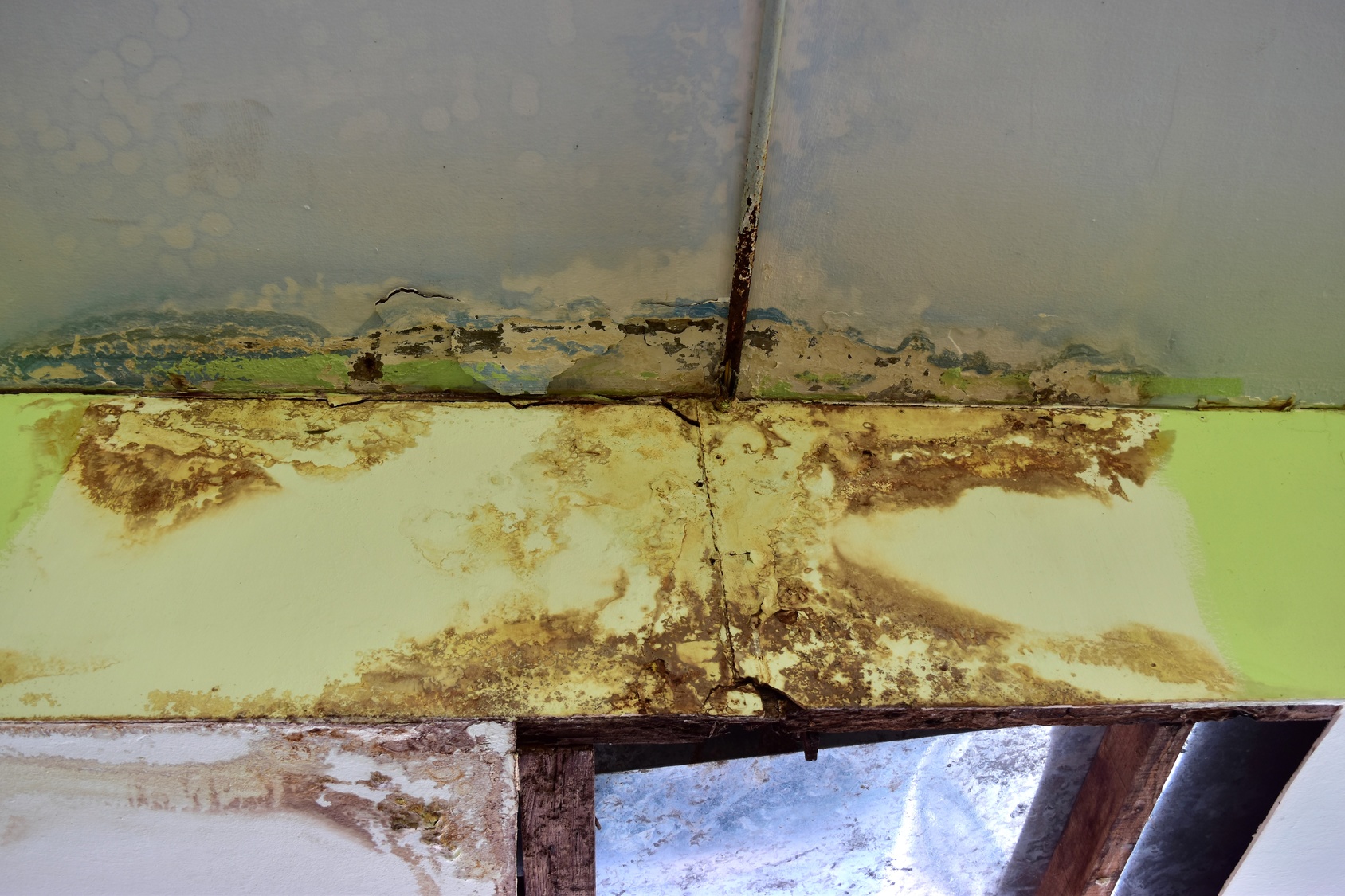
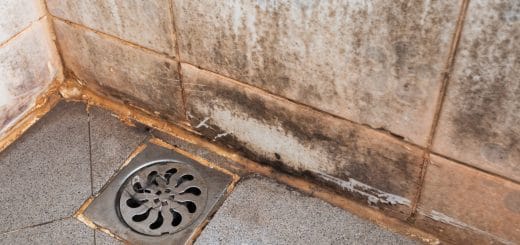
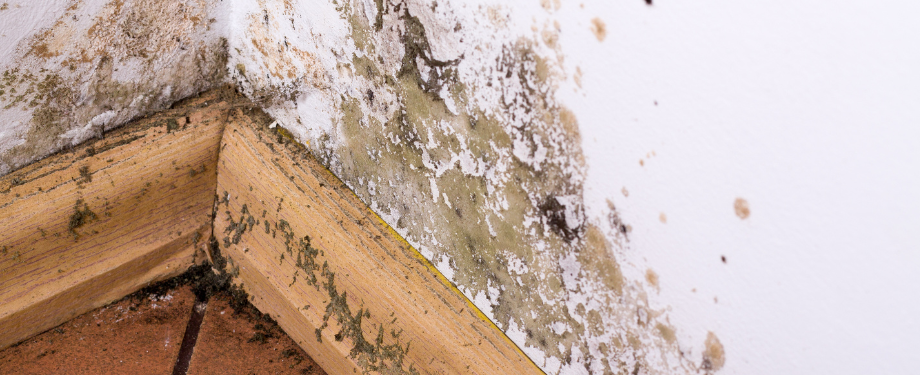
MoldMold is a type of fungus that grows in damp or humid conditi... More is typically evident visually and through smell. MoldMold is a type of fungus that grows in damp or humid conditi... More has the musty odorAn odor is a smell, often detectable by the human nose, whic... More of dirty socks. Black or dark green splotches that appear along walls or ceilings is another indication of moldMold is a type of fungus that grows in damp or humid conditi... More growth.
Occupants in a recently flooded home who experience sudden coughing, runny nose, watery eyes and itchy skin can track their symptoms to moldMold is a type of fungus that grows in damp or humid conditi... More growth. Eruptions of respiratory problems when inside the home is another sign that moldMold is a type of fungus that grows in damp or humid conditi... More has taken hold.
A homeowner who discovers moldMold is a type of fungus that grows in damp or humid conditi... More inside the home after a flood has two options: clean the moldy areas or hire a professional mold remediation service to address the moldMold is a type of fungus that grows in damp or humid conditi... More issue. Experts recommend that small areas less than three square feet can be easily handled by a homeowner. Larger spaces of ten square feet or more that are infested with moldMold is a type of fungus that grows in damp or humid conditi... More growth should be professionally cleaned.
When an attack of moldMold is a type of fungus that grows in damp or humid conditi... More has infiltrated your home or business property, contact Rochester’s most reliable mold remediation service. Experienced technicians arrive onsite within one to four hours of your initial call to assess the moldMold is a type of fungus that grows in damp or humid conditi... More and begin immediate removal.
The mold remediation professionals in Rochester, NY take precautionary measures to prevent the moldMold is a type of fungus that grows in damp or humid conditi... More sporesSpores are microscopic reproductive units of fungi or mold t... More from spreading to other areas of the home. The existing moldMold is a type of fungus that grows in damp or humid conditi... More is contained as the specialists tackle the growth that results from flood damage. Technicians remove all traces of visible and hidden moldMold is a type of fungus that grows in damp or humid conditi... More growth using advanced and safe chemical cleaners. All contaminated surfaces are disinfected or disposed of. To control airborne moldMold is a type of fungus that grows in damp or humid conditi... More sporesSpores are microscopic reproductive units of fungi or mold t... More, the specialists utilize a vacuum and air filter.
MoldMold is a type of fungus that grows in damp or humid conditi... More spreads rapidly when conditions are optimal. Call the professionals when moldMold is a type of fungus that grows in damp or humid conditi... More takes hold. No mold remediation job is too big or too small for damage restoration professionals in Rochester, NY. The experienced team dependably serves the residential and business communities in the Rochester, NY, area.

About Vince Sandri
Vince Sandri is a content writer and blogger with more than 12 years of experience. His expertise is in creating content related to disaster restorationRestoration is the process of returning a property to its pr... More, including information about preventing and reacting to natural disasters like floodingFlooding is the overflow or accumulation of water in areas t... More, water damage, fire and smoke damage, moldMold is a type of fungus that grows in damp or humid conditi... More growth, storm damage and more.
Vince has been the main contributor to RestorationMasterFinder.com since 2014. Over that time, he has written numerous service pages and blogs for disaster restorationRestoration is the process of returning a property to its pr... More providers featured on RestorationMasterFinder.com. Vince has done extensive research and covered a wide range of topics relating to disaster restorationRestoration is the process of returning a property to its pr... More to help homeowners, business owners, and property managers better protect their property. He understands the problems that disasters like floodingFlooding is the overflow or accumulation of water in areas t... More, fire, smoke, and moldMold is a type of fungus that grows in damp or humid conditi... More can cause as well as the best ways to respond to these issues to limit the damage.
Vince completed his Bachelor of Arts degree at Aurora University and his master’s degree at DePaul University. He has been writing SEO website pages, blogs, and press releases since 2012. Vince is also a musician and can be seen playing in the Chicago, IL area.