



How to Prevent Mold After Water Damage: Essential Tips for Homeowners
Water damage in a home or business is stressful enough on its own. What many property owners don’t realize is that mold can begin growing in as little as 24 to 48 hours if moisture is not fully removed. Once mold starts, it can spread quickly, damage building materials, ruin belongings, and create potential health concerns for anyone in the space.
The good news is that mold after water damage is often preventable if the right steps are taken early. Knowing what to do in the first hours and days after water damage can make the difference between a straightforward cleanup and a much larger restoration problem. This guide explains how to prevent mold after water damage, where mold commonly develops, how fast it grows, what warning signs to watch for, and when professional help becomes necessary.
Quick Answer: How Do You Prevent Mold After Water Damage?
To prevent mold after water damage, you must remove standing water immediately, dry all affected materials completely, and control indoor humidity within the first 24 to 48 hours. Surfaces that cannot be thoroughly dried should be removed, and hidden moisture behind walls or under flooring must be addressed. Ongoing moisture monitoring is critical to prevent mold from returning.
Why Mold Grows So Quickly After Water Damage
Mold spores are naturally present in indoor air at all times. Water damage creates the perfect environment for those spores to grow when three conditions come together:
- Moisture from leaks, flooding, or humidity
- Organic materials such as drywall, wood, carpet, or insulation
- Warm indoor temperatures, typically above 70°F
Many building materials absorb water deeply, even if the surface feels dry. This trapped moisture allows mold to develop out of sight, which is why mold often appears days or weeks after a water loss if drying is incomplete.
How Fast Mold Can Grow After Water Damage
Mold growth follows a predictable timeline:
- 0–24 hours: Materials absorb water and moisture spreads
- 24–48 hours: Mold spores can begin forming (often invisible)
- 48–72 hours: Visible mold growth becomes possible
- After 72 hours: Mold may spread extensively and become harder to control
This timeline is why immediate action after water damage is critical.
Where Can Mold Occur After Water Damage or Flooding?
After flooding or a water leak, mold is most likely to develop in areas that retain moisture or are difficult to dry completely, including:
- Drywall and ceilings
- Inside wall cavities
- Beneath carpet and padding
- Insulation
- Wood framing and subfloors
- Door trim and baseboards
- Behind siding panels
These areas are often affected even when visible surfaces look dry.
Does Water Damage Always Lead to Mold Growth?
Not all water damage results in mold. Mold typically develops when water-damaged materials are not fully dried within the first 24 to 48 hours or when moisture remains hidden. Fast response, proper drying, and humidity control significantly reduce the likelihood of mold growth.
Read: How Long Does It Take for Mold to Grow After Water Damage?
Is Mold from Water Damage Dangerous?
Yes. Mold caused by water damage can be dangerous for both the building and the people inside it. Mold can weaken structural materials over time and may trigger allergic reactions, respiratory symptoms, headaches, and other health concerns, especially for children, older adults, and individuals with asthma or compromised immune systems. Stopping mold early limits both property damage and health risks.
How to Check for Mold After Water Damage
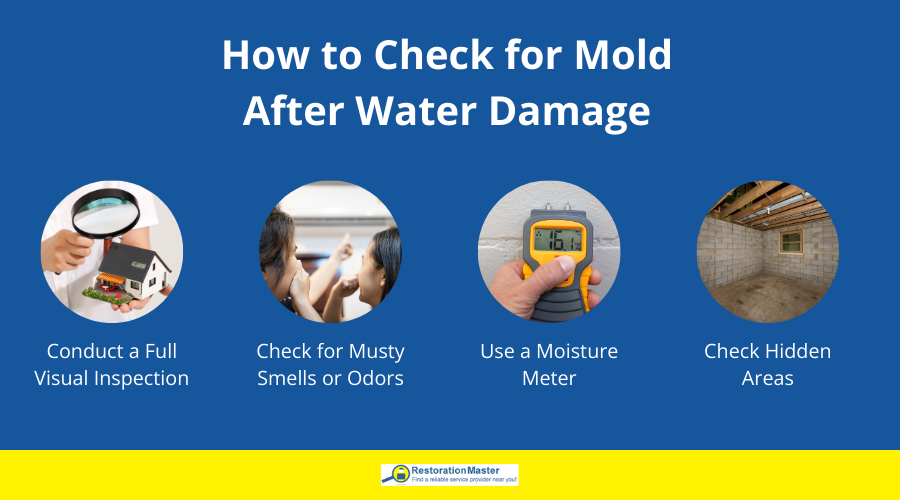
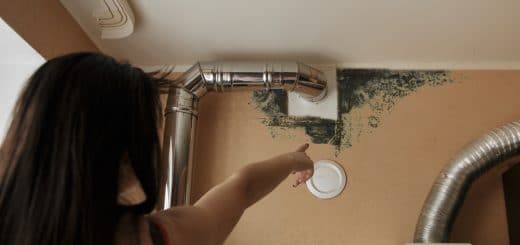
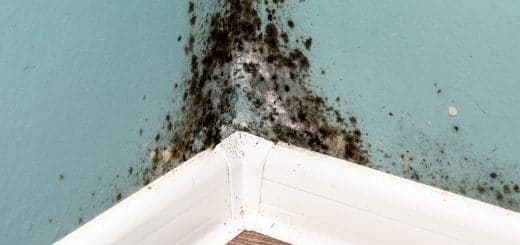
After experiencing water damage, it’s important to check for mold throughout your home. Look for signs such as discoloration or fuzzy patches on walls, ceilings, and in damp areas like basements and bathrooms. If you suspect mold, consider using a moisture meter to detect hidden dampness. You can also opt for a DIY mold testing kit or hire a professional mold inspector for a thorough evaluation. Here are the essential steps to identify and address potential mold in your home:
- A Full Visual Inspection: Look for discolored areas, spots, or patches on the walls, ceilings, or floors. Additionally, check for peeling paint and wallpaper and warped areas of the ceiling or drywall. Pay extra attention to the basement, bathroom, and kitchen as these areas are prone to leaks that lead to mold.
- Odors or Musty Smells: If there is a musty odor present, you likely have mold somewhere in your home.
- Moisture Detection: Check your property with a moisture meter so you can identify and inspect areas with high moisture levels.
- Check Hidden Areas: Always check behind furniture, under the carpets, and behind wall coverings for signs of mold.
How to Prevent Mold Growth from Water Damage
One of the most effective ways to protect your home from mold is to prevent water damage from occurring in the first place. Taking proactive measures not only spares you costly repairs but also safeguards your belongings, preserves your home’s structural integrity, and protects your health. To help you stay ahead of potential problems, here are essential steps to prevent mold growth caused by water damage:
1. Identify and Stop the Source of Water
Locate the cause of the water intrusion and stop it immediately. This may involve shutting off the water supply, repairing plumbing, or addressing roof or foundation leaks.
2. Remove Standing Water Right Away
Standing water should be removed as soon as possible using pumps, wet vacuums, or professional extraction equipment. The longer water sits, the deeper it penetrates building materials.
3. Dry Affected Areas Completely
Drying must go beyond surface-level moisture. Increase airflow with fans, open windows when conditions allow, and use dehumidifiers to lower indoor humidity. Materials should be dry to the core, not just to the touch.
4. Remove Materials That Cannot Be Dried
Some materials cannot be salvaged once they absorb water, including carpet padding, soaked insulation, swollen drywall, and particle board. Removing these materials prevents trapped moisture from fueling mold growth.
5. Clean and Disinfect All Surfaces
All affected surfaces should be cleaned and disinfected using appropriate products. While household cleaners may help with surface contamination, they do not address mold inside walls or beneath floors.
6. Monitor Moisture Levels After Cleanup
Even after drying, continue monitoring humidity and moisture levels for at least one to two weeks. Indoor humidity should remain below 50 percent to discourage mold growth.
Hidden Moisture: Why Mold Often Comes Back
One of the most common reasons mold returns after water damage is hidden moisture. Water can travel behind walls, under flooring, and into structural cavities where it remains undetected. Without proper moisture detection and drying, mold may reappear even after visible cleanup.
DIY Mold Prevention vs Professional Water Damage Restoration
When DIY Steps May Be Enough
- Small, clean water spills
- Immediate drying within hours
- No water penetration into walls or flooring
When to Call a Professional
- Flooding or sewage backup
- Water inside walls or ceilings
- Damage affecting multiple rooms
- Water is present for longer than 24 hours
- Previous mold problems
Professionals use moisture meters, infrared detection, commercial drying equipment, and controlled removal techniques to prevent mold more effectively.
What Happens If Mold Is Not Prevented After Water Damage?
Failure to prevent mold can lead to:
- Structural deterioration
- Persistent odors
- Higher restoration costs
- Health complaints
- Reduced property value
Early action is always less expensive and less disruptive than addressing widespread mold growth later.

If your home has been affected by flooding or heavy rain, water may seep into your carpets. Acting quickly is essential. While you can attempt to dry and clean the carpet yourself, it’s always best to call in professionals. They can prevent mold growth and use specialized equipment, like industrial fans, to thoroughly dry the area and minimize further damage. This is especially important to avoid costly issues, such as structural damage to your property.
In this article, we’ll cover the different categories of water damage, key considerations before drying your carpet, and the necessary steps to properly dry a wet carpet — including how to dry wet carpet after flooding effectively.
Categories of Water Damage You Should Know
There are three key categories that determine the source and purity of water when it soaks your carpet or floods your home. Understanding these categories is crucial for deciding how to remove the water and addressing potential risks during the drying process. Here’s what you need to know to make informed decisions quickly:
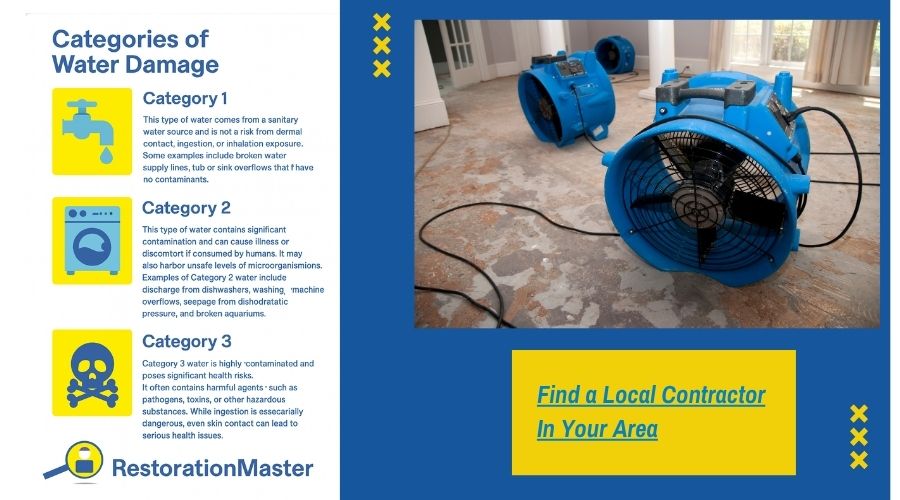
Category 1
This type of water comes from a sanitary water source and is not a risk from dermal contact, ingestion, or inhalation exposure. Some examples include broken water supply lines, tub or sink overflows that have no contaminants, appliance malfunctions, snow or ice that has melted, rainwater, or broken toilet tanks and toilet bowls.
Category 2
This type of water contains significant contamination and can cause illness or discomfort if consumed by humans. It may also harbor unsafe levels of microorganisms. Examples of Category 2 water include discharge from dishwashers, washing machine overflows, seepage from hydrostatic pressure, and broken aquariums.
Category 3 Water
Category 3 water is highly contaminated and poses significant health risks. It often contains harmful agents such as pathogens, toxins, or other hazardous substances. While ingestion is especially dangerous, even skin contact can lead to serious health issues.
Examples of Category 3 water include sewage, seawater flooding, rising rivers or streams, and water from hurricanes, tropical storms, or other weather-related events. This type of water may also carry hazardous materials, making it even more dangerous to handle.
Porous or semi-porous building materials exposed to Category 3 water cannot be salvaged. These materials absorb the contaminated water, and it is impossible to thoroughly clean or disinfect them, requiring their removal and disposal.
The cleanup of Category 3 water is particularly challenging due to health regulations, safety concerns, and the difficulty of remediation. Allowing this water to remain in a structure can worsen conditions rapidly. Microbial growth, such as mold, can begin in as little as 48 hours under the right conditions, further endangering the environment and health of occupants.
What to Know Before Drying Your Carpet
When dealing with wet carpeting, quick drying is essential. Carpets are porous, and if they remain damp, wood subfloors and drywall can suffer irreversible damage. The most effective method to prevent this is speed drying. Acting quickly can also help prevent mold growth, which thrives in damp environments.
Before drying the carpet, it’s crucial to take these steps to ensure effective drying and avoid further damage or mold:
- Stop the source of the water and make sure to fix leaks right away.
- Get rid of any damaged items.
- Any furniture that can be saved should be moved outside or to a storage area.
- Avoid traffic on the carpet such as walking or moving furniture on it during the drying time.
Taking these precautions helps set the stage for the best way to dry soaked carpet and avoid costly problems.
How to Dry a Wet Carpet
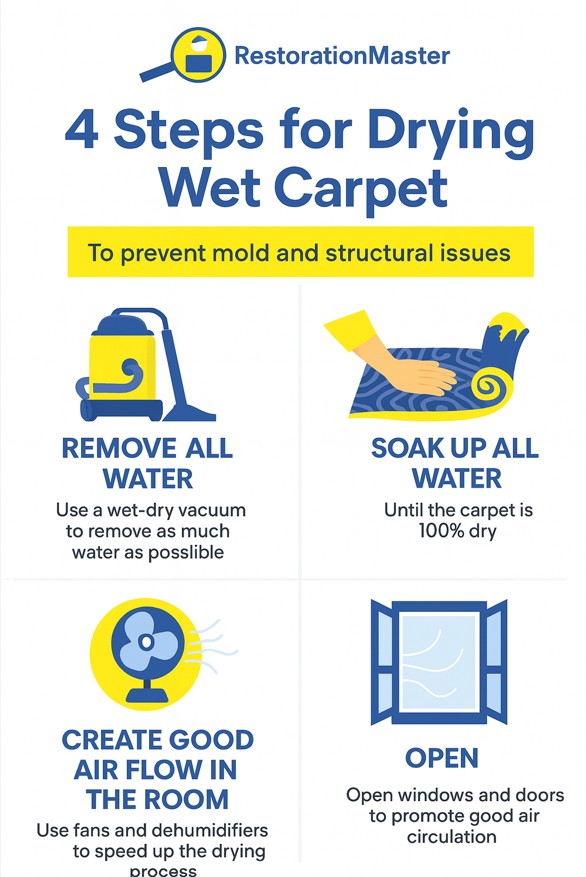
To take the necessary steps to properly remove water from your carpet and ensure it’s thoroughly dried to prevent costly damage to your property, follow these steps:
- Remove all water: Use a wet-dry vacuum to get rid of as much water from the carpet as possible.
- Soak up all water: Once you’ve vacuumed as much water as possible, use towels to absorb any remaining moisture from the carpet. Microfiber towels work well, press them onto the carpet until they’re saturated, then replace them with fresh, dry towels. Repeat this process until the carpet is completely dry.
- Create good air flow in the room: After removing and soaking up all the water, the next step is to create airflow in the room to speed up the drying process. The most effective way to do this is by using fans to circulate fresh air. Use as many fans as possible and position them evenly throughout the room to ensure thorough drying. Additionally, a dehumidifier can be very helpful, place it near the carpet and remember to empty it regularly to remove excess moisture. For extra ventilation, open windows and doors to allow natural airflow to assist in drying out the carpet.
Following these carpet drying tips after water damage can greatly reduce the risk of mold and structural issues.
Professional Water Damage Restoration
Drying a wet carpet quickly and thoroughly is essential to protect your home from mold, mildew, and costly structural damage. While you can start the process by removing water and improving airflow, professional carpet drying services ensure a deeper, safer clean, especially if the water is contaminated.
Knowing the categories of water damage helps you decide when DIY drying is appropriate and when it’s safer to replace affected materials. Ultimately, fast action and informed decisions can make all the difference in restoring your home safely and effectively after flooding or water damage.
If your carpets have been soaked by flooding or heavy rain, don’t wait—call a water damage restoration professional. They use advanced drying equipment and proven techniques to prevent mold growth, protect your home’s structure, and restore your space quickly and safely. Acting fast can save you from bigger, costlier problems down the line. Contact a professional for an expert assessment and reliable carpet water damage restoration process.
Frequently Asked Questions
Can a wet carpet be saved after a flood?
Yes—if the water is clean (Category 1) and drying begins quickly, most carpets can be salvaged. However, if the water is contaminated (Category 2 or 3), or if the carpet remains wet for more than 48 hours, it may need to be replaced due to mold and health concerns.
Should I remove carpet padding after flooding?
In many cases, yes. Carpet padding absorbs water easily and is difficult to dry completely. If it has been exposed to Category 2 or 3 water or remains damp for more than a day or two, it’s best to remove and replace it to prevent mold and odor issues.
Can I use a regular fan to dry my carpet?
A regular fan might help, but it’s usually not powerful enough to fully dry carpet and padding—especially after flooding. For best results, use multiple high-speed fans or rent industrial air movers. These push air across the surface and through the fibers to speed up evaporation.
Is it okay to walk on wet carpet while it’s drying?
It’s best to avoid walking on wet carpet to prevent spreading moisture and dirt. Walking on it can also cause the carpet fibers to mat down and slow the drying process. If you must walk across it, wear clean shoes or lay down towels or plastic.
When should I call a professional to dry my carpet?
Call a water damage professional if:
- The carpet was soaked by Category 2 or 3 water (e.g., sewage or appliance leaks)
- It’s been wet for more than 24-48 hours
- You notice a musty smell or discoloration
- The affected area is large or includes subfloor or drywall damage
Professionals use moisture meters, air movers, and dehumidifiers to make sure the area is fully dry and mold-free.
How do I know if my carpet is dry underneath?
Even if the surface feels dry, the padding and subfloor could still be damp. Use a moisture meter (available at most hardware stores) to check underneath. A dry carpet should show a moisture reading of 15% or lower. If you’re unsure, it’s worth calling in an expert to assess.
How much does it cost to dry out a carpet professionally?
Costs vary depending on the size of the area and water category. On average, professional carpet drying ranges from $200 to $1,000 or more. If mold removal or replacement is needed, the price can increase. Many restoration companies offer free assessments and can help with insurance claims.
How to Remove Mold Growth from Your Carpet
Any mold growth you find in your home requires immediate action to prevent further damage and safeguard your health. The first step is to identify and eliminate the source of moisture fueling the mold. For small, localized areas, DIY solutions like vinegar or baking soda can effectively address the issue. However, if the mold has caused significant damage, it’s essential to call in professionals for safe and thorough removal.
When mold affects your carpet, acting quickly is crucial to protect your family’s health and safety. Mold not only damages the appearance of your carpets but also poses serious health risks, particularly for individuals with allergies or respiratory conditions. In this article, we’ll guide you through determining whether your carpet has mold, how to identify it, and effective DIY removal techniques. Additionally, we’ll discuss why professional mold remediation is critical for larger infestations to ensure a safe and long-lasting solution.
How do I know if my carpet has mold?
Mold is a type of fungus that thrives in warm, damp environments, making carpets an ideal breeding ground. While mold spores are naturally present in the air, they only begin to grow and become visible when moisture and organic material provide the perfect conditions. Unfortunately, carpets often meet these criteria, especially in humid or poorly ventilated spaces.
Mold in carpets isn’t just unsightly, it poses serious risks, including damage to the flooring beneath and potential health hazards for those in the home. This is why it’s essential to identify and address mold growth as soon as possible to maintain a safe and healthy living environment.
Carpets are particularly susceptible to mold growth due to their ability to trap moisture, dust, food particles, and other debris that mold can feed on. Combined with poor airflow and dark, undisturbed areas, these factors create an ideal environment for mold to flourish. In fact, with the right conditions, mold can take hold in as little as 24 to 48 hours.
Proactively addressing moisture and improving ventilation can go a long way in preventing mold from taking root in your carpets and ensuring a cleaner, healthier home.
How can I identify mold in carpets?
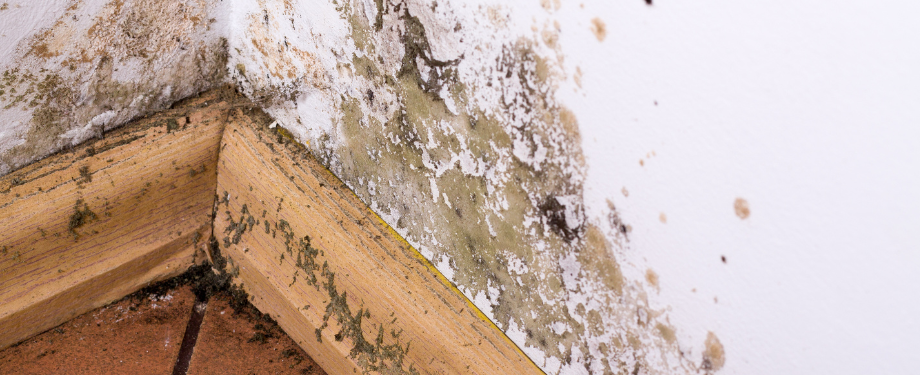
Identifying mold in carpets can be challenging, especially when it develops beneath the surface and isn’t immediately visible. Most often a result of water damage, mold infestations can hide in areas not visible to the naked eye. However, there are key signs to watch for that may indicate its presence. Look for patches of black, green, or white growth with a fuzzy or slimy texture. A musty, earthy odor is another telltale sign of mold. It’s important to investigate any unusual smells in your home, as mold often goes unnoticed until it has significantly spread.
Mold in carpets isn’t just an aesthetic; it can also pose health risks, particularly for those allergic or sensitive to mold spores. Exposure can lead to symptoms such as sneezing, coughing, and itchy eyes. Being vigilant and addressing mold promptly is essential to maintain both a healthy home and your well-being.
How do I get mold out of my carpets myself?
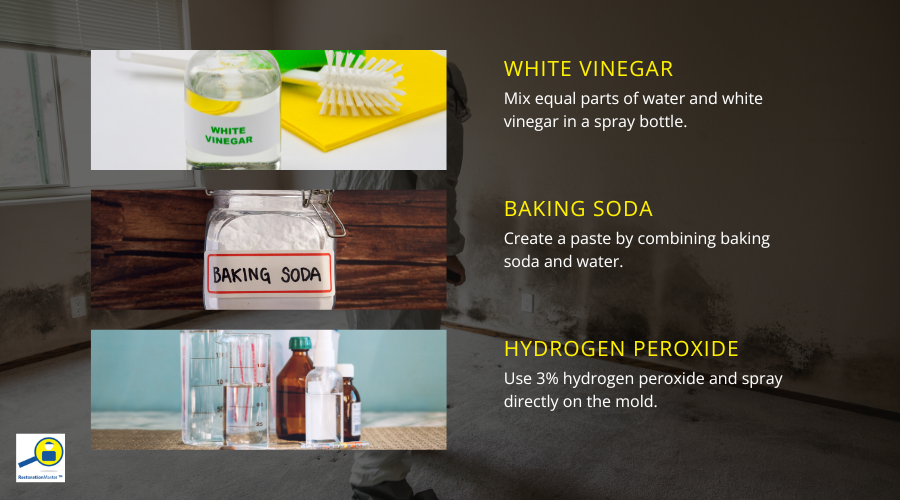
Discovering mold in your carpets requires immediate action. To prevent it from spreading, isolate the affected area from the rest of your home. Mold can grow rapidly, turning a small problem into a much larger one in no time.
For minor mold issues, there are a few DIY solutions you can try. Before starting, ensure the room is well-ventilated, and always wear gloves and a mask for protection. Begin by brushing the affected area to loosen the mold. Once prepped, you can apply one of the following solutions:
- White Vinegar: Mix equal parts water and white vinegar in a spray bottle. Spray the moldy area generously and let it sit for at least an hour. Then, scrub the surface with a brush. White vinegar is highly effective at killing most types of mold.
- Baking Soda: Create a paste by combining baking soda and water. Apply the paste to the mold and allow it to dry. Once dried, vacuum up any remaining residue. Baking soda not only absorbs moisture but also neutralizes odors, making it a great natural solution.
- Hydrogen Peroxide: Use 3% hydrogen peroxide directly on the mold. Let it sit for about 15 minutes before scrubbing the area to remove the mold. This method is both powerful and safe for tackling stubborn mold growth.
Once the area has been treated, make sure to dry the carpet to reduce the risk of further mold growth. You can follow these steps to dry the carpet:
- Dry the Area: Use fans or a dehumidifier to dry the affected area.
- Vacuum: Once the area is fully dry, thoroughly vacuum the area so that any spores or residue are removed.
- Repeat if Necessary: If the mold is stubborn, you may need to keep repeating the treatment.
Please note: Tackling mold as a DIY project is only advisable if it’s confined to a small area of your home. For larger mold infestations, it’s best to call in professionals who can safely and thoroughly remove the mold, ensuring it doesn’t return.
Why is it important to call a mold removal professional?
If your carpet has significant mold growth, it’s essential to hire professional mold removal and carpet cleaning specialists. These experts have the tools, equipment, and expertise needed to effectively eliminate mold. They can also assess the extent of the infestation, checking for hidden growth beneath the carpet or in the padding to ensure the entire issue is addressed. Mold spores, when inhaled, can pose serious health risks. Professional mold removal services ensure that the spores are safely contained and prevented from spreading throughout your home.
Here is why you should hire professionals for mold removal:
- Expert Assessment: Trained professionals can accurately evaluate the extent of mold damage and determine the most effective way to address it.
- Thorough Cleaning: Professional carpet cleaning is essential, as experts use specialized equipment to disinfect, eliminate mold spores, and prevent future growth.
- Enhanced Safety: Mold removal can be hazardous. Professionals are equipped with the training and safety measures needed to handle mold without endangering your health.
- Time Efficiency: Professional mold removal is faster and more efficient, minimizing downtime and reducing the impact on your space.
- Reliable Results: Many professional services offer guarantees, providing peace of mind that your mold problem will be completely resolved.
Expert Mold Removal & Remediation Services
Mold in your carpet is more than just a nuisance, it’s a potential threat to your health and home. Acting quickly and effectively is crucial, whether that means trying safe, proven DIY methods for small spots or calling in professionals for widespread issues. By staying vigilant, addressing moisture problems, and knowing when to seek expert help, you can protect your living environment and ensure long-term safety. Don’t wait for the problem to grow; take control today to keep your home clean, healthy, and mold-free.
If you find mold growth in your carpeting or anywhere throughout your home, it is important to call a mold remediation professional right away. These professionals can safely and effectively contain and remove the mold to reduce the risk of additional damage or related health effects. They can also clean and restore the affected areas and take the proper steps to keep your property mold free.
Preventing mold growth after water damage requires swift action, thorough drying, and proper remediation. By addressing water damage immediately, monitoring moisture levels, and ensuring effective ventilation, you can significantly reduce the risk of mold formation. However, when the damage is extensive or mold has already developed, seeking professional help is essential to fully restore your property and protect your health. Don’t wait—taking proactive steps now can save you from costly repairs and long-term health risks. Stay vigilant, act fast, and safeguard your home or business from the dangers of mold.
If you experience significant water damage in your home that is likely to lead to mold growth, make sure you call a water damage restoration professional right away. These professionals will immediately stop the spread of the water which helps limit the damage, and they have the proper equipment to extract excess water and moisture and dry the affected materials. They can also repair and restore the damage caused by the water and provide mold removal if they encounter mold during the restoration process. Regardless of the amount of water damage you experience, acting quickly is the key to limiting the damage and preventing mold growth
Frequently Asked Questions (FAQs)
What is the most important step to prevent mold after a flood?
The most important step is to fully dry the affected area as quickly as possible, including hidden moisture in walls, floors, and insulation. Removing standing water helps, but mold prevention depends on getting materials dry all the way through, not just on the surface.
Can mold grow if everything looks dry?
Yes. Mold can grow even if surfaces look dry because moisture often remains trapped inside drywall, under flooring, or in carpet padding. A musty smell, bubbling paint, warped baseboards, or elevated humidity can be signs of hidden moisture.
Do I need to remove drywall to prevent mold?
Not always. Drywall may be saved if it can be dried quickly and fully, and if moisture has not spread behind it. If drywall is swollen, soft, crumbling, or wet for more than 24–48 hours, removal is often necessary to prevent mold inside the wall.
Will a fan dry out water damage enough to prevent mold?
A fan helps, but it’s usually not enough by itself. Fans move air across surfaces, but a dehumidifier removes moisture from the air and speeds drying. For effective mold prevention, use both and make sure moisture is removed from porous materials.

About Vince Sandri
Vince Sandri is a content writer and blogger with more than 12 years of experience. His expertise is in creating content related to disaster restoration, including information about preventing and reacting to natural disasters like flooding, water damage, fire and smoke damage, mold growth, storm damage and more.
Vince has been the main contributor to RestorationMasterFinder.com since 2014. Over that time, he has written numerous service pages and blogs for disaster restoration providers featured on RestorationMasterFinder.com. Vince has done extensive research and covered a wide range of topics relating to disaster restoration to help homeowners, business owners, and property managers better protect their property. He understands the problems that disasters like flooding, fire, smoke, and mold can cause as well as the best ways to respond to these issues to limit the damage.
Vince completed his Bachelor of Arts degree at Aurora University and his master’s degree at DePaul University. He has been writing SEO website pages, blogs, and press releases since 2012. Vince is also a musician and can be seen playing in the Chicago, IL area.