






Spring Cleaning Tips: Prevent Water Damage & Mold
Summary: As spring approaches, it’s time to prepare your home for protection against potential hazards such as water damage, fire hazards, mold, and hoarding situations. Our spring cleaning tips and guide can help you tackle these tasks effectively, ensuring your home stays safe and welcoming.

With winter coming to a close, many are eager to kick off their spring-cleaning routine. This doesn’t need to feel overwhelming; instead, it can become a pleasant activity paired with the lovely spring season. The key is to play your favorite tunes, let the fresh air in through open windows, and dive into your cleaning tasks!
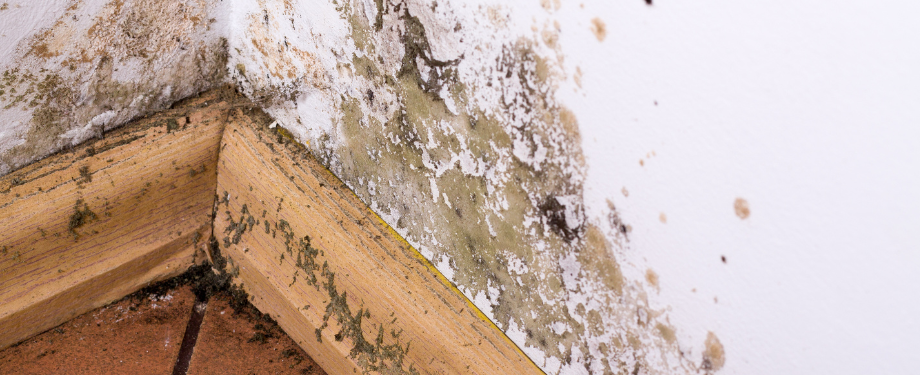
Spring cleaning isn’t just about tidying up; it’s also a chance to address important issues like mold and water damage. These often go unnoticed but can pose health risks. Take the opportunity to thoroughly inspect your home, and if you find any mold or water damage, don’t hesitate to address it promptly with professional mold removal and water damage restoration services.
What does spring cleaning refer to?
Starting anew with pleasant weather marks the arrival of a new season. In many regions of the United States, harsh winters make the anticipation of springtime all the more special. As spring emerges, most individuals come to the realization that their storage spaces, garages, and yards have accumulated items over time. Therefore, spring presents an opportune moment for a fresh start, prompting one to dust off belongings that will be essential during the upcoming spring and summer seasons.
When is the ideal time to start spring cleaning?
There isn’t a set date for starting spring cleaning; most people fit it into their schedules whenever they have free time during the season. It’s more enjoyable and efficient to tackle this task with friends and family. Consider kicking off the cleaning on the first day of spring, March 20th, marking the transition from winter to spring with a fun approach. Choose a pleasant weekend day to begin, making the process feel less daunting. Prepare some music and snacks, invite loved ones to join in, and turn this chore into a group effort. By involving everyone, you can efficiently handle tasks like unpacking stored items and dusting neglected areas.
How to begin with spring cleaning?
Spring cleaning can feel like a daunting task, but it becomes more manageable when you start with a well-thought-out plan. Begin by assessing the areas inside your home that need attention, then move to the exterior part of the home. Here’s a step by step process on how you can clean a the inside and exterior part of your home.
Cleaning the Inside of Your Home
Spring cleaning involves tidying the interior of your home, ensuring cleanliness and maintenance. Here are fundamental tasks to help you clean and upkeep your home’s interior:
Create a plan and organize the process:
If you have never done spring cleaning before, and you are worried that there is too much to clean, create a plan and organize before you start the cleaning process. A plan will help you stay on track and get all your work done. If there are others that can help with any tasks, make sure everyone is assigned a task so that all the work gets done and everyone feels involved.
Rooms should be cleaned one by one:
Make sure to clean rooms one by one. This process will allow you to stay organized and help everything run smoothly. You can also use post it notes and assign a color for “clean” and “dirty” and place them in an entryway of a room so you can let others know which rooms have and have not been cleaned.
Check smoke and carbon monoxide detectors:
A good rule of thumb is to use March 12, the time we change our clocks for Daylight Savings Time, to check if your smoke detectors are functioning. Also, make sure to check smoke and carbon monoxide detectors to ensure they are working, and the batteries are charged properly.
Clean your windows on the inside:
Use a window cleaner to clean your windows on the inside. This will help increase natural light and keep your windows in good shape.
Clean your washer and dryer:
You should have a proper routine for cleaning your washer and dryer so that they can stay in good shape for many years to come. You can find videos online on how to clean specific appliances so you can do it easily.
Cleaning the Outside of Your Home
It is also very important to keep the outside of your home clean and tidy. Here are some tips for cleaning and maintaining the outside of your home:
Clean the outside of your windows:
Make sure to clean your windows on the outside to help let the light in and keep them in good condition. This helps in reducing moisture by allowing sunlight to penetrate through, which can prevent mold or water damage from occurring.
Clean the gutters:
It is very important to clean your gutters regularly. If there are leaves or branches stuck in your gutters, they can get blocked, and you can end up with damage to the exterior or interior of your home. If you are unable to climb a ladder to clean them, make sure to call a professional company near you to help you with this chore. This should be done early in the spring to prevent water damage when it rains.
Do some organization and cleaning in your garage:
In colder seasons, the garage sees heavy use, leading to disarray and dust settling on items. When spring cleaning, prioritize these areas. Take the time to review all belongings, part ways with unused items by selling or donating them and discard broken items. Additionally, consider incorporating hoarding cleanup measures to address any accumulation of possessions that may have occurred.
Clean your yard:
If you live in an area where there is a lot of snow, your yard may not look the best in the spring. Make sure to go through your yard and clean up any sticks, leaves, and branches that might have been under the snow. Also, if you have a dog, make sure to clean droppings.
Remove pinecones:
If you have a lot of pinecones, take them out of the yard for a fun project with your kids. Use them to create bird feeders, for drawing, or in DIY landscaping projects.
How Spring Cleaning Can Save You From Water Damage?
Spring cleaning isn’t just about making your home look nice—it can also help you prevent water damage. Here’s how:
- Spotting Leaks Early: During spring cleaning, you’re likely to move furniture and appliances, giving you a chance to inspect areas that are normally hidden. This can help you catch leaks or drips from pipes, faucets, or appliances before they turn into major water damage issues.
- Sump Pump Evaluation: As a part of the maintenance, you keep an eye on your sump pump whether it is working in a good condition or there is some blockage. It’s really important because it stops your basement from flooding by getting rid of extra water around your house. Also, check that the pipe is sending water away from your house. And it might be a good idea to think about getting a backup battery in case the power goes out.
- Seal Cracks and Gaps: Inspect walls and ceilings and use caulking to seal any cracks or gaps in your home’s interior and exterior. This simple step keeps water out and prevents leaks.
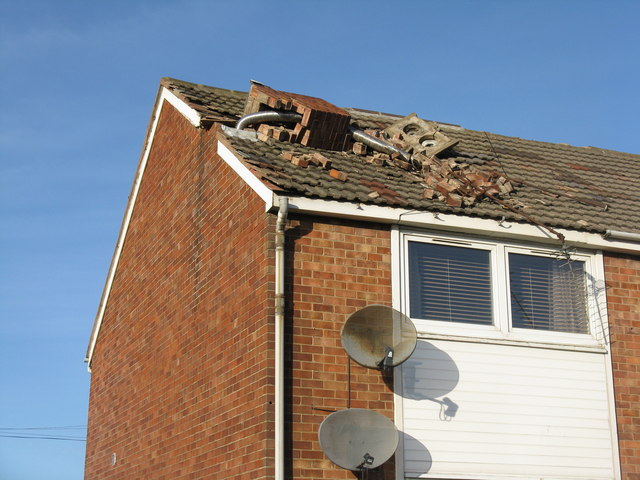
- Inspect Roof, Attic and Crawlspace: Take a look at your roof and attic for any signs of damage or leaks. Fixing problems early stops water from getting into your home and causing any issues.
- Appliance Maintenance: Check your appliances, like your washing machine and dishwasher, for any leaks or problems. Fixing them early can prevent water damage to your floors and other areas.
What to Do If You Find Mold During Spring Cleaning?
If you happen to spot mold while spring cleaning, don’t fret. Here’s a straightforward plan of action:
- Make sure you’re protected with gloves, a mask, and goggles before you start cleaning. We don’t want you breathing in those spores.
- Figure out how big the mold problem is. Is it just a small spot or has it spread all over? Knowing this will help you decide if you can handle it yourself or if you need to call a mold removal specialist.
- If the mold is small, you can try to stop it from spreading. Seal off the area with plastic and tape.
- Open up windows and doors to get some fresh air flowing. This helps dry out the area and stops mold from growing back.
- se soapy water to scrub the mold off hard surfaces. For stuff like carpets or drywall, you might have to replace them if the mold’s really set in. Skip the bleach—it’s not always the best solution.
- Once you’ve cleaned up, make sure the area is completely dry. Fans or dehumidifiers can help with this.
- Watch the area you’ve cleaned. If mold comes back, it might mean there’s a deeper problem that needs fixing.
- Mold loves moisture, so you’ll want to fix any leaks or dampness to stop it from coming back.
- Keep things clean and dry, and you’ll lower the chances of mold returning.
Professional Water Damage Restoration and Mold Remediation
Have you experienced water damage at your home or business? You need to call a Restoration Master professional that offers a full range of water damage restoration services for home and business owners that have experienced a flood, sewage backup, or even a leaky appliance and ended up with major water damage. These professionals have the proper training, methods, and materials to clean, dry, and restore your property. If you encounter mold while spring cleaning, calling a professional for mold remediation services is the best way to remove all the mold and ensure it does not come back.

About Vince Sandri
Vince Sandri is a content writer and blogger with more than 12 years of experience. His expertise is in creating content related to disaster restoration, including information about preventing and reacting to natural disasters like flooding, water damage, fire and smoke damage, mold growth, storm damage and more.
Vince has been the main contributor to RestorationMasterFinder.com since 2014. Over that time, he has written numerous service pages and blogs for disaster restoration providers featured on RestorationMasterFinder.com. Vince has done extensive research and covered a wide range of topics relating to disaster restoration to help homeowners, business owners, and property managers better protect their property. He understands the problems that disasters like flooding, fire, smoke, and mold can cause as well as the best ways to respond to these issues to limit the damage.
Vince completed his Bachelor of Arts degree at Aurora University and his master’s degree at DePaul University. He has been writing SEO website pages, blogs, and press releases since 2012. Vince is also a musician and can be seen playing in the Chicago, IL area.