




What to Expect When Mold Remediation Happens in Your Home
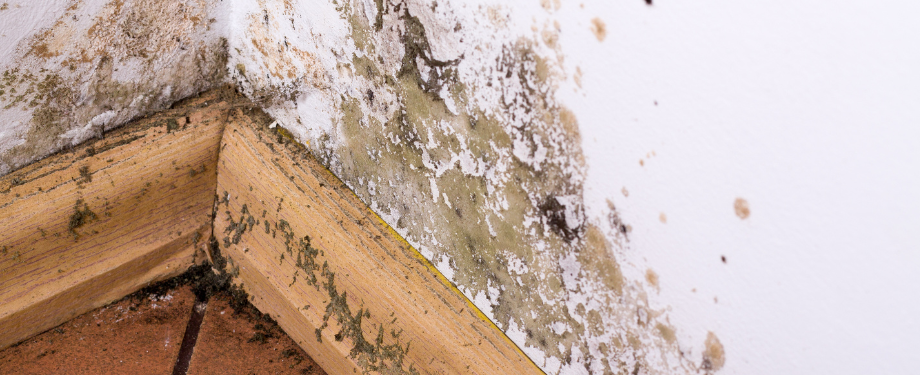
Maybe it starts with a faint, earthy smell in the basement. Or a strange spot on the ceiling you swear wasn’t there last week. Or maybe it’s the sneezing and itchy eyes that always seem worse when you’re at home. Before long, you realize what you might be dealing with—mold.
And with that realization comes one big question:
“Is it safe to stay home during mold remediationMold remediation is the process of identifying, removing, an... More, or should I be somewhere else until it’s done?”
The answer isn’t always straightforward. It depends on where the moldMold is a type of fungus that grows in damp or humid conditi... More is growing, how far it has spread, and the needs of the people living in your home. In the next sections, we’ll break down what to expect during moldMold is a type of fungus that grows in damp or humid conditi... More removal so you can make the best choice for your family’s health and comfort.
Understanding Mold Remediation (And Why It’s Different from Just “Cleaning”)
Mold remediation isn’t just scrubbing visible spots and calling it a day. It’s a methodical, safety-focused process carried out by trained professionals—often following the IICRC S520 Standard for Professional MoldMold is a type of fungus that grows in damp or humid conditi... More Remediation—to remove moldMold is a type of fungus that grows in damp or humid conditi... More colonies, prevent sporesSpores are microscopic reproductive units of fungi or mold t... More from spreading, and fix the source of the moisture problem.
A proper remediation job usually includes:
1. Thorough Inspection & Moisture Mapping
Professionals don’t just look at the obvious spots. They use specialized tools—like hygrometers to measure moisture in walls, thermal imaging cameras to detect hidden dampness, and sometimes air sampling—to find every trace of moldMold is a type of fungus that grows in damp or humid conditi... More, even the parts you can’t see. This is where the real detective work happens.
2. Containment of the Affected Area
Once the problem areas are identified, the team seals them off with heavy-duty plastic sheeting and tape. Vents and doorways are closed off, and negative air pressure machines are set up to make sure moldMold is a type of fungus that grows in damp or humid conditi... More sporesSpores are microscopic reproductive units of fungi or mold t... More can’t travel into other rooms. Think of it as building an invisible wall to protect the rest of your home.
3. Air Filtration for Cleaner Breathing
High-efficiency particulate air (HEPA) scrubbers run continuously, pulling microscopic moldMold is a type of fungus that grows in damp or humid conditi... More sporesSpores are microscopic reproductive units of fungi or mold t... More and other contaminants out of the air. Even if you can’t see them, these sporesSpores are microscopic reproductive units of fungi or mold t... More are constantly floating around—and this step helps keep the air safe to breathe.
4. Safe Removal of Contaminated Materials
Any materials that moldMold is a type of fungus that grows in damp or humid conditi... More has grown into—like drywall, carpet, or insulation—are carefully removed and sealed for disposal following EPA guidelines. This step isn’t just about removing what’s damaged, but making sure nothing contaminated gets left behind.
5. Deep Cleaning & Disinfection
Once the space is cleared, antimicrobial treatments are applied to every surface that might have been exposed. This helps kill any remaining sporesSpores are microscopic reproductive units of fungi or mold t... More and creates an environment where moldMold is a type of fungus that grows in damp or humid conditi... More can’t regrow easily.
6. Drying & Dehumidification
MoldMold is a type of fungus that grows in damp or humid conditi... More loves moisture, so this step is all about making sure your home is dry. Industrial-grade dehumidifiers and air movers run until every nook and cranny is at a safe humidityHumidity is the amount of moisture or water vapor present in... More level, helping ensure the problem won’t reappear.
7. Restoration & Repair
Finally, the space is put back together—walls are rebuilt, floors are replaced, and the area is returned to a livable, comfortable condition. By the time the job is done, the only sign that moldMold is a type of fungus that grows in damp or humid conditi... More was ever there should be a healthier, fresher home.
The Health Risks Involved: Why Mold Is More Than Just an Ugly Spot
MoldMold is a type of fungus that grows in damp or humid conditi... More is alive. It grows, spreads, and releases microscopic sporesSpores are microscopic reproductive units of fungi or mold t... More into the air you breathe. You might not see them, but your body can still react to them in very real ways.
For some people, exposure leads to nasal congestion, coughing, sneezing, itchy eyes, or irritated skin. Others may experience asthma flare ups or even develop new respiratory problems. For individuals with weakened immune systems, moldMold is a type of fungus that grows in damp or humid conditi... More can cause serious infections that require medical attention.
The Centers for Disease Control and PreventionPrevention refers to actions taken to reduce the likelihood ... More notes that moldMold is a type of fungus that grows in damp or humid conditi... More affects people differently. Some may feel the effects right away, while others may not notice symptoms until they have been exposed for weeks or months.
MoldMold is a type of fungus that grows in damp or humid conditi... More is also quietly destructive to your home. Over time, it can break down drywall, weaken wooden structures, and ruin insulationInsulation is a material used in buildings to reduce the tra... More. By the time you see visible damage, the problem has often been spreading for much longer than you realized.
How to Decide Whether to Stay Home or Leave During Mold Removal
When mold remediation begins, one of the first questions is whether you can remain in the house. Professionals usually look at a few key factors before giving advice.
You may be able to stay if
- The moldMold is a type of fungus that grows in damp or humid conditi... More is limited to a small, contained space such as a guest bathroom or laundry area
- Proper containment barriers and air filtration can be set up and maintained throughout the job
- The HVAC system is completely clear of contaminationContamination is the presence of harmful or unwanted substan... More
- No one in your household has respiratory conditions, weakened immunity, or heightened sensitivity to moldMold is a type of fungus that grows in damp or humid conditi... More
You should seriously think about finding temporary housing if
- MoldMold is a type of fungus that grows in damp or humid conditi... More has spread into main living areas such as bedrooms, the kitchen, or the family room
- The HVAC system is contaminated and must be turned off
- You have young children, elderly family members, or anyone with health vulnerabilities at home
- The remediation will last several days or involve extensive demolition work
In the end, the decision is about more than convenience. It comes down to protecting your health, keeping stress levels manageable, and ensuring the cleanup is as safe and thorough as possible.
| Question | Action | Notes |
|---|---|---|
| Is moldMold is a type of fungus that grows in damp or humid conditi... More limited to a small, contained area? | You may be able to stay | Examples: guest bathroom, laundry room |
| Are main living areas or HVAC system affected? | Consider relocating | MoldMold is a type of fungus that grows in damp or humid conditi... More in living room, kitchen, or ducts spreads sporesSpores are microscopic reproductive units of fungi or mold t... More quickly |
| Are children, elderly, or immune-compromised individuals in the home? | Strongly consider temporary housing | Protect vulnerable household members from exposure |
| Will the remediation take several days or involve extensive demolition? | Strongly consider temporary housing | Large projects are disruptive and may expose residents to dust and sporesSpores are microscopic reproductive units of fungi or mold t... More |
What It Feels Like to Stay Home During Mold Removal
Staying in your home while moldMold is a type of fungus that grows in damp or humid conditi... More is being removed is possible in some situations, but it is not the same as your usual routine. You might feel a little out of sync with your own space for a while.
Expect a constant hum from machines like air scrubbers, dehumidifiers, and vacuums. These devices are essential for keeping the air clean, but they can make quiet moments harder to find. Temperature can also feel unpredictable. Without the HVAC running in affected areas, rooms may become warm and stifling in summer or cold and drafty in winter.
You will see dust and debris from the removal of materials like drywall, insulationInsulation is a material used in buildings to reduce the tra... More, or flooring. Some rooms may be entirely off-limits, forcing adjustments to everyday life. Cleaning solutions and disturbed moldMold is a type of fungus that grows in damp or humid conditi... More may create strong odors that linger for a short time.
Some homeowners find this manageable, even with kids or pets around. Others find the disruption enough to make temporary housing the calmer, less stressful choice.
Safety Precautions Professionals Follow
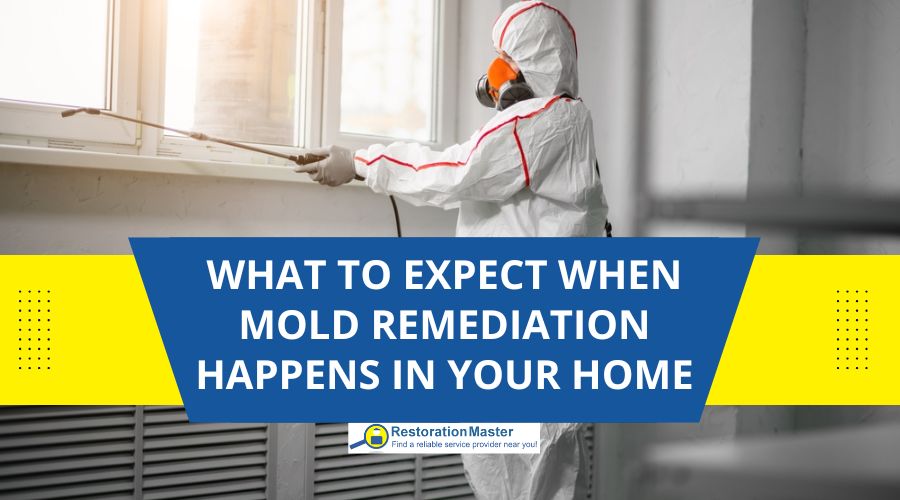
A reputable mold remediationMold remediation is the process of identifying, removing, an... Moreremediation companyA remediation company is a business specializing in cleaning... More will always put health and safety first. You can expect them to wear full protective gear including respirators, gloves, and coveralls. They will run HEPA filtration units and maintain negative air pressure to keep sporesSpores are microscopic reproductive units of fungi or mold t... More from spreading. Tools and equipment will be disinfected before moving between rooms, and you should be given clear guidance on which areas are safe to enter and which are strictly off limits. Before the job is declared complete, they will test and monitor the air to ensure it meets safe standards.
After the Mold Is Gone: How to Keep It From Coming Back
- Control indoor moisture by keeping humidityHumidity is the amount of moisture or water vapor present in... More below fifty percent. This makes your home less inviting to moldMold is a type of fungus that grows in damp or humid conditi... More sporesSpores are microscopic reproductive units of fungi or mold t... More.
- Encourage airflow in wet areas such as bathrooms and kitchens. Use fans or open windows to let steam escape and surfaces dry faster.
- Fix any leaks right away. Even small drips from pipes, faucets, or toilets can create damp spots where moldMold is a type of fungus that grows in damp or humid conditi... More can start to grow.
- Act quickly on wet surfaces. Carpets, spills, and damp walls should be dried within one or two days to prevent moldMold is a type of fungus that grows in damp or humid conditi... More from establishing.
- Regularly check hidden corners. Look in basements, attics, and crawlspaces for unusual smells, stains, or warpingWarping is the bending, twisting, or distortion of materials... More that may indicate moisture issues.
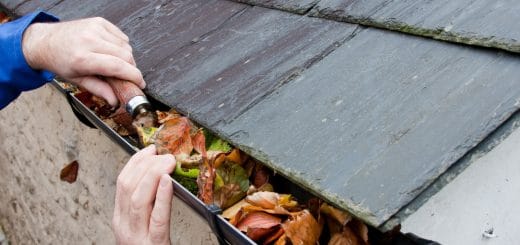
- Direct water away from your home. Keep gutters and downspouts clean so rainwater does not seep near your foundation or into your basement.
Is it safe to stay at home during mold removal | Video
Find a Local Mold Remediation Expert Near You
Don’t wait for moldMold is a type of fungus that grows in damp or humid conditi... More to spread or affect your health. With RestorationMaster, you can quickly connect with certified mold remediation contractors in your area. These local professionals have the experience, tools, and knowledge to safely remove moldMold is a type of fungus that grows in damp or humid conditi... More, restore your home, and help prevent it from coming back. Get the help you need today and take the first step toward a cleaner, healthier living space.
Frequently Asked Questions
How Long Does Mold Remediation Take?
The time it takes to remove moldMold is a type of fungus that grows in damp or humid conditi... More depends on how much of your home is affected and what materials are involved. For a small area, such as a single bathroom or laundry room, remediation can often be completed in one to three days. This includes inspecting the area, setting up containment, removing affected materials, cleaning surfaces, and dryingDrying is the process of removing moisture from materials, s... More everything thoroughly.
If the moldMold is a type of fungus that grows in damp or humid conditi... More has spread to multiple rooms or areas like a basement, kitchen, or living room, the process usually takes three to seven days. These projects often require more extensive containment, continuous air filtration, and careful monitoringMonitoring is the ongoing observation and measurement of con... More of moisture levels.
For larger or more complicated situations, such as widespread moldMold is a type of fungus that grows in damp or humid conditi... More growth in structural components, HVAC systems, or walls and floors across the home, remediation can take one to three weeks or longer. These jobs involve detailed inspections, safe removal of contaminated materials, professional cleaning, dryingDrying is the process of removing moisture from materials, s... More, and reconstruction to restore the home to a safe and healthy state.
Can Mold Removal Make You Sick?
If moldMold is a type of fungus that grows in damp or humid conditi... More is disturbed during removal, sporesSpores are microscopic reproductive units of fungi or mold t... More can become airborne. Without proper containment and professional precautions, exposure can trigger symptoms like coughing, sneezing, nasal irritation, eye irritation, or asthma flare-ups. RestorationMaster-certified contractors use HEPA filtration, negative air pressure, and protective equipment to limit exposure. When handled correctly, the process minimizes health risks and ensures the air in your home remains safe to breathe. To know more, read this guide of health effects of mold in home.
Is Mold Remediation Covered by Insurance?
Mold remediationMold remediation is the process of identifying, removing, an... More is sometimes covered, but only under specific circumstances. Most standard homeowners insurance policies will pay for moldMold is a type of fungus that grows in damp or humid conditi... More removal if the moldMold is a type of fungus that grows in damp or humid conditi... More is caused by a sudden, accidental event, such as a burst pipe or water damage from a storm.
MoldMold is a type of fungus that grows in damp or humid conditi... More caused by long-term leaks, neglect, or poor maintenanceMaintenance is the routine care, inspection, and repair of a... More is generally not covered, because insurance policies expect homeowners to prevent ongoing damage.
RestorationMaster contractors can help by providing detailed inspectionInspection is the careful examination and assessment of a pr... More reports, photos, and professional estimates, which can strengthen your insurance claim and clarify whether your situation qualifies for coverage. To understand the insurance coverage limits for mold, read the guide.
Will I be able to use my HVAC system during mold remediation?
In most cases, you should not use your HVAC system while mold remediationMold remediation is the process of identifying, removing, an... More is underway if it is connected to the affected areas. MoldMold is a type of fungus that grows in damp or humid conditi... More sporesSpores are microscopic reproductive units of fungi or mold t... More can travel through the ducts and spread throughout your home, which can make the problem worse and pose health risks.
RestorationMaster contractors usually inspect the HVAC system first. If contaminationContamination is the presence of harmful or unwanted substan... More is found, they may turn it off and seal the vents until cleaning and remediation are complete. In some cases, the system may need professional duct cleaning before it can be safely used again.
How long should I wait before returning if I temporarily relocate?
For small, localized areas, most homeowners can return within one to three days after work is complete, once the contractor confirms that the affected area is fully cleaned, dried, and safe.
For larger projects affecting multiple rooms, HVAC systems, or structural elements, it may take one to two weeks or longer.

About Vince Sandri
Vince Sandri is a content writer and blogger with more than 12 years of experience. His expertise is in creating content related to disaster restorationRestoration is the process of returning a property to its pr... More, including information about preventing and reacting to natural disasters like floodingFlooding is the overflow or accumulation of water in areas t... More, water damage, fire and smoke damage, moldMold is a type of fungus that grows in damp or humid conditi... More growth, storm damage and more.
Vince has been the main contributor to RestorationMasterFinder.com since 2014. Over that time, he has written numerous service pages and blogs for disaster restorationRestoration is the process of returning a property to its pr... More providers featured on RestorationMasterFinder.com. Vince has done extensive research and covered a wide range of topics relating to disaster restorationRestoration is the process of returning a property to its pr... More to help homeowners, business owners, and property managers better protect their property. He understands the problems that disasters like floodingFlooding is the overflow or accumulation of water in areas t... More, fire, smoke, and moldMold is a type of fungus that grows in damp or humid conditi... More can cause as well as the best ways to respond to these issues to limit the damage.
Vince completed his Bachelor of Arts degree at Aurora University and his master’s degree at DePaul University. He has been writing SEO website pages, blogs, and press releases since 2012. Vince is also a musician and can be seen playing in the Chicago, IL area.