




How to Dry Carpet After a Flood: Water Damage Step-By-Step Guide

If your carpets are wet from a flood, acting quickly is crucial. DryingDrying is the process of removing moisture from materials, s... More them immediately can prevent costly damage and stop moldMold is a type of fungus that grows in damp or humid conditi... More and mildewMildew is a type of fungus that grows on damp surfaces, typi... More from developing, which could harm your health and cause additional damage.
Understanding how long it takes to dry a carpet, the tools required, and the proper steps to follow are essential for tackling this task effectively. In this article, we’ll guide you through the process, highlight common mistakes to avoid, and share tips on preventing mold growth while dryingDrying is the process of removing moisture from materials, s... More your carpets.
Why is it Important to Dry Carpet After a Flood?
A flooded carpet can become significantly damaged if it is not quickly dried, and it can cause further issues as it creates the perfect environment for moldMold is a type of fungus that grows in damp or humid conditi... More and mildewMildew is a type of fungus that grows on damp surfaces, typi... More to grow. Acting quickly is essential to minimize the impact of the floodingFlooding is the overflow or accumulation of water in areas t... More.
Start by removing any standing water using a wet vacuum or a pump. Next, improve ventilationVentilation is the process of exchanging or circulating air ... More in the affected area by opening windows and using fans to help reduce moisture and prevent moldMold is a type of fungus that grows in damp or humid conditi... More growth. Tools like dehumidifiers, fans, and wet vacuums can be incredibly effective in speeding up the dryingDrying is the process of removing moisture from materials, s... More process. Additionally, consider lifting the carpet off the floor to promote proper airflow underneath, ensuring the area dries thoroughly.
How Long Does it Take to Dry Carpet After a Flood?
A flooded carpet typically takes 3 to 5 days to dry completely, though this can vary based on its material, thickness, and surrounding environmental factors. To speed up the dryingDrying is the process of removing moisture from materials, s... More process, ensure the room is well-ventilated and consider using dehumidifiers for optimal results.
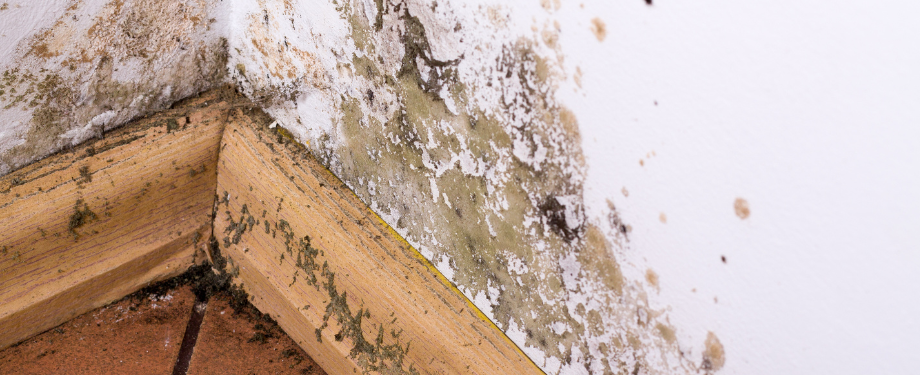
MoldMold is a type of fungus that grows in damp or humid conditi... More can start growing beneath a carpet within 24 to 48 hours of flooding, making it essential to begin dryingDrying is the process of removing moisture from materials, s... More your carpet immediately after a flood. Prompt action helps prevent the growth of moldMold is a type of fungus that grows in damp or humid conditi... More and mildewMildew is a type of fungus that grows on damp surfaces, typi... More, which thrive in damp and warm conditions. A wet carpet, especially in a poorly ventilated room, creates the perfect environment for moldMold is a type of fungus that grows in damp or humid conditi... More to flourish.
How quickly the moldMold is a type of fungus that grows in damp or humid conditi... More grows will depend on the type of carpet and subfloorThe subfloor is the foundational layer beneath flooring mate... More. If the carpet is made of organic materialsOrganic materials are derived from living organisms, such as... More such as wool or has a wooden subfloorThe subfloor is the foundational layer beneath flooring mate... More, moldMold is a type of fungus that grows in damp or humid conditi... More can grow quickly.
What Tools Are Needed to Dry Carpet After Flooding?
After a flood, it’s essential to use the right tools to properly dry your carpet. Start by assessing the size and layout of the affected area to determine the appropriate equipment for the job. For larger spaces or multi-level structures, high-capacity equipment may be necessary. Key tools include wet vacuums to remove standing water, large fans or industrial-grade blowers to accelerate dryingDrying is the process of removing moisture from materials, s... More, and powerful dehumidifiers to eliminate moisture from the air and prevent moldMold is a type of fungus that grows in damp or humid conditi... More growth.
Choose dehumidifiers with high moisture-removal capacity and the ability to run continuously. Many advanced models also feature built-in hygrometers, allowing you to monitor room humidityHumidity is the amount of moisture or water vapor present in... More levels effectively. Thoroughly dryingDrying is the process of removing moisture from materials, s... More all areas is a critical first step to evaluate whether the carpet can be salvaged or if it needs to be replaced entirely. Taking these measures ensures a cleaner, safer, and more efficient restoration process.
Step-By-Step Guide on How to Dry Carpet After a Flood

If floodingFlooding is the overflow or accumulation of water in areas t... More has impacted the carpeting in your home, it is important to react right away to address the water damage. The following are the steps to dry and save your flooded carpeting:
- Remove the water: Begin by removing the water that has saturated the carpet. The equipment needed will depend on the extent of the water damage. For carpets heavily soaked in water, a submersible pump combined with a shop vac is essential to extract large volumes effectively. If the carpet is only partially wet, a shop vac alone may suffice, as its strong suction power can handle smaller amounts of water efficiently.
- Use an absorbent towel: After removing excess water with a shop vac, place absorbent towels on the carpet to soak up the remaining moisture. If the carpet is heavily saturated, it may be necessary to contact water damage professionals for assistance.
- Air dry the carpet: To dry your carpet effectively, start by using fans and dehumidifiers to circulate air and eliminate moisture through evaporationEvaporation is the process by which a liquid, such as water,... More. Be sure to check the progress every few hours and reposition the fans as needed for even dryingDrying is the process of removing moisture from materials, s... More. If the damage is minimal and you want to speed up the process, a hairdryer can be a useful tool. Hold the hairdryer a few inches above the carpet and move it back and forth across the damp areas. Allow the carpet to cool before checking if it is completely dry.
- Change out the carpet padding: Water damage can severely affect carpet padding, and simply dryingDrying is the process of removing moisture from materials, s... More the carpet often isn’t enough to resolve the issue. If water remains trapped in the padding beneath the carpet, it can leadLead is a heavy metal that can be toxic to humans, especiall... More to mold growth that spreads to the carpet itself. In severe cases, such as floodingFlooding is the overflow or accumulation of water in areas t... More, salvaging the carpet and its padding may not be possible. When this happens, both the carpet and padding will need to be removed and replaced to prevent further damage and ensure a safe, clean environment.
Common Mistakes to Avoid When Drying Carpet
If you’ve decided to dry your flooded carpet yourself, you will need to avoid common mistakes that can make the damage even worse. Make sure you do the following to avoid mistakes:
- Never walk on the wet carpet as it will push the moisture into the carpet even further.
- If the carpet is soaked, you may need to remove the carpet and the padding so it can fully dry.
- Always vent the area so you can prevent mold and mildew from growing.
- If you see any signs of moldMold is a type of fungus that grows in damp or humid conditi... More or mildewMildew is a type of fungus that grows on damp surfaces, typi... More, treat it immediately so it does not spread or cause permanent damage to the carpeting.
How to Prevent Mold Growth While Drying Carpet
Preventing moldMold is a type of fungus that grows in damp or humid conditi... More growth under your carpets can be challenging, but with the right steps, you can effectively dry and restore them to their pre-flood condition. Here are some practical tips to help you get started:
- Keep the affected area dry and well-ventilated.
- Always use dehumidifiers and fans so you can reduce humidityHumidity is the amount of moisture or water vapor present in... More and promote air circulation.
- You can apply anti-mold sprays or solutions that are meant for carpets.
- Always check for any signs of moldMold is a type of fungus that grows in damp or humid conditi... More and remove it right away if noticed.
- Make sure to regularly vacuum, deal with spills right away, and have periodic professional cleaning to keep your carpet looking nice.
- If you live in an area that is prone to floods, look into various waterproofingWaterproofing is the application of materials or coatings de... More solutions available on the market as a preventative measure.
When Should I Call Professionals for Water Damage?
In some cases, you may be able to handle cleaning water damage from your carpet on your own. However, if the affected area is extensive or you lack the necessary equipment, it’s best to hire a professional water damage restoration company. This ensures the damage is addressed promptly, prevents costly repairs, and stops the water from leading to moldMold is a type of fungus that grows in damp or humid conditi... More growth.
Get Professional Water Damage Restoration and Carpet Cleaning Services

DryingDrying is the process of removing moisture from materials, s... More a carpet after a flood is a time-sensitive task that requires proper tools, techniques, and attention to detail. Acting quickly can prevent long-term damage, including moldMold is a type of fungus that grows in damp or humid conditi... More and mildewMildew is a type of fungus that grows on damp surfaces, typi... More growth, while also preserving the quality and safety of your home. By following the steps outlined in this guide, you can effectively dry your carpets, avoid common mistakes, and minimize the risk of further complications.
However, if the damage is severe or you lack the appropriate resourcesResources include tools, personnel, equipment, and materials... More, don’t hesitate to call professional water damage restorationWater damage restoration is the professional process of clea... More experts. Their specialized equipment and expertise can save you time, effort, and potentially costly repairs. These professionals can effectively remove excess water to dry the carpeting and treat it for moldMold is a type of fungus that grows in damp or humid conditi... More. Some water damage professionals also provide carpet cleaning which can help restore your carpeting to its original appearance and texture following a flood. Ultimately, a prompt and thorough response will help restore your carpets and home to a clean, safe, and comfortable condition.

About Vince Sandri
Vince Sandri is a content writer and blogger with more than 12 years of experience. His expertise is in creating content related to disaster restorationRestoration is the process of returning a property to its pr... More, including information about preventing and reacting to natural disasters like floodingFlooding is the overflow or accumulation of water in areas t... More, water damage, fire and smoke damage, moldMold is a type of fungus that grows in damp or humid conditi... More growth, storm damage and more.
Vince has been the main contributor to RestorationMasterFinder.com since 2014. Over that time, he has written numerous service pages and blogs for disaster restorationRestoration is the process of returning a property to its pr... More providers featured on RestorationMasterFinder.com. Vince has done extensive research and covered a wide range of topics relating to disaster restorationRestoration is the process of returning a property to its pr... More to help homeowners, business owners, and property managers better protect their property. He understands the problems that disasters like floodingFlooding is the overflow or accumulation of water in areas t... More, fire, smoke, and moldMold is a type of fungus that grows in damp or humid conditi... More can cause as well as the best ways to respond to these issues to limit the damage.
Vince completed his Bachelor of Arts degree at Aurora University and his master’s degree at DePaul University. He has been writing SEO website pages, blogs, and press releases since 2012. Vince is also a musician and can be seen playing in the Chicago, IL area.