

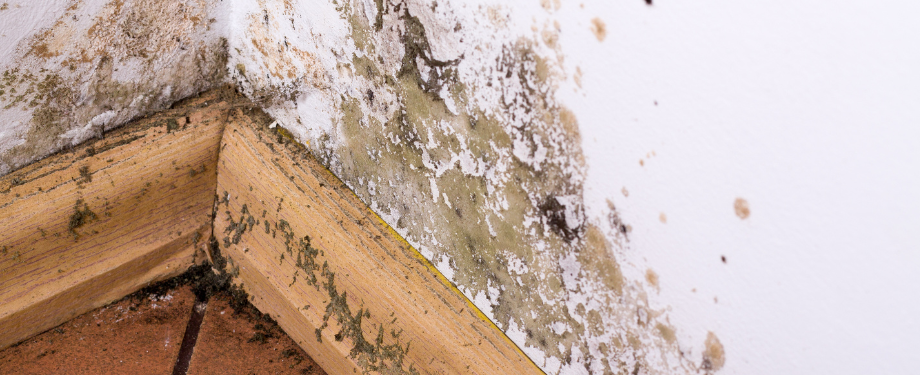



Understanding the Accuracy of DIY Mold Testing Kits | Risks of False Negatives
Understanding the accuracy of home moldMold is a type of fungus that grows in damp or humid conditi... More testing kits and the risk of false negatives in detecting toxic moldMold is a type of fungus that grows in damp or humid conditi... More is essential. In this article, we’ll explore whether DIY moldMold is a type of fungus that grows in damp or humid conditi... More kits are reliable and why they often fall short of professional standards.
If you’re dealing with moldMold is a type of fungus that grows in damp or humid conditi... More growth in your home or business, it’s crucial to enlist professional help for proper removal. Certified mold specialists ensure the moldMold is a type of fungus that grows in damp or humid conditi... More is thoroughly eradicated using advanced mold detect tools, preventing future growth and moldMold is a type of fungus that grows in damp or humid conditi... More damage.
Are DIY Mold Testing Kits Accurate?
Not always. DIY kits often fail to detect hidden or airborne moldMold is a type of fungus that grows in damp or humid conditi... More, produce unreliable results, and lack expert interpretation. For accurate moldMold is a type of fungus that grows in damp or humid conditi... More detection and effective removal, it’s best to work with certified moldMold is a type of fungus that grows in damp or humid conditi... More specialists.
5 Reasons Why Mold Testing Kits Often Fail
Do-it-yourself (DIY) moldMold is a type of fungus that grows in damp or humid conditi... More test kits are widely available and may seem like a convenient, low-cost option to detect moldMold is a type of fungus that grows in damp or humid conditi... More in your home or business, but they come with serious limitations. These kits often fail to provide accurate moldMold is a type of fungus that grows in damp or humid conditi... More detection and can produce misleading results, especially when compared to certified mold remediationMold remediation is the process of identifying, removing, an... More services.
While DIY moldMold is a type of fungus that grows in damp or humid conditi... More kits may detect visible moldMold is a type of fungus that grows in damp or humid conditi... More, they often fail to identify airborne moldMold is a type of fungus that grows in damp or humid conditi... More sporesSpores are microscopic reproductive units of fungi or mold t... More that can impact indoor air qualityIndoor air quality (IAQ) refers to the condition of the air ... More. Below, we break down the limitations of DIY moldMold is a type of fungus that grows in damp or humid conditi... More test kits and why professional mold inspection is typically the safer, more effective option.
- Limited Scope of Testing: DIY kits typically collect samples from a single surface, missing moldMold is a type of fungus that grows in damp or humid conditi... More hidden in walls, ceilings, or air ducts. This narrow focus often results in an incomplete assessment.
- Inaccurate MoldMold is a type of fungus that grows in damp or humid conditi... More Identification: Most kits rely on visual identification or unaccredited lab analysis. They often cannot identify toxic moldMold is a type of fungus that grows in damp or humid conditi... More species like StachybotrysStachybotrys is a type of black mold (often called “black ... More, which can pose serious health risks.
- No Expert Identification: Users are left to interpret results without guidance. Without the training of a certified moldMold is a type of fungus that grows in damp or humid conditi... More specialist, results can be misread or misused.
- False Negatives or Positives: Environmental contaminationContamination is the presence of harmful or unwanted substan... More, user error, or poor sampling methods often leadLead is a heavy metal that can be toxic to humans, especiall... More to unreliable results, giving a false sense of security or causing unnecessary alarm.
- Lack of Professional Validation: Unlike professional mold inspections, DIY results aren’t accepted for insurance claims or legal documentation, and they don’t come with cleanup or preventionPrevention refers to actions taken to reduce the likelihood ... More plans.
For a thorough and precise assessment, it’s always best to consult an expert who can conduct a comprehensive moldMold is a type of fungus that grows in damp or humid conditi... More analysis. This ensures you have a clear understanding of the issue and the appropriate steps to address it effectively.
DIY Mold Testing Kits vs. Professional Mold Testing: Key Differences
The chart below compares DIY kits with professional mold remediationMold remediation is the process of identifying, removing, an... More services, so you can make an informed decision.
| Category | DIY MoldMold is a type of fungus that grows in damp or humid conditi... More Testing Kits | Professional Mold RemediationMold remediation is the process of identifying, removing, an... More Services |
| Accuracy | Prone to false positives and false negatives due to limited collection methods | High accuracy using certified tools and lab testing for moldMold is a type of fungus that grows in damp or humid conditi... More sporesSpores are microscopic reproductive units of fungi or mold t... More and species |
| Scope of Detection | Limited to surface moldMold is a type of fungus that grows in damp or humid conditi... More or one location | Full-property inspectionInspection is the careful examination and assessment of a pr... More, including airborne sporesSpores are microscopic reproductive units of fungi or mold t... More, walls, HVAC, attic, and basement |
| Airborne MoldMold is a type of fungus that grows in damp or humid conditi... More Testing | Not capable of detecting airborne sporesSpores are microscopic reproductive units of fungi or mold t... More | Measures moldMold is a type of fungus that grows in damp or humid conditi... More sporesSpores are microscopic reproductive units of fungi or mold t... More per cubic meter with controlled air samplingAir sampling is the process of collecting and analyzing air ... More equipment |
| MoldMold is a type of fungus that grows in damp or humid conditi... More Identification | Based on appearance or low-cost lab results, often unreliable | Identifies specific moldMold is a type of fungus that grows in damp or humid conditi... More species (e.g., StachybotrysStachybotrys is a type of black mold (often called “black ... More, Chaetomium) through lab analysis |
| Health Risk Assessment | Not included; no analysis of potential health hazards | Includes health risk evaluation for toxic or allergenic moldMold is a type of fungus that grows in damp or humid conditi... More |
| Turnaround Time | Delayed due to shipping to third-party labs | Immediate or same-day reporting in many cases |
| Expert Interpretation | No expert review or context provided | Certified moldMold is a type of fungus that grows in damp or humid conditi... More specialists interpret results and recommend solutions |
| Cost Considerations | Lower upfront cost but limited value | Higher initial investment, but includes detection, removal, and preventionPrevention refers to actions taken to reduce the likelihood ... More |
| Regulatory/Insurance Compliance | Not recognized by insurers or commercial property guidelines | Accepted documentation for insurance claims and health/safety inspections |
| Long-Term PreventionPrevention refers to actions taken to reduce the likelihood ... More | No guidance or preventative strategy included | Offers moisture control, ventilationVentilation is the process of exchanging or circulating air ... More recommendations, and post-remediation testing |
While DIY moldMold is a type of fungus that grows in damp or humid conditi... More testing kits may offer a quick and inexpensive option, the comparison above highlights serious limitations, especially when accuracy and health are on the line. These kits cannot typically detect airborne moldMold is a type of fungus that grows in damp or humid conditi... More sporesSpores are microscopic reproductive units of fungi or mold t... More, identify specific moldMold is a type of fungus that grows in damp or humid conditi... More species, or provide a complete picture of the contaminationContamination is the presence of harmful or unwanted substan... More in your home or business.
In contrast, professional moldMold is a type of fungus that grows in damp or humid conditi... More testing includes comprehensive inspectionInspection is the careful examination and assessment of a pr... More methods, certified lab analysis, expert interpretation, and actionable remediation plans. It’s not just about confirming whether moldMold is a type of fungus that grows in damp or humid conditi... More is present; it’s about understanding the type of moldMold is a type of fungus that grows in damp or humid conditi... More, the severity of the issue, and how to eliminate it safely and thoroughly.
If you’ve noticed musty odors, water damage, or allergy-like symptoms, don’t rely on incomplete or misleading results. A certified moldMold is a type of fungus that grows in damp or humid conditi... More inspectionInspection is the careful examination and assessment of a pr... More can give you the peace of mind and clarity you need to protect your property and your health.
Why DIY Mold Test Kits Are Often Misleading
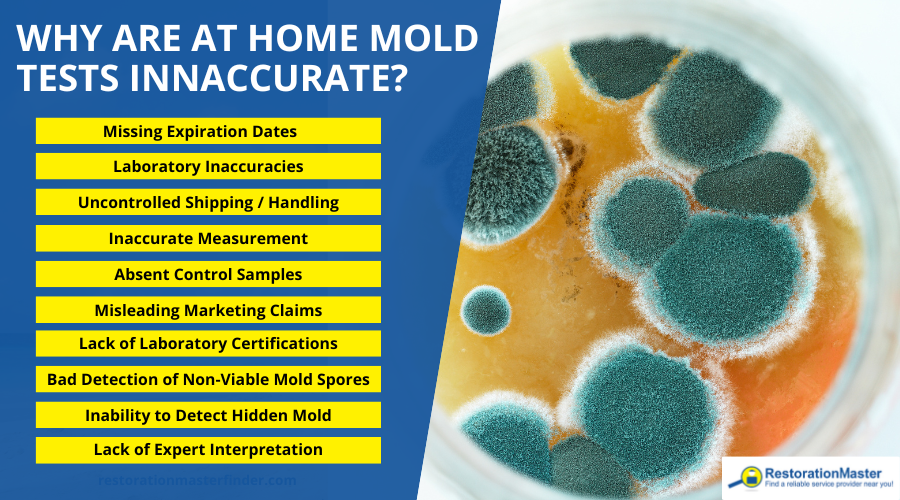
MoldMold is a type of fungus that grows in damp or humid conditi... More growth, especially in hidden areas, can pose serious health risks such as asthma, allergies, and other respiratory conditions, making professional moldMold is a type of fungus that grows in damp or humid conditi... More removal essential. While DIY mold test kits may seem like an affordable and convenient option, they often lack the accuracy and reliability needed to effectively detect and assess moldMold is a type of fungus that grows in damp or humid conditi... More issues. Here’s why:
1. Missing expiration dates
Many DIY moldMold is a type of fungus that grows in damp or humid conditi... More kits do not have expiration dates listed, which may cause potential for contaminationContamination is the presence of harmful or unwanted substan... More of the testing medium over time. Also, when the kit is exposed to different environmental factors, it can compromise the sterility of the agar used in the kits, which can cause inaccurate readings. Consumers are unable to know how long these kits have been stored and what kind of conditions they were stored in, and that should make them question the results.
2. Demonstrated laboratory inaccuracies
In many cases, DIY moldMold is a type of fungus that grows in damp or humid conditi... More test kits have been reported to have high moldMold is a type of fungus that grows in damp or humid conditi... More counts when the actual levels were low or vice versa. This shows the unreliability of such kits in giving the proper assessments of moldMold is a type of fungus that grows in damp or humid conditi... More presence.
3. Shipping and handling that is uncontrolled
DIY kits often require shipping to uncertified labs, increasing the risk of tampered results—unlike mold remediationMold remediation is the process of identifying, removing, an... More services that offer on-site testing with rapid analysis. When the kits are sent out to the lab, they may be exposed to extreme temperatures, humidityHumidity is the amount of moisture or water vapor present in... More, and other factors during the shipping process that may affect the results, such as giving a false positive or false negative.
4. Unable to measure airborne mold spores accurately
When professional mold specialists do their moldMold is a type of fungus that grows in damp or humid conditi... More assessments, they measure moldMold is a type of fungus that grows in damp or humid conditi... More sporesSpores are microscopic reproductive units of fungi or mold t... More per cubic meter using the proper controlled airflow through mechanical pumps. Because DIY kits lack proper air-sampling equipment, they cannot measure airborne moldMold is a type of fungus that grows in damp or humid conditi... More sporesSpores are microscopic reproductive units of fungi or mold t... More per cubic meter, a standard used in commercial moldMold is a type of fungus that grows in damp or humid conditi... More removal services.
5. Control samples are absent
It is crucial to have control samples to validate the elevation of moldMold is a type of fungus that grows in damp or humid conditi... More sporesSpores are microscopic reproductive units of fungi or mold t... More and have a proper reference point. In many cases, DIY kits don’t have the materials included to take control samples from other rooms or outdoor environments, which can make it difficult to figure out the results.
6. Misleading marketing claims
Consumers may think that DIY kits can identify and quantify the very specific types of moldMold is a type of fungus that grows in damp or humid conditi... More. However, to figure out such details, the samples need to be sent to the lab. With the issues mentioned above with shipping and handling, you may not end up with reliable information.
7. Lack of laboratory certifications that are accredited
Some of the laboratories that are associated with the DIY kits are not recognized by AIHA-LAP LLC. Often, there is also no proper chain of custody documentation, which is crucial to fully ensuring the integrity and traceability of the samples.
8. Not detecting the non-viable mold spores
DIY moldMold is a type of fungus that grows in damp or humid conditi... More testing kits focus on growing moldMold is a type of fungus that grows in damp or humid conditi... More cultures, but they cannot detect non-viable moldMold is a type of fungus that grows in damp or humid conditi... More sporesSpores are microscopic reproductive units of fungi or mold t... More, such as those from StachybotrysStachybotrys is a type of black mold (often called “black ... More and Chaetomium. These sporesSpores are microscopic reproductive units of fungi or mold t... More, commonly found in water-damaged areas, are sticky and difficult to grow in standard testing mediums. As a result, they are best identified through non-viable testing methods. Overlooking these sporesSpores are microscopic reproductive units of fungi or mold t... More can leadLead is a heavy metal that can be toxic to humans, especiall... More to incomplete assessments and potential health risks, making thorough and accurate testing essential.
9. Unable to detect hidden mold
DIY kits do not identify hidden moldMold is a type of fungus that grows in damp or humid conditi... More, as their focus is on visible or airborne moldMold is a type of fungus that grows in damp or humid conditi... More in open areas.
10. Expert interpretation is lacking
Interpreting moldMold is a type of fungus that grows in damp or humid conditi... More test results requires specialized expertise. DIY kits often provide raw data without context, leaving homeowners to decipher the findings on their own. Misinterpretation can leadLead is a heavy metal that can be toxic to humans, especiall... More to unnecessary alarm or, even worse, overlooking a serious moldMold is a type of fungus that grows in damp or humid conditi... More problem.
Why DIY Mold Testing Kits Aren’t Accurate | RestorationMaster Video
Get Accurate Mold Testing and Remediation from Certified Experts
While DIY moldMold is a type of fungus that grows in damp or humid conditi... More test kits may appear to be a convenient and cost-effective option, they fall short in providing the accuracy, reliability, and thoroughness required for proper moldMold is a type of fungus that grows in damp or humid conditi... More detection. From false results and inadequate sampling methods to the lack of professional interpretation and certified laboratory testing, these kits can leave serious moldMold is a type of fungus that grows in damp or humid conditi... More issues undetected or misunderstood. For peace of mind and long-term protection, trust professionals who provide complete mold remediationMold remediation is the process of identifying, removing, an... More, including attic moldMold is a type of fungus that grows in damp or humid conditi... More removal, air testing, and certified cleanup.
When you suspect a moldMold is a type of fungus that grows in damp or humid conditi... More problem in your home or business, make sure to call mold remediation experts right away. These experts can accurately test your property for the presence of moldMold is a type of fungus that grows in damp or humid conditi... More growth and determine the type of moldMold is a type of fungus that grows in damp or humid conditi... More and the extent of the growth. With this information, they can then form a remediation plan to completely remove the moldMold is a type of fungus that grows in damp or humid conditi... More growth and restore your property to a safe condition.
To schedule your estimate for moldMold is a type of fungus that grows in damp or humid conditi... More testing and mold remediationMold remediation is the process of identifying, removing, an... More in Westerly, RI, and the surrounding areas, contact Water Damage DryingDrying is the process of removing moisture from materials, s... More Services at (860) 499-3395.
FAQs – Home Mold Testing Kits
Can mold test kits detect black mold or toxic mold?
Most DIY kits cannot accurately detect black moldMold is a type of fungus that grows in damp or humid conditi... More or toxic moldMold is a type of fungus that grows in damp or humid conditi... More like StachybotrysStachybotrys is a type of black mold (often called “black ... More. Identifying harmful moldMold is a type of fungus that grows in damp or humid conditi... More species requires professional lab analysis and expertise.
When should I call a professional for mold testing?
You should call a professional if you notice persistent musty odors, recent water damage, health symptoms, visible moldMold is a type of fungus that grows in damp or humid conditi... More, or if DIY test results are unclear.
Can I test for mold myself at home?
Yes, you can test for moldMold is a type of fungus that grows in damp or humid conditi... More yourself using a DIY moldMold is a type of fungus that grows in damp or humid conditi... More test kit, but results may be limited or misleading. These kits typically can’t detect hidden moldMold is a type of fungus that grows in damp or humid conditi... More or provide detailed species identification without expert analysis.
Do mold test kits detect airborne mold spores?
Most DIY moldMold is a type of fungus that grows in damp or humid conditi... More kits do not detect airborne moldMold is a type of fungus that grows in damp or humid conditi... More sporesSpores are microscopic reproductive units of fungi or mold t... More effectively. Measuring airborne moldMold is a type of fungus that grows in damp or humid conditi... More requires professional equipment like air samplingAir sampling is the process of collecting and analyzing air ... More pumps and spore trap analysis, which are used by certified moldMold is a type of fungus that grows in damp or humid conditi... More inspectors.
Are mold test kit results accepted by insurance companies?
In most cases, no. DIY moldMold is a type of fungus that grows in damp or humid conditi... More test results are not accepted by insurance providers or for regulatory compliance. Certified moldMold is a type of fungus that grows in damp or humid conditi... More inspections provide the proper documentation for claims or legal use.
What should I do if a mold test kit shows positive results?
If a moldMold is a type of fungus that grows in damp or humid conditi... More test kit shows positive results, the next step is to contact a certified mold remediationMold remediation is the process of identifying, removing, an... More expert. They can verify the findings, assess the severity, and develop a safe and effective removal plan.

About Ryan Mason
An expert in the disaster restorationRestoration is the process of returning a property to its pr... More industry, Ryan’s journey began at the age of 15, mobilizing across the United States to areas affected by flood, hurricanes and other natural disasters. He is the co-owner of ServiceMaster By Mason since 2001, and has provided restorationRestoration is the process of returning a property to its pr... More and specialty cleaning services to thousands of businesses big-and-small, including assisting with the clean-up efforts at the Boston Public Library after a water-main break and the Pentagon after the 9/11 attacks. Ryan is certified with the Professional MoldMold is a type of fungus that grows in damp or humid conditi... More InspectionInspection is the careful examination and assessment of a pr... More Institute to conduct Air Quality Testing and has received the following IICRC Certifications: ASD, WRT, FSRT, AMRT, and OCT as well as ANMAR and HAZWOPER certifications.