

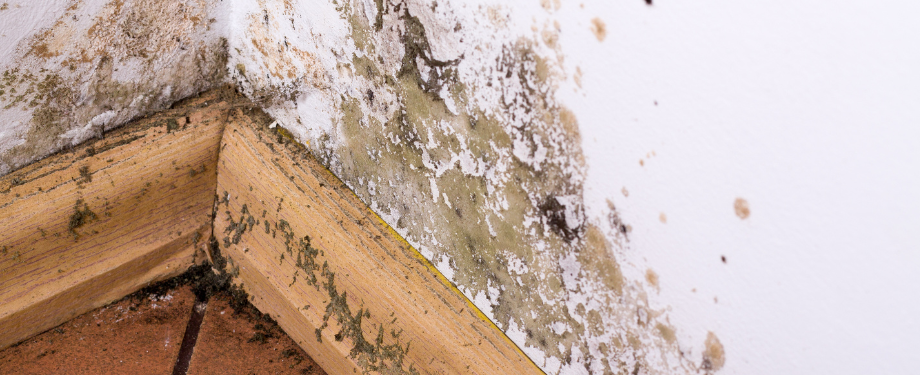



What are the Main Causes of Basement Flooding?
A flooded basement represents one of the most distressing and challenging scenarios for any homeowner. Beyond the immediate struggle of managing standing water, the aftermath of a flooded basement can initiate a chain of problems that extend far beyond the initial crisis. Basements, being particularly vulnerable to water damage, can give rise to various issues if not promptly addressed. These challenges range from compromised structural integrity to the concealed growth of moldMold is a type of fungus that grows in damp or humid conditi... More and mildewMildew is a type of fungus that grows on damp surfaces, typi... More. Additionally, the financial strain of restorationRestoration is the process of returning a property to its pr... More services can be overwhelming. In this blog, we will investigate the reasons behind basement floodingFlooding is the overflow or accumulation of water in areas t... More, examining the factors that make basements prone to water damage and exploring the potential consequences that may follow.
Top 7 Common Causes of Basement Flooding
Below are the common reasons on why your basement often faces flood:
- Sump PumpA sump pump is a pump installed in a basement or crawlspace ... More Failure: The sump pumpA sump pump is a pump installed in a basement or crawlspace ... More plays an essential role in preventing basement floodingFlooding is the overflow or accumulation of water in areas t... More by redirecting water away from your home’s foundation. If the pump malfunctions, experiences a power outage, or is strained during heavy rainfall, it can result in water accumulation in the basement.
- Improperly Installed Downspouts: Downspouts play an essential role in guiding rainwater away from your home. If they are improperly installed or too short, water may pool around the foundation, gradually seeping into the basement. Ensure downspouts extend at least 6 feet away from the house, directing water away from the foundation.
- Sewer Backup: Sewer backups occur when the municipal sewer system is overloaded, pushing water back into your home. Installing a backwater valve can help prevent this issue by blocking the reverse flow of sewageSewage is wastewater containing biological and chemical cont... More into your basement.
- Clogged Gutters: The gutters are very important for preventing basement floodingFlooding is the overflow or accumulation of water in areas t... More because they carry rain water away from the home to drain. When the gutters become clogged or broken, they overflow and allow the water to build up near the side of your home. If the ground near your home soaks up too much water, this ground water will end up in your basement.
- Improper Yard Grading: Many homeowners overlook this detail, but the grading of your yard around your home is necessary. The ground should ideally slant away from your house, facilitating the smooth drainage of water to a distance. If your yard slopes in the direction of your home, excess water is more likely to follow suit, substantially heightening the potential for basement floodingFlooding is the overflow or accumulation of water in areas t... More. If excess water pools throughout your yard, this is a sign of very poor grading.
- Plumbing Leaks: Leaking pipes, whether from aging or damage, can introduce water into your basement. Inspect your plumbing regularly and address any leaks promptly to prevent water damage and potential moldMold is a type of fungus that grows in damp or humid conditi... More growth.
- Drainage Tile Failure: Drainage tiles, also known as weeping tiles, are designed to redirect groundwaterGroundwater is water that exists beneath the earth’s surfa... More away from the foundation. If these tiles fail due to clogs or damage, water may accumulate around the foundation and infiltrate the basement.
- Foundation Cracks: Cracks in your home’s foundation provide a direct route for water. These cracks may emerge due to soil settlement, hydrostatic pressure, or natural aging. Regular inspections are essential to catch these cracks early. By timely repairs and proactively fixing foundation cracks, you prevent water damage and safeguard your home against structural issues and more extensive water-related problems.
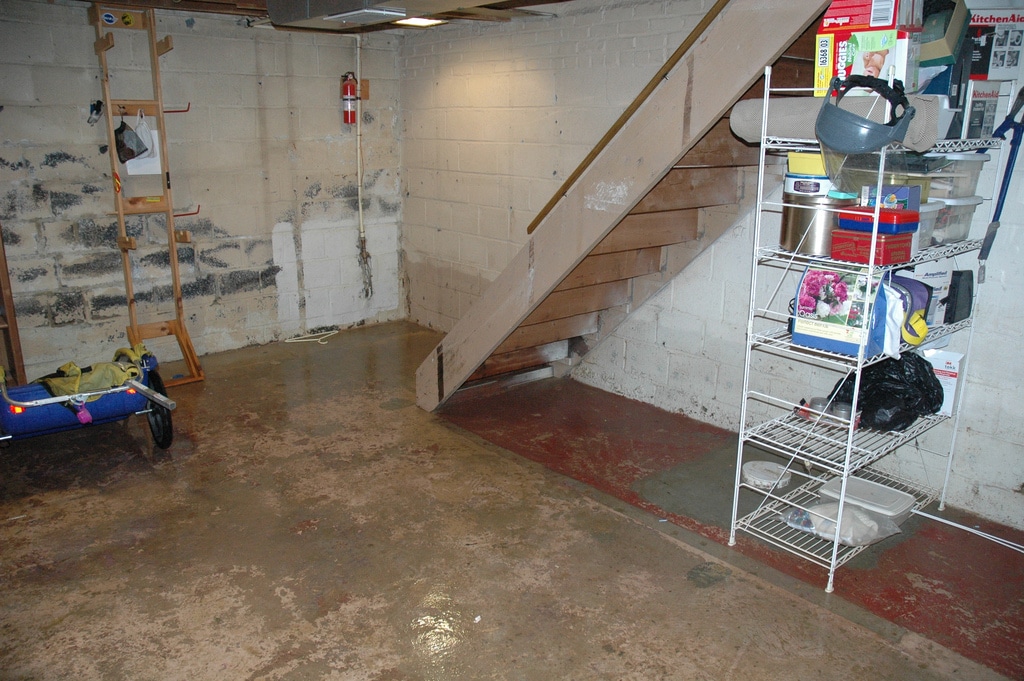
Flood water commonly enters through cracks in the foundation.
What is the best solution for basement flooding?
- Install a Reliable Sump PumpA sump pump is a pump installed in a basement or crawlspace ... More: Invest in a high quality sump pumpA sump pump is a pump installed in a basement or crawlspace ... More. Make sure it is regularly checked,and maintained to guarantee it’s functionality during heavy rain and storms.
- Maintain Clear Gutters and Downspouts: Regularly clean gutters and downspouts to prevent clogs that can impede proper water flow. Additionally, extend downspouts away from the foundation to divert water away from the basement.
- Thoroughly Inspect and Seal Foundation Cracks: Conduct routine inspections of your foundation for any cracks or vulnerabilities. Promptly seal any identified cracks to prevent water infiltrationInfiltration is the process by which water, air, or other su... More into the basement.
- Install a Backwater Valve: Consider installing a backwater valve in your sewer line to prevent the backflow of sewageSewage is wastewater containing biological and chemical cont... More into your basement during heavy rainfall or floodingFlooding is the overflow or accumulation of water in areas t... More.
- Apply WaterproofingWaterproofing is the application of materials or coatings de... More Sealant to Basement Walls: Protect your basement against water intrusion by applying a waterproofingWaterproofing is the application of materials or coatings de... More sealant to the interior and exterior walls. This acts as a barrier, reducing the risk of moisture penetration.
- Elevate Critical Appliances and Utilities: Elevate electrical panels, appliances, and utilities in the basement to higher levels. This precautionary step helps minimize damage in the event of basement floodingFlooding is the overflow or accumulation of water in areas t... More.
- Consider Flood Insurance: Evaluate the need for flood insurance based on your location and potential flood risk. It provides financial protection in case of basement floodingFlooding is the overflow or accumulation of water in areas t... More and associated damages.
Do all Basements Flood?
Basements don’t always flood, but some might have minor seepageSeepage is the slow movement of water or other fluids throug... More, while others could face more significant water issues. According to insurance research, about 98% of basements will likely deal with water damage at some point. This highlights the common risk, emphasizing the importance of taking precautions and considering insurance to handle potential water-related challenges. However, certain key indicators can help you understand if your basement is prone to severe floodingFlooding is the overflow or accumulation of water in areas t... More, such as:
- You have ignored cleaning your gutters
- You have poor maintenanceMaintenance is the routine care, inspection, and repair of a... More going around in the house
- You have poor ventilationVentilation is the process of exchanging or circulating air ... More in your basement
- You are living in an area prone to floodingFlooding is the overflow or accumulation of water in areas t... More or has experienced flood in the past years
- Your property is located in an area with a high water table, the groundwaterGroundwater is water that exists beneath the earth’s surfa... More level may rise during periods of heavy rain.
What to do if your basement floods?
it’s important to take prompt action to minimize damage and ensure safety. Here are steps you can take if your basement floods:
- Turn off the power to the basement if it’s safe to do so. Do not enter a flooded basement if the power is still on.
- Determine the cause of the floodingFlooding is the overflow or accumulation of water in areas t... More. It could be a burst pipe, heavy rain, a malfunctioning sump pumpA sump pump is a pump installed in a basement or crawlspace ... More, or other issues.
- Use a sump pumpA sump pump is a pump installed in a basement or crawlspace ... More to remove standing water. If you don’t have one, you may need to rent or purchase one.
- If the floodingFlooding is the overflow or accumulation of water in areas t... More is severe, consider calling water damage restorationWater damage restoration is the professional process of clea... More professionals for water removal.
- Use fans and dehumidifiers to help dry out the basement. This helps prevent moldMold is a type of fungus that grows in damp or humid conditi... More growth. In situations where you have discovered that moldMold is a type of fungus that grows in damp or humid conditi... More has developed, it is best to call mold remediation experts.
- Open windows and doors to improve ventilationVentilation is the process of exchanging or circulating air ... More if weather conditions permit.
- Dispose of items that cannot be salvaged or thoroughly cleaned. This includes furniture, carpeting, and other belongings affected by the water.
- Clean and disinfect all affected surfaces. Use a mixture of water and bleach to disinfect, especially if the floodingFlooding is the overflow or accumulation of water in areas t... More involved sewageSewage is wastewater containing biological and chemical cont... More backup.
- Monitor the area for signs of moldMold is a type of fungus that grows in damp or humid conditi... More growth. If you notice black or green mold, take steps to address it promptly, as it can pose health risks.
- Notify your insurance company about the floodingFlooding is the overflow or accumulation of water in areas t... More. Document the damage with photos and keep records of any expenses related to the basement flood cleanup.
Seek Professionals for Restoration
If your basement experiences significant floodingFlooding is the overflow or accumulation of water in areas t... More, it’s crucial to call in a water damage restoration professional right away. Getting experts involved quickly is essential to minimize damage, remove excess water, and start the necessary repairs. Professionals have the right skills and tools to not only fix visible damage but also tackle hidden issues like moldMold is a type of fungus that grows in damp or humid conditi... More and structural problems. They can also handle sewage cleanup if necessary, ensuring a comprehensive solutionA solution is a homogeneous mixture of two or more substance... More to the floodingFlooding is the overflow or accumulation of water in areas t... More issue.

About Vince Sandri
Vince Sandri is a content writer and blogger with more than 12 years of experience. His expertise is in creating content related to disaster restorationRestoration is the process of returning a property to its pr... More, including information about preventing and reacting to natural disasters like floodingFlooding is the overflow or accumulation of water in areas t... More, water damage, fire and smoke damage, moldMold is a type of fungus that grows in damp or humid conditi... More growth, storm damage and more.
Vince has been the main contributor to RestorationMasterFinder.com since 2014. Over that time, he has written numerous service pages and blogs for disaster restorationRestoration is the process of returning a property to its pr... More providers featured on RestorationMasterFinder.com. Vince has done extensive research and covered a wide range of topics relating to disaster restorationRestoration is the process of returning a property to its pr... More to help homeowners, business owners, and property managers better protect their property. He understands the problems that disasters like floodingFlooding is the overflow or accumulation of water in areas t... More, fire, smoke, and moldMold is a type of fungus that grows in damp or humid conditi... More can cause as well as the best ways to respond to these issues to limit the damage.
Vince completed his Bachelor of Arts degree at Aurora University and his master’s degree at DePaul University. He has been writing SEO website pages, blogs, and press releases since 2012. Vince is also a musician and can be seen playing in the Chicago, IL area.