





Common Subflooring Issues to Watch Out For
The durability of your flooring can vary greatly depending on its material, quality, and placement. Most homeowners know to be mindful of basic care for carpets versus hardwood. What you may not have considered is the importance of what can’t be easily seen — the subflooring.
Subflooring is the layer located under the finished floor covering that acts as the foundation. Normally, it provides a level surface to support your floors. However, if it’s not taken care of properly, you may run into the following issues.
1. Mold and Moisture
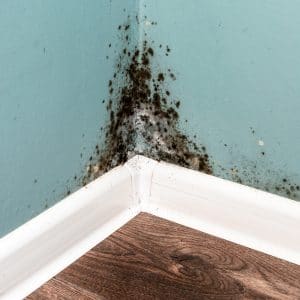
When moisture forms between layers of the floor, moldMold is a type of fungus that grows in damp or humid conditi... More can occur. You’re more likely to find moldMold is a type of fungus that grows in damp or humid conditi... More in sheet vinylVinyl is a durable synthetic plastic material commonly used ... More, laminate flooringLaminate flooring is a type of flooring made of multiple lay... More or ceramic tile. With carpet, the moisture is more noticeable, and you can take care of it much more quickly.
Some causes of moisture can include faucet or toilet leaks. It is a good idea to double-check that your toilet water isn’t still running for a while after you flush. If the wax ring under the toilet is not secured correctly, water can escape from the drainpipes and affect your subflooring.
Another factor that creates moisture is warm air. While you may have been blasting the heat during this cold and snowy winter, try lowering the heat a little as spring temperatures are coming.
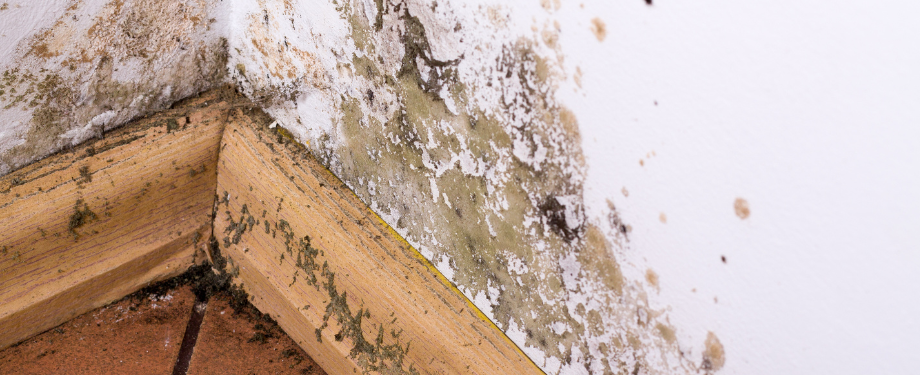
MoldMold is a type of fungus that grows in damp or humid conditi... More exposure can cause symptoms similar to an allergic reaction, such as a running nose, coughing or sneezing. However, less common symptoms of moldMold is a type of fungus that grows in damp or humid conditi... More exposure include respiratory infections and digestive problems. Although moldMold is a type of fungus that grows in damp or humid conditi... More is not often visible under the flooring, you can usually detect it through smell. It has a musty, earthy odorAn odor is a smell, often detectable by the human nose, whic... More to it. Another sign of moldMold is a type of fungus that grows in damp or humid conditi... More is the discoloration of the flooring.
If you discover moldMold is a type of fungus that grows in damp or humid conditi... More, it might be wise to call a professional. Removing mold can carry risks and requires equipment and experience many homeowners may not have.
2. Cupped Hardware Boards
Cupping is when the floor’s sides are higher than the center and create a concave shape. This often occurs when there is an elevation of moisture contentMoisture content is the amount of water present in a materia... More in the bottom of the flooring compared to the top layer. The problem can arise from plumbing issues, appliance or building leaks, or site grading problems. Moisture vaporVapor is the gaseous form of a substance that is typically l... More can also cause problems.
To solve a cupping problem before it creates too much damage, eliminate the source of water, and dry out the floor. Use a combination of heat, air movement, and low humidityHumidity is the amount of moisture or water vapor present in... More.
3. Cracks in Floor Tiles
Cracks in the floor not only make the flooring look unpolished but can also be hazardous if unnoticed. So what causes these cracks? First, any heavy impact to the floor, like dropping a large pot, can create unwanted splits. Usually, this type of disruption affects the edges of the floor rather than the center. Heavier furniture or appliances can also break the floor during the installation process.
Your floor’s structureStructure refers to the framework or components of a buildin... More can also create cracks, like if a contractor spaces the joints improperly or places tiles over the control joint. Do your research to hire a trustworthy flooring contractor so you don’t have to worry about faulty installation of your flooring.
4. Uneven Peaks and Valleys
While walking around your house, you don’t want to feel like you’re climbing up a small hill. Age-related settling can cause an uneven floor, which can be an inconvenience. A way to fix this problem is to apply a cement-based self-leveling floor product.
The problem can be more severe when it stems from structural issues with the foundation or the joistA joist is a horizontal structural component, typically made... More. A way to fix these problems is to replace the subfloorThe subfloor is the foundational layer beneath flooring mate... More panels with new ones or plane the higher part of the joistA joist is a horizontal structural component, typically made... More until it’s level.
5. Ceiling Stains
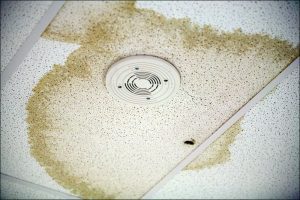
Ceiling Water Damage
Moisture that gets into the top floor can leak into the lower level ceiling and create stains. Upstairs bathrooms can often cause these stains since sinks and toilets can have plumbing leaks that develop moisture.
The most important thing is to deal with the problem right away and not ignore it. Make sure to identify the source of the stain before dealing with it. After you fix the problem, you may need to tear out a portion of the ceiling that was damaged to prevent any future harm. Consider hiring a water damage professional if you are uncomfortable tackling the project yourself.
Pay Attention to These Common Subflooring Issues
Your home should be a place of comfort to come home to after a long day, so make sure it is safe and free of any long-term damage. Your floors are an area of your home that require special attention. Be sure to watch out for the common subflooring issues of molding, cracked tiles, uneven flooring, cupped floorboards, and ceiling stains.

About Evelyn Long
Evelyn Long is the editor-in-chief of Renovated, a home improvement site with tips for homeowners and contractors - https://renovated.com/