






7 Signs Your HVAC System Needs Professional Cleaning
Your HVAC system works year-round to keep your home comfortable. Over time, dust, allergens, and even moldMold is a type of fungus that grows in damp or humid conditi... More can build up inside, reducing efficiency and affecting indoor air qualityIndoor air quality (IAQ) refers to the condition of the air ... More. According to the U.S. Department of Energy, a clean HVAC system can improve efficiency by up to 15%, lowering utility costs and preventing unnecessary wear and tear.
There are several signs that your HVAC system may need professional cleaning. Strange noises, unpleasant odors, weak airflow from the vents, or worsening allergy symptoms when the system is running could all indicate it’s time to call in the experts. Professional HVAC cleaning not only improves the air quality in your home but also helps prevent costly damage to your system. In this article, we’ll explore whether HVAC systems and air ducts are the same, highlight key signs that your HVAC system needs cleaning, and answer some frequently asked questions about HVAC maintenanceMaintenance is the routine care, inspection, and repair of a... More.
Key Takeaways: If you notice reduced airflow, unusual noises, increased allergy symptoms, visible dust on vents, higher energy bills without more usage, frequent repairs, or signs of moldMold is a type of fungus that grows in damp or humid conditi... More or moisture near components, it’s time to schedule professional HVAC cleaning to restore efficiency and improve indoor air qualityIndoor air quality (IAQ) refers to the condition of the air ... More.
Are HVAC Systems and Air Ducts the Same?
No, HVAC systems and air ducts are not the same thing. Ductwork is the network of pathways that moves conditioned air through your home, ensuring consistent airflow to different spaces. On the other hand, the HVAC system includes the heating, cooling, and ventilationVentilation is the process of exchanging or circulating air ... More components that produce and regulate the air. Together, ductwork and HVAC systems work harmoniously to maintain a comfortable and healthy indoor environment. Both of these systems need regular cleaning and maintenanceMaintenance is the routine care, inspection, and repair of a... More to make sure that everything is running correctly, as cleaning ducts without addressing a dirty blower or coil won’t restore the performance.
7 Signs Your HVAC Needs to Be Cleaned By Experts
Knowing when to have your HVAC professionally cleaned is crucial to preventing further damage. If you’re experiencing problems, keep an eye out for these signs that it might be time for a thorough cleaning:
Sign 1: Reduced Airflow from Vents
If your AC isn’t blowing cool air or some rooms feel stuffy while others are properly cooled, you may be dealing with airflow issues. Common causes include blocked vents, clogged filters, or a failing motor.
Poor airflow forces your system to work harder, increasing energy consumption and utility costs. If replacing your air filter doesn’t solve the problem, it’s time to call HVAC professionals. They can inspect your system for issues like motor problems, obstructions, or duct leaks to restore proper airflow and efficiency.
Sign 2: Unusual Noises from the HVAC System
An AC system typically produces a low, steady hum during operation. However, unusual noises like grinding, squealing, or banging could indicate a mechanical issue that needs immediate attention. Squealing noises may point to a problem with the belt, grinding often signals motor issues, and banging could mean a loose or broken component inside the system. Ignoring these warning signs can leadLead is a heavy metal that can be toxic to humans, especiall... More to further damage and more costly repairs down the line. Addressing these sounds promptly can save you time and money.
Sign 3: Increased Allergy Symptoms or Respiratory Symptoms
If people in your home are experiencing sneezing, coughing, or watery eyes, it could be a sign of poor air circulation and allergens in your home. Common indoor irritants like dust mites, pollen, pet dander, and moldMold is a type of fungus that grows in damp or humid conditi... More sporesSpores are microscopic reproductive units of fungi or mold t... More can build up over time. Dirty air ducts recirculate these particles, aggravating allergies, especially when your HVAC system is running often. Professional duct cleaning can significantly improve your indoor air qualityIndoor air quality (IAQ) refers to the condition of the air ... More and comfort, particularly during allergy season.
Sign 4: Visible Dust Around Vents and Registers
The National Air Duct Cleaners Association (NADCA) advises, “If your air ducts look dirty, they probably are.” They recommend having dirty HVAC systems inspected by certified, reputable HVAC professionals.
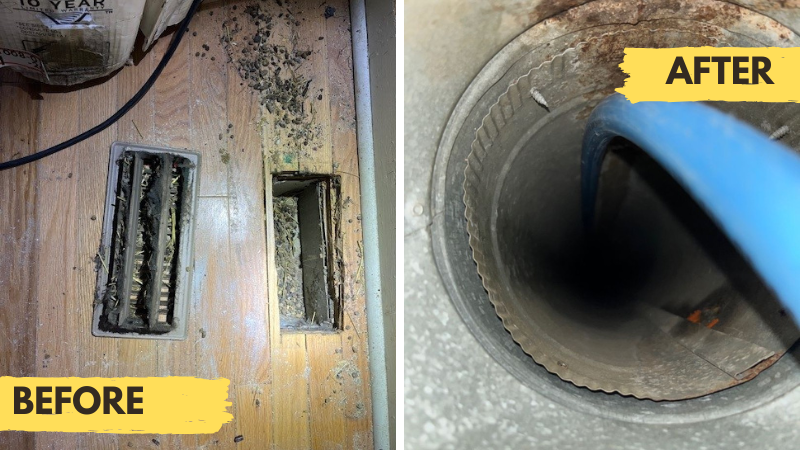
If you notice dust and debris around your air vents, it could be a sign that your HVAC system contains a significant amount of contaminants circulating through the air ducts. This can leadLead is a heavy metal that can be toxic to humans, especiall... More to a dustier environment and may negatively impact your health. Dirty air ducts can worsen allergy symptoms and contribute to other respiratory issues.
Sign 5: Higher Energy Bills Without Increased Usage
Sudden spikes in your heating or cooling bills could be a sign of dirty air ducts. Clogged air ducts force your HVAC system to work harder to maintain the right temperature, leading to increased wear and tear on the equipment. This not only shortens your system’s lifespan but also drives up your monthly utility costs.
Sign 6: Frequent HVAC Breakdowns or Repairs
If your HVAC system keeps breaking down, it’s a clear sign that it needs professional attention. Getting it properly diagnosed and repaired now can save you from dealing with more costly and extensive issues down the line, ensuring your system runs smoothly and efficiently.
Sign 7: Mold or Moisture Around HVAC Components
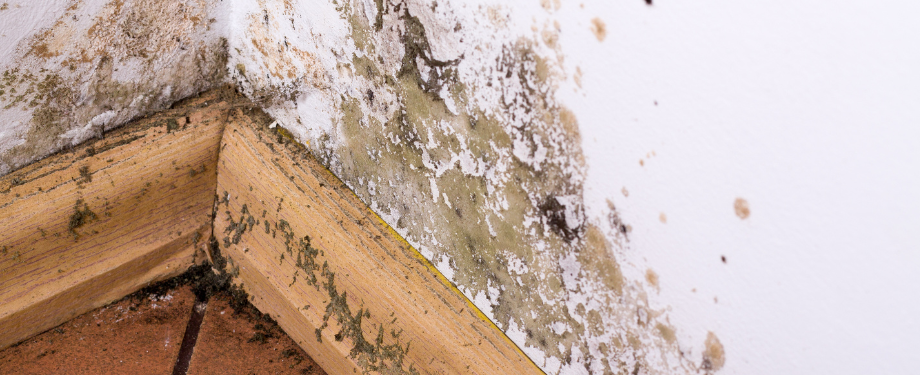
If your HVAC system develops condensation, it can create the perfect environment for moldMold is a type of fungus that grows in damp or humid conditi... More growth, especially in humid climates. MoldMold is a type of fungus that grows in damp or humid conditi... More spreads quickly and may become visible near vent registersRegisters are grilles or vents that cover openings in HVAC s... More. However, it can also grow in hard-to-reach components of your system, making it harder to detect.
| Sign | Possible Cause | Recommended Action |
|---|---|---|
| Reduced Airflow | Clogged filter, blocked duct, dirty coil | Replace filter; schedule professional cleaning |
| Unusual Noises | Loose parts, worn motor belt, debris in the system | Turn off the system; have an HVAC technician inspect |
| Allergy or Respiratory Symptoms | Dust, pollen, and pet dander in ducts | Professional duct cleaning; upgrade air filter |
| Visible Dust Around Vents | Dust buildup inside ductwork | Have ducts inspected and cleaned |
| Higher Energy Bills | The system is overworking due to dirt buildup | Coil cleaning; full system maintenanceMaintenance is the routine care, inspection, and repair of a... More |
| Frequent Breakdowns | Overheating or part wear from debris | Annual maintenanceMaintenance is the routine care, inspection, and repair of a... More and cleaning |
| MoldMold is a type of fungus that grows in damp or humid conditi... More or Musty Odors | Moisture in ducts or components | Mold remediationMold remediation is the process of identifying, removing, an... More and moisture control |
HVAC Mold Removal – What to Do
When moldMold is a type of fungus that grows in damp or humid conditi... More invades your property, it will spread by dispersing its sporesSpores are microscopic reproductive units of fungi or mold t... More throughout the home or building to affect other areas. But if it has developed in your HVAC system, the process of it spreading is accelerated because the air flow is helping to push the sporesSpores are microscopic reproductive units of fungi or mold t... More to affect new surfaces.
In addition, there are many health risks associated with moldMold is a type of fungus that grows in damp or humid conditi... More as its sporesSpores are microscopic reproductive units of fungi or mold t... More trigger a number of allergic reactions and respiratory issues, including coughing, sneezing, watery eyes, itchy eyes, runny nose, and a variety of other health problems.
Common Causes of Mold in Air Ducts
Despite the dangers of moldMold is a type of fungus that grows in damp or humid conditi... More growing within the home, it is common for it to develop within the ductwork. In the warmer seasons, cool air is sent throughout the ducts and moisture condensates along the sides, creating the perfect environment for moldMold is a type of fungus that grows in damp or humid conditi... More to grow. Within a short period of time, the fungus is able to spread throughout the home or building and cause problems for everyone.
If you have found yourself in this situation, you can either hire a professional mold removal company or save a few dollars by following these HVAC moldMold is a type of fungus that grows in damp or humid conditi... More removal tips.
How to Remove Mold from HVAC System
When it comes to cleaning moldMold is a type of fungus that grows in damp or humid conditi... More, there are a number of chemicals and natural cleaners that can be used, although some will be more effective than others, depending on the species and how far it has penetrated.
Removing it from air ducts deep within your home can be tricky because they can be hard to reach, so you may have to remove them from their place in order to clean them properly. But you can follow these steps in removing moldMold is a type of fungus that grows in damp or humid conditi... More from the air vents first to prevent the majority of the moldMold is a type of fungus that grows in damp or humid conditi... More from spreading to other areas.
- Wear personal protection. Protecting your health and safety is the first priority in any cleaning process. Make sure that you are wearing gloves, eyewear, and a breathing mask to avoid all contact with the moldMold is a type of fungus that grows in damp or humid conditi... More.
- Turn off the HVAC system. As long as the air is blowing, moldMold is a type of fungus that grows in damp or humid conditi... More sporesSpores are microscopic reproductive units of fungi or mold t... More are floating throughout the ductwork, making it extremely dangerous to your health.
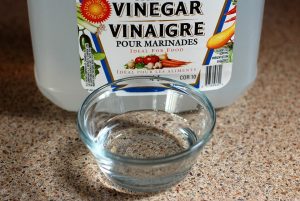
- Identify the cause. Finding the cause of the moldMold is a type of fungus that grows in damp or humid conditi... More is essential so you won’t have to worry about it returning in the future when you are done cleaning. For example, if moisture levels within your home are too high, they need to be turned down. Or if there is too much water running in the air conditioning unit, there is significant condensation within the ductwork that is allowing the sporesSpores are microscopic reproductive units of fungi or mold t... More to develop.
- Clean the air vent cover. Before applying any chemicals, close the register first. Then spray the vent cover with vinegar, allowing it to sit for an hour. You can then wipe down the surface with paper towels; just make sure to throw them away in a heavy-duty garbage bag when you are done.
- Remove the air vent cover. After removing the screws from the cover, place it upside down on the floor on top of a plastic bag. Then repeat the process of spraying the back of the cover with vinegar, allowing it to sit for another hour and wiping it with paper towels afterwards.
- Inspect the insulationInsulation is a material used in buildings to reduce the tra... More. MoldMold is a type of fungus that grows in damp or humid conditi... More thrives in insulationInsulation is a material used in buildings to reduce the tra... More because of its porousPorous describes a material that contains small openings or ... More surface and the moisture it can hold. If this is close to your ductwork, make sure that it is not affected or else you will need to throw it out right away and order a replacement.
- Clean the air ducts. As long as there is not an infestation within the ductwork, you should be able to spray the vinegar onto the metal and allow it to sit for an hour. Just make sure to wipe it with the paper towels after you are done, or it will only spread further. For spots that are harder to reach, you may have to remove part of the ductwork, or contact a mold remediation specialist for help.
Vinegar is the most effective solutionA solution is a homogeneous mixture of two or more substance... More for removing moldMold is a type of fungus that grows in damp or humid conditi... More because it penetrates through the surface and attacks the membrane, unlike other cleaners. But removing moldMold is a type of fungus that grows in damp or humid conditi... More is considered dangerous and difficult due to the sporesSpores are microscopic reproductive units of fungi or mold t... More it releases as well as its ability to penetrate deep within its affected surface.
But if you have used vinegar and found that it doesn’t work, you can try mixing water with other chemicals, such as: bleach, baking soda, Lysol, grapefruit seed oil, tea-tree oil, or another mold-removing cleaner from your local hardware store. Again, some chemicals are more effective for different species and surfaces, so you may have to experiment with a few different cleaners.
Professional Mold Removal
When you have found yourself stuck, the fungus just doesn’t seem to be coming off, and you have exhausted all resourcesResources include tools, personnel, equipment, and materials... More, it is best to contact the professionals. A professional mold remediationMold remediation is the process of identifying, removing, an... Moreremediation companyA remediation company is a business specializing in cleaning... More will use advanced products to penetrate deep within the moldMold is a type of fungus that grows in damp or humid conditi... More walls to eliminate it at the source. They will also remove the cause of the moldMold is a type of fungus that grows in damp or humid conditi... More or inform you of what you can do – such as running a dehumidifierA dehumidifier is a device that removes excess moisture from... More – to ensure the fungus does not return in the future.
When searching for a professional company, you can contact your local RestorationMaster. Although they specialize in disaster restorationRestoration is the process of returning a property to its pr... More, they are experts in mold removal and remediation. Their technicians understand that the situation must be addressed right away and they will not hesitate to treat the affected area to prevent the problem from becoming worse. Finally, they will ensure that the moldMold is a type of fungus that grows in damp or humid conditi... More does not return in the future by removing the cause or source of the moisture, disallowing it to develop in the same area.
Frequently Asked Questions About HVAC Cleaning
What Does Professional HVAC Cleaning Include?
Professional HVAC cleaning typically involves a thorough inspectionInspection is the careful examination and assessment of a pr... More and servicing of all components within the heating and cooling system. Here’s what you can expect:
- InspectionInspection is the careful examination and assessment of a pr... More and Cleaning: Key components such as filters, coils, and ducts are inspected and cleaned to ensure proper airflow and optimal efficiency.
- Electrical Connections: All electrical connections are checked to confirm proper voltage and current readings, ensuring the system operates safely and effectively.
- Refrigerant Levels: Refrigerant levels are examined to ensure they’re within the ideal range for peak performance.
- System Controls: The system’s electrical connections and controls are tested to confirm they are functioning correctly.
- Cooling Efficiency Test: A cooling efficiency test is performed to assess the system’s performance and identify any potential issues.
This comprehensive approach ensures your HVAC system operates efficiently, safely, and reliably.
How Often Should Your Air Ducts Be Cleaned?
Your air ducts should be cleaned every 3 to 5 years. However, the frequency will depend on the age of your home, whether you have pets, and if anyone in the house is experiencing allergy symptoms that could be caused by buildup within the air ducts.
Can a dirty HVAC system affect my health?
Yes, a dirty HVAC system can worsen allergies, asthma, and respiratory issues by circulating dust, moldMold is a type of fungus that grows in damp or humid conditi... More sporesSpores are microscopic reproductive units of fungi or mold t... More, and other contaminants. Keeping your HVAC system clean is essential for maintaining good air quality and protecting your health.
How can I tell if my HVAC system needs cleaning?
To determine if your HVAC system needs cleaning, watch for these signs:
- Reduced airflow, which could be caused by clogged filters or blocked ducts.
- Unusual noises like rattling or whistling indicate potential blockages.
- Unpleasant odors, which may suggest moldMold is a type of fungus that grows in damp or humid conditi... More or mildewMildew is a type of fungus that grows on damp surfaces, typi... More growth in the ducts.
- Unexplained increases in energy bills, a sign that your system is working harder than it should.
- Frequent system cycling, where it turns on and off more often, is potentially caused by a clogged filter or dirty coils.
If you notice any of these issues, it’s time to give your HVAC system some attention!
Is it safe to clean HVAC ducts myself?
Cleaning your air ducts is safe when done correctly. It’s recommended to call HVAC cleaning professionals if you notice visible moldMold is a type of fungus that grows in damp or humid conditi... More growth or signs of an insect or rodent infestation.
Will cleaning my HVAC system lower my energy bills?
Yes. Regular maintenanceMaintenance is the routine care, inspection, and repair of a... More, such as cleaning condenser and evaporator coils, replacing filters, and clearing duct blockages, improves airflow and reduces strain on the system, helping you save on your utility costs.
What causes mold to grow in HVAC systems?
Mold growth in your HVAC system is usually due to excessive moisture from high humidityHumidity is the amount of moisture or water vapor present in... More, condensation leaks, or poor ventilationVentilation is the process of exchanging or circulating air ... More. Dust buildup and lack of maintenanceMaintenance is the routine care, inspection, and repair of a... More can make the problem worse. Once moldMold is a type of fungus that grows in damp or humid conditi... More sporesSpores are microscopic reproductive units of fungi or mold t... More spread through the ductwork, they can negatively impact indoor air qualityIndoor air quality (IAQ) refers to the condition of the air ... More.
When to Call a Professional HVAC Cleaning Service
If you’re experiencing weak airflow, odd odors, high bills, or moldMold is a type of fungus that grows in damp or humid conditi... More, it’s time to contact a trusted HVAC company. Annual inspections and cleaning can prevent breakdowns, improve air quality, and keep your system running at peak efficiency.
Professional HVAC & Air Duct Cleaning Can Help
Don’t let dust, allergens, and hidden contaminants compromise your home’s comfort or your family’s health. Professional air duct cleaning restores optimal airflow, improves indoor air qualityIndoor air quality (IAQ) refers to the condition of the air ... More, and extends the life of your HVAC system, all while helping you save on energy costs. If you’ve noticed any of the warning signs discussed in this article, now is the time to act. Contact a trusted HVAC cleaning team today to schedule a thorough inspectionInspection is the careful examination and assessment of a pr... More and cleaning, and enjoy cleaner, healthier air in your home year-round.
Related Blogs About HVAC System Cleaning:
Top 3 Reasons to Clean Your Air Ducts
Clean air ducts are key to maintaining healthy indoor air and a safe home environment. Whether you’re running the AC in summer or the heat in winter, a clean HVAC system ensures optimal airflow, reduces hidden germs and allergens, and helps prevent health risks for your family. Learn more in this blog.
How Air Duct Cleaning & Mold Removal Improve Indoor Air Quality
Clean air ducts play a crucial role in maintaining healthy indoor air, yet many homeowners overlook them while focusing on purifiers or air fresheners. Experts say dust-, dirt-, and mold-free ducts can greatly improve airflow and overall air quality. But does cleaning make a difference? Let’s find out.
5 Things to Know About Air Duct Cleaning
Dirty air ducts and registersRegisters are grilles or vents that cover openings in HVAC s... More can significantly impact indoor air qualityIndoor air quality (IAQ) refers to the condition of the air ... More, especially for allergy sufferers. Cleaning them not only helps reduce allergens but can also lower medication costs and prevent moldMold is a type of fungus that grows in damp or humid conditi... More growth. Here are five important things you should know about air duct cleaning.

About Beth Markowski-Roop
Beth Markowski-Roop is an experienced and knowledgeable professional in the disaster restorationRestoration is the process of returning a property to its pr... More industry for over 12 years since 2012. She has a proven track record in marketing, sales, public relations, and media. Beth is an engaging public speaker and has led workshops and seminars in various industries. She has worked with ServiceMaster Restore and ServiceMaster Clean as a Business Development Manager and Field Marketing Manager, providing support to franchise owners. Beth is currently the Marketing & Sales Director for ServiceMaster By Mason, focusing on disaster restorationRestoration is the process of returning a property to its pr... More and floorcare services. She also works closely with hoarding clients and conducts seminars on the hoarding disorder.