

Top 10 Causes of House Fires | Expert Prevention Tips
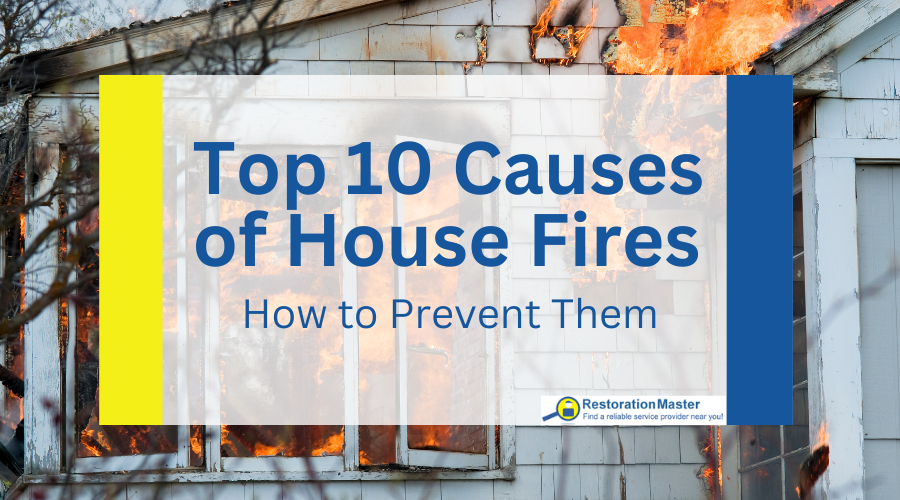
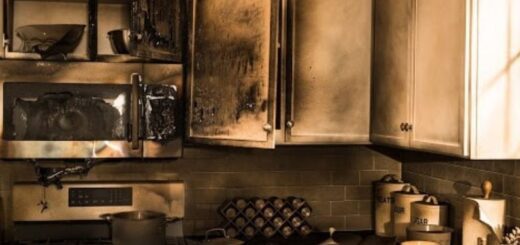
House fires are among the most destructive emergencies a homeowner can face, damaging property, displacing families, and in the worst cases, causing injuries or loss of life. According to the National Fire Protection Association (NFPA), there were nearly 338,000 residential fires in 2021, emphasizing the importance of fire damage preventionPrevention refers to actions taken to reduce the likelihood ... More methods for property owners.
- Cooking equipment is the leading cause of home structureStructure refers to the framework or components of a buildin... More fires and injuries.
- Smoking materials are the top cause of home fire deaths.
- Heating equipment ranks second in fatality-causing fires.
Many fires are preventable with awareness, regular maintenanceMaintenance is the routine care, inspection, and repair of a... More, and proper safety measures. Below is an expanded list of the top 10 causes of house fires and how to reduce your risk.
10 Most Common Causes of House Fires
House fires can happen in seconds, but the damage they leave behind can last for years. From property loss and costly repairs to injuries and fatalities, the impact is devastating. According to the National Fire Protection Association (NFPA), most home fires start from just a handful of preventable causes, many linked to everyday activities.
By understanding the most common sources of house fires and taking simple preventionPrevention refers to actions taken to reduce the likelihood ... More steps, you can significantly reduce your risk. Below, we break down the 10 most frequent causes, along with practical safety tips to help keep your home and loved ones safe.
| Cause | Common Risks | PreventionPrevention refers to actions taken to reduce the likelihood ... More Tips |
|---|---|---|
| Cooking Equipment | Grease fires, unattended cooking | Stay in the kitchen, keep flammables away |
| Heating Equipment | Space heaters too close to flammable items | 3-ft clearance, annual chimney inspectionInspection is the careful examination and assessment of a pr... More |
| Smoking | Bed fires, upholstery ignition | Smoke outdoors, sturdy ashtrays |
| Electrical Equipment | Frayed cords, overloaded outlets | Replace cords, avoid overloading |
| Candles | Igniting curtains or décor | Stable holders, never leave unattended |
| Children Playing with Fire | Matches, lighters in reach | Store ignition sources away from children |
| Inadequate Wiring | Overloaded circuits, flickering lights | Professional electrical inspectionInspection is the careful examination and assessment of a pr... More |
| Flammable Liquids | Gasoline, solvents stored improperly | Approved containers, away from heat |
| Christmas Trees & Décor | Dry trees, frayed light cords | Water daily, inspect lights |
| Outdoor Cooking | Grill too close to the house | Keep 10 ft from the structureStructure refers to the framework or components of a buildin... More, clean the grease tray |
1. Cooking Equipment
When a pot or pan overheats or grease splatters, it can ignite in seconds.
PreventionPrevention refers to actions taken to reduce the likelihood ... More tips:
- Never leave cooking unattended.
- Keep flammable items (towels, paper) away from the stove.
- Use a fire extinguisher rated for grease fires.
2. Heating Equipment
Portable heaters, fireplaces, and wood stoves can spark fires if placed too close to flammable items.
PreventionPrevention refers to actions taken to reduce the likelihood ... More tips:
- Maintain a 3-foot safety zone around heaters.
- Have chimneys and furnaces inspected annually.
- Never use heating equipment to dry clothes.
3. Careless Smoking
Smoking indoors or in bed remains one of the deadliest fire hazards.
PreventionPrevention refers to actions taken to reduce the likelihood ... More tips:
- Smoke outdoors whenever possible.
- Use deep, sturdy ashtrays.
- Never smoke near oxygenOxygen is a chemical element essential for combustion and li... More tanks.
4. Electrical Equipment
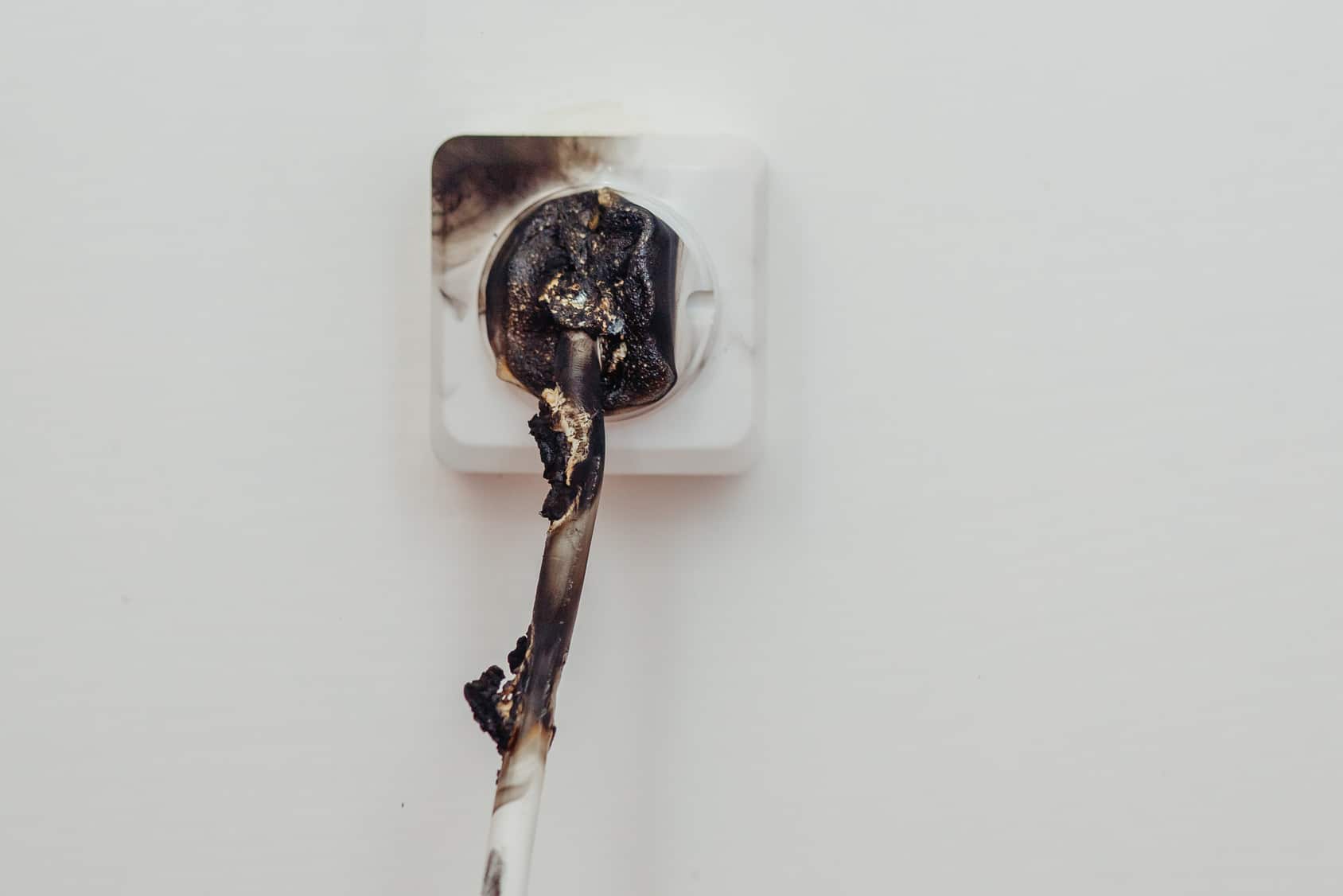
Frayed cords, overloaded outlets, and faulty wiring can quickly leadLead is a heavy metal that can be toxic to humans, especiall... More to electrical fires.
PreventionPrevention refers to actions taken to reduce the likelihood ... More tips:
- Replace damaged cords immediately.
- Avoid overloading outlets or extension cords.
- Hire a licensed electrician for inspections.
5. Candles
Candles create ambiance but also introduce open flames into your home.
PreventionPrevention refers to actions taken to reduce the likelihood ... More tips:
- Place candles in stable holders on flat surfaces.
- Keep away from curtains, paper, and décor.
- Consider flameless LED candles.
6. Children Playing with Fire
Curiosity can be dangerous when children handle matches or lighters.
Warning signs:
- Burned toys or melted plastic
- Matches or lighters found in bedrooms
- Sulfur smells indoors
7. Inadequate Wiring
Older homes may have outdated wiring unable to handle modern electrical loads.
Warning signs:
- Flickering lights when appliances run
- Frequent blown fuses or tripped breakers
- Heavy reliance on extension cords
8. Flammable Liquids
Gasoline, paint thinner, and solvents can ignite if stored improperly.
PreventionPrevention refers to actions taken to reduce the likelihood ... More tips:
- Store in approved containers.
- Keep away from heat sources and out of living areas.
9. Christmas Trees & Holiday Decorations
Dry Christmas trees and faulty light strings are holiday fire hazards.
PreventionPrevention refers to actions taken to reduce the likelihood ... More tips:
- Keep live trees watered daily.
- Inspect lights for frayed wires.
- Keep decorations away from fireplaces and heaters.
10. Barbecues & Outdoor Cooking
Outdoor grills can cause fires if placed too close to siding or fences.
PreventionPrevention refers to actions taken to reduce the likelihood ... More tips:
- Keep grills at least 10 feet from the house.
- Clean grease traps regularly.
Top 5 Causes of House Fires | RestorationMaster Video
Essential Fire Safety Tips for Homeowners
A proactive approach to fire safety can make all the difference in protecting your home and family. Keep these steps in mind:
- Install and Maintain Smoke Alarms: Place smoke alarms on every level of your home, inside bedrooms, and outside sleeping areas. Test them monthly and replace batteries at least once a year. Replace the entire unit every 10 years.
- Keep Fire Extinguishers Within Reach: Store multi-purpose extinguishers (rated for Class A, B, and C fires) in high-risk areas like the kitchen, garage, and near heating equipment. Make sure all adults know how to operate them safely.
- Create and Practice a Fire Escape Plan: Map out at least two exit routes from each room and practice drills twice a year with your family. Include a designated meeting spot outside.
What to Do After a House Fire
The moments after a house fire can feel overwhelming. Acting quickly and in the right order is key to safety and recovery:
- Ensure Safety First: Do not re-enter your home until the fire department confirms it’s safe. Hidden dangers like structural damage, electrical hazards, or toxic smoke residueSmoke residue is the fine, oily, or powdery particles left b... More may still be present.
- Contact Professionals: Call a licensed fire damage restoration company immediately to prevent further damage from smoke, sootSoot is fine black particles composed of carbon and other ma... More, or water used during firefighting efforts.
- Document the Damage: Take photos and videos of affected areas for your insurance claim. Keep a written inventory of damaged belongings to speed up the claims process.
How Professional Fire Restoration Will Help
After a house fire, contacting a professional fire damage restoration company is essential to safely and effectively return your home to a livable condition. Specialists use a proven, step-by-step process that may include:
- Emergency Response & Assessment: Technicians arrive promptly to inspect the extent of the fire, smoke, and water damage, assess safety hazards, and develop a customized restorationRestoration is the process of returning a property to its pr... More plan.
- Board-Up & Structural Security: Damaged windows, doors, and exposed areas are secured to protect the property from weather, theft, and additional damage.
- Smoke & SootSoot is fine black particles composed of carbon and other ma... More Removal: Using specialized cleaning solutions and professional-grade equipment, crews remove corrosive sootSoot is fine black particles composed of carbon and other ma... More from walls, ceilings, floors, and personal belongings.
- OdorAn odor is a smell, often detectable by the human nose, whic... More Elimination: Advanced methods like HEPA air filtration, ozone treatments, or thermal fogging are used to neutralize lingering smoke odors.
- Reconstruction & Repairs: The final phase involves restoring or replacing structural elements, drywall, flooring, and other damaged materials to return the home to its pre-fire condition.
Contact Your Local Fire Damage Experts
Recovering from a house fire can be stressful, but you don’t have to go through it alone. RestorationMaster’s fire damage restoration specialists have the expertise, equipment, and proven processes to remove sootSoot is fine black particles composed of carbon and other ma... More and smoke, eliminate odors, and rebuild your home to its pre-fire condition.
If you’ve experienced a fire, call RestorationMaster today. Acting quickly can reduce damage, protect your health, and help you return home sooner.
FAQs – Residential Fire Damage
What is the #1 cause of house fires?
Unattended cooking is the top cause of house fires, especially grease fires in the kitchen.
What appliance causes the most house fires?
Stoves and ovens cause the most fires, usually when food is left cooking unattended.
Why do most house fires happen at night?
Fires are more deadly at night because people are asleep and slower to detect smoke or flames.
How often should smoke alarms be replaced?
Replace smoke alarms every 10 years, and test them monthly to make sure they work.

About Vince Sandri
Vince Sandri is a content writer and blogger with more than 12 years of experience. His expertise is in creating content related to disaster restorationRestoration is the process of returning a property to its pr... More, including information about preventing and reacting to natural disasters like floodingFlooding is the overflow or accumulation of water in areas t... More, water damage, fire and smoke damage, moldMold is a type of fungus that grows in damp or humid conditi... More growth, storm damage and more.
Vince has been the main contributor to RestorationMasterFinder.com since 2014. Over that time, he has written numerous service pages and blogs for disaster restorationRestoration is the process of returning a property to its pr... More providers featured on RestorationMasterFinder.com. Vince has done extensive research and covered a wide range of topics relating to disaster restorationRestoration is the process of returning a property to its pr... More to help homeowners, business owners, and property managers better protect their property. He understands the problems that disasters like floodingFlooding is the overflow or accumulation of water in areas t... More, fire, smoke, and moldMold is a type of fungus that grows in damp or humid conditi... More can cause as well as the best ways to respond to these issues to limit the damage.
Vince completed his Bachelor of Arts degree at Aurora University and his master’s degree at DePaul University. He has been writing SEO website pages, blogs, and press releases since 2012. Vince is also a musician and can be seen playing in the Chicago, IL area.