







Tips for Preventing Mold in Your Home
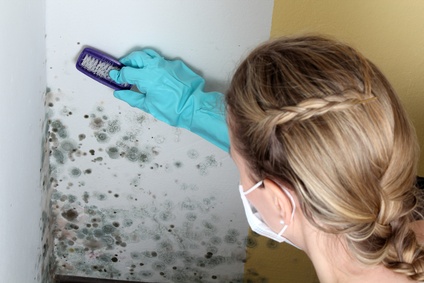
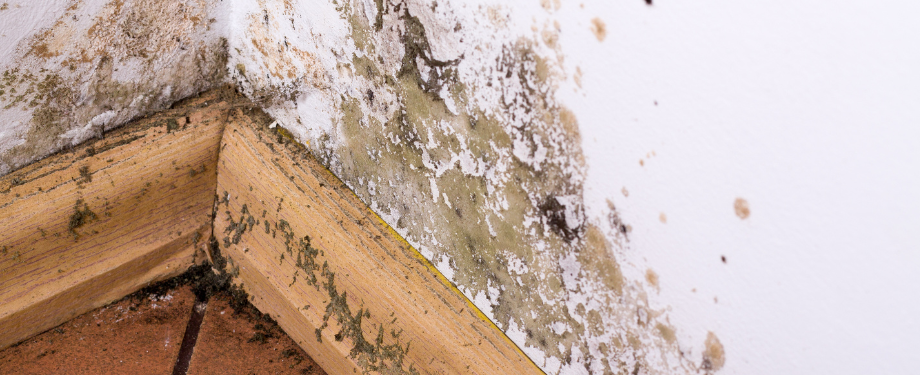
MoldMold is a type of fungus that grows in damp or humid conditi... More is one of the most frustrating things for a homeowner to find in their home as it could leadLead is a heavy metal that can be toxic to humans, especiall... More to property damage and even pose health risks. It can grow on just about any surface including in hidden areas above ceilings and inside walls where it can cause significant damage before you even find it. If moldMold is a type of fungus that grows in damp or humid conditi... More growth is not removed, the sporesSpores are microscopic reproductive units of fungi or mold t... More can spread the growth to other areas of your home and the existing moldMold is a type of fungus that grows in damp or humid conditi... More colonies can eventually cause significant structural damage. The risk of allergic reactions and other health effects will also increase the longer one is exposed to moldMold is a type of fungus that grows in damp or humid conditi... More.
The best defense against moldMold is a type of fungus that grows in damp or humid conditi... More is to prevent it from appearing in the first place. In this guide, we will cover the best tips for preventing moldMold is a type of fungus that grows in damp or humid conditi... More growth in your home. If you do find moldMold is a type of fungus that grows in damp or humid conditi... More despite your best efforts to prevent it, it is usually best to call a mold remediation professional.
How Mold Growth Forms
MoldMold is a type of fungus that grows in damp or humid conditi... More growth can appear at virtually any time in your home because there is a natural presence of moldMold is a type of fungus that grows in damp or humid conditi... More sporesSpores are microscopic reproductive units of fungi or mold t... More in the air. When the sporesSpores are microscopic reproductive units of fungi or mold t... More find favorable conditions which include a moisture source and a source of food, moldMold is a type of fungus that grows in damp or humid conditi... More growth can appear within 24-48 hours. The main indoor food source for moldMold is a type of fungus that grows in damp or humid conditi... More is cellulose, which is an organic substance found in drywall, wood, carpeting, insulationInsulation is a material used in buildings to reduce the tra... More, ceiling tiles, upholstery, and other common building materials and furnishings. When moldMold is a type of fungus that grows in damp or humid conditi... More takes hold on a surface, it eats away at the materials which can eventually cause serious damage.
Once moldMold is a type of fungus that grows in damp or humid conditi... More growth appears, it is likely to spread to new areas and cause additional damage. MoldMold is a type of fungus that grows in damp or humid conditi... More growth needs to be contained and removed as soon as possible to limit the damage to your property.
How to Prevent Mold Growth
Moisture is the biggest trigger of moldMold is a type of fungus that grows in damp or humid conditi... More growth which means that controlling the moisture level and removing excess water are the keys to preventing moldMold is a type of fungus that grows in damp or humid conditi... More.
The following tips will help you prevent the appearance of moldMold is a type of fungus that grows in damp or humid conditi... More growth in your home:
- Dry wet areas: Excess water and moisture needs to be dried and removed quickly to prevent moldMold is a type of fungus that grows in damp or humid conditi... More. Wipe down bathroom walls and floors after a shower, clean up condensation on windows, take care of spills right away, and don’t leave wet items around the house. If your home is affected by floodingFlooding is the overflow or accumulation of water in areas t... More or water damage, call a professional immediately to address the situation.
- Control the humidityHumidity is the amount of moisture or water vapor present in... More level: Keep the humidityHumidity is the amount of moisture or water vapor present in... More level in your home between 30 and 50 percent. Running an air conditioner or dehumidifierA dehumidifier is a device that removes excess moisture from... More can help you lower the humidityHumidity is the amount of moisture or water vapor present in... More level. A moisture meterA moisture meter is a device used to measure the moisture le... More can give you an accurate reading of the humidityHumidity is the amount of moisture or water vapor present in... More level in your home so you can act if the humidityHumidity is the amount of moisture or water vapor present in... More level rises.
- Check ventilationVentilation is the process of exchanging or circulating air ... More: Maintaining proper ventilationVentilation is the process of exchanging or circulating air ... More within your home will help reduce the moisture level, especially in high moisture areas like the kitchen and bathroom. You can improve ventilationVentilation is the process of exchanging or circulating air ... More in your kitchen and bathroom by using exhaust fans that vent outside. Also make sure that appliances like your dryer and stove vent outside of your home. Running an air conditioner or dehumidifierA dehumidifier is a device that removes excess moisture from... More and opening windows will help improve the ventilationVentilation is the process of exchanging or circulating air ... More as well.
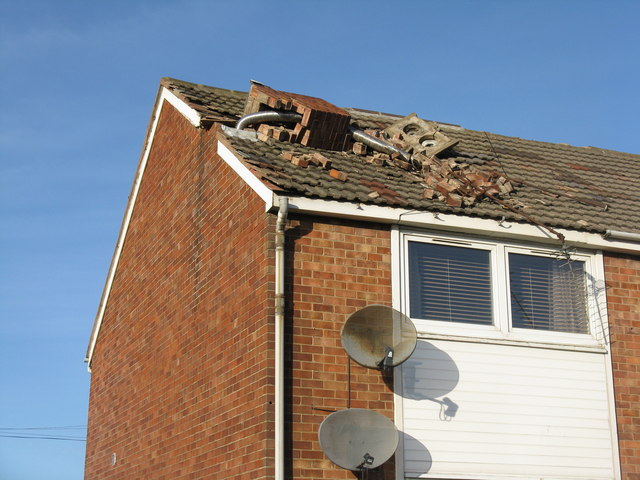
- Find and fix leaks: Water leaks can result in water damage that attracts moldMold is a type of fungus that grows in damp or humid conditi... More growth. Make sure to check your roof, walls, foundation, and plumbing system for leaks and fix them.
- Keep gutters clean: It is important to make sure your gutters are clear and in working order so that they drain the rainwater properly and direct it away from your home. If the gutters are clogged, they could overflow and cause excess water to gather on the roof or near the foundation of the house.
- Use moldMold is a type of fungus that grows in damp or humid conditi... More resistant products: If you are having a new home built or are renovating your current home, consider installing moldMold is a type of fungus that grows in damp or humid conditi... More resistant drywall or sheetrock and using moldMold is a type of fungus that grows in damp or humid conditi... More inhibiting paint. MoldMold is a type of fungus that grows in damp or humid conditi... More resistant drywall is paperless, unlike traditional drywall, and is ideal for high moisture areas such as the kitchen, bathroom, basement, or laundry room.
- Use moldMold is a type of fungus that grows in damp or humid conditi... More killing cleaners: Using moldMold is a type of fungus that grows in damp or humid conditi... More killing cleaning products to clean your bathroom will help prevent moldMold is a type of fungus that grows in damp or humid conditi... More and mildewMildew is a type of fungus that grows on damp surfaces, typi... More.
- Remove wet carpeting: If carpeting and rugs become wet and they cannot be dried right away, you should remove or replace them. You should also consider not using carpeting or rugs in high moisture areas like the bathroom and basement.
Call Mold Remediation Professionals
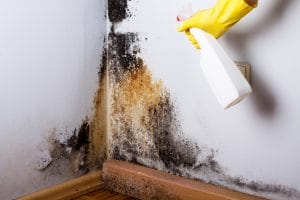 MoldMold is a type of fungus that grows in damp or humid conditi... More growth can become a major problem if it develops in your home. By following the above-mentioned tips, you can increase the ventilationVentilation is the process of exchanging or circulating air ... More in your home and help keep the moisture level under control which greatly reduces the risk of moldMold is a type of fungus that grows in damp or humid conditi... More growth.
If your home still becomes affected by moldMold is a type of fungus that grows in damp or humid conditi... More, the best move is to call a professional to provide mold remediation services. These professionals will find all moldMold is a type of fungus that grows in damp or humid conditi... More growth, including hidden moldMold is a type of fungus that grows in damp or humid conditi... More, and remove it completely from your home using advanced remediation techniques. They can also repairRepair is the act of fixing or restoring damaged property, m... More or replace the materials that have been damaged by the moldMold is a type of fungus that grows in damp or humid conditi... More growth.

About Vince Sandri
Vince Sandri is a content writer and blogger with more than 12 years of experience. His expertise is in creating content related to disaster restorationRestoration is the process of returning a property to its pr... More, including information about preventing and reacting to natural disasters like floodingFlooding is the overflow or accumulation of water in areas t... More, water damage, fire and smoke damage, moldMold is a type of fungus that grows in damp or humid conditi... More growth, storm damage and more.
Vince has been the main contributor to RestorationMasterFinder.com since 2014. Over that time, he has written numerous service pages and blogs for disaster restorationRestoration is the process of returning a property to its pr... More providers featured on RestorationMasterFinder.com. Vince has done extensive research and covered a wide range of topics relating to disaster restorationRestoration is the process of returning a property to its pr... More to help homeowners, business owners, and property managers better protect their property. He understands the problems that disasters like floodingFlooding is the overflow or accumulation of water in areas t... More, fire, smoke, and moldMold is a type of fungus that grows in damp or humid conditi... More can cause as well as the best ways to respond to these issues to limit the damage.
Vince completed his Bachelor of Arts degree at Aurora University and his master’s degree at DePaul University. He has been writing SEO website pages, blogs, and press releases since 2012. Vince is also a musician and can be seen playing in the Chicago, IL area.
Great tips. Thank you for sharing!
Great tips. We had a problem in our pantry. The contractor discovered that the outside soil came above the damp proof course in the brickwork.
Ah thanks for the tips.
There was mould in my uni house! 0_o
Hi Fred,
I remember my mom having problems with mold in our house when I was a kid. Thank goodness I haven’t run into that problem in my own home. Thanks for the tips.
Ah, I enjoyed reading your tips again!