




How to Prevent Electrical Fires During the Holidays: Safety Tips Every Home Needs
The holiday season brings sparkling lights, festive décor, and warm gatherings, but it also brings an increased risk of electrical fires. With millions of households plugging in string lights, extension cords, space heaters, and illuminated decorations, the risk of overloaded circuits and faulty wiring rises significantly. Preventing electrical fires isn’t just about protecting your home; it’s about keeping your family, pets, and guests safe during the most joyful time of year.
This guide covers essential holiday electrical safety tips to help you enjoy the season’s magic without unnecessary hazards.
What Causes Electrical Fires During the Holidays
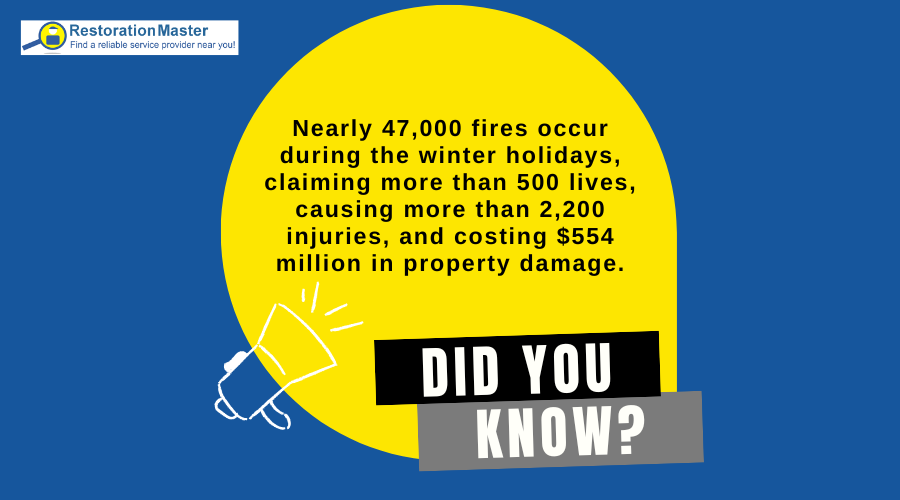
While holiday lights and decorations create a festive atmosphere, they can also introduce hidden fire hazards when not used safely. The National Fire Protection Association reports that electrical distribution or lighting equipment is involved in an estimated 32,000+ home fires each year in the United States. Many electrical fires during this season stem from a few common issues:
Overloaded Outlets and Extension Cords
Plugging multiple high-wattage decorations into a single outlet or daisy-chaining extension cords can overwhelm your home’s electrical system. When circuits become overloaded, they can overheat and spark a fire.
Damaged or Aging Holiday Lights
Frayed wires, cracked bulbs, and worn insulation are some of the biggest culprits behind holiday electrical fires. Older light strings, especially those stored improperly, may have unseen damage that can cause shorts or overheating.
Using Indoor Lights Outdoors
Indoor-only lights aren’t built to handle moisture, temperature changes, or wind. When used outdoors, they can short, overheat, or spark a fire.
Heat Sources Near Flammable Decor
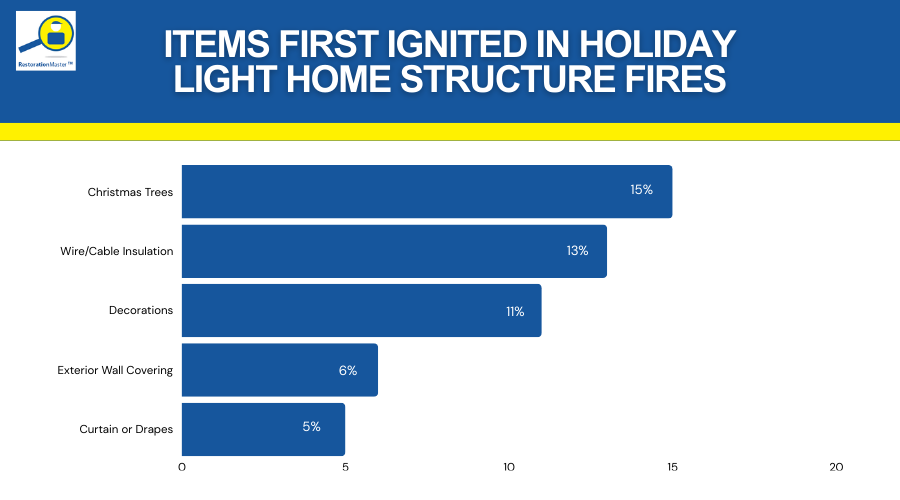
Placing electrical decorations near curtains, dry trees, wrapped gifts, or other flammable materials can lead to unintended ignition if the device overheats.
Low-Quality or Uncertified Decorations
Cheap, untested, or uncertified holiday décor, especially from unfamiliar online sellers, may not meet basic electrical safety standards. These products are more prone to short-circuiting or overheating, especially when left on for long periods.
Dry Christmas Trees
A dry tree paired with warm lights becomes extremely flammable. Christmas trees (arid natural trees) can ignite in under 10 seconds once a heat source is introduced. Without proper watering and care, even LED lights can generate enough heat to ignite a brittle branch.
By recognizing these common dangers, you can take simple steps to reduce risk and keep your home safe throughout the holiday season.
How to Inspect Your Home for Electrical Fire Hazards
Before you plug in a single strand of lights, take time to inspect your home’s electrical setup. A quick walkthrough can help you spot hazards early and reduce your risk of holiday-related electrical fires.
1. Check Outlets for Heat, Odors, or Discoloration
Gently touch outlets, and if any feel warm, appear darkened, or give off an unusual odor, stop using them immediately. These are signs of overloaded circuits or faulty wiring that a licensed electrician should inspect.
2. Look for Damaged Cords and Plugs
Examine extension cords, power strips, and holiday lighting. Frayed wires, loose connections, cracked plugs, or exposed metal are all potential fire hazards. Replace damaged items rather than trying to repair them with tape.
3. Test Your Smoke Alarms and AFCI/GFCI Outlets
Smoke alarms should be tested monthly, and batteries replaced yearly. If your home has arc-fault circuit interrupter (AFCI) or ground-fault circuit interrupter (GFCI) outlets, use their “test” buttons to ensure they’re functioning properly. They’re designed to prevent electrical fires and shocks.
4. Inspect Your Electrical Panel for Warning Signs
Open your breaker panel and check for tripped breakers that frequently reset themselves, buzzing sounds, or burn marks. These issues indicate electrical overloads or faults that need professional evaluation.
5. Review Placement of Holiday Decorations
Make sure cords aren’t running under rugs, pinched behind furniture, or tightly coiled; these conditions cause overheating. Decorations that generate heat should be placed away from curtains, furniture, and dry trees.
6. Confirm Outdoor Lighting is Waterproof
If you’re decorating outside, confirm that all lights, cords, and extension cables are rated for outdoor use. Use GFCI outlets for outdoor décor to help prevent shocks and electrical faults.
A simple, thorough inspection can dramatically reduce the risk of electrical fire and give you peace of mind as you prepare for a safe and joyful holiday season.
Christmas Light Safety Tips to Prevent Electrical Fires
Holiday lights bring warmth and charm to your home, but using them carelessly can create serious electrical hazards. Nearly one-third of home Christmas tree fires are caused by electrical issues such as faulty lights or overloaded outlets. Follow these Christmas light safety tips to keep your home festive while reducing the risk of fires.
- Choose LED lights: LED lights use less energy, produce less heat, and last longer than traditional incandescent strands. This significantly reduces the risk of overheating and electrical fires.
- Inspect strands each year: Check for frayed wires, cracked sockets, missing bulbs, or loose connections. Even one damaged section can cause a short or spark. If anything looks off, replace the strand rather than trying to patch it.
- Avoid overloading outlets: Most traditional lights allow no more than three strands to connect end-to-end. Check manufacturer instructions for LED allowances.
- Use the right lights indoors and outdoors: Only use lights labeled for outdoor use outside; they’re designed to withstand moisture and temperature changes. Indoor-only lights can burn off quickly when exposed to the elements.
- Keep lights away from flammable décor: Whether on a tree, mantle, or railing, make sure your lights aren’t resting against curtains, paper décor, or dry branches. Heat buildup and close contact with flammable materials are common fire triggers.
- Turn off lights overnight: Never leave holiday lights glowing unattended. Use a timer or smart plug to automate on/off schedules and reduce the risk of overnight electrical issues.
- Store lights correctly after the holidays: When the holidays end, wrap lights loosely and store them in a dry, cool place. Proper storage prevents wire damage, extending the lifespan of your lights and reducing hazards next year.
Space Heater Safety Tips for Winter
Space heaters can add extra warmth and comfort during the winter months, but they’re also one of the leading causes of holiday-season electrical fires. The Consumer Product Safety Commission estimated an average of 1,600 portable space heater fires annually from 2019 to 2021. With proper use and awareness, you can enjoy their benefits without putting your home at risk.
- Keep heaters three feet away from anything flammable: Furniture, curtains, bedding, Christmas trees, and wrapped gifts can ignite quickly if placed too close to a heater. Always maintain a three-foot “safety zone” around the unit.
- Plug heaters directly into wall outlets: Extension cords and power strips can overheat and ignite when paired with high-wattage devices. Always plug heaters directly into a properly functioning outlet.
- Choose models with safety features: Look for tip-over protection, automatic shutoff, and overheat sensors. These safety mechanisms greatly reduce the risk of sudden ignition.
- Inspect the heater before each use: Check for cracks, loose parts, frayed cords, or signs of overheating. If the heater smells odd, sparks, or makes unusual noises, stop using it immediately.
- Keep heaters away from moisture: Avoid using space heaters in bathrooms, kitchens, or anywhere they might encounter moisture. Keep them out of walkways where they could be bumped or tipped over.
- Never leave heaters unattended: Whether you’re leaving the room, going to bed, or heading out, always turn off and unplug the heater. Running a heater unsupervised dramatically increases fire risk.
- Follow the manufacturer’s guidelines: Each heater has specific usage and safety instructions. Review the manual to ensure proper placement, power requirements, and maintenance.
Holiday Outlet and Extension Cord Safety Tips
Outlets are the hub of holiday decorating, powering lights, inflatables, and other festive gadgets, but they can also be a major fire risk if not used safely. Follow these tips to keep your electrical system and your home secure this season.
- Avoid overloading outlets: Plugging too many high-wattage decorations into a single outlet can overheat circuits and lead to fires. Spread out your plugs across multiple outlets and know the limits of each circuit to prevent overload.
- Use surge-protected power strips: Instead of daisy-chaining multiple extension cords, use a surge-protected power strip. This not only prevents overloading but also protects electronics and lights from electrical spikes.
- Check outlets for damage: Check for cracked or discolored outlet covers, sparks, or a burning smell. Any sign of damage is a warning to stop using it immediately and call a licensed electrician.
- Keep cords visible and untangled: Avoid running cords under rugs, furniture, or through doorways. Trapped or pinched cords can overheat, fray, and spark a fire.
- Use childproof covers: If you have children or pets, consider using outlet covers to prevent accidental shocks or tampering with plugged-in decorations.
- Unplug decorations at night: Even outlets themselves can pose a risk if left powering lights or decorations 24/7. Unplug items before going to bed or leaving the house to reduce fire hazards.
- Upgrade old or faulty outlets: Older homes may have outlets that aren’t designed to handle modern electrical loads. Consult an electrician about upgrading to modern, grounded outlets or installing AFCI (Arc-Fault Circuit Interrupter) outlets for added safety.
How to Protect Your Family and Home from Electrical Fires
Preventing electrical fires isn’t just about protecting your property; it’s about keeping your loved ones safe. A few simple precautions can make a big difference in ensuring a worry-free holiday season.
Install and Maintain Smoke Alarms
Smoke alarms are your first line of defense. Install them in every bedroom, outside sleeping areas, and on every level of your home. Test alarms monthly and replace batteries at least once a year to ensure they function properly.
Have an Emergency Plan
Create a family escape plan in case of fire, including multiple exits from each room and a designated meeting spot outside. Practice the plan so everyone knows what to do if an electrical fire occurs.
Keep Fire Extinguishers Accessible
Place a multipurpose fire extinguisher in key areas like the kitchen, living room, or near holiday decorations. Make sure all household members know how to use it safely.
Educate Family Members on Electrical Safety
Teach children and other household members the dangers of overloading outlets, playing with cords, and tampering with appliances. Awareness is key to preventing accidents before they happen.
Schedule Regular Electrical Inspections
A licensed electrician can identify potential hazards like faulty wiring, overloaded circuits, or outdated outlets. Regular inspections help catch problems before they become serious threats.
Limit Risk During Holiday Activities
Keep decorations, lights, and holiday cooking appliances in check by unplugging items when not in use, avoiding unattended candles, and maintaining safe distances between heat sources and flammable materials.
What to Do After an Electrical Fire: Professional Restoration Help
The holiday season brings joy, but also an increased risk of electrical fires, from overloaded outlets and holiday lights to space heaters and decorations. By inspecting your home, following appliance and decoration safety tips, keeping pets safe, and performing preventive maintenance, you can significantly reduce the risk of fire and protect your family and property.
Even with the best precautions, accidents can happen. If your home experiences an electrical fire this holiday season, our certified fire damage restoration specialists are ready to help. We respond fast, remove smoke and soot safely, and restore your home so you can get back to normal quickly.
Don’t wait until it’s too late; having a trusted restoration partner on hand can make all the difference.
Frequently Asked Questions (FAQs)
What causes most electrical fires during the holidays?
Most holiday electrical fires start from overloaded outlets, damaged Christmas lights, unsafe space heater use, and old wiring that overheats under added seasonal electrical demand.
Are LED Christmas lights safer than incandescent lights?
Yes, LED lights stay cooler, use less electricity, and reduce the risk of overheating and fire hazards.
How can I tell if an outlet is a fire hazard?
Warm outlets, buzzing sounds, frequent breaker trips, scorch marks, and burning odors are all signs you should stop using the outlet immediately and contact an electrician.
Can extension cords cause electrical fires?
Extension cords can cause fires when overloaded, pinched, run under rugs, or used with high-wattage devices like space heaters.

About Ryan Mason
An expert in the disaster restoration industry, Ryan’s journey began at the age of 15, mobilizing across the United States to areas affected by flood, hurricanes and other natural disasters. He is the co-owner of ServiceMaster By Mason since 2001, and has provided restoration and specialty cleaning services to thousands of businesses big-and-small, including assisting with the clean-up efforts at the Boston Public Library after a water-main break and the Pentagon after the 9/11 attacks. Ryan is certified with the Professional Mold Inspection Institute to conduct Air Quality Testing and has received the following IICRC Certifications: ASD, WRT, FSRT, AMRT, and OCT as well as ANMAR and HAZWOPER certifications.