






How to Prevent Mold Growth in High Humidity Areas of Your Home

High humidityHumidity is the amount of moisture or water vapor present in... More creates the perfect breeding ground for moldMold is a type of fungus that grows in damp or humid conditi... More, making it one of the most common household problems in environments prone to moisture. Bathrooms, basements, kitchens, crawl spaces, and laundry rooms are especially vulnerable. Left unchecked, moldMold is a type of fungus that grows in damp or humid conditi... More not only damages walls, ceilings, wood, and furnishings but also poses health risks such as asthma flare-ups, allergies, and respiratory infections. health risks such as allergies and respiratory issues.
The good news: with the right preventionPrevention refers to actions taken to reduce the likelihood ... More strategies, you can keep moldMold is a type of fungus that grows in damp or humid conditi... More from gaining a foothold. This guide explains why moldMold is a type of fungus that grows in damp or humid conditi... More grows in humid conditions, how to control it, and what to do if you discover it in your home.
What Humidity Does Mold Grow At in Homes?
MoldMold is a type of fungus that grows in damp or humid conditi... More typically begins to grow when indoor humidityHumidity is the amount of moisture or water vapor present in... More levels rise above 60%. At this point, condensation forms on surfaces such as walls, windows, carpets, and furniture, creating ideal conditions for sporesSpores are microscopic reproductive units of fungi or mold t... More to multiply.
- 70–80% humidityHumidity is the amount of moisture or water vapor present in... More = high risk of moldMold is a type of fungus that grows in damp or humid conditi... More in poorly ventilated spaces like bathrooms, attics, or basements.
- 30–50% humidityHumidity is the amount of moisture or water vapor present in... More = recommended safe range by the U.S. Environmental Protection Agency (EPA) to discourage moldMold is a type of fungus that grows in damp or humid conditi... More growth.
💡Expert Tip: A hygrometer is an inexpensive tool that helps monitor indoor humidityHumidity is the amount of moisture or water vapor present in... More so you can act quickly if levels rise.
Causes of Mold Growth in High-Humidity Areas
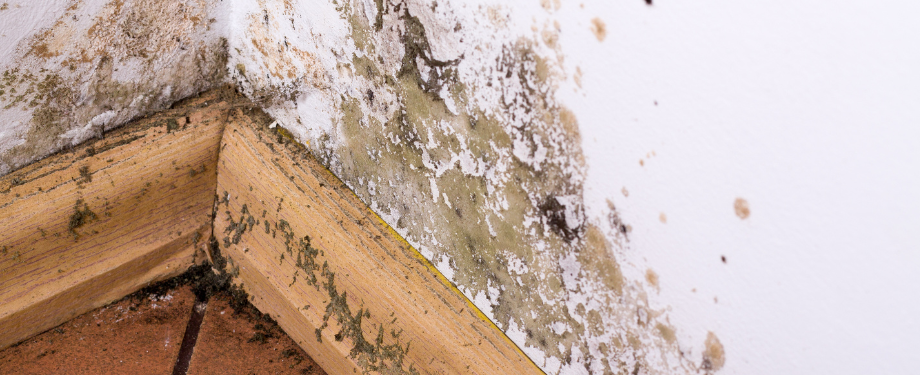
MoldMold is a type of fungus that grows in damp or humid conditi... More thrives in environments with high humidityHumidity is the amount of moisture or water vapor present in... More and excess moisture. Spaces like basements, crawl spaces, bathrooms, and kitchens are especially vulnerable because they often lack proper ventilationVentilation is the process of exchanging or circulating air ... More and retain damp air. MoldMold is a type of fungus that grows in damp or humid conditi... More spreads through microscopic sporesSpores are microscopic reproductive units of fungi or mold t... More that are always present in the air. When these sporesSpores are microscopic reproductive units of fungi or mold t... More settle on damp surfaces, they quickly multiply and begin to grow. Early signs of moldMold is a type of fungus that grows in damp or humid conditi... More may include a musty odorAn odor is a smell, often detectable by the human nose, whic... More, visible spots on walls or ceilings, and increased condensation on windows or surfaces. Several factors combine with excess moisture to accelerate moldMold is a type of fungus that grows in damp or humid conditi... More growth:
| Cause | How It Contributes to MoldMold is a type of fungus that grows in damp or humid conditi... More Growth | High‑Risk Locations |
|---|---|---|
| Poor VentilationVentilation is the process of exchanging or circulating air ... More | Traps humid air and prevents moisture from escaping. | Bathrooms, crawl spaces, and kitchens |
| Plumbing Leaks | Creates hidden damp spots that stay wet for long periods. | Under sinks, behind walls, near appliances |
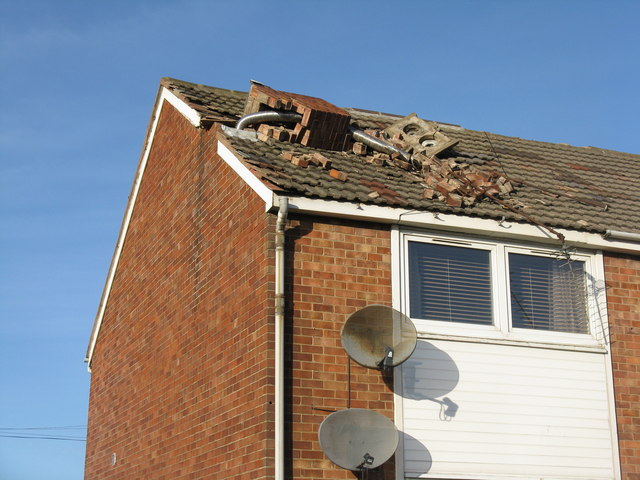
| Roof Leaks or Foundation Cracks | Allows water intrusion that isn’t dried quickly. | Attics, basements, crawl spaces |
| Condensation | Forms on cold surfaces and adds persistent moisture. | HVAC systems, single‑pane windows, and uninsulated pipes |
| Food Sources | MoldMold is a type of fungus that grows in damp or humid conditi... More feeds on organic matter like wood, drywall, carpet, and fabrics. | Throughout the home, especially in damp areas |
MoldMold is a type of fungus that grows in damp or humid conditi... More can develop within 24–48 hours of water exposure. Prompt dryingDrying is the process of removing moisture from materials, s... More and dehumidificationDehumidification is the process of reducing and controlling ... More are critical after any leak, storm, or flood. In humid regions like Florida, Texas, and along the Gulf Coast, seasonal storms and year-round humidityHumidity is the amount of moisture or water vapor present in... More increase the risk. In the Midwest and Northeast, basements and crawl spaces are common problem areas due to damp soil and limited airflow.
Being proactive is the best way to keep moldMold is a type of fungus that grows in damp or humid conditi... More at bay. Regularly ventilating your home, using dehumidifiers in damp areas, and cleaning up small spots of growth immediately can go a long way in preventing serious moldMold is a type of fungus that grows in damp or humid conditi... More infestations.
High Humidity Hotspots in Homes
Not all areas in your home are equally vulnerable to mold growth. Certain spaces naturally collect more moisture due to poor ventilationVentilation is the process of exchanging or circulating air ... More, frequent water use, or structural design. Identifying these high-humidity hotspots helps you focus your preventionPrevention refers to actions taken to reduce the likelihood ... More efforts where they matter most, reducing the risk of moldMold is a type of fungus that grows in damp or humid conditi... More before it starts.
- Bathrooms: Hot showers without adequate exhaust fans allow steam to linger and condense on walls, ceilings, and grout.
- Basements & crawl spaces: Cool, damp air combined with poor circulation creates an ideal environment for moldMold is a type of fungus that grows in damp or humid conditi... More to thrive.
- Kitchens: Steam from cooking, dishwashing, and even refrigerator condensation can raise humidityHumidity is the amount of moisture or water vapor present in... More levels.
- Laundry rooms: Dryers venting indoors or excess steam from washers can create constant dampness.
- Attics: Poor roof ventilationVentilation is the process of exchanging or circulating air ... More, blocked soffit vents, or insulationInsulation is a material used in buildings to reduce the tra... More issues trap humid air near the roofline.
Read: 7 Signs of Mold Growth in Your Walls and How to Remove It
How to Prevent Mold Growth in Humid Areas of Your Home

Preventing moldMold is a type of fungus that grows in damp or humid conditi... More growth in your home is essential for maintaining a safe and healthy environment. Here are some effective ways to reduce the risk of moldMold is a type of fungus that grows in damp or humid conditi... More in your home:
1. Control Indoor Humidity
Use dehumidifiers, air conditioners, and exhaust fans to reduce excess moisture. Place dehumidifiers in basements, crawl spaces, bathrooms, and laundry rooms. There are various sizes of dehumidifiers, so be sure to choose the right-sized unit for your space to maximize efficiency.
2. Maintain Humidity Below 50%
The most effective way to prevent moldMold is a type of fungus that grows in damp or humid conditi... More is to keep indoor humidityHumidity is the amount of moisture or water vapor present in... More levels under control. A dehumidifierA dehumidifier is a device that removes excess moisture from... More or air conditioner can help maintain these levels, and using a hygrometer allows you to monitor changes throughout the year. By making small adjustments seasonally, you can ensure your home stays within a safe humidityHumidity is the amount of moisture or water vapor present in... More range.
3. Improve Ventilation
Good airflow is essential in keeping your home dry and mold-free. Bathrooms, kitchens, and laundry rooms are common moisture hotspots, and installing or running exhaust fans during use can make a big difference. Opening windows when the weather allows and using ceiling fans can also improve circulation. Even less obvious spaces like attics and crawl spaces should be checked to ensure they have proper ventilationVentilation is the process of exchanging or circulating air ... More.
4. Fix Leaks and Water Intrusion Quickly
Even a small leak can leadLead is a heavy metal that can be toxic to humans, especiall... More to significant moldMold is a type of fungus that grows in damp or humid conditi... More growth if it isn’t addressed right away. Plumbing issues, roof leaks, or foundation cracks should be repaired promptly to prevent water from seeping into walls and floors. After storms or floodingFlooding is the overflow or accumulation of water in areas t... More, dryingDrying is the process of removing moisture from materials, s... More the affected area within 24–48 hours is critical to stopping moldMold is a type of fungus that grows in damp or humid conditi... More before it spreads. Staying proactive with repairs protects both your home and your health.
5. Use Mold-Resistant Materials
When building or remodeling, choosing the right materials can greatly reduce your chances of future moldMold is a type of fungus that grows in damp or humid conditi... More problems. Options like mold-resistant drywall, moisture-resistant insulationInsulation is a material used in buildings to reduce the tra... More, and paints with moldMold is a type of fungus that grows in damp or humid conditi... More inhibitors are designed to withstand high humidityHumidity is the amount of moisture or water vapor present in... More. Investing in them now can save you costly repairs in the future.
6. Regular Cleaning and Maintenance
Consistent upkeep is one of the simplest but most effective moldMold is a type of fungus that grows in damp or humid conditi... More preventionPrevention refers to actions taken to reduce the likelihood ... More strategies. Cleaning gutters helps water drain away from your home, while scheduling HVAC inspections ensures proper airflow and drainage. Regular cleaning in bathrooms, kitchens, and laundry rooms with mold-resistant solutions also discourages growth. By making moldMold is a type of fungus that grows in damp or humid conditi... More preventionPrevention refers to actions taken to reduce the likelihood ... More part of your routine, you can maintain a healthier home environment year-round.
Quick Tips to Prevent Mold Growth in High-Humidity Areas | Video
How to Monitor Humidity & Moisture Levels
Regularly monitoringMonitoring is the ongoing observation and measurement of con... More the humidityHumidity is the amount of moisture or water vapor present in... More and moisture in your home is one of the most effective ways to prevent moldMold is a type of fungus that grows in damp or humid conditi... More growth. MoldMold is a type of fungus that grows in damp or humid conditi... More sporesSpores are microscopic reproductive units of fungi or mold t... More multiply quickly in damp environments, so keeping track of indoor air qualityIndoor air quality (IAQ) refers to the condition of the air ... More helps you take action before problems spread.
One of the easiest tools to use is a hygrometer, which measures indoor humidityHumidity is the amount of moisture or water vapor present in... More. These inexpensive devices let you monitor whether your home stays in the recommended 30–50% range advised by the EPA. If readings start to creep above that level, running a dehumidifierA dehumidifier is a device that removes excess moisture from... More, improving airflow, or adjusting your HVAC system can bring them back down. Moisture problems aren’t always visible right away, which is why it’s important to pay attention to subtle warning signs, such as:
- A persistent musty odorAn odor is a smell, often detectable by the human nose, whic... More in certain rooms
- Condensation forming on windows or walls
- Peeling paint or bubbling wallpaper
- Unexplained allergy-like symptoms in your household
If you notice any of these issues, it often means hidden moisture is present behind walls, under flooring, or in crawl spaces. Addressing these signs early not only prevents moldMold is a type of fungus that grows in damp or humid conditi... More from spreading but also saves you from costly repairs in the future.

Health Impacts of Mold Exposure
MoldMold is a type of fungus that grows in damp or humid conditi... More isn’t just a nuisance in your home; it can directly affect your health. When sporesSpores are microscopic reproductive units of fungi or mold t... More are released into the air, they are easily inhaled, leading to a wide range of symptoms. For some people, exposure may cause mild issues such as nasal congestion, sore throat, persistent coughing, wheezing, itchy eyes, or skin irritation. Because these signs often mimic seasonal allergies or a common cold, mold-related illnesses can go unnoticed for weeks or even months.
For individuals with asthma, allergies, or respiratory conditions, moldMold is a type of fungus that grows in damp or humid conditi... More exposure can be much more serious. It may trigger asthma attacks, worsen allergy symptoms, and cause ongoing shortness of breath. Prolonged exposure has also been linked to the development of chronic respiratory problems. Children, older adults, and those with weakened immune systems are especially vulnerable, sometimes experiencing more severe complications after only limited exposure.
According to the Centers for Disease Control and Prevention (CDC), moldMold is a type of fungus that grows in damp or humid conditi... More exposure can impact overall indoor air qualityIndoor air quality (IAQ) refers to the condition of the air ... More and contribute to long-term health risks if not addressed. Warning signs that your health may be affected by moldMold is a type of fungus that grows in damp or humid conditi... More include:
- Increased frequency of asthma attacks
- Persistent cold-like symptoms that don’t improve
- Headaches or fatigue that worsen indoors
- Heightened sensitivity to dust or airborne particles
Because mold-related health issues can range from mild discomfort to severe complications, it’s important to address any suspected moldMold is a type of fungus that grows in damp or humid conditi... More problem immediately. Controlling indoor moisture and eliminating moldMold is a type of fungus that grows in damp or humid conditi... More growth not only protects your property but also ensures a healthier living environment for your family.
When to Call a Professional Mold Remediation Service
While small moldMold is a type of fungus that grows in damp or humid conditi... More spots on non-porous surfaces can sometimes be handled with safe DIY cleaning, larger or recurring infestations should always be left to professionals. Certified mold remediation specialists have the right training, protective gear, and equipment to safely contain and remove moldMold is a type of fungus that grows in damp or humid conditi... More without spreading sporesSpores are microscopic reproductive units of fungi or mold t... More to other parts of your home.
You should contact a professional if you notice persistent musty odors, visible moldMold is a type of fungus that grows in damp or humid conditi... More spreading across walls or ceilings, or if family members develop ongoing respiratory issues such as coughing, wheezing, or worsening asthma. MoldMold is a type of fungus that grows in damp or humid conditi... More growth after floodingFlooding is the overflow or accumulation of water in areas t... More, plumbing leaks, or water damage is also a red flag that professional intervention is needed. Acting quickly ensures a thorough cleanup and helps prevent long-term health risks and structural damage.
Professional Mold Removal
Preventing moldMold is a type of fungus that grows in damp or humid conditi... More is always the best defense, but even with the right precautions, growth can sometimes occur in high-humidity areas. Professionals use advanced methods such as HEPA vacuums, negative air machines, and antimicrobial treatments to completely remove moldMold is a type of fungus that grows in damp or humid conditi... More and prevent it from returning. These techniques go beyond surface cleaning and ensure sporesSpores are microscopic reproductive units of fungi or mold t... More are safely eliminated from the air and affected materials.
Consistent monitoringMonitoring is the ongoing observation and measurement of con... More remains just as important as preventionPrevention refers to actions taken to reduce the likelihood ... More. Use a hygrometer to track indoor humidityHumidity is the amount of moisture or water vapor present in... More, check for condensation on windows or walls, and watch for early warning signs like musty odors or peeling paint. Keeping humidityHumidity is the amount of moisture or water vapor present in... More between 30–50%, repairing leaks quickly, and scheduling regular home maintenanceMaintenance is the routine care, inspection, and repair of a... More are key steps in protecting both your property and your health.
If you discover moldMold is a type of fungus that grows in damp or humid conditi... More despite your efforts, don’t wait. MoldMold is a type of fungus that grows in damp or humid conditi... More spreads rapidly in humid environments, turning a small issue into a costly infestation. Professional mold remediation experts have the tools, training, and protective equipment to eliminate moldMold is a type of fungus that grows in damp or humid conditi... More safely and prevent it from coming back. Don’t wait until a small problem becomes a costly, hazardous infestation. Contact a trusted moldMold is a type of fungus that grows in damp or humid conditi... More removal professional today to restore a safe, healthy environment in your home.
FAQs – Mold Growth in Humid Areas of Homes
Will moldMold is a type of fungus that grows in damp or humid conditi... More grow in 70% humidityHumidity is the amount of moisture or water vapor present in... More?
Yes, moldMold is a type of fungus that grows in damp or humid conditi... More is very likely to grow when humidityHumidity is the amount of moisture or water vapor present in... More is consistently around 70% or higher. At that level, moisture lingers on surfaces, creating the perfect environment for sporesSpores are microscopic reproductive units of fungi or mold t... More to spread.
Do dehumidifiers stop moldMold is a type of fungus that grows in damp or humid conditi... More?
Dehumidifiers don’t kill existing moldMold is a type of fungus that grows in damp or humid conditi... More, but they do prevent new moldMold is a type of fungus that grows in damp or humid conditi... More from growing by keeping humidityHumidity is the amount of moisture or water vapor present in... More low. Pairing a dehumidifierA dehumidifier is a device that removes excess moisture from... More with good ventilationVentilation is the process of exchanging or circulating air ... More is one of the best long-term preventionPrevention refers to actions taken to reduce the likelihood ... More methods.
How do you prevent moldMold is a type of fungus that grows in damp or humid conditi... More in high humidityHumidity is the amount of moisture or water vapor present in... More?
Keep indoor humidityHumidity is the amount of moisture or water vapor present in... More below 50%, improve airflow with exhaust fans, repairRepair is the act of fixing or restoring damaged property, m... More leaks right away, and use mold-resistant materials in moisture-prone areas like bathrooms and basements. Regular monitoringMonitoring is the ongoing observation and measurement of con... More with a hygrometer also helps you stay ahead of moldMold is a type of fungus that grows in damp or humid conditi... More problems.
What’s better for moldMold is a type of fungus that grows in damp or humid conditi... More, air purifier or dehumidifierA dehumidifier is a device that removes excess moisture from... More?
A dehumidifierA dehumidifier is a device that removes excess moisture from... More is better for preventing moldMold is a type of fungus that grows in damp or humid conditi... More because it removes excess moisture, which moldMold is a type of fungus that grows in damp or humid conditi... More needs to survive. Air purifiers can help capture moldMold is a type of fungus that grows in damp or humid conditi... More sporesSpores are microscopic reproductive units of fungi or mold t... More already in the air, but they don’t address the root cause: humidityHumidity is the amount of moisture or water vapor present in... More. Ideally, using both together gives you the best protection.
What temperature to keep a house to prevent moldMold is a type of fungus that grows in damp or humid conditi... More?
MoldMold is a type of fungus that grows in damp or humid conditi... More prefers warm, humid environments. Keeping your home around 68–72°F with consistent airflow helps discourage moldMold is a type of fungus that grows in damp or humid conditi... More growth. More important than temperature, though, is maintaining humidityHumidity is the amount of moisture or water vapor present in... More under 50%.

About Vince Sandri
Vince Sandri is a content writer and blogger with more than 12 years of experience. His expertise is in creating content related to disaster restorationRestoration is the process of returning a property to its pr... More, including information about preventing and reacting to natural disasters like floodingFlooding is the overflow or accumulation of water in areas t... More, water damage, fire and smoke damage, moldMold is a type of fungus that grows in damp or humid conditi... More growth, storm damage and more.
Vince has been the main contributor to RestorationMasterFinder.com since 2014. Over that time, he has written numerous service pages and blogs for disaster restorationRestoration is the process of returning a property to its pr... More providers featured on RestorationMasterFinder.com. Vince has done extensive research and covered a wide range of topics relating to disaster restorationRestoration is the process of returning a property to its pr... More to help homeowners, business owners, and property managers better protect their property. He understands the problems that disasters like floodingFlooding is the overflow or accumulation of water in areas t... More, fire, smoke, and moldMold is a type of fungus that grows in damp or humid conditi... More can cause as well as the best ways to respond to these issues to limit the damage.
Vince completed his Bachelor of Arts degree at Aurora University and his master’s degree at DePaul University. He has been writing SEO website pages, blogs, and press releases since 2012. Vince is also a musician and can be seen playing in the Chicago, IL area.