



How to Fix a Water-Damaged Ceiling
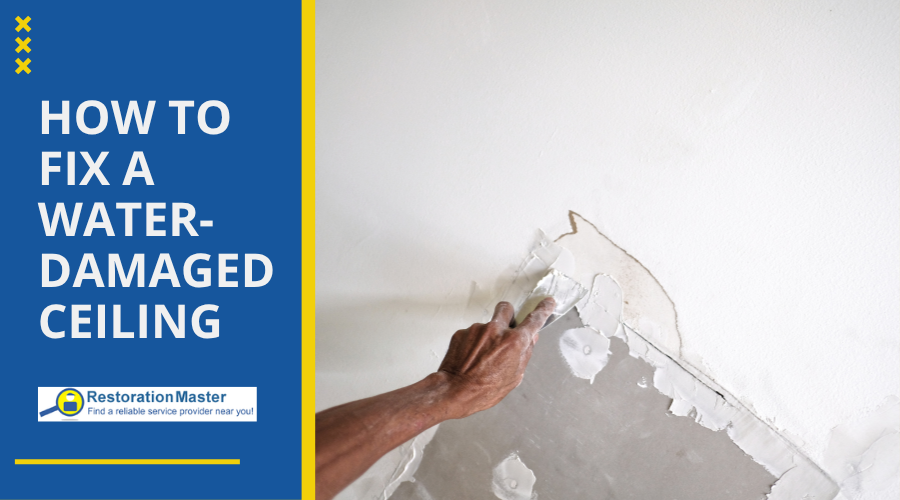
Dealing with a water-damaged ceiling can be both stressful and costly. That’s why it’s crucial to act immediately if you spot signs of water damage, such as staining, peeling, or bulging. For smaller areas, you might be able to tackle the repairs yourself if you’re handy. However, for extensive damage, bringing in professional water damage restoration experts is the best way to prevent further expensive problems.
This guide will cover everything you need to know, including how to identify water leaks in your ceiling, repairRepair is the act of fixing or restoring damaged property, m... More techniques for ceiling leaks, step-by-step instructions to fix a water-damaged ceiling, common types of ceiling water damage, and when to call in professionals for repairs.
How to Find Water Leaks in the Ceiling
Before repairing your ceiling, it’s essential to locate the source of the leak. Ignoring the problem or failing to find its origin will only allow the issue to persist, making it difficult to fix effectively. Water damage spreads quickly, so the visible damage location may not match the actual leak source. For example, a water stain on your ceiling could be caused by a leaking pipe, deteriorated roofing, or clogged gutters. You may need to remove sections of drywall to investigate further.
Addressing the root cause quickly is critical to preventing further damage and moldMold is a type of fungus that grows in damp or humid conditi... More growth. This is where calling water damage professionals can make a huge difference. They use specialized moisture detection tools to find the leak’s root cause. Common sources of ceiling water damage include:
- Roof leaks caused by severe weather or wear
- Clogged or damaged gutters and soffits
- Condensation from dryer vents or HVAC systems
- Leaking plumbing pipes or fixtures
How to Fix Ceiling Water Leaks
The more water your ceiling absorbs, the greater the damage. Excess moisture can weaken the ceiling’s structural integrity and increase the risk of moldMold is a type of fungus that grows in damp or humid conditi... More infestations, which pose health hazards. To avoid these serious issues, it’s vital to address ceiling water damage promptly. Acting fast can prevent further water absorptionAbsorption is the process by which a material takes in or so... More that jeopardizes safety and leads to costly repairs. Water damage repairs should always be handled by professionals. Contact a reliable water damage restorationWater damage restoration is the professional process of clea... More company immediately to minimize damage and ensure proper remediation.
Step-by-Step Guide to Repair Your Water-Damaged Ceiling
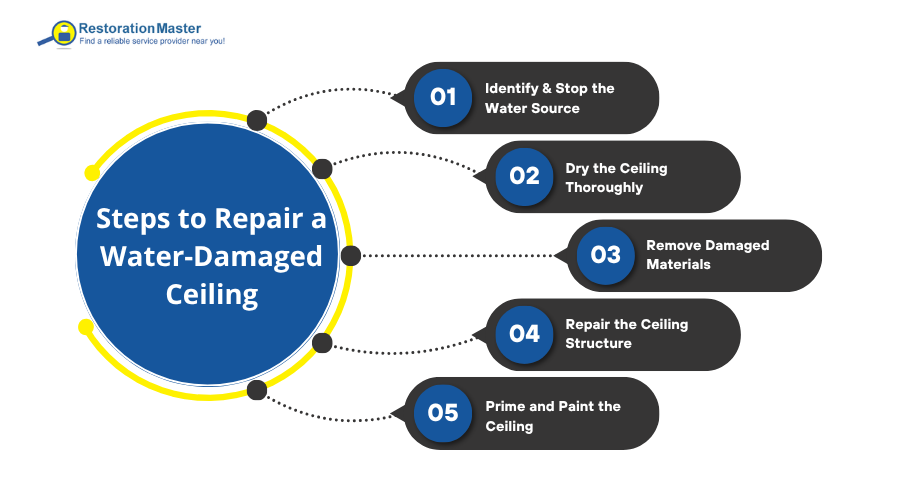
If your ceiling has minor water damage, you might be able to repairRepair is the act of fixing or restoring damaged property, m... More it yourself with a bit of effort and the right approach. By following the proper steps, you can address the issue and restore your ceiling to its original condition. Follow these steps carefully:
- Find and stop the water source. Locate the leak to prevent ongoing damage. This might require professional tools to detect hidden moisture. Common causes are roof damage, dryer vent condensation, or plumbing leaks.
- Dry the ceiling thoroughly. Use fans and dehumidifiers to dry the affected areas. Remove damaged drywall sections if needed to improve airflow. Proper dryingDrying is the process of removing moisture from materials, s... More helps prevent mold growth.
- Remove damaged materials. Cut out any bulging, peeling, or water-stained drywall. Dispose of damaged insulationInsulation is a material used in buildings to reduce the tra... More or ceiling materials safely.
- RepairRepair is the act of fixing or restoring damaged property, m... More the ceiling structureStructure refers to the framework or components of a buildin... More. Sand rough edges and patch holes with drywall pieces cut slightly larger than the damage. Use joint compound to smooth seams and finish sanding after dryingDrying is the process of removing moisture from materials, s... More.
- Prime and paint the ceiling. Apply primer to repaired areas before painting to ensure a seamless finish.
Common Types of Ceiling Water Damage
Water damage can occur in various forms, each requiring specific repairs. Here are some common types of ceiling water damage to be aware of:
- Water stains: If you notice discoloration on the ceiling because of water exposure, this means you may have a leak or plumbing issue.
- Cracks: If you have visible cracks in the ceiling, this could be a sign of water damage, structural issues, or inadequate support.
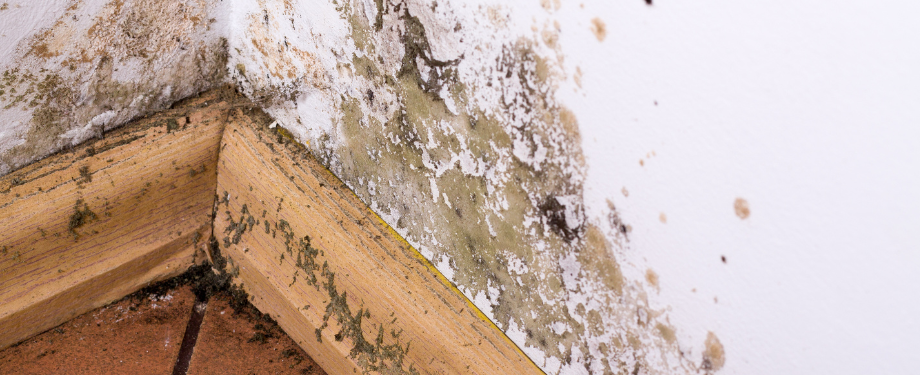
- MoldMold is a type of fungus that grows in damp or humid conditi... More and mildewMildew is a type of fungus that grows on damp surfaces, typi... More: MoldMold is a type of fungus that grows in damp or humid conditi... More and mildewMildew is a type of fungus that grows on damp surfaces, typi... More growing on the ceiling is likely a sign of water damage that must be addressed immediately.
- Sagging ceilings: Noticeable sagging may be a result of water damage, structural problems, or insufficient support. It’s important to address this issue promptly to prevent further complications that could compromise the safety and integrity of the ceiling.
Bonus Tips to Prevent Ceiling Water Damage
- Regularly inspect your roof and gutters for damage or blockage.
- Ensure proper ventilationVentilation is the process of exchanging or circulating air ... More in bathrooms and laundry areas to reduce condensation buildup.
- Schedule periodic plumbing inspections to catch leaks early.
- Install moisture alarms or sensors in vulnerable areas for early detection.
When to Call Professionals for Water Damage Repair
Ceiling water damage can cause serious problems if left untreated. If you notice any signs of damage, such as stains, sagging, moldMold is a type of fungus that grows in damp or humid conditi... More, or persistent leaks, contact a professional restoration company immediately. Professionals have the experience, tools, and equipment to detect hidden moisture, stop leaks, remove moldMold is a type of fungus that grows in damp or humid conditi... More, and restore your ceiling safely and effectively. Attempting a DIY fix without addressing the cause often leads to recurring damage and higher costs.
Frequently Asked Questions About Water-Damaged Ceilings:
Can a water-damaged ceiling be fixed?
Yes, a water-damaged ceiling can often be repaired, especially if the damage is caught early. Minor stains and peeling can be patched and repainted, while more severe damage involving sagging, moldMold is a type of fungus that grows in damp or humid conditi... More, or structural issues may require professional restorationRestoration is the process of returning a property to its pr... More and drywall replacement.
Can you just paint over a water-damaged ceiling?
Painting over water damage without addressing the root cause or properly preparing the surface is not recommended. Water stains and damaged drywall need to be cleaned, dried, and repaired first; otherwise, the stains will reappear and the damage may worsen beneath the paint.
What is the average cost to repairRepair is the act of fixing or restoring damaged property, m... More a ceiling with water damage?
The cost varies depending on damage severity, size, and repairs needed. Minor repairs like patching and painting may cost a few hundred dollars, while extensive restorationRestoration is the process of returning a property to its pr... More involving drywall replacement, mold remediationMold remediation is the process of identifying, removing, an... More, and structural fixes can range from $1,000 to $3,000 or more.
How long does it take for a ceiling to collapse from water damage?
The timeline for a ceiling to collapse varies based on the amount of water, the materials involved, and the ventilationVentilation is the process of exchanging or circulating air ... More. In severe cases, a ceiling can start to sag or fail within days or weeks if water exposure is significant and ongoing. Immediate action is crucial to prevent collapse and safety hazards.
Is water damage to the ceiling covered by insurance?
Water damage coverage depends on your homeowner’s insuranceHomeowner’s insurance is a policy that provides financial ... More policy and the damage caused. Sudden and accidental water damage, like burst pipes, is usually covered, while gradual damage from neglect or poor maintenanceMaintenance is the routine care, inspection, and repair of a... More typically is not. Always review your policy and document damage promptly.
Do I have to replace drywall if it gets wet?
Drywall often needs to be replaced if it becomes saturated with water, especially if it remains wet for more than 24-48 hours. Wet drywall can lose structural integrity and promote moldMold is a type of fungus that grows in damp or humid conditi... More growth. Small, damp spots may be dried and repaired, but extensive wet areas usually require removal and replacement.

About Vince Sandri
Vince Sandri is a content writer and blogger with more than 12 years of experience. His expertise is in creating content related to disaster restorationRestoration is the process of returning a property to its pr... More, including information about preventing and reacting to natural disasters like floodingFlooding is the overflow or accumulation of water in areas t... More, water damage, fire and smoke damage, moldMold is a type of fungus that grows in damp or humid conditi... More growth, storm damage and more.
Vince has been the main contributor to RestorationMasterFinder.com since 2014. Over that time, he has written numerous service pages and blogs for disaster restorationRestoration is the process of returning a property to its pr... More providers featured on RestorationMasterFinder.com. Vince has done extensive research and covered a wide range of topics relating to disaster restorationRestoration is the process of returning a property to its pr... More to help homeowners, business owners, and property managers better protect their property. He understands the problems that disasters like floodingFlooding is the overflow or accumulation of water in areas t... More, fire, smoke, and moldMold is a type of fungus that grows in damp or humid conditi... More can cause as well as the best ways to respond to these issues to limit the damage.
Vince completed his Bachelor of Arts degree at Aurora University and his master’s degree at DePaul University. He has been writing SEO website pages, blogs, and press releases since 2012. Vince is also a musician and can be seen playing in the Chicago, IL area.