


Can Mold Affect My Pets?
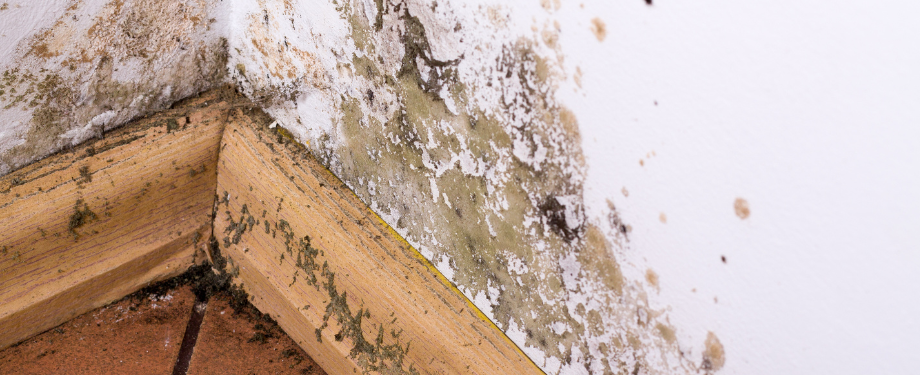
MoldMold is a type of fungus that grows in damp or humid conditi... More causes not only structural damage but various health risks as well.
Whether it’s condensation, high indoor humidityHumidity is the amount of moisture or water vapor present in... More levels, leaking pipes, or a recent floodingFlooding is the overflow or accumulation of water in areas t... More disaster, most homes have some moisture issues. And every home contains plenty of organic materialsOrganic materials are derived from living organisms, such as... More, such as wood, paper, fabric, leather, grout, drywall, insulationInsulation is a material used in buildings to reduce the tra... More materials, etc. So, since moldMold is a type of fungus that grows in damp or humid conditi... More sporesSpores are microscopic reproductive units of fungi or mold t... More exist everywhere in the environment, all the requirements for moldMold is a type of fungus that grows in damp or humid conditi... More growth are met and the harmful microorganisms start developing. The moldMold is a type of fungus that grows in damp or humid conditi... More spreads quickly and affects large areas of the building, causing costly structural damage and serious health hazards to everyone in the home – people and pets alike.
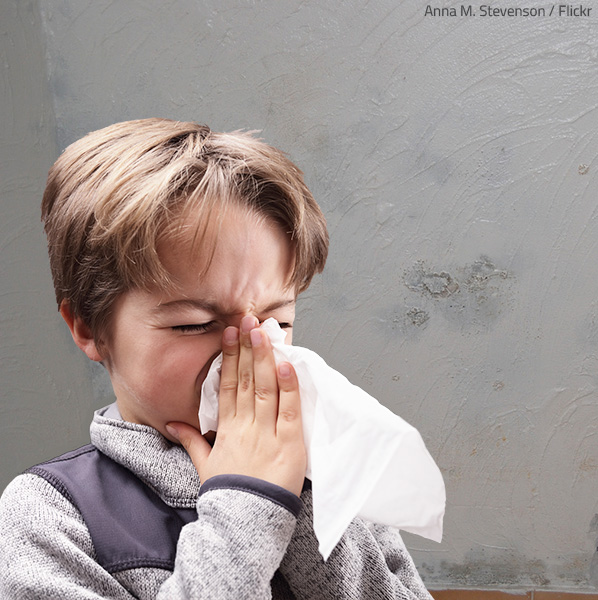
The effects of moldMold is a type of fungus that grows in damp or humid conditi... More on humans are well known (allergic symptoms like sneezing, nasal congestion, skin and eye irritation, etc., aggravated respiratory diseases, inflammation of the lungs), but the danger it poses to pets has not been recognized until recently. In fact, household moldMold is a type of fungus that grows in damp or humid conditi... More affects pets even more virulently than humans – dogs, cats, and other small animals are more susceptible to mold-related illness than people due to their less advanced immune systems. When continually exposed to the harmful microorganisms, pets may experience severe health problems and even die unless they receive proper (and timely) medical care.
How Does Mold Affect Pets?
MoldMold is a type of fungus that grows in damp or humid conditi... More sporesSpores are microscopic reproductive units of fungi or mold t... More can enter your pet’s body through inhalation (if the animal inhales floating sporesSpores are microscopic reproductive units of fungi or mold t... More released by moldMold is a type of fungus that grows in damp or humid conditi... More colonies) or ingestion (when the pet eats moldy food):
- When inhaled, moldMold is a type of fungus that grows in damp or humid conditi... More causes fever, lethargy, and different respiratory issues. The typical symptoms include difficult or rapid breathing, coughing, sneezing, nasal discharge, lethargy, and bleeding from the nose and/or mouth;
- When eaten, moldMold is a type of fungus that grows in damp or humid conditi... More leads to digestive problems and damage to the gastrointestinal tract. The most common symptoms include loss of appetite, vomiting, and stool changes.
What’s more, close contact with moldMold is a type of fungus that grows in damp or humid conditi... More for a prolonged period of time may result in various allergic reactions and neurological issues, such as tremors and seizures.
Some animals are more susceptible to moldMold is a type of fungus that grows in damp or humid conditi... More sporesSpores are microscopic reproductive units of fungi or mold t... More and may experience more adverse health effects than others. Besides, some types of moldMold is a type of fungus that grows in damp or humid conditi... More are much more dangerous than others and pose greater health risks.
Toxic moldMold is a type of fungus that grows in damp or humid conditi... More species (such as the infamous black moldMold is a type of fungus that grows in damp or humid conditi... More) are the most virulent ones – they produce mycotoxinsMycotoxins are toxic substances produced by certain types of... More that can cause cell death and damage the liver. Pets exposed to the sporesSpores are microscopic reproductive units of fungi or mold t... More may suffer from pulmonary hemorrhage, a deadly condition characterized by heavy bleeding in the animal’s lungs.
Unless moldMold is a type of fungus that grows in damp or humid conditi... More sickness is treated in a timely and effective manner, it may leadLead is a heavy metal that can be toxic to humans, especiall... More to organ damage (or even organ failure) and seriously affect your pet’s nervous system. Therefore, it is of paramount importance that you watch out for moldMold is a type of fungus that grows in damp or humid conditi... More exposure symptoms in your animal friend and get veterinary help as soon as possible if you notice any signs of moldMold is a type of fungus that grows in damp or humid conditi... More poisoning.
Mold Exposure Symptoms in Pets
Black moldMold is a type of fungus that grows in damp or humid conditi... More symptoms in dogs, cats, and other pets can range from excessive scratching and sneezing to joint pain and blood clotting problems:
-
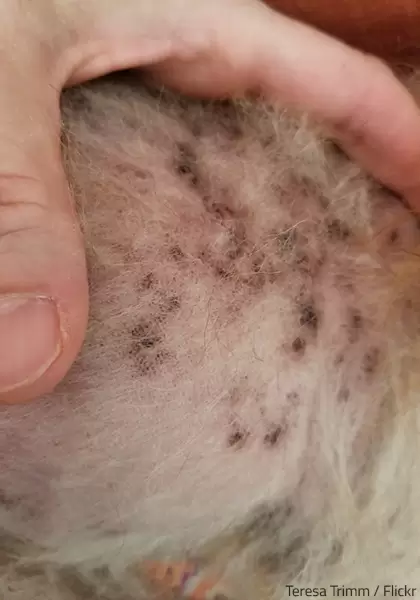
Excessive licking, scratching, and chewing may result in hair loss, skin sores, and bleeding.
Labored breathing
- Wheezing
- Sneezing
- Coughing
- Runny nose
- Runny eyes
- Excessive scratching
- Excessive licking
- Skin rashes and sores
- Fur loss
- Loss of appetite
- Diarrhea
- Vomiting
- Bleeding from the nose or/and mouth
- Lameness
- Trembling
- Convulsions
- Seizures
- Lethargy
- Anxiety
- Changes in behavior
Keep in mind that many of the signs and symptoms of moldMold is a type of fungus that grows in damp or humid conditi... More exposure can resemble other health conditions. So, if your pet exhibits any of the above symptoms or if you have any reason to suspect that your animal friend may be suffering from moldMold is a type of fungus that grows in damp or humid conditi... More sickness (in case your home was recently flooded, for example), take them to the veterinarian immediately.
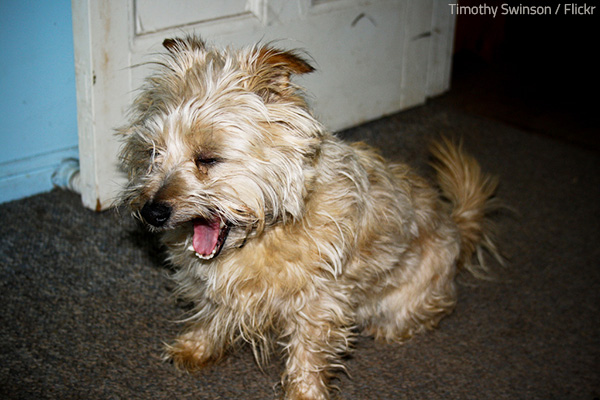
Take your animal friend to the vet as soon as you notice any symptoms of moldMold is a type of fungus that grows in damp or humid conditi... More exposure.
Your vet may prescribe detoxifying drugs, steroids, or other medications, depending on the animal’s condition. The treatment may involve a blood transfusion (if the pet bleeds unduly) and antibiotics to fight secondary infections. Blood tests will be made several times to monitor liver function and if your pet is very ill, they may need to stay at the vet’s office for round-the-clock care.
Most pets that receive quick medical help after toxic moldMold is a type of fungus that grows in damp or humid conditi... More exposure make a full recovery. Yet, you should not bring your animal friend back home until you determine the cause of the moldMold is a type of fungus that grows in damp or humid conditi... More problem and remove the fungiFungi are a group of organisms, including mold, mildew, and ... More from your property – continued exposure to moldMold is a type of fungus that grows in damp or humid conditi... More can aggravate your pet’s condition and result in permanent organ damage or even death.
To protect your pet (as well as yourself and your family), you need to ensure that the living environment in your home is healthy and free of moldMold is a type of fungus that grows in damp or humid conditi... More. Professional mold removal and cleanup is your best bet as the experienced mold remediation specialists will discover and remove all the moldMold is a type of fungus that grows in damp or humid conditi... More in your home (including hidden and dormant moldMold is a type of fungus that grows in damp or humid conditi... More sporesSpores are microscopic reproductive units of fungi or mold t... More), clean and disinfect the affected areas, repairRepair is the act of fixing or restoring damaged property, m... More any sustained damage, remove moldMold is a type of fungus that grows in damp or humid conditi... More odorAn odor is a smell, often detectable by the human nose, whic... More, and prevent moldMold is a type of fungus that grows in damp or humid conditi... More growth in near future. Your pet will be safe, but you need to be careful to avoid moldMold is a type of fungus that grows in damp or humid conditi... More exposure henceforward.
How to Keep Your Pets Safe from Mold
- Keep pet food in sealed containers and store them in a cold, dry area;
- Wash food and water bowls every day;
- Wash pet toys once a week;
- Wash your pet’s bedding in hot water frequently (immediately, if it gets damp);
- Clean cages, litter boxes, and accessories on a regular basis;
- Don’t give your pet access to the trash or any area where there might be moldy food;
- Keep your pet away from moldy environments – crawl spaces, basements, flooded areas, swamps, river banks, etc.;
- Keep the indoor humidity levels low – open the windows to allow plenty of sunlight inside and ensure good air circulation in your home, run dehumidifiers, etc.;
- Inspect your home for moldMold is a type of fungus that grows in damp or humid conditi... More at regular intervals (immediately, if your home sustains any kind of water damage or if you have any reason to suspect moldMold is a type of fungus that grows in damp or humid conditi... More growth) – check for signs of mold growth on drywall and baseboards, on ceilings and around windows, etc.
- Get rid of household moldMold is a type of fungus that grows in damp or humid conditi... More as soon as possible.
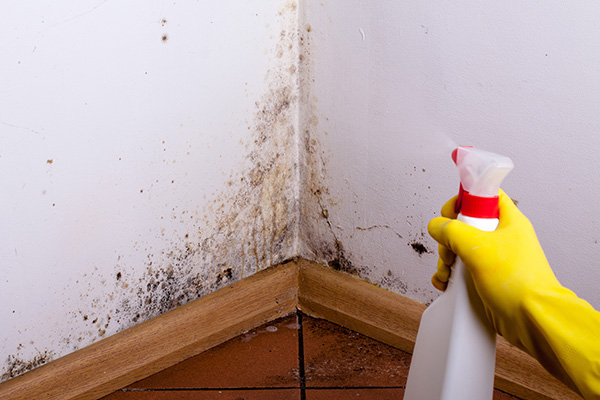
Make sure your home is mold-free and safe for you, your family, and your pets.
If the affected area is small and easy to clean, you may be able to remove the mold with baking soda, vinegar, or a specialized moldMold is a type of fungus that grows in damp or humid conditi... More cleaner. If moldMold is a type of fungus that grows in damp or humid conditi... More covers an area greater than 10 square feet, however, or if the sporesSpores are microscopic reproductive units of fungi or mold t... More have spread into the heating and air conditioning ducts or contaminated materials that are difficult to clean or places that are difficult to reach, or if you have health problems that may be made worse by contact with moldMold is a type of fungus that grows in damp or humid conditi... More, you are strongly advised to hire professional help.
The experienced mold remediation experts will inspect your home, assess the level of moldMold is a type of fungus that grows in damp or humid conditi... More damage, seal off the affected area, remove and discard damaged household materials, remove moldMold is a type of fungus that grows in damp or humid conditi... More sporesSpores are microscopic reproductive units of fungi or mold t... More and moldMold is a type of fungus that grows in damp or humid conditi... More odorAn odor is a smell, often detectable by the human nose, whic... More, clean and disinfected the premises, and perform any necessary repairs and mitigation procedures. Your home will be mold-free and safe for you, your family, and your pets. Just make sure you take all the necessary precautions to keep your animal friends from contact with moldMold is a type of fungus that grows in damp or humid conditi... More in the future.

About Vince Sandri
Vince Sandri is a content writer and blogger with more than 12 years of experience. His expertise is in creating content related to disaster restorationRestoration is the process of returning a property to its pr... More, including information about preventing and reacting to natural disasters like floodingFlooding is the overflow or accumulation of water in areas t... More, water damage, fire and smoke damage, moldMold is a type of fungus that grows in damp or humid conditi... More growth, storm damage and more.
Vince has been the main contributor to RestorationMasterFinder.com since 2014. Over that time, he has written numerous service pages and blogs for disaster restorationRestoration is the process of returning a property to its pr... More providers featured on RestorationMasterFinder.com. Vince has done extensive research and covered a wide range of topics relating to disaster restorationRestoration is the process of returning a property to its pr... More to help homeowners, business owners, and property managers better protect their property. He understands the problems that disasters like floodingFlooding is the overflow or accumulation of water in areas t... More, fire, smoke, and moldMold is a type of fungus that grows in damp or humid conditi... More can cause as well as the best ways to respond to these issues to limit the damage.
Vince completed his Bachelor of Arts degree at Aurora University and his master’s degree at DePaul University. He has been writing SEO website pages, blogs, and press releases since 2012. Vince is also a musician and can be seen playing in the Chicago, IL area.