






HVAC Mold Removal – What to Do
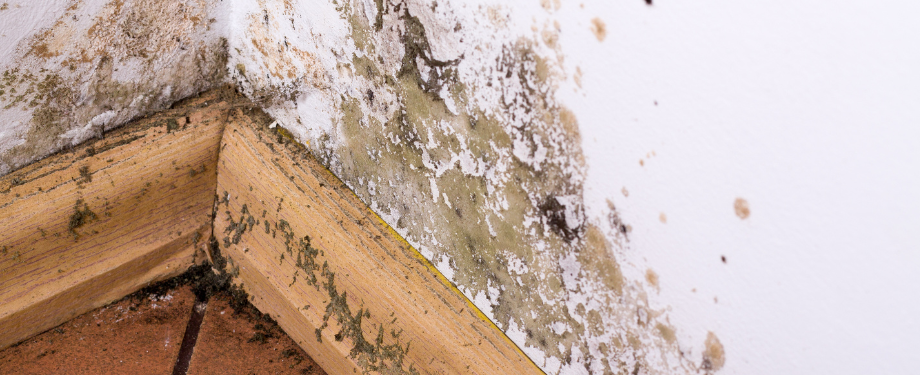
When moldMold is a type of fungus that grows in damp or humid conditi... More invades your property, it will spread by dispersing its sporesSpores are microscopic reproductive units of fungi or mold t... More throughout the home or building to affect other areas. But if it has developed in your HVAC system, the process of it spreading is accelerated because the air flow is helping to push the sporesSpores are microscopic reproductive units of fungi or mold t... More to affect new surfaces.
In addition, there are many health risks associated with moldMold is a type of fungus that grows in damp or humid conditi... More as its sporesSpores are microscopic reproductive units of fungi or mold t... More trigger a number of allergic reactions and respiratory issues, including coughing, sneezing, watery eyes, itchy eyes, runny nose, and a variety of other health problems.
Common Causes of Mold in Air Ducts
Despite the dangers of moldMold is a type of fungus that grows in damp or humid conditi... More growing within the home, it is common for it to develop within the ductwork. In the warmer seasons, cool air is sent throughout the ducts and moisture condensates along the sides, creating the perfect environment for moldMold is a type of fungus that grows in damp or humid conditi... More to grow. Within a short period of time, the fungus is able to spread throughout the home or building and cause problems for everyone.
If you have found yourself in this situation, you can either hire a professional mold removal company or save a few dollars by following these HVAC mold removal tips.
How to Remove Mold from HVAC System
When it comes to cleaning moldMold is a type of fungus that grows in damp or humid conditi... More, there are a number of chemicals and natural cleaners that can be used, although some will be more effective than others, depending on the species and how far it has penetrated.
Removing it from air ducts deep within your home can be tricky because they can be hard to reach, so you may have to remove them from their place in order to clean them properly. But you can follow these steps in removing moldMold is a type of fungus that grows in damp or humid conditi... More from the air vents first to prevent the majority of the moldMold is a type of fungus that grows in damp or humid conditi... More from spreading to other areas.
- Wear personal protection. Protecting your health and safety is the first priority in any cleaning process. Make sure that you are wearing gloves, eyewear, and a breathing mask to avoid all contact with the moldMold is a type of fungus that grows in damp or humid conditi... More.
- Turn off the HVAC system. As long as the air is blowing, moldMold is a type of fungus that grows in damp or humid conditi... More sporesSpores are microscopic reproductive units of fungi or mold t... More are floating throughout the ductwork, making it extremely dangerous to your health.
- Identify the cause. Finding the cause of the moldMold is a type of fungus that grows in damp or humid conditi... More is essential so you won’t have to worry about it returning in the future when you are done cleaning. For example, if moisture levels within your home are too high, they need to be turned down. Or if there is too much water running in the air conditioning unit, there is significant condensation within the ductwork that is allowing the sporesSpores are microscopic reproductive units of fungi or mold t... More to develop.
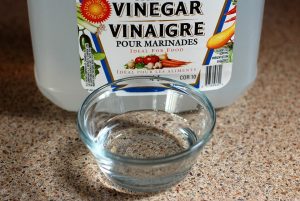
- Clean the air vent cover. Before applying any chemicals, close the register first. Then spray the vent cover with vinegar, allowing it to sit for an hour. You can then wipe down the surface with paper towels; just make sure to throw them away in a heavy-duty garbage bag when you are done.
- Remove the air vent cover. After removing the screws from the cover, place it upside down on the floor on top of a plastic bag. Then repeat the process of spraying the back of the cover with vinegar, allowing it to sit for another hour and wiping it with paper towels afterwards.
- Inspect the insulationInsulation is a material used in buildings to reduce the tra... More. MoldMold is a type of fungus that grows in damp or humid conditi... More thrives in insulationInsulation is a material used in buildings to reduce the tra... More because of its porousPorous describes a material that contains small openings or ... More surface and the moisture it can hold. If this is close to your ductwork, make sure that it is not affected or else you will need to throw it out right away and order a replacement.
- Clean the air ducts. As long as there is not an infestation within the ductwork, you should be able to spray the vinegar onto the metal and allow it to sit for an hour. Just make sure to wipe it with the paper towels after you are done, or it will only spread further. For spots that are harder to reach, you may have to remove part of the ductwork, or contact a mold remediation specialist for help.
Vinegar is the most effective solutionA solution is a homogeneous mixture of two or more substance... More for removing moldMold is a type of fungus that grows in damp or humid conditi... More because it penetrates through the surface and attacks the membrane, unlike other cleaners. But removing moldMold is a type of fungus that grows in damp or humid conditi... More is considered dangerous and difficult due to the sporesSpores are microscopic reproductive units of fungi or mold t... More it releases as well as its ability to penetrate deep within its affected surface.
But if you have used vinegar and found that it doesn’t work, you can try mixing water with other chemicals, such as: bleach, baking soda, Lysol, grapefruit seed oil, tea-tree oil, or another mold-removing cleaner from your local hardware store. Again, some chemicals are more effective for different species and surfaces, so you may have to experiment with a few different cleaners.
Professional Mold Removal
When you have found yourself stuck, the fungus just doesn’t seem to be coming off, and you have exhausted all resourcesResources include tools, personnel, equipment, and materials... More, it is best to contact the professionals. A professional mold remediationMold remediation is the process of identifying, removing, an... Moreremediation companyA remediation company is a business specializing in cleaning... More will use advanced products to penetrate deep within the moldMold is a type of fungus that grows in damp or humid conditi... More walls to eliminate it at the source. They will also remove the cause of the moldMold is a type of fungus that grows in damp or humid conditi... More or inform you of what you can do – such as running a dehumidifierA dehumidifier is a device that removes excess moisture from... More – to ensure the fungus does not return in the future.
When searching for a professional company, you can contact your local RestorationMaster. Although they specialize in disaster restoration, they are experts in mold removal and remediation. Their technicians understand that the situation must be addressed right away and they will not hesitate to treat the affected area to prevent the problem from becoming worse. Finally, they will ensure that the moldMold is a type of fungus that grows in damp or humid conditi... More does not return in the future by removing the cause or source of the moisture, disallowing it to develop in the same area.

About Vince Sandri
Vince Sandri is a content writer and blogger with more than 12 years of experience. His expertise is in creating content related to disaster restorationRestoration is the process of returning a property to its pr... More, including information about preventing and reacting to natural disasters like floodingFlooding is the overflow or accumulation of water in areas t... More, water damage, fire and smoke damage, moldMold is a type of fungus that grows in damp or humid conditi... More growth, storm damage and more.
Vince has been the main contributor to RestorationMasterFinder.com since 2014. Over that time, he has written numerous service pages and blogs for disaster restorationRestoration is the process of returning a property to its pr... More providers featured on RestorationMasterFinder.com. Vince has done extensive research and covered a wide range of topics relating to disaster restorationRestoration is the process of returning a property to its pr... More to help homeowners, business owners, and property managers better protect their property. He understands the problems that disasters like floodingFlooding is the overflow or accumulation of water in areas t... More, fire, smoke, and moldMold is a type of fungus that grows in damp or humid conditi... More can cause as well as the best ways to respond to these issues to limit the damage.
Vince completed his Bachelor of Arts degree at Aurora University and his master’s degree at DePaul University. He has been writing SEO website pages, blogs, and press releases since 2012. Vince is also a musician and can be seen playing in the Chicago, IL area.