



How to Get Rid of Mold on Walls
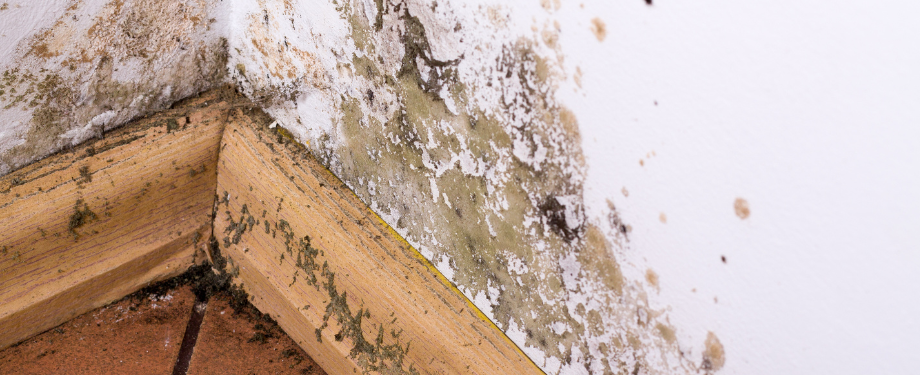
Finding moldMold is a type of fungus that grows in damp or humid conditi... More on the walls of your home is certain to give you a headache, whether you’re prone to moldMold is a type of fungus that grows in damp or humid conditi... More allergy symptoms or not. The ugly patches of moldMold is a type of fungus that grows in damp or humid conditi... More on the wall not only reduce the value and overall appeal of your property, but also suggest water damage to your home and pose serious health concerns for you and your family. If you want to avoid more severe troubles and preserve your good health and the integrity of your living space, you need to take quick and efficient measures at the first signs of moldMold is a type of fungus that grows in damp or humid conditi... More growth in your home.
Small patches of moldMold is a type of fungus that grows in damp or humid conditi... More can be easily cleaned with the help of common household supplies, so if you can fix the source of the problem (a source of excessive moisture, such as a leaky pipe or a leaky roof) and remove the moldMold is a type of fungus that grows in damp or humid conditi... More sporesSpores are microscopic reproductive units of fungi or mold t... More before they have spread over a larger area, you have every chance to get rid of the harmful microorganisms before they have caused any serious damage.
To be able to do so, however, you need to control the moisture levels in your home (fix water problems and reduce indoor humidityHumidity is the amount of moisture or water vapor present in... More levels) and know how to effectively clean moldMold is a type of fungus that grows in damp or humid conditi... More off walls. Your first step is to recognize the first signs of mold problems on walls. Then, you need to remove the sporesSpores are microscopic reproductive units of fungi or mold t... More in a safe and efficient manner.
Signs of Mold on Walls
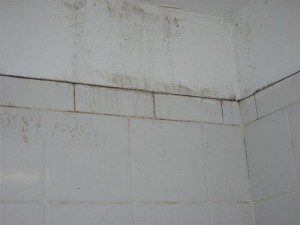 The earlier you discover the presence of moldMold is a type of fungus that grows in damp or humid conditi... More in your home, the easier it will be to get rid of it. MoldMold is a type of fungus that grows in damp or humid conditi... More often remains hidden for a long period after it has started developing, so by the time you notice the ugly black spots on the walls, moldMold is a type of fungus that grows in damp or humid conditi... More may have already badly affected the building materials in your home (seeing small spots of moldMold is a type of fungus that grows in damp or humid conditi... More on a wall usually means that there is a larger moldMold is a type of fungus that grows in damp or humid conditi... More colony slowly growing through). Other, less apparent signs, however, will appear long before the actual moldMold is a type of fungus that grows in damp or humid conditi... More patches and give you a timely warning – provided that you know what to look for. The most common tell-tale signs of moldMold is a type of fungus that grows in damp or humid conditi... More include:
- Cracked or peeling paint;
- Discoloration and/or bulging;
- A musty smell;
- Allergic reactions that have no logical explanation.
Any of these signs may indicate that moldMold is a type of fungus that grows in damp or humid conditi... More is actually growing hidden behind the wall. You need to take a closer look and carefully inspect your property for water damage.
Have in mind that moldMold is a type of fungus that grows in damp or humid conditi... More is most likely to appear where there is (or there has been) a water leak or in particularly humid areas of the home, such as bathrooms, basements, and laundry rooms. Cupboards under sinks and areas where condensation usually occurs (in attics, near windows, on walls that form the perimeter of a house, etc.) are also very prone to moldMold is a type of fungus that grows in damp or humid conditi... More growth. It’s only logical then that mold is commonly found on kitchen, basement, and bathroom walls (especially on grout lines and shower recesses).
How to Remove Mold from Painted Walls
If you notice moldMold is a type of fungus that grows in damp or humid conditi... More on any coated or painted interior walls, you need to act quickly – the moldMold is a type of fungus that grows in damp or humid conditi... More sporesSpores are microscopic reproductive units of fungi or mold t... More will be just on the surface. If you manage to get rid of them before the harmful microorganisms have spread over larger areas and compromised the structural integrity of your home, you should be able to prevent any serious problems.
The following steps will help you clean moldMold is a type of fungus that grows in damp or humid conditi... More from your walls:
- Prepare the area: Take any decorative items, fabric materials, electrical equipment, and furniture pieces away from the affected area. Protect the surrounding surfaces – cover the floor, windows, and vents with plastic sheets (secure them with tape, to be on the safe side) – and keep an old towel at hand to catch eventual spills.
- Clean the wall: Use a spongeA sponge is a porous material used to absorb liquids or clea... More dampened with warm water and a mild dishwashing liquid to remove any dirt or debris from the wall.
- Apply natural moldMold is a type of fungus that grows in damp or humid conditi... More remover: If the moldMold is a type of fungus that grows in damp or humid conditi... More spots are small and cover only a limited area of the wall, you’re recommended to try a “natural” cleaning approach first – mix white vinegar with warm water (you may add some borax as well) and apply the solutionA solution is a homogeneous mixture of two or more substance... More on the affected surface. Scrub well, rinse with clean water, and wipe the area dry with a towel.
- Apply stronger moldMold is a type of fungus that grows in damp or humid conditi... More remover: If the natural method does not yield the desired results, or if you’re dealing with considerable moldMold is a type of fungus that grows in damp or humid conditi... More growth, you’ll need a stronger cleaner – use a commercial cleaner for heavy duty mold removal, or mix one part bleach with three parts water. Apply the cleaning solutionA solution is a homogeneous mixture of two or more substance... More on the wall, let it sit for about 10 minutes, then scrub vigorously with a stiff-bristle brush until the moldMold is a type of fungus that grows in damp or humid conditi... More spots disappear. Rinse the area and dry it with a clean cloth (it may be a good idea to use an electric fan to make sure the wall dries quickly and fully).
If necessary, paint over the cleaned area – use a stain-blocking primer before you apply the paint or opt for a mildew-resistant paint to inhibit moldMold is a type of fungus that grows in damp or humid conditi... More growth in the future. If you do not feel comfortable cleaning up moldMold is a type of fungus that grows in damp or humid conditi... More yourself, you should contact a mold remediation professional.
How to Remove Mold from Drywall
If you find moldMold is a type of fungus that grows in damp or humid conditi... More growing on unpainted drywall in your home, you won’t be able to simply clean it off – the unpainted surface is porousPorous describes a material that contains small openings or ... More which means that the moldMold is a type of fungus that grows in damp or humid conditi... More will have threaded its way into the structureStructure refers to the framework or components of a buildin... More of the drywall and you’ll most likely have to replace the affected section. The following steps will help you remove mold growth from your drywall:
- Cover the surrounding areas with plastic sheeting to prevent moldMold is a type of fungus that grows in damp or humid conditi... More sporesSpores are microscopic reproductive units of fungi or mold t... More that may break loose during the cleaning process from finding their way into the flooring or other nearby household items and materials;
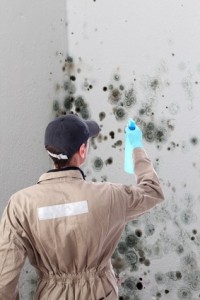 Mark the affected area – make sure you mark a slightly larger section than the visible moldMold is a type of fungus that grows in damp or humid conditi... More patch as unseen moldMold is a type of fungus that grows in damp or humid conditi... More sporesSpores are microscopic reproductive units of fungi or mold t... More have probably already affected the adjacent areas;
- Use a utility knife to cut out the affected sections (make sure you cut out an area that covers at least two of the wooden beams behind the drywall);
- Carefully remove the affected patch of drywall and set it down on the plastic sheeting, mold-side up;
- Clean the room with a HEPA vacuum to remove any loose moldMold is a type of fungus that grows in damp or humid conditi... More sporesSpores are microscopic reproductive units of fungi or mold t... More;
- Consider painting the wall cavity with a mold-resistant paint before replacing the drywall. It’s a good idea to paint the backside of the new section of drywall as well;
Replace the drywall:
- Measure the length and width of the missing section of drywall;
- Cut a piece of fresh drywall with the exact same measurements;
- Fit the new piece of drywall into the hole and secure it with screws;
- Apply joint compound to the perimeter of the new section to help seal any cracks in between the segments;
- Let the joint compound dry for about 24 hours, then sand it to smooth out the surface.
Mold Removal Tips
To ensure efficient results and appropriate safety when cleaning moldMold is a type of fungus that grows in damp or humid conditi... More off walls make sure you:
- Keep children and pets away from the affected area and the cleaning products;
- Work in a well-ventilated area;
- Wear personal protective gear – long sleeves and pants, rubber gloves, protective glasses, and a dust mask;
- Never mix bleach with ammonia, as this results in a highly toxic vaporVapor is the gaseous form of a substance that is typically l... More;
- If you have experienced extensive water damage to your home, do not attempt to deal with the resulting moldMold is a type of fungus that grows in damp or humid conditi... More issues yourself – the moldMold is a type of fungus that grows in damp or humid conditi... More on the walls will most likely be toxic black moldMold is a type of fungus that grows in damp or humid conditi... More that requires professional treatment.
You may need professional help to get rid of moldMold is a type of fungus that grows in damp or humid conditi... More on walls in some other circumstances as well – if moldMold is a type of fungus that grows in damp or humid conditi... More spreads over large areas (over 10 sq. feet), grows in places that are difficult to reach, or has affected household materials that cannot be easily cleaned or replaced, as well as in cases where the moldMold is a type of fungus that grows in damp or humid conditi... More issue persists after all your cleaning efforts. Using professional mold removal services will help you get rid of moldMold is a type of fungus that grows in damp or humid conditi... More for good and will save you plenty of time and elbow grease. The mold remediation process will be quick and efficient and the living environment in your home will be fresh and safe once again.

About Vince Sandri
Vince Sandri is a content writer and blogger with more than 12 years of experience. His expertise is in creating content related to disaster restorationRestoration is the process of returning a property to its pr... More, including information about preventing and reacting to natural disasters like floodingFlooding is the overflow or accumulation of water in areas t... More, water damage, fire and smoke damage, moldMold is a type of fungus that grows in damp or humid conditi... More growth, storm damage and more.
Vince has been the main contributor to RestorationMasterFinder.com since 2014. Over that time, he has written numerous service pages and blogs for disaster restorationRestoration is the process of returning a property to its pr... More providers featured on RestorationMasterFinder.com. Vince has done extensive research and covered a wide range of topics relating to disaster restorationRestoration is the process of returning a property to its pr... More to help homeowners, business owners, and property managers better protect their property. He understands the problems that disasters like floodingFlooding is the overflow or accumulation of water in areas t... More, fire, smoke, and moldMold is a type of fungus that grows in damp or humid conditi... More can cause as well as the best ways to respond to these issues to limit the damage.
Vince completed his Bachelor of Arts degree at Aurora University and his master’s degree at DePaul University. He has been writing SEO website pages, blogs, and press releases since 2012. Vince is also a musician and can be seen playing in the Chicago, IL area.