




The Health Effects of Mold Growth in Your Home
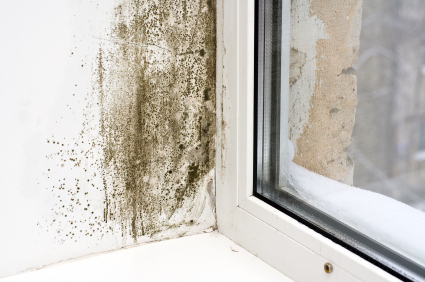
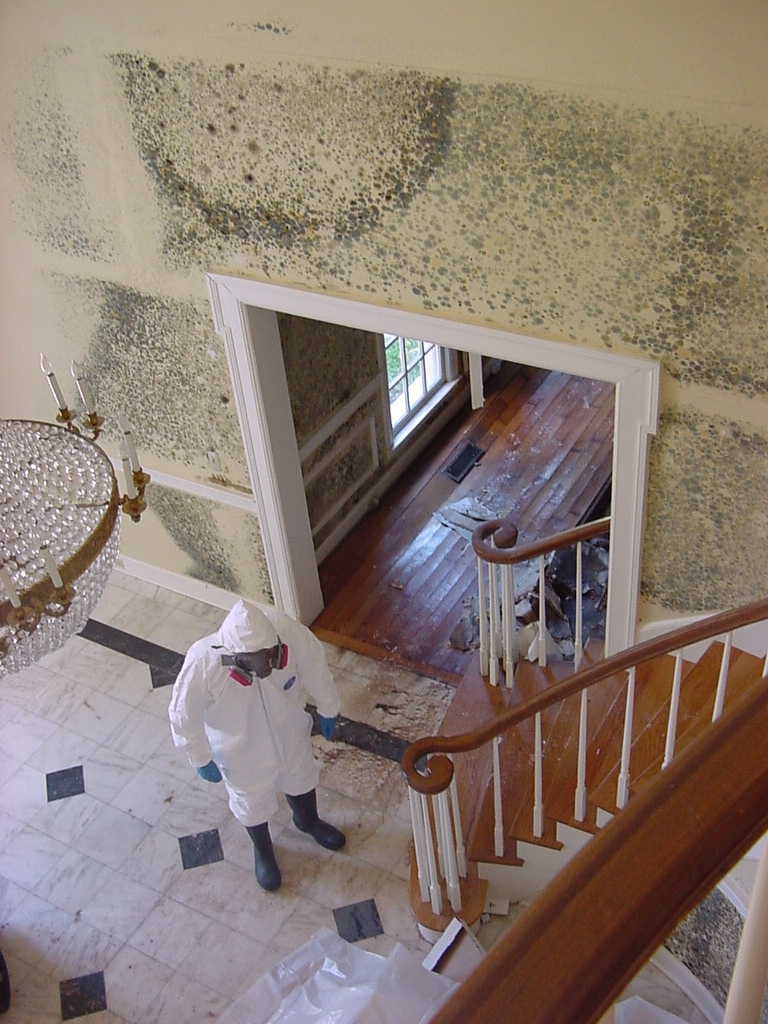
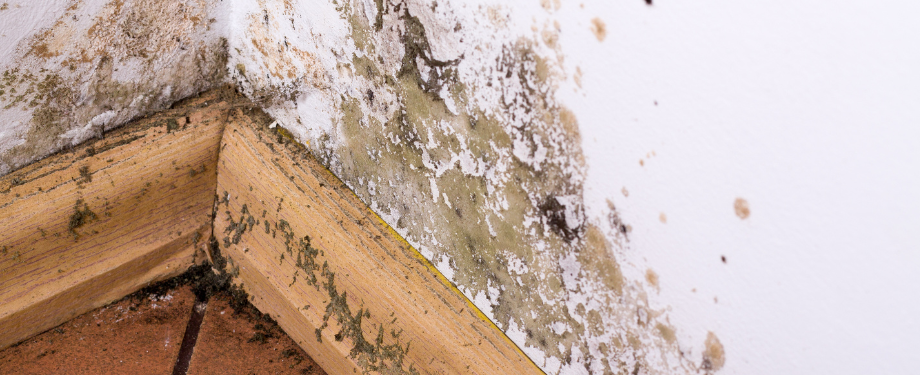
Of all the potential problems that can occur within a home, moldMold is a type of fungus that grows in damp or humid conditi... More growth is one of the biggest concerns because it can cause property damage and leadLead is a heavy metal that can be toxic to humans, especiall... More to many different health problems for you and your family. MoldMold is a type of fungus that grows in damp or humid conditi... More growth often occurs as a result of water damage or high humidityHumidity is the amount of moisture or water vapor present in... More and its sporesSpores are microscopic reproductive units of fungi or mold t... More travel through the air and attach to new surfaces to foster growth. Breathing in the moldMold is a type of fungus that grows in damp or humid conditi... More sporesSpores are microscopic reproductive units of fungi or mold t... More is what causes adverse health effects so it is important to have any mold growth removed before it can spread. The following is a discussion of the most common mild and severe health effects from moldMold is a type of fungus that grows in damp or humid conditi... More exposure.
Allergic Reactions from Mold Exposure
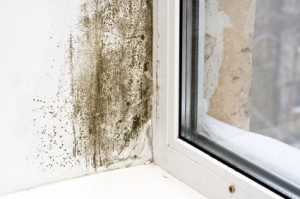
The most common health effects from mold exposure are allergic reactions. For the most part, mild moldMold is a type of fungus that grows in damp or humid conditi... More exposure is not a big cause for concern except in individuals pre-disposed to allergies, but prolonged exposure can cause allergic reactions in healthy people. These allergic reactions commonly include sneezing, coughing, runny noses, wheezing, skin irritation, and tearing and redness of the eyes. MoldMold is a type of fungus that grows in damp or humid conditi... More exposure can also trigger asthma attacks in those that have asthma and cause their symptoms to worsen.
While it is typically more common for these symptoms to occur in people with a predisposition to them, a 2004 study by the Institute of Medicine showed a connection between moldMold is a type of fungus that grows in damp or humid conditi... More exposure and upper respiratory tract symptoms in people that are otherwise healthy. Therefore it is important to remove any moldMold is a type of fungus that grows in damp or humid conditi... More growth that you find because prolonged exposure can affect healthy people as well as those with allergies.
Severe Reactions from Mold Exposure
In some cases, allergic reactions to moldMold is a type of fungus that grows in damp or humid conditi... More can become more severe but this is usually a rare occurrence. These symptoms may include fever, difficulty breathing, flu-like symptoms, fatigue, dizziness, headaches, diarrhea, and vomiting among others. Severe reactions most commonly occur in people with prolonged exposure or who routinely work near a source of moldMold is a type of fungus that grows in damp or humid conditi... More.
Infections from Mold Exposure
If the allergic reactions or moldMold is a type of fungus that grows in damp or humid conditi... More exposure are allowed to persist, then they could leadLead is a heavy metal that can be toxic to humans, especiall... More to full blown infections. There are two types of infections that can occur from moldMold is a type of fungus that grows in damp or humid conditi... More; serious fungal infections and superficial fungal infections.
Serious Fungal Infections
Serious fungal infections are caused by pathogenic fungiFungi are a group of organisms, including mold, mildew, and ... More that include Blastomyces, Coccidioides, Cryptococcus, and Histoplasma. These pathogensPathogens are microorganisms such as bacteria, viruses, or f... More can infect perfectly healthy people and trigger a fatal disease but the infections that involve deep tissue invasions typically only affect people with compromised immune systems. If you or someone you know is in an immune-compromised state, you should take extra precaution to avoid moldMold is a type of fungus that grows in damp or humid conditi... More exposure, and begin looking into mold removal and remediation services.
Superficial Fungal Infections
Superficial fungal infections are infections of the skin or mucosal surfaces and they commonly occur in healthy people as well as those with compromised immune systems. These types of infections can affect the feet (tinea pedis), nails (tinea onychornycosis), groin (tinea cruris), skin (tinea corporis), and mucosal surfaces. The most common organism that causes superficial fungal infections is Trichopython rubrum which is found on indoor moldMold is a type of fungus that grows in damp or humid conditi... More.
Mold and Health | Mold Removal Services | RestorationMaster Video
The best way to avoid allergic reactions and serious or superficial fungal infections from moldMold is a type of fungus that grows in damp or humid conditi... More growth is to prevent moldMold is a type of fungus that grows in damp or humid conditi... More exposure which is why it is important to consult a mold remediation professional as soon as you discover moldMold is a type of fungus that grows in damp or humid conditi... More in your home. Short term, mild moldMold is a type of fungus that grows in damp or humid conditi... More exposure has a very low risk of causing adverse health effects but this risk increases the longer the exposure, even in healthy people. By ensuring that your home is moldMold is a type of fungus that grows in damp or humid conditi... More free, you are not only saving your home from potential property damage, but you are also saving yourself and your family from moldMold is a type of fungus that grows in damp or humid conditi... More related allergic reactions or infections.

About Vince Sandri
Vince Sandri is a content writer and blogger with more than 12 years of experience. His expertise is in creating content related to disaster restorationRestoration is the process of returning a property to its pr... More, including information about preventing and reacting to natural disasters like floodingFlooding is the overflow or accumulation of water in areas t... More, water damage, fire and smoke damage, moldMold is a type of fungus that grows in damp or humid conditi... More growth, storm damage and more.
Vince has been the main contributor to RestorationMasterFinder.com since 2014. Over that time, he has written numerous service pages and blogs for disaster restorationRestoration is the process of returning a property to its pr... More providers featured on RestorationMasterFinder.com. Vince has done extensive research and covered a wide range of topics relating to disaster restorationRestoration is the process of returning a property to its pr... More to help homeowners, business owners, and property managers better protect their property. He understands the problems that disasters like floodingFlooding is the overflow or accumulation of water in areas t... More, fire, smoke, and moldMold is a type of fungus that grows in damp or humid conditi... More can cause as well as the best ways to respond to these issues to limit the damage.
Vince completed his Bachelor of Arts degree at Aurora University and his master’s degree at DePaul University. He has been writing SEO website pages, blogs, and press releases since 2012. Vince is also a musician and can be seen playing in the Chicago, IL area.