





Winter Warning: How Frost in Your Attic Signals Bigger Problems
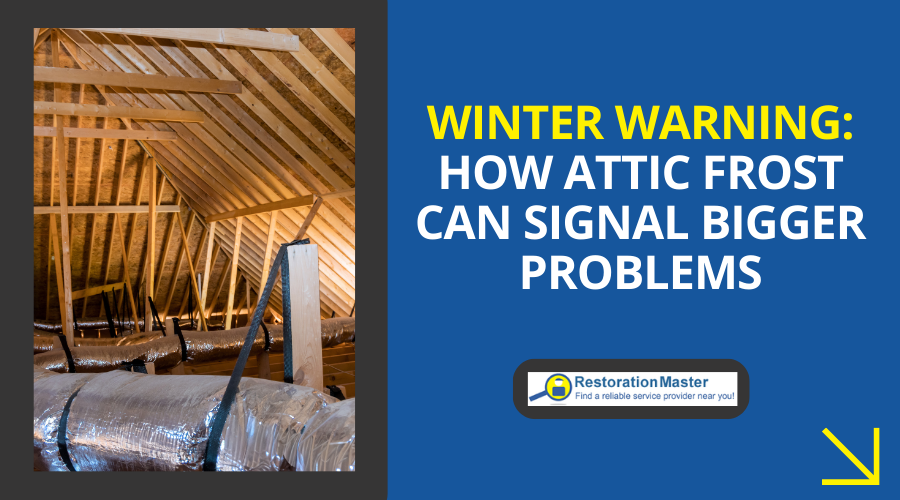
Understanding how to spot frost in your attic is essential to prevent further damage and costly repairs. In this article, we’ll cover what causes attic frost, the main reasons it forms during winter, the hidden dangers it poses, how to identify it, practical prevention tips, steps to take if frost is already present, long-term solutions to stop recurring frost, and strategies to keep your attic safe all winter long.
What Causes Frost in Your Attic During Winter?
Frost in your attic develops when warm, moist air from your living space rises into the cold attic and condenses on surfaces like roof sheathing and rafters. Over time, this can freeze, creating frost and ice buildup. Key factors contributing to attic frost include:
- Attic bypasses: Gaps around vents, chimneys, or attic hatches allow warm air to escape into the attic.
- Poor insulation: Heat loss from living spaces melts snow on the roof, which refreezes at the eaves, increasing frost risk.
- Inadequate ventilation: Without proper airflow, warm, moist air becomes trapped, promoting condensation and frost.
- Excess moisture sources: Humidifiers, bathrooms, kitchens, and faulty appliances (like stoves or water heaters) add unwanted moisture.
- Improper drainage or exterior airflow: Uneven snow and ice melt can lead to localized frost accumulation on roof surfaces.
Left unchecked, frost can damage insulation, wood framing, and roof sheathing, and create conditions for mold, wood rot, and higher energy bills. Understanding these causes helps homeowners take proactive steps to protect their attic and home throughout the winter.
The Hidden Dangers of Frost in Your Attic
Frost in your attic can pose several serious dangers, some more severe than others. Key risks include:
1. Structural Damage
When frost melts and drips, it can saturate roof sheathing, insulation, and even structural lumber. Over time, this weakens critical roof components and may increase the risk of collapse.
2. Mold Growth and Mildew
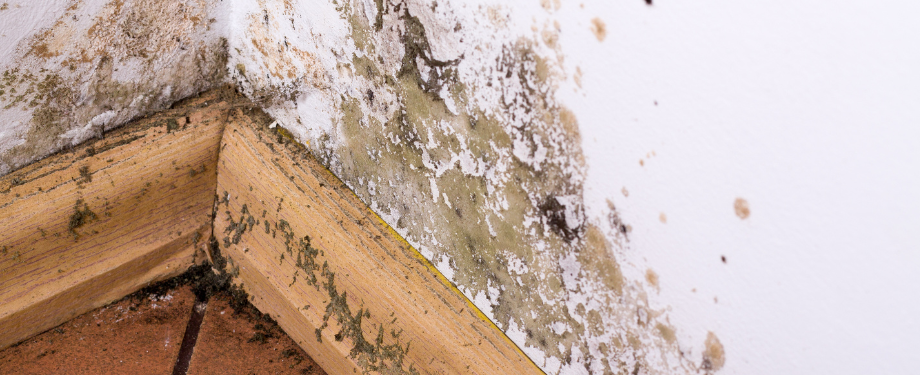
Moisture from melting frost can promote mold on roof sheathing, compromising both the attic and the overall integrity of your home. It can also damage insulation, leading to energy loss and higher utility bills as cold air infiltrates your living spaces.
3. Ice Dams
As snow melts on the warmer upper roof and refreezes at the colder edges, water can back up under shingles, seep into roofing materials, and drip into your attic. This not only damages gutters and shingles but can also lead to interior leaks, water-stained ceilings, and even structural damage if left untreated.
How to Tell if Your Attic Has Frost
There are several signs that your attic may have a frost problem:
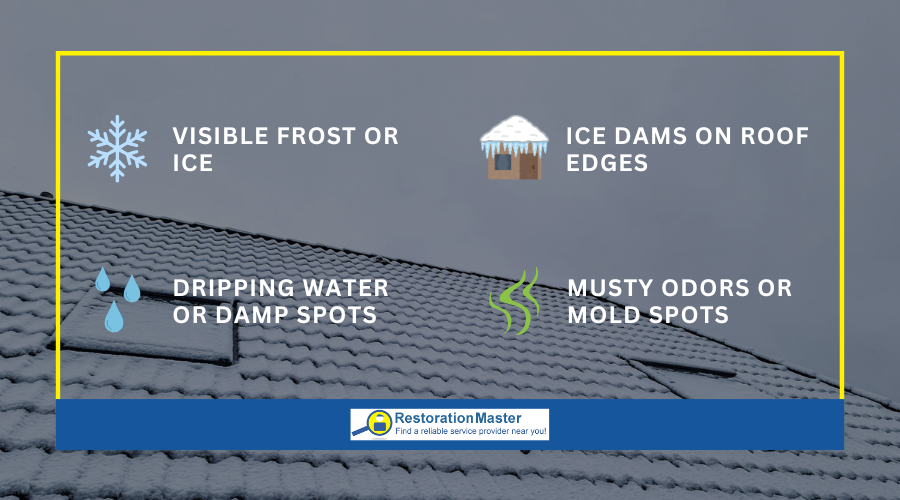
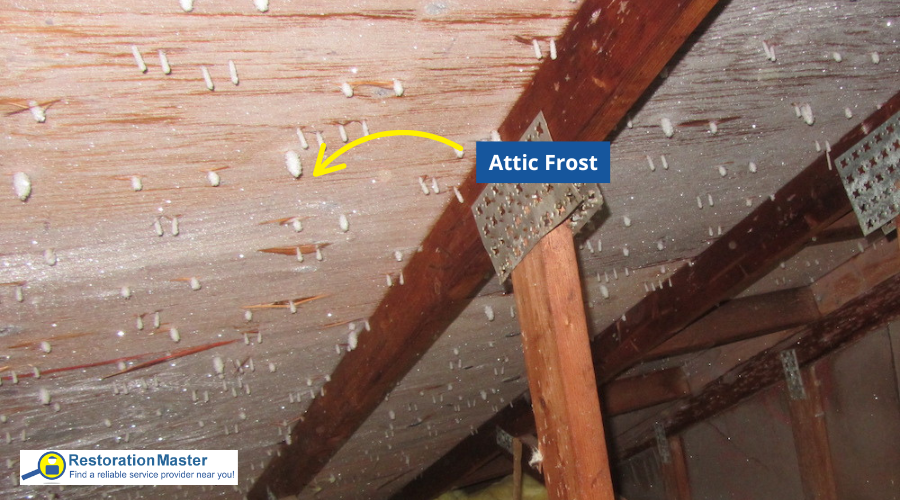
- Visible frost or ice: Frost on roof sheathing, rafters, or other surfaces indicates excess moisture freezing in cold temperatures.
- Dripping water or damp spots: Discoloration or wet patches on wood or insulation are clear signs of moisture issues.
- Ice dams on the roof edges: Caused by heat escaping from the attic, melting snow on the upper roof, and refreezing at the colder eaves.
- Musty odors or mold spots: Foul smells or visible mold on insulation or wood framing indicate moisture buildup and potential attic frost.
Practical Ways to Prevent Frost and Protect Your Attic
There are several effective ways to prevent frost in your attic and protect your home from damage:
- Improve insulation: Ensure your attic, roof, and walls are properly insulated. This prevents unwanted air from escaping or entering, reducing the risk of frost formation.
- Upgrade ventilation: Proper ventilation is essential. Install ridge vents, soffit vents, and attic fans to maintain airflow and keep your attic dry.
- Control moisture: Fix any leaks promptly and ensure bathrooms and kitchens have functioning exhaust vents. Using vapor barriers where needed can also help reduce excess moisture.
- Routine maintenance: Schedule regular attic inspections before winter. Identifying and addressing potential issues early can prevent costly repairs later.
Steps to Take If Frost Has Already Formed in Your Attic
If you discover frost in your attic, follow these steps:
- Assess the situation: Check the extent of the damage and measure moisture levels. This will help you determine whether it’s a DIY fix or if you need to contact a professional restoration company.
- Take temporary precautions: If professional help is required, implement temporary measures to minimize further damage until they arrive. Consult with the restoration experts for guidance tailored to your specific situation to ensure you don’t worsen the problem.
Long-Term Fixes to Stop Frost and Winter Damage
Preventing frost and winter damage in your attic is essential for protecting your home. Here are some effective strategies:
Energy-Efficient Upgrades
These improvements not only protect your property but also save on energy costs:
- High-quality insulation: Upgrading attic insulation helps maintain indoor temperatures and reduces heating and cooling expenses.
- Ventilation systems: Installing ridge vents and soffit vents ensures proper airflow, preventing moisture buildup.
- Attic fans: An attic fan regulates temperature and humidity by exhausting hot, stale air and drawing in cooler outside air, improving overall home ventilation.
Moisture Management
Controlling moisture in your home is key to preventing frost:
- Dehumidifiers and exhaust fans: Turn off humidifiers when not needed and use exhaust fans in bathrooms and kitchens to lower indoor humidity.
- Air sealing: Identify and seal any attic leaks to prevent warm, moist air from escaping and causing frost accumulation.
Keep Your Attic Safe This Winter
Frost in your attic may seem harmless at first, but it can lead to serious structural damage, mold growth, and costly repairs if left unaddressed. The key to keeping your home safe is a combination of proper insulation, effective ventilation, moisture control, and routine maintenance. By taking these preventive steps, you can minimize the risk of frost formation and protect your attic and your entire home throughout the winter months.
However, if frost has already formed or you notice signs of water damage, it’s essential to act quickly. Professional water damage restoration experts can assess the situation, remove excess moisture, repair any damage, and help prevent future issues.
Don’t wait until frost turns into a major problem; contact a trusted water damage restoration company today to safeguard your attic and your home this winter.
Frequently Asked Questions (FAQs)
What exactly causes frost to form in my attic?
Frost forms when warm, moist air from your home rises into the cold attic and condenses on roof sheathing or rafters. Poor insulation, inadequate ventilation, and excess indoor moisture all contribute to frost accumulation.
How can I tell if my attic has frost or ice dams?
Visible frost on rafters or roof sheathing, damp insulation, water stains, and ice buildup along eaves are signs of frost. Ice dams can form at the edges of your roof where melting snow refreezes, blocking proper drainage.
Can frost in the attic damage my home?
Yes. Frost can saturate insulation, weaken wood framing, promote mold growth, and cause ice dams, which may lead to roof leaks, interior water damage, and higher energy bills.
What are the best ways to prevent frost in my attic?
Key preventive measures include upgrading insulation, ensuring proper ventilation (ridge and soffit vents), controlling indoor humidity, sealing attic bypasses, and performing regular pre-winter inspections.

About Ryan Mason
An expert in the disaster restoration industry, Ryan’s journey began at the age of 15, mobilizing across the United States to areas affected by flood, hurricanes and other natural disasters. He is the co-owner of ServiceMaster By Mason since 2001, and has provided restoration and specialty cleaning services to thousands of businesses big-and-small, including assisting with the clean-up efforts at the Boston Public Library after a water-main break and the Pentagon after the 9/11 attacks. Ryan is certified with the Professional Mold Inspection Institute to conduct Air Quality Testing and has received the following IICRC Certifications: ASD, WRT, FSRT, AMRT, and OCT as well as ANMAR and HAZWOPER certifications.