



7 Signs of Mold Growth in Your Walls and How to Remove It

MoldMold is a type of fungus that grows in damp or humid conditi... More in your home isn’t just unsightly; it can also pose serious health risks. That’s why it’s crucial to identify and address hidden moldMold is a type of fungus that grows in damp or humid conditi... More as soon as possible by bringing in mold professionals to remove it. One of the most common areas in our home where moldMold is a type of fungus that grows in damp or humid conditi... More might be hiding is within your walls.
In this article, we’ll cover the key signs of moldMold is a type of fungus that grows in damp or humid conditi... More hiding inside your walls and outline the steps needed to remove it quickly and effectively. Be proactive and look out for these warning signs in your home or business to prevent further damage and avoid expensive repairs down the line.
What Causes Mold to Grow Inside Walls?
MoldMold is a type of fungus that grows in damp or humid conditi... More inside walls is typically caused by excess moisture, which may result from:
- Plumbing leaks or burst pipes
- Poor ventilationVentilation is the process of exchanging or circulating air ... More or high indoor humidityHumidity is the amount of moisture or water vapor present in... More
- FloodingFlooding is the overflow or accumulation of water in areas t... More or roof leaks
- Condensation build-up on cold walls
When drywall or insulationInsulation is a material used in buildings to reduce the tra... More gets damp and stays wet, moldMold is a type of fungus that grows in damp or humid conditi... More sporesSpores are microscopic reproductive units of fungi or mold t... More settle and begin to grow, often undetected behind the surface.
How Do You Know if Mold is Growing Inside Your Walls?
If you’re concerned about moldMold is a type of fungus that grows in damp or humid conditi... More in your walls, knowing what to look for is crucial. MoldMold is a type of fungus that grows in damp or humid conditi... More can often be hidden, showing no visible signs on the surface. However, there are key indicators that can help you determine if moldMold is a type of fungus that grows in damp or humid conditi... More might be lurking within your walls. Pay attention to these warning signs, and if you suspect moldMold is a type of fungus that grows in damp or humid conditi... More, contact professionals immediately to address the issue and prevent further complications. Here are the signs to watch for:
1. Musty or Moldy Odors Behind Walls
MoldMold is a type of fungus that grows in damp or humid conditi... More can often be identified by its distinct smell. The odorAn odor is a smell, often detectable by the human nose, whic... More may originate from walls or be present in your heating or cooling systems. Sometimes, ventilationVentilation is the process of exchanging or circulating air ... More systems can carry the smell from moldy areas and distribute it throughout your home.
The smell tends to intensify in damp conditions. If the moldMold is a type of fungus that grows in damp or humid conditi... More is caused by an unrepaired leak, the odorAn odor is a smell, often detectable by the human nose, whic... More might become more noticeable after rain or snow, as the area becomes wet again. This is why you’re more likely to notice the smell in the days following a rainstorm.
2. Wet Spots or Damp Drywall
If you notice wet spots on your walls, it could be a sign of moldMold is a type of fungus that grows in damp or humid conditi... More growth. MoldMold is a type of fungus that grows in damp or humid conditi... More thrives in damp, humid conditions and requires moisture to spread. PorousPorous describes a material that contains small openings or ... More surfaces in your home are particularly vulnerable to moldMold is a type of fungus that grows in damp or humid conditi... More. Areas with high humidityHumidity is the amount of moisture or water vapor present in... More, leaks, or condensation create the perfect environment for moldMold is a type of fungus that grows in damp or humid conditi... More to grow and spread. Be sure to regularly check walls, carpets, and nearby areas to catch any potential moldMold is a type of fungus that grows in damp or humid conditi... More issues early.

3. Stains or Discoloration on Walls or Ceilings
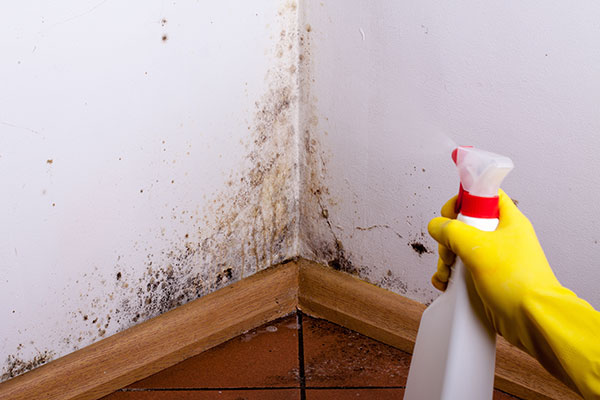
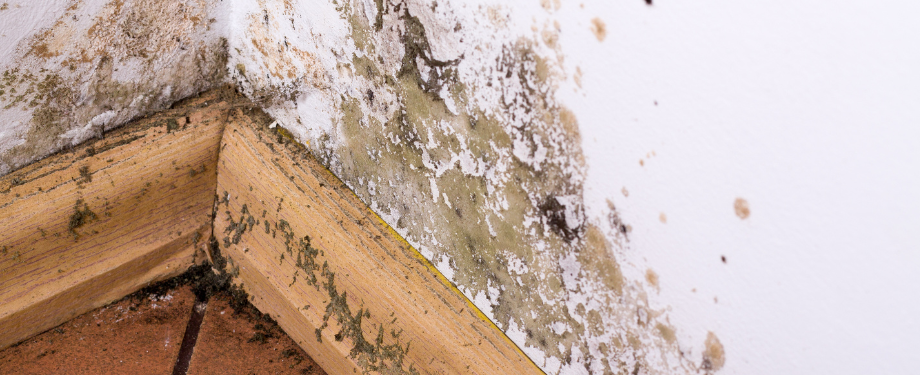
Even if moldMold is a type of fungus that grows in damp or humid conditi... More isn’t visible on your walls, water damage often leaves behind clear signs. Leaks typically cause staining on drywall, which can indicate hidden issues. If you suspect a leak and notice water damage on the surface of your walls, there’s a good chance moldMold is a type of fungus that grows in damp or humid conditi... More may be growing inside. MoldMold is a type of fungus that grows in damp or humid conditi... More can appear in various colors, such as black, blue, or white. Regardless of the stain’s type or color on your walls or ceiling, it’s essential to conduct a thorough inspectionInspection is the careful examination and assessment of a pr... More to address the problem.
4. Recent Leaks or Flooding
If you’ve experienced a leak or flood, there’s a chance moldMold is a type of fungus that grows in damp or humid conditi... More may be growing inside your walls. If the moldMold is a type of fungus that grows in damp or humid conditi... More is caused by a leak, it’s crucial to repairRepair is the act of fixing or restoring damaged property, m... More the leak first to prevent further damage. Flood-related damage can be even more challenging, as you’ll need to wait for the water to recede and begin dryingDrying is the process of removing moisture from materials, s... More the area. This process can take anywhere from hours to days, and moldMold is a type of fungus that grows in damp or humid conditi... More can start growing almost immediately. Once the area is completely dry, inspect it thoroughly for any signs of moldMold is a type of fungus that grows in damp or humid conditi... More growth.
5. Condensation on Surfaces
If you notice water on the walls, windows, or around the refrigerator or freezer, you will more than likely experience moldMold is a type of fungus that grows in damp or humid conditi... More next. Condensation happens because the surfaces are colder than the air or other surfaces in the home. Make sure to insulate or repairRepair is the act of fixing or restoring damaged property, m... More leaky spots around these so you can prevent moldMold is a type of fungus that grows in damp or humid conditi... More growth.
6. Peeling Paint or Bubbling Wallpaper
MoldMold is a type of fungus that grows in damp or humid conditi... More can impact your walls, whether they are painted or wallpapered, often requiring you to repaint or replace the wallpaper after mold removal. If moldMold is a type of fungus that grows in damp or humid conditi... More is damaging your drywall, you may notice surface deterioration and changes, regardless of whether the wall is bare or decorated. Water issues can also cause stains, discoloration, and structural problems such as bulging, bowing, or warpingWarping is the bending, twisting, or distortion of materials... More, which may occur before or after visible mold growth.
7. Unexplained Health Symptoms
MoldMold is a type of fungus that grows in damp or humid conditi... More can hide within walls, but when it spreads, it can leadLead is a heavy metal that can be toxic to humans, especiall... More to serious side effects. Some types of moldMold is a type of fungus that grows in damp or humid conditi... More produce a substance called mycotoxin, which can trigger symptoms like headaches, breathing problems, and even neurological issues. If you’re experiencing unexplained symptoms that don’t seem linked to illness or allergies, it’s important to inspect your home for moldMold is a type of fungus that grows in damp or humid conditi... More growth.
What to Do If You Suspect Mold in Your Walls
If you’ve noticed one or more of these signs, don’t wait. MoldMold is a type of fungus that grows in damp or humid conditi... More spreads quickly, damages your home, and may impact your health. Here’s what to do:
- Stop the Moisture Source: Fix any plumbing leaks, roof damage, or sources of humidityHumidity is the amount of moisture or water vapor present in... More.
- Contact a Professional Mold RemediationMold remediation is the process of identifying, removing, an... More Team: Avoid DIY removal; opening walls without proper containment can release sporesSpores are microscopic reproductive units of fungi or mold t... More into the air. IICRC-certified professionals use protective equipment, containment barriers, HEPA filtration, and antimicrobial treatments to safely remove moldMold is a type of fungus that grows in damp or humid conditi... More.
- RepairRepair is the act of fixing or restoring damaged property, m... More and Restore: After the moldMold is a type of fungus that grows in damp or humid conditi... More is removed, affected areas will need to be dried, treated, and restored to prevent recurrence.
What Happens If You Ignore Mold in Your Walls?
Ignoring moldMold is a type of fungus that grows in damp or humid conditi... More allows it to spread deeper into walls, ceilings, and insulationInsulation is a material used in buildings to reduce the tra... More. Over time, it can weaken drywall, rot wood framing, damage flooring, and leadLead is a heavy metal that can be toxic to humans, especiall... More to expensive repairs. More importantly, moldMold is a type of fungus that grows in damp or humid conditi... More sporesSpores are microscopic reproductive units of fungi or mold t... More can circulate through your HVAC system, affecting your indoor air qualityIndoor air quality (IAQ) refers to the condition of the air ... More and potentially causing long-term health issues.
Need Mold Removed from Your Walls?
MoldMold is a type of fungus that grows in damp or humid conditi... More inside your walls is more than just a nuisance; it’s a hidden threat to your home and health. Recognizing the warning signs early, such as musty odors, staining, or unexplained health symptoms, can help you act quickly and avoid extensive damage. If you suspect moldMold is a type of fungus that grows in damp or humid conditi... More is lurking behind your walls, don’t wait. Contact a professional mold remediationMold remediation is the process of identifying, removing, an... More service to thoroughly inspect, remove, and treat the affected areas. Taking swift action not only protects your property but also ensures a healthier living environment for you and your family.
If you’ve noticed any signs of hidden moldMold is a type of fungus that grows in damp or humid conditi... More in your walls, whether it’s musty odors, water stains, or unexplained health symptoms, don’t delay. MoldMold is a type of fungus that grows in damp or humid conditi... More can spread quickly and silently, compromising both your property and well-being. Experienced mold remediation professionals are equipped to detect and safely remove moldMold is a type of fungus that grows in damp or humid conditi... More from your home or business, ensuring a thorough cleanup and long-term protection. Call today to schedule an mold inspection and take the first step toward a safer, healthier space.
FAQs About Mold Growth in Walls:
How do you check for mold inside walls?
To check for moldMold is a type of fungus that grows in damp or humid conditi... More inside walls, start by visually inspecting for stains, peeling paint, or warped drywall. Use your nose to detect any musty odors near walls, baseboards, or vents. Moisture meters or infrared cameras can identify hidden dampness behind walls without damage. For thorough testing, professionals may take air or surface samples to confirm moldMold is a type of fungus that grows in damp or humid conditi... More presence and identify the species, helping determine the extent of contaminationContamination is the presence of harmful or unwanted substan... More.
How do you tell if mold is making you sick?
If moldMold is a type of fungus that grows in damp or humid conditi... More is affecting your health, you might experience symptoms such as frequent headaches, coughing, sneezing, nasal congestion, eye irritation, skin rashes, or fatigue. These symptoms often worsen when you are inside your home and improve when you leave. People with allergies, asthma, or weakened immune systems are more sensitive. If you notice unexplained or persistent health issues that correlate with time spent indoors, moldMold is a type of fungus that grows in damp or humid conditi... More exposure could be the cause.
Can mold inside walls harm you?
Yes, moldMold is a type of fungus that grows in damp or humid conditi... More inside walls can harm your health, especially if it releases sporesSpores are microscopic reproductive units of fungi or mold t... More or mycotoxinsMycotoxins are toxic substances produced by certain types of... More into the air you breathe. Prolonged exposure can trigger allergic reactions, respiratory problems, and worsen asthma or other lung conditions. Some toxic moldsToxic molds are types of molds that produce mycotoxins, whic... More produce substances that may cause neurological symptoms or immune system issues. It is important to address moldMold is a type of fungus that grows in damp or humid conditi... More growth promptly to protect both your home’s structureStructure refers to the framework or components of a buildin... More and your health.

About Vince Sandri
Vince Sandri is a content writer and blogger with more than 12 years of experience. His expertise is in creating content related to disaster restorationRestoration is the process of returning a property to its pr... More, including information about preventing and reacting to natural disasters like floodingFlooding is the overflow or accumulation of water in areas t... More, water damage, fire and smoke damage, moldMold is a type of fungus that grows in damp or humid conditi... More growth, storm damage and more.
Vince has been the main contributor to RestorationMasterFinder.com since 2014. Over that time, he has written numerous service pages and blogs for disaster restorationRestoration is the process of returning a property to its pr... More providers featured on RestorationMasterFinder.com. Vince has done extensive research and covered a wide range of topics relating to disaster restorationRestoration is the process of returning a property to its pr... More to help homeowners, business owners, and property managers better protect their property. He understands the problems that disasters like floodingFlooding is the overflow or accumulation of water in areas t... More, fire, smoke, and moldMold is a type of fungus that grows in damp or humid conditi... More can cause as well as the best ways to respond to these issues to limit the damage.
Vince completed his Bachelor of Arts degree at Aurora University and his master’s degree at DePaul University. He has been writing SEO website pages, blogs, and press releases since 2012. Vince is also a musician and can be seen playing in the Chicago, IL area.