

What Can and Can’t be Salvaged After a House Fire
Fires can be extremely devastating for homeowners. They can ruin your possessions and cause extensive damage to your property that can have a high cost to be restored. Your furnishings, carpeting, personal possessions, and even the structureStructure refers to the framework or components of a buildin... More of your home can become damaged to the point that the home is unsafe. Even after the fire department puts out the fire, you are left with smoke, sootSoot is fine black particles composed of carbon and other ma... More, and corrosive byproducts that cause additional damage and threaten your health. It is always best for professionals to clean your home after a fire to ensure all the fire damage is restored and that it is safe for you to return to your home.
Types of Damage After a Fire
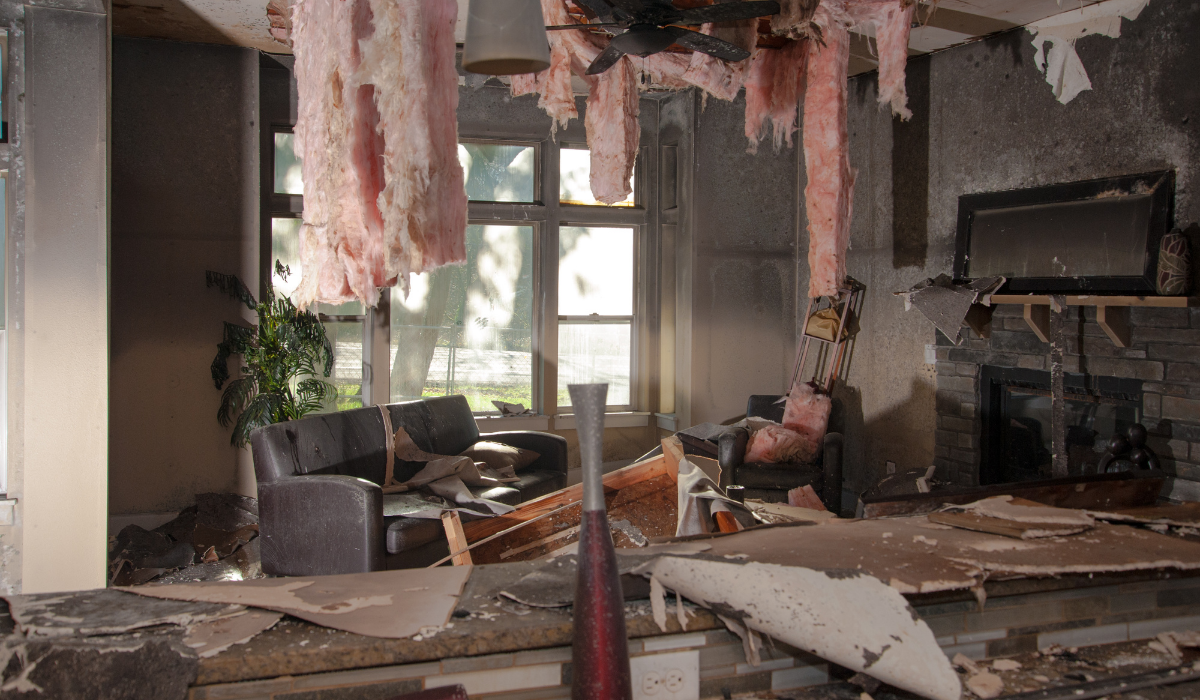
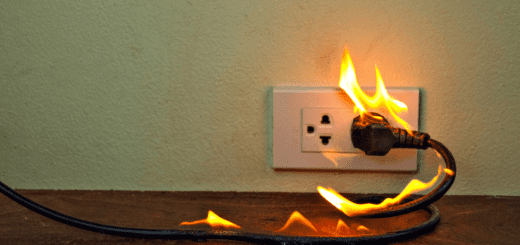
Kitchen Fire
There are different types of damage left after a fire. As a homeowner, it is important for you to understand the types of damage that fire and smoke cause and what material possessions can be saved after a fire.
1. Fire Damage:
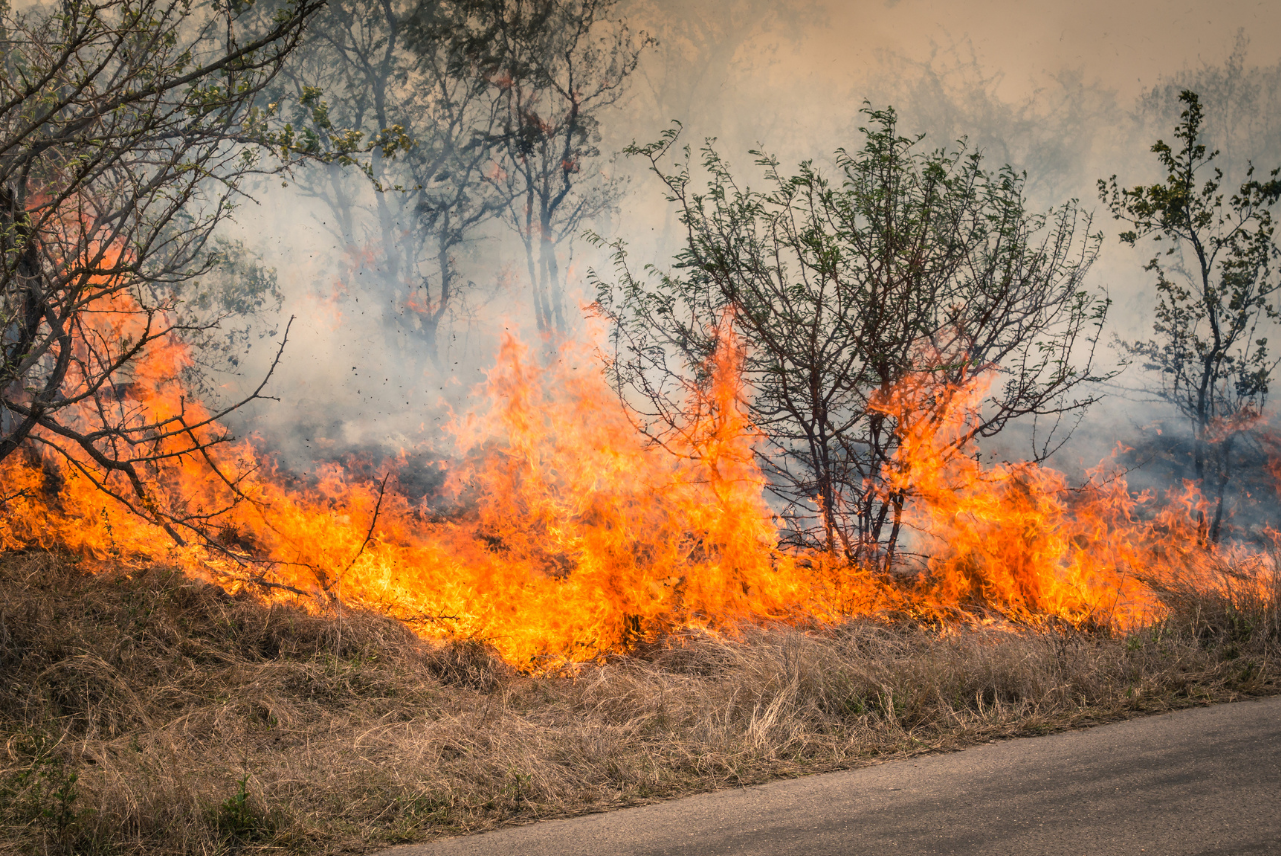
A fire in your home will always create damage. However, there are two ways that fire can damage in your home:
o Flame damage- Any items that are flammable can be damaged, this is especially true for wood and cloth. For example, furniture is highly flammable and burns easily.
o Heat damage- Due to the heat from the fire, many materials that contain plastic can be heavily damaged. This includes appliances and other materials that have plastic that are susceptible to melting.
Fire causes damage very quickly as it spreads, depending on the materials that catch on fire. Once the fire goes out, there is no more fire damage that impacts your items. The results of the damage are immediate.
2. Smoke Damage:
After a fire, smoke can greatly damage your home. This is due to small sootSoot is fine black particles composed of carbon and other ma... More particles that float around in the air and cause further damage. These chemicals are extremely dangerous for your health. Some of the chemicals that may be in your home after a fire include carbon monoxide, ammonia, sulfur dioxide etc. You should always contact a professional restorationRestoration is the process of returning a property to its pr... More company to handle any smoke damage in your home so that you can protect yourself and your family from smoke damage. You want to avoid trying to clean up smoke damage yourself as you are putting yourself in direct danger and improper cleaning methods make it worse.
3. Damage from Water:
Fire can cause a lot of damage, but one type of damage you may not think about after a fire is water damage. This type of damage is caused by the water used to extinguish the fire. The excess water will get absorbed by porousPorous describes a material that contains small openings or ... More materials in your home including furnishings, flooring, and even structural elements. Too much water absorptionAbsorption is the process by which a material takes in or so... More can even threaten the structural integrity of your home.
The size of a fire in your home will determine how much water damage to expect. Usually, for large fires, the firefighters must use a lot of water to put out the fire. However, if you had a small fire at your home, they may not use as much water to put it out. It is crucial to have the professionals clean-up all the water damage left after a fire to prevent further damage from the water and moldMold is a type of fungus that grows in damp or humid conditi... More growth.
4. MoldMold is a type of fungus that grows in damp or humid conditi... More Damage:
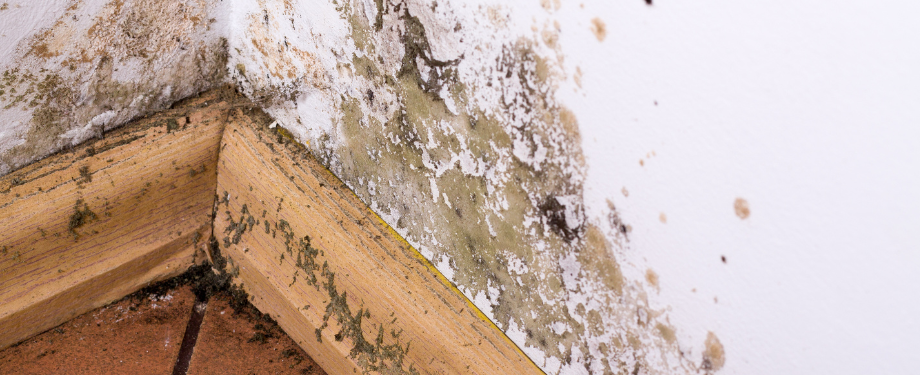
MoldMold is a type of fungus that grows in damp or humid conditi... More can be caused by leftover water that was not properly cleaned up after a fire. MoldMold is a type of fungus that grows in damp or humid conditi... More sporesSpores are microscopic reproductive units of fungi or mold t... More travel through the air and land on items, spreading quickly to any porousPorous describes a material that contains small openings or ... More surface and causing further damage. MoldMold is a type of fungus that grows in damp or humid conditi... More can also cause various health issues from light symptoms such as coughing and sneezing to allergies and memory loss and more serious conditions with prolonged exposure. You should not try to clean-up moldMold is a type of fungus that grows in damp or humid conditi... More yourself but instead contact professionals to do so. This will help ensure all the moldMold is a type of fungus that grows in damp or humid conditi... More is removed and that it does not come back. Reacting to any moldMold is a type of fungus that grows in damp or humid conditi... More damage right away will help prevent further damage to your belonging. Make sure to contact the professionals right away for moldMold is a type of fungus that grows in damp or humid conditi... More removal if you notice it.
Which items can be saved after a fire?
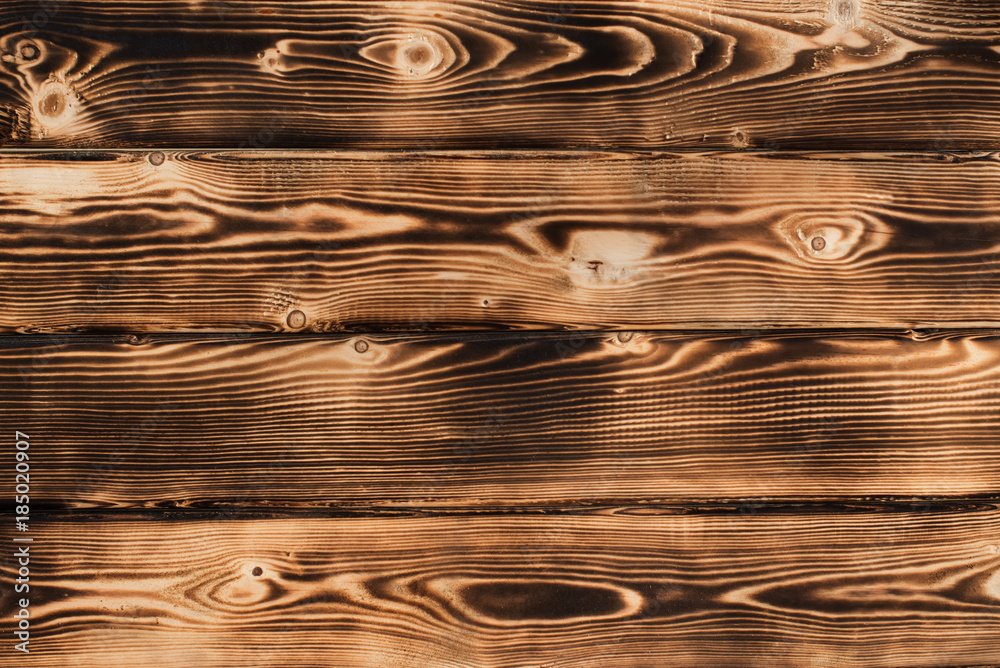
Burnt Hardwood
Fires cause a lot of damage to homes that can be very costly. This means that homeowners would like to salvage as much as possible after a fire. Here are a few things that can almost always be saved:
-
Glass:
Usually, glass does not get damaged in a fire. If it does get stained, it can be cleaned and salvaged.
-
Metal:
Metal is resilient in fires. You can use vinegar and dish soap to clean and sand metal surfaces and repaint them.
-
Hardwood floors:
Hardwood floors can almost always be salvaged after a fire. Make sure to clean them with oil soap and sand and refinish as needed.
Items that Cannot be Saved After a Fire
Fires can cause devastating loses for a homeowner, so saving items is always important. However, it is important to know which items cannot be saved to ensure the health and safety of your family. Here are some examples:
-
Non-perishable food:
It is important to throw away any opened containers of food, and food that was stored in cardboard, cloth, or thin plastic bags. When it comes to sealed food such as cans or jars, you want to be careful and keep in mind that if it was close to the heat of the fire, it may not be ok for eating. The best thing to do as a precaution is to get rid of any food that was exposed to heat, smoke, or water as it may be dangerous for consumption.
-
Perishable food left at room temperature:
If you have a well-sealed fridge and freezer and your power went out, you may be able to salvage some of the food. However, if the food was at room temperature for over four hours, you will need to throw it away. Other things to look out for when checking if food is good for eating:
o Food smelling of smoke
o SootSoot is fine black particles composed of carbon and other ma... More in the fridge
o The refrigerator didn’t have power during the fire, and it was above 40 degrees in the home
o Off-smell of the food
-
Medicines and cosmetics:
You will need to inspect all the items in your medicine cabinet to determine whether it can be used. If anything looks warped or charred, it should be thrown out.
-
Burned clothing:
If you come across burnt clothing you will need to throw it out, especially when it comes to baby clothing.
Fires can cause devastating damage for homeowners. It is difficult to experience damage to your personal items, especially items that cannot be saved after a fire. There is also a lot of uncertainty and questions you may have after a fire. You may be worried about smoke and sootSoot is fine black particles composed of carbon and other ma... More damage to your home and how it can negatively affect you and your family. Also, you may be unsure which items can be saved and which items need to be thrown out.
This is where fire damage restorationFire damage restoration is the process of repairing and rest... More professionals can help. They can remove smoke and sootSoot is fine black particles composed of carbon and other ma... More damage, and clean, disinfect, stabilize, and restore your home after a fire. These professionals can also help you determine what can be salvaged and restore these items and materials.

About Vince Sandri
Vince Sandri is a content writer and blogger with more than 12 years of experience. His expertise is in creating content related to disaster restorationRestoration is the process of returning a property to its pr... More, including information about preventing and reacting to natural disasters like floodingFlooding is the overflow or accumulation of water in areas t... More, water damage, fire and smoke damage, moldMold is a type of fungus that grows in damp or humid conditi... More growth, storm damage and more.
Vince has been the main contributor to RestorationMasterFinder.com since 2014. Over that time, he has written numerous service pages and blogs for disaster restorationRestoration is the process of returning a property to its pr... More providers featured on RestorationMasterFinder.com. Vince has done extensive research and covered a wide range of topics relating to disaster restorationRestoration is the process of returning a property to its pr... More to help homeowners, business owners, and property managers better protect their property. He understands the problems that disasters like floodingFlooding is the overflow or accumulation of water in areas t... More, fire, smoke, and moldMold is a type of fungus that grows in damp or humid conditi... More can cause as well as the best ways to respond to these issues to limit the damage.
Vince completed his Bachelor of Arts degree at Aurora University and his master’s degree at DePaul University. He has been writing SEO website pages, blogs, and press releases since 2012. Vince is also a musician and can be seen playing in the Chicago, IL area.