






How to Remove Mold from Your Dishwasher: Expert Cleaning Guide

A moldy dishwasher isn’t just unpleasant; it can be a serious health concern. Dishwashers provide an ideal environment for moldMold is a type of fungus that grows in damp or humid conditi... More growth, with heat, moisture, and leftover food particles creating a breeding ground for bacteria and fungiFungi are a group of organisms, including mold, mildew, and ... More. Fortunately, with the right approach, you can safely remove moldMold is a type of fungus that grows in damp or humid conditi... More and maintain a hygienic dishwasher.
This guide provides practical tips, step-by-step cleaning instructions, and professional advice to help you tackle moldMold is a type of fungus that grows in damp or humid conditi... More effectively.
How to Identify Mold in Your Dishwasher
Before attempting to remove moldMold is a type of fungus that grows in damp or humid conditi... More, it’s important to determine whether your dishwasher has moldMold is a type of fungus that grows in damp or humid conditi... More. MoldMold is a type of fungus that grows in damp or humid conditi... More often develops from moisture, leftover food, and detergent buildup.
Signs of MoldMold is a type of fungus that grows in damp or humid conditi... More Growth Include:
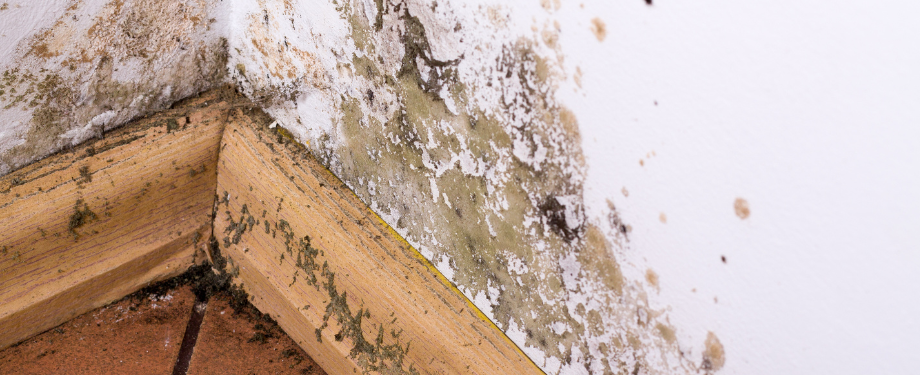
- Discoloration or black spots on rubber gaskets, seals, or the interior surfaces
- Slimy residueResidue is any leftover material, such as soot, dust, or che... More or film inside the dishwasher
- Musty or unusual odors when the dishwasher is opened
Pro Tip: Detachable parts like racks, utensil holders, and spray arms often harbor hidden moldMold is a type of fungus that grows in damp or humid conditi... More. Inspect them carefully. While dirt buildup alone doesn’t always indicate moldMold is a type of fungus that grows in damp or humid conditi... More, black or musty areas around the filter or drain are strong indicators.
Health Note: Exposure to moldMold is a type of fungus that grows in damp or humid conditi... More can trigger allergic reactions or respiratory issues, so always wear protective gloves, goggles, and a mask when inspecting or cleaning.
How to Remove Mold from the Dishwasher
Fortunately, with the right approach, you can safely remove mold and restore your dishwasher to a hygienic condition. This process involves careful inspectionInspection is the careful examination and assessment of a pr... More, proper cleaning techniques, and the use of protective gear to minimize exposure to moldMold is a type of fungus that grows in damp or humid conditi... More sporesSpores are microscopic reproductive units of fungi or mold t... More. In the following steps, we’ll guide you through how to identify, clean, and disinfect your dishwasher so it remains fresh, safe, and mold-free.
The following is a step-by-step process to remove moldMold is a type of fungus that grows in damp or humid conditi... More from your dishwasher:
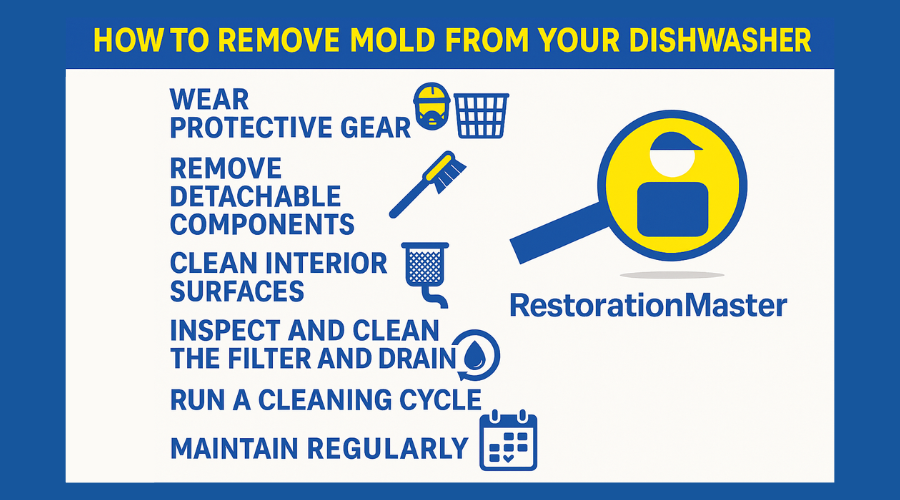
- Wear Protective Gear: Before you start, put on gloves, goggles, and a mask (preferably an N95 respirator) to protect yourself from moldMold is a type of fungus that grows in damp or humid conditi... More sporesSpores are microscopic reproductive units of fungi or mold t... More.
- Remove Detachable Components: Take out the racks, utensil holders, and any other removable components. Inspect them for moldMold is a type of fungus that grows in damp or humid conditi... More and soak them in hot, soapy water. You can also use a mixture of water and white vinegar to help kill moldMold is a type of fungus that grows in damp or humid conditi... More sporesSpores are microscopic reproductive units of fungi or mold t... More.
- Clean the Interior Surfaces: Wipe down the interior surfaces of your dishwasher, paying special attention to corners, rubber gaskets, and the door seals where moldMold is a type of fungus that grows in damp or humid conditi... More often accumulates. Use a soft brush or spongeA sponge is a porous material used to absorb liquids or clea... More with a vinegar solutionA solution is a homogeneous mixture of two or more substance... More or a commercial dishwasher-safe moldMold is a type of fungus that grows in damp or humid conditi... More cleaner.
- Inspect and Clean the Filter and Drain: MoldMold is a type of fungus that grows in damp or humid conditi... More can hide around the filter and drain. Remove the filter and clean it thoroughly with hot water and dish soap. Make sure the drain is free of debris that could contribute to moldMold is a type of fungus that grows in damp or humid conditi... More growth.
- Run a Cleaning Cycle: Once you’ve cleaned all surfaces and parts, run an empty dishwasher cycle using either white vinegar or a dishwasher cleaner designed to remove moldMold is a type of fungus that grows in damp or humid conditi... More and buildup. This helps disinfect and remove any lingering sporesSpores are microscopic reproductive units of fungi or mold t... More.
- Dry Thoroughly: After cleaning, leave the dishwasher door open to allow it to dry completely. Moisture is what encourages moldMold is a type of fungus that grows in damp or humid conditi... More growth, so keeping your dishwasher dry when not in use is key to preventing future problems.
- Maintain Regularly: To prevent moldMold is a type of fungus that grows in damp or humid conditi... More from returning, clean your dishwasher regularly, remove food debris, and occasionally run a hot-water cycle with vinegar or a dishwasher cleaner.
How to Disinfect Your Dishwasher
Once your dishwasher has been thoroughly cleaned, it’s crucial to sanitize and disinfect it to prevent moldMold is a type of fungus that grows in damp or humid conditi... More from returning. You can achieve this using common household products, but always wear proper protective gear, such as gloves and goggles, to keep yourself safe during the process.
Here are some effective ways to disinfect your dishwasher:
- White Vinegar: White vinegar is a natural and effective way to eliminate moldMold is a type of fungus that grows in damp or humid conditi... More and odors. Place a dishwasher-safe container filled with one cup of vinegar on the top rack of your empty dishwasher. Close the door and run a normal wash cycle using the highest heat setting.
- Baking Soda: Baking soda helps deodorize and remove any lingering residueResidue is any leftover material, such as soot, dust, or che... More. Simply sprinkle one cup of baking soda across the bottom of the empty dishwasher, then close the door and run a short, hot cycle.
- Lemon Juice: Lemon juice provides natural disinfecting properties while leaving a fresh scent. Pour lemon juice into a small dishwasher-safe container and place it at the bottom of the dishwasher. Run a regular wash cycle to help sanitize and refresh the appliance.
- Bleach: Bleach is a strong disinfectantA disinfectant is a chemical substance used to kill or inact... More, but it must be used with caution. Never mix bleach with other cleaning chemicals, as this can produce dangerous fumes. Avoid using bleach on stainless steel interiors, as it may discolor or damage the surface. To use, pour one cup of bleach into a dishwasher-safe container, place it in an empty dishwasher, and run a full cycle.
By regularly disinfecting your dishwasher using these methods, you can keep it clean, mold-free, and safe for everyday use.
Preventing Mold in Your Dishwasher
Preventing moldMold is a type of fungus that grows in damp or humid conditi... More is always easier than removing it. Dishwashers create a warm, moist environment that moldMold is a type of fungus that grows in damp or humid conditi... More thrives in, so regular maintenanceMaintenance is the routine care, inspection, and repair of a... More is key to keeping your appliance clean, safe, and odor-free. By adopting a few simple habits, you can significantly reduce the risk of moldMold is a type of fungus that grows in damp or humid conditi... More growth and extend the life of your dishwasher.
Effective moldMold is a type of fungus that grows in damp or humid conditi... More preventionPrevention refers to actions taken to reduce the likelihood ... More tips:
- Remove Food Debris After Each Load: Scrape plates and rinse off large food particles before loading. Wipe out the bottom of the dishwasher and the racks regularly to prevent residueResidue is any leftover material, such as soot, dust, or che... More buildup.
- Run Monthly Cleaning Cycles: Once a month, run an empty hot-water cycle using white vinegar or a dishwasher-safe cleaner. This helps disinfect the interior, dissolve soap scum, and prevent moldMold is a type of fungus that grows in damp or humid conditi... More sporesSpores are microscopic reproductive units of fungi or mold t... More from establishing.
- Allow Airflow Between Uses: Keep the dishwasher door slightly open after each cycle. Proper airflow helps moisture evaporate, reducing the damp environment that moldMold is a type of fungus that grows in damp or humid conditi... More needs to grow.
- Inspect and Maintain Seals and Filters: Check rubber gaskets, door seals, and filters frequently. Wipe down any moisture or residueResidue is any leftover material, such as soot, dust, or che... More and remove trapped food particles to prevent moldMold is a type of fungus that grows in damp or humid conditi... More from taking hold.
- Use the Right Detergent and Avoid Overloading: Excess detergent can leave a residueResidue is any leftover material, such as soot, dust, or che... More that encourages moldMold is a type of fungus that grows in damp or humid conditi... More, while overcrowding reduces water circulation and proper dryingDrying is the process of removing moisture from materials, s... More.
By combining these preventive measures with regular cleaning and occasional disinfecting, you can keep your dishwasher hygienic, fresh-smelling, and free of moldMold is a type of fungus that grows in damp or humid conditi... More, ensuring safe and healthy dishwashing every time.
When to Call Mold Remediation Professionals
While many small moldMold is a type of fungus that grows in damp or humid conditi... More issues in dishwashers can be handled at home, it’s important to recognize your limits. If moldMold is a type of fungus that grows in damp or humid conditi... More covers a large area, persists despite repeated cleaning, or keeps returning, it may indicate a deeper problem that requires professional attention. MoldMold is a type of fungus that grows in damp or humid conditi... More can pose serious health risks, and improper cleaning methods may inadvertently spread sporesSpores are microscopic reproductive units of fungi or mold t... More throughout your home.
Professional mold remediation specialists have the training, equipment, and expertise to safely identify and remove moldMold is a type of fungus that grows in damp or humid conditi... More from appliances and surrounding areas. They can ensure that moldMold is a type of fungus that grows in damp or humid conditi... More is fully addressed and help prevent future growth, giving you peace of mind and a healthier home environment.
If you’re dealing with persistent or extensive moldMold is a type of fungus that grows in damp or humid conditi... More in your dishwasher or want to make sure your appliance is thoroughly safe, don’t take chances. Contact a trusted professional mold remediation service to inspect, clean, and disinfect your dishwasher properly. Acting quickly can protect your health and keep your kitchen safe, clean, and mold-free.
Frequently Asked Questions (FAQs)
How often should I clean my dishwasher to prevent moldMold is a type of fungus that grows in damp or humid conditi... More?
To prevent moldMold is a type of fungus that grows in damp or humid conditi... More, clean and inspect your dishwasher at least once a month. Wipe down seals, remove food debris, and run an empty hot-water cycle with vinegar or a dishwasher cleaner.
Can moldMold is a type of fungus that grows in damp or humid conditi... More in dishwashers cause health problems?
Yes. Exposure to moldMold is a type of fungus that grows in damp or humid conditi... More sporesSpores are microscopic reproductive units of fungi or mold t... More can trigger allergic reactions, respiratory issues, or asthma attacks. Proper cleaning and disinfecting are important for household health.
Does leaving the dishwasher door open help prevent moldMold is a type of fungus that grows in damp or humid conditi... More?
Yes. Leaving the door slightly open after each cycle allows airflow, helping the interior dry and reducing the warm, damp conditions that encourage moldMold is a type of fungus that grows in damp or humid conditi... More growth.
What household products are effective at preventing moldMold is a type of fungus that grows in damp or humid conditi... More in dishwashers?
White vinegar, baking soda, lemon juice, and commercial dishwasher cleaners help prevent moldMold is a type of fungus that grows in damp or humid conditi... More buildup by cleaning, deodorizing, and disinfecting the appliance.

About Vince Sandri
Vince Sandri is a content writer and blogger with more than 12 years of experience. His expertise is in creating content related to disaster restorationRestoration is the process of returning a property to its pr... More, including information about preventing and reacting to natural disasters like floodingFlooding is the overflow or accumulation of water in areas t... More, water damage, fire and smoke damage, moldMold is a type of fungus that grows in damp or humid conditi... More growth, storm damage and more.
Vince has been the main contributor to RestorationMasterFinder.com since 2014. Over that time, he has written numerous service pages and blogs for disaster restorationRestoration is the process of returning a property to its pr... More providers featured on RestorationMasterFinder.com. Vince has done extensive research and covered a wide range of topics relating to disaster restorationRestoration is the process of returning a property to its pr... More to help homeowners, business owners, and property managers better protect their property. He understands the problems that disasters like floodingFlooding is the overflow or accumulation of water in areas t... More, fire, smoke, and moldMold is a type of fungus that grows in damp or humid conditi... More can cause as well as the best ways to respond to these issues to limit the damage.
Vince completed his Bachelor of Arts degree at Aurora University and his master’s degree at DePaul University. He has been writing SEO website pages, blogs, and press releases since 2012. Vince is also a musician and can be seen playing in the Chicago, IL area.