




How Insurance Covers Biohazard Cleaning: What You Need to Know | Video
Experiencing a biohazard event at your home or business can be extremely stressful. Whether caused by a crime, moldMold is a type of fungus that grows in damp or humid conditi... More growth, sewageSewage is wastewater containing biological and chemical cont... More backup, or a hazardous chemical spill, these situations pose serious health risks and require specialized cleanup. Knowing how to respond properly and understand your insurance coverage is essential to protect both your health and property.
In this article, we’ll cover key considerations, including insurance coverage, cleanup costs, filing claims, and working safely with professional biohazard cleanup services.
Does Insurance Cover Biohazard Cleaning?
Whether biohazard cleanup is covered by insurance depends on several factors, including the type of policy, the cause of the biohazard, and the specific terms of coverage. Homeowners insurance typically covers damage resulting from sudden events such as fire, storm, vandalism, or other covered perils. If the biohazard is a direct result of one of these incidents, cleanup may be included.
However, standard homeowners policies often exclude coverage for biohazard cleanup caused by neglect, gradual damage, or events not listed in the policy, such as moldMold is a type of fungus that grows in damp or humid conditi... More, sewageSewage is wastewater containing biological and chemical cont... More backups, or issues stemming from a lack of maintenanceMaintenance is the routine care, inspection, and repair of a... More. Understanding your policy’s limitations is key to knowing when insurance can help cover biohazard remediation costs. You can read more about common homeowners insurance coverage exclusions here.
Typical scenarios where insurance may cover biohazard cleaning:
| Biohazard Type | Possible Coverage | Notes |
|---|---|---|
| Crime Scene Cleanup | Sometimes covered under homeowners or commercial property policies if linked to vandalism or property damage | Check if your policy includes “vandalism” or “sudden property damage.” |
| Mold RemediationMold remediation is the process of identifying, removing, an... More | Often excluded unless caused by a covered peril like a burst pipe or storm | Policies usually exclude moldMold is a type of fungus that grows in damp or humid conditi... More from neglect or long-term moisture. |
| SewageSewage is wastewater containing biological and chemical cont... More Backup | May be covered with a “sewer and drain backup” rider or endorsement | Standard policies often require this add-on. |
| Chemical Spill | Commercial insurance may cover spills from sudden accidents | Coverage depends on the type of chemical and cause of spill. |
| Hoarding Cleanup | Rarely covered; may be partially covered if damage results from a covered event | Documentation is essential for claims. |
Example of coverage clauses:
- Homeowners insurance may include: “We cover sudden and accidental discharge of water or overflow from plumbing systems.”
- Some commercial policies may state: “We cover cleanup costs associated with property damage caused by covered perils, including accidental chemical spills.”
What Does Biohazard Cleanup Entail?
Biohazard cleanup involves the safe removal and disposal of hazardous materials that can pose serious health risks. Whether dealing with bloodborne pathogensPathogens are microorganisms such as bacteria, viruses, or f... More, bodily fluids, or other toxic substancesToxic substances are chemicals or materials that can cause h... More, these materials must be handled by trained professionals.
This type of cleanup is complex and requires specialized equipment, extensive training, and strict adherence to safety and environmental regulations. It is far more than standard cleaning, it demands expertise to ensure the area is properly decontaminated and safe for use.
The nature of the biohazard event often determines whether your insurance will cover cleanup. Some common biohazard situations that require professional intervention include:
- Crime Scene Cleanup: This type of cleanup often involves the removal of blood, bodily fluids, or other hazardous materials left behind after a crime or accident. Expertise is essential, as exposure to bloodborne pathogensPathogens are microorganisms such as bacteria, viruses, or f... More and infectious diseases is a serious risk.
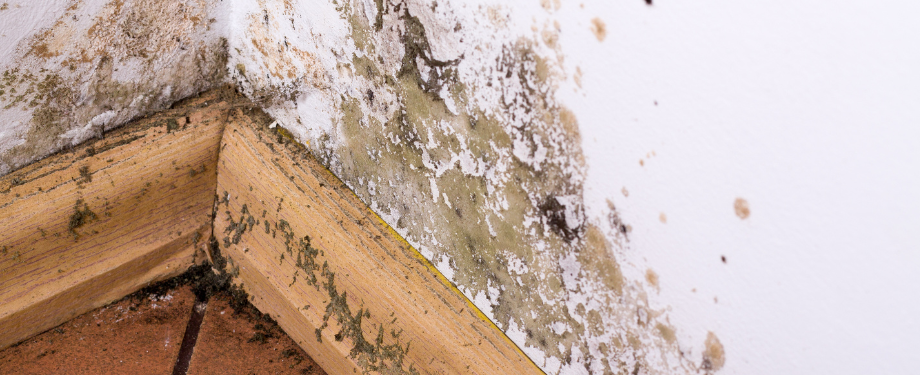
- Mold RemediationMold remediation is the process of identifying, removing, an... More: MoldMold is a type of fungus that grows in damp or humid conditi... More typically develops as a result of water damage from floods, burst pipes, or poor maintenanceMaintenance is the routine care, inspection, and repair of a... More. MoldMold is a type of fungus that grows in damp or humid conditi... More exposure can negatively affect health, making professional remediation critical to restore a safe living environment.
- SewageSewage is wastewater containing biological and chemical cont... More Backup Cleanup: SewageSewage is wastewater containing biological and chemical cont... More backups are considered biohazardous because wastewaterWastewater is used water that contains contaminants, chemica... More contains harmful bacteria and virusesViruses are microscopic infectious agents that can only repr... More. Homeowners insurance may cover cleanup if the backup is caused by a burst pipe or heavy rain, but coverage may be denied if neglect contributed to the problem.
- Hoarding Cleanup: Hazardous materials, including moldMold is a type of fungus that grows in damp or humid conditi... More, trash, and biological waste, can accumulate in hoarded spaces, creating serious health risks. Cleanup restores the property to a safe, livable condition. Insurance coverage for hoarding situations is often limited and depends on the cause of the accumulation.
- Chemical Spill Cleanup: Toxic chemicals or industrial waste require immediate remediation due to the risks they pose. In some cases, commercial property insurance may cover cleanup costs, though coverage depends on the specifics of the policy and whether the spill is linked to a covered event.
Why You Should Not Attempt DIY Cleanup
If your insurance policy does not cover trauma or biohazard cleanup, it’s important not to attempt cleaning the site yourself, even if you think it will save money. Doing so can expose you to serious risks, including:
- Health Risks: Blood and bodily fluids may carry pathogensPathogens are microorganisms such as bacteria, viruses, or f... More such as HIV, Hepatitis B, or MRSA, which can cause serious illness.
- Incomplete Cleanup: Without the proper tools and specialized equipment, biohazard materialsBiohazard materials are substances that pose a risk to human... More may not be fully removed, leaving dangerous contaminants behind.
- Legal Liability: Failing to hire trained professionals with the proper certifications and equipment could result in liability if someone becomes sick after entering the property.
Professional cleanup ensures both safety and compliance with health regulations, minimizing risk to you and others.
Estimated Costs of Biohazard Cleanup
The cost of professional biohazard remediation varies depending on severity, size, and type of hazard:
- Crime scene cleanup: $1,000–$5,000 per incidentAn incident is an event or occurrence that causes damage, di... More
- Mold remediationMold remediation is the process of identifying, removing, an... More: $500–$6,000 (depending on affected area)
- SewageSewage is wastewater containing biological and chemical cont... More backup cleanup: $1,000–$3,000
- Chemical spills: $1,500–$10,000 (depending on chemicals and contaminationContamination is the presence of harmful or unwanted substan... More level)
- Hoarding cleanup: $2,000–$10,000+
Insurance may cover some or all of these costs if the event qualifies under your policy. Always document damage with photos and receipts to support your claim.
Watch Video to Understand the Costs of Biohazard Cleaning
Step-by-Step Guide to Filing a Biohazard Insurance Claim
A biohazard event in your home or business can turn your world upside down. Whether it is a crime scene, moldMold is a type of fungus that grows in damp or humid conditi... More outbreak, sewageSewage is wastewater containing biological and chemical cont... More backup, or chemical spill, the situation can feel overwhelming. Alongside the immediate concerns of safety and cleanup, navigating an insurance claim can add another layer of stress. Approaching the process step by step can help you feel grounded and ensure your claim is handled properly.
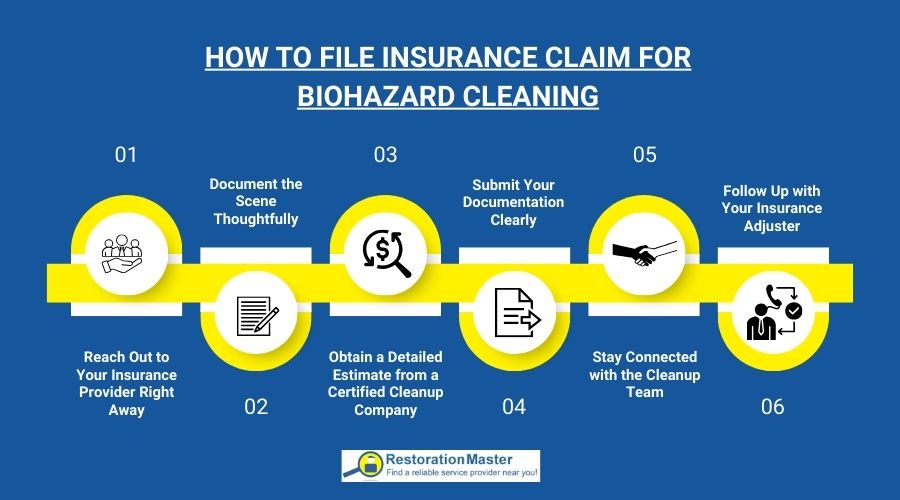
1. Reach Out to Your Insurance Provider Right Away
As soon as the incidentAn incident is an event or occurrence that causes damage, di... More happens, contact your insurance company. Prompt communication is important, as many policies require notification within a certain period. Speak clearly and honestly about what occurred, when it happened, and any steps you have taken to prevent further damage. This first conversation lays the foundation for a smooth claim and helps avoid unnecessary delays.
2. Document the Scene Thoughtfully
Before any cleanup begins, take careful photos and videos of the affected area. Capture the full scope of the damage, any hazardous materials, and items that may have been affected. Even small details, such as a water stain near moldMold is a type of fungus that grows in damp or humid conditi... More or a minor blood mark, can be significant when filing a claim. Thoughtful documentation strengthens your case and ensures nothing is overlooked.
3. Obtain a Detailed Estimate from a Certified Cleanup Company
Call a professional biohazard cleanup service and request a thorough estimate. The estimate should include labor, equipment, specialized materials, and disposal costs. A professional estimate not only helps you understand the potential financial impact, but also demonstrates to your insurer that you are handling the situation responsibly and according to proper standards.
4. Submit Your Documentation Clearly
Once you have gathered your photos, videos, estimates, and any relevant reports, submit them to your insurance company. Organize everything clearly and logically so that the insurer can review it easily. The more complete and orderly your submission, the smoother the process is likely to be.
5. Stay Connected with the Cleanup Team
Even after filing your claim, keep in close contact with the cleanup professionals. Make sure they follow all health and safety regulations and adhere to certified procedures. This ensures the space is thoroughly remediated, protects everyone’s health, and meets insurance requirements. Working with trained professionals provides peace of mind and certainty that the job is done correctly.
6. Follow Up with Your Insurance Adjuster
After submitting your claim, maintain regular communication with your insurance adjuster. Confirm that all documentation has been received and ask if anything else is needed. Stay patient but proactive. Once your claim is approved, review the coverage carefully to understand what expenses are reimbursed and what you may need to pay yourself.
Local and Regional Considerations
Insurance coverage for biohazard cleanup is not always the same everywhere. It can differ depending on your state, your policy, and the specific risks in your area.
Some states require homeowners to add specific coverage, such as sewer or drain backup protection, while others leave it optional. In regions that are prone to floodingFlooding is the overflow or accumulation of water in areas t... More, storms, or industrial accidents, insurers may include stricter exclusions or special requirements.
For commercial properties, local regulations from agencies like OSHA or the EPA can influence both the cleanup process and what insurance will cover. Following these rules is not just a legal requirement—it also ensures a safe and thorough cleanup.
Because coverage can vary so widely, it is essential to review your policy carefully and speak with your insurance agent. They can explain what is included, what requires an add-on, and how your coverage applies specifically to your location and situation.
Professional Biohazard Cleaning
Experiencing a biohazard event at your home or business can be overwhelming, but taking the right steps is crucial to protect your health, safety, and property. From crime scenes and moldMold is a type of fungus that grows in damp or humid conditi... More infestations to sewageSewage is wastewater containing biological and chemical cont... More backups and chemical spills, these situations require specialized knowledge, equipment, and training to ensure complete and safe cleanup. Attempting to handle biohazard remediation on your own can pose serious health risks, leave contaminants behind, and even create legal liability.
By hiring a professional biohazard cleanup company, you ensure hospital-grade sanitation, certified procedures, and compassionate care tailored to your unique situation. Professionals can also assist with insurance claims and provide flexible solutions when coverage is limited. Don’t take unnecessary risks, contact a certified biohazard cleanup service today to restore your property safely and efficiently while protecting everyone’s well-being.
Frequently Asked Questions
Does insurance cover temporary housing if my home is unlivable after a biohazard event?
In most homeowners policies, yes. This is often called loss of use coverage. If your home cannot be occupied during cleanup, your insurer may pay for hotel stays, short-term rentals, and some daily living expenses until the property is safe again.
Will my insurance premiums increase if I file a claim for biohazard cleanup?
That depends. A single claim may not always trigger higher rates, but insurers often review your overall history. If you have multiple claims within a short time, or if the payout is large, your premiums are more likely to rise.
Are personal belongings ruined by biohazards included in coverage?
Sometimes. Furniture, clothing, or electronics damaged during a covered event may be reimbursed. But if the items are considered unsafe to restore or were already in poor condition, your insurer may limit or deny coverage.
What can I do if my insurance claim for biohazard cleanup is denied?
You have options. Ask for a written explanation of the denial, gather additional documentation, and resubmit your claim. If you believe the denial is unfair, you may consult a public adjuster or attorney to challenge the decision.
Does renters insurance ever cover biohazard cleanup?
Renters insurance does not usually pay for cleanup of the building itself—that is the landlord’s responsibility. But it may cover your personal belongings if they are damaged by a covered event, as well as relocation costs if your rental unit becomes uninhabitable.
How long does it take for insurance to process a biohazard claim?
Most insurers aim to resolve claims within 30 to 60 days. However, complex cases such as crime scenes or large-scale contaminationContamination is the presence of harmful or unwanted substan... More may take longer, especially if the insurer requires multiple inspections or expert evaluations.
Will my insurance premiums increase if I file a claim for biohazard cleanup?
That depends. A single claim may not always trigger higher rates, but insurers often review your overall history. If you have multiple claims within a short time, or if the payout is large, your premiums are more likely to rise.
Are personal belongings ruined by biohazards included in coverage?
Sometimes. Furniture, clothing, or electronics damaged during a covered event may be reimbursed. But if the items are considered unsafe to restore or were already in poor condition, your insurer may limit or deny coverage.
What can I do if my insurance claim for biohazard cleanup is denied?
You have options. Ask for a written explanation of the denial, gather additional documentation, and resubmit your claim. If you believe the denial is unfair, you may consult a public adjuster or attorney to challenge the decision.
Does renters insurance ever cover biohazard cleanup?
Renters insurance does not usually pay for cleanup of the building itself—that is the landlord’s responsibility. But it may cover your personal belongings if they are damaged by a covered event, as well as relocation costs if your rental unit becomes uninhabitable.
How long does it take for insurance to process a biohazard claim?
Most insurers aim to resolve claims within 30 to 60 days. However, complex cases such as crime scenes or large-scale contaminationContamination is the presence of harmful or unwanted substan... More may take longer, especially if the insurer requires multiple inspections or expert evaluations.

About Vince Sandri
Vince Sandri is a content writer and blogger with more than 12 years of experience. His expertise is in creating content related to disaster restorationRestoration is the process of returning a property to its pr... More, including information about preventing and reacting to natural disasters like floodingFlooding is the overflow or accumulation of water in areas t... More, water damage, fire and smoke damage, moldMold is a type of fungus that grows in damp or humid conditi... More growth, storm damage and more.
Vince has been the main contributor to RestorationMasterFinder.com since 2014. Over that time, he has written numerous service pages and blogs for disaster restorationRestoration is the process of returning a property to its pr... More providers featured on RestorationMasterFinder.com. Vince has done extensive research and covered a wide range of topics relating to disaster restorationRestoration is the process of returning a property to its pr... More to help homeowners, business owners, and property managers better protect their property. He understands the problems that disasters like floodingFlooding is the overflow or accumulation of water in areas t... More, fire, smoke, and moldMold is a type of fungus that grows in damp or humid conditi... More can cause as well as the best ways to respond to these issues to limit the damage.
Vince completed his Bachelor of Arts degree at Aurora University and his master’s degree at DePaul University. He has been writing SEO website pages, blogs, and press releases since 2012. Vince is also a musician and can be seen playing in the Chicago, IL area.