



Your Expert Guide To Water Damage Restoration
Water damage impacts both residential and commercial properties, posing risks to buildings and belongings. According to insurance industry data, 14,000 instances of water damage emergencies occur each day in residential homes and commercial businesses. Understanding its causes, the types of damage it can cause, and the steps involved in restorationRestoration is the process of returning a property to its pr... More is important for effective management. Here’s a detailed guide to help you navigate the challenges of water damage restorationWater damage restoration is the professional process of clea... More with the right approach.
What is Water Damage?
Water damage refers to the destruction caused to property and belongings by water intrusion. This can result from various sources, including natural disasters like floods, burst pipes, leaking roofs, or plumbing issues. These events can leadLead is a heavy metal that can be toxic to humans, especiall... More to serious damage to walls, electrical systems, furniture, flooring, and personal belongings.
How Does Water Enter a Property?
Water can enter a property through various ways:
- Natural Disasters: Floods, storms, hurricanes, and heavy rainfall can leadLead is a heavy metal that can be toxic to humans, especiall... More to water entering homes through windows, doors, and cracks.
- Internal Issues: Burst pipes are a common internal cause, where sudden pressure or corrosion leads to pipes cracking and leaking water into walls, ceilings, or floors. Leaky roofs, especially during periods of heavy rain or snowmelt, can allow water to seep into attic spaces or down through ceilings. Malfunctioning appliances like washing machines, dishwashers, or water heaters can also leak water, damaging nearby surfaces and spreading to other areas if not promptly addressed.
- Drainage Problems: Clogged or improperly maintained gutters and downspouts can leadLead is a heavy metal that can be toxic to humans, especiall... More to water overflowing and pooling around the foundation, increasing the risk of basement flooding or seepageSeepage is the slow movement of water or other fluids throug... More into crawl spaces.
- Condensation: High humidityHumidity is the amount of moisture or water vapor present in... More levels indoors can result in condensation forming on windows, walls, or ceilings, potentially leading to water damage over time if ventilationVentilation is the process of exchanging or circulating air ... More or insulationInsulation is a material used in buildings to reduce the tra... More is inadequate.
- Landscaping Issues: When landscapes are poorly graded or drainage is insufficient around a property, water can flow towards the foundation, increasing the risk of water entering basements or lower levels of the building.
What are the Categories of Water Damage?
Certain classifications of water damage are more dangerous than others and require professional water damage restorationWater damage restoration is the professional process of clea... More experts. There are three categories of water damage, each increasing in contaminationContamination is the presence of harmful or unwanted substan... More and potential toxicity to humans.
- Category 1 water damage, known as fresh water, is safe for human consumption. Sources of clean water include sprinklers, rainwater, and ruptured supply lines. This classification poses no threat to humans if ingested or otherwise exposed to the water.
- Category 2 water damage, known as gray water, contains a moderate level of pollutants and unsafe levels of microorganisms, such as detergents or diluted urine. Category 2 water has the potential to cause illness if people come into contact with or ingest it.
- Category 3 water damage, known as black water, is highly contaminated. It commonly includes raw sewageSewage is wastewater containing biological and chemical cont... More, which contaminates it with harmful pathogensPathogens are microorganisms such as bacteria, viruses, or f... More and toxic substancesToxic substances are chemicals or materials that can cause h... More. Black water may also contain pesticides and other chemicals, posing a severe health risk to humans.
What are the Signs of Water Damage?
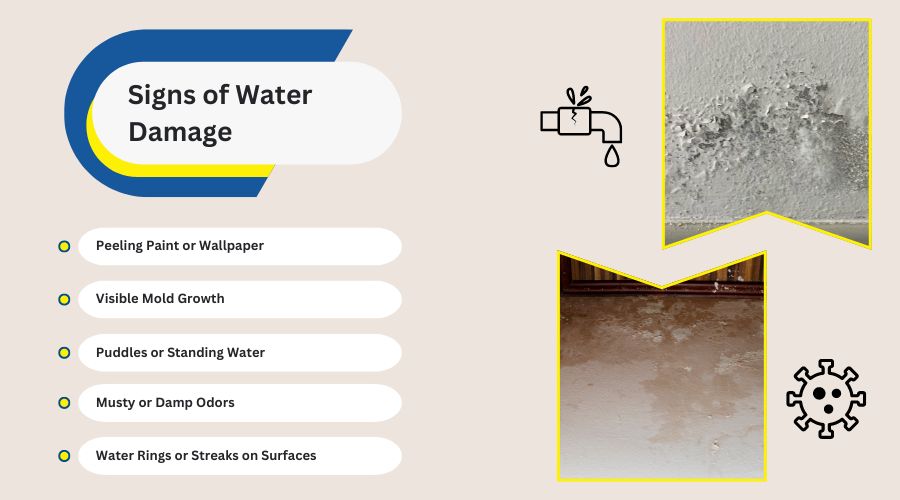
You need to watch for the below signs that can save you from costly repairs. Here are some common indicators to watch for:
- Discoloration: Stains or discoloration on walls, ceilings, or floors, which can appear as dark spots or patches.
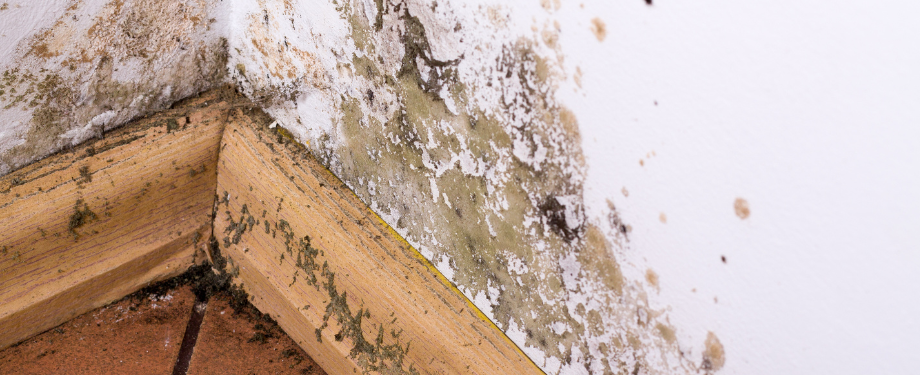
- Odors: Musty or damp odors, especially in enclosed spaces like basements or attics, indicating moldMold is a type of fungus that grows in damp or humid conditi... More or mildewMildew is a type of fungus that grows on damp surfaces, typi... More growth.
- Texture Changes: Swelling, warpingWarping is the bending, twisting, or distortion of materials... More, or buckling of walls, ceilings, or floors, particularly in wooden materials.
- Peeling Paint or Wallpaper: Moisture can cause paint or wallpaper to bubble, crack, or peel away from surfaces.
- Visible MoldMold is a type of fungus that grows in damp or humid conditi... More Growth: Mold growth can appear as fuzzy patches, typically in moist or dark areas like bathrooms, kitchens, or basements.
- Water Stains: Rings or streaks on surfaces where water has evaporated, leaving behind mineral depositsMineral deposits are solid residues left behind when water e... More.
- Sagging or Softened Drywall: Water-damaged drywall may feel soft, damp, or appear saggy.
- Puddles or Standing Water: Accumulations of water in unexpected places, such as around toilets, sinks, or in basements.
- Increased Utility Bills: Sudden spikes in water bills could indicate hidden leaks or pipe damage.
- Cracks in Foundation: Structural issues like cracks in the foundation or exterior walls, potentially caused by water infiltrationInfiltration is the process by which water, air, or other su... More over time.
What is Water Damage Restoration?
How a Property Owner Should Handle Water Damage?
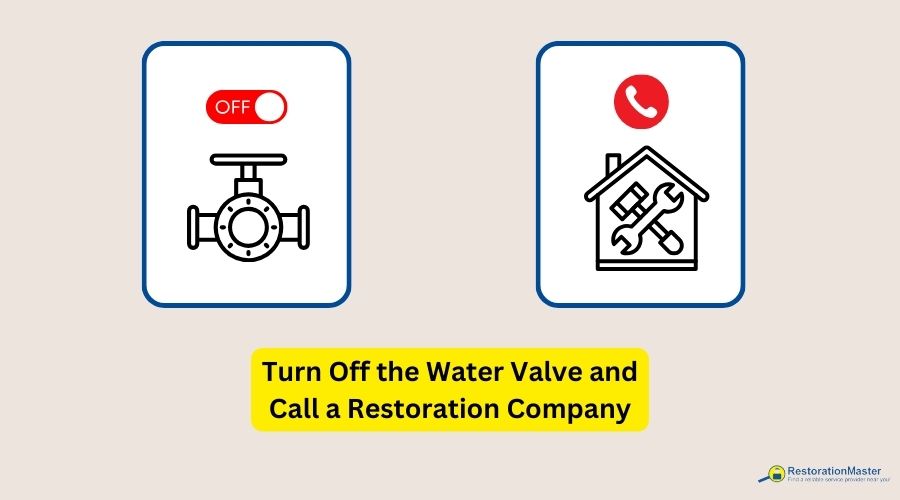
When facing water damage, property owners should take immediate steps to minimize its impact and initiate restorationRestoration is the process of returning a property to its pr... More effectively:
- Shut off the Water Source: When encountering a property flooded with Category 1, 2, or 3 water, the first step a building owner must take is to shut off the water supply. If this cannot be done from inside, use the water shut-off valve.
- Consult the Professionals: Water damage of any category is a serious issue that requires swift action to limit structural damage. Property owners should consult a water damage restorationWater damage restoration is the professional process of clea... More service as soon as the water source is turned off. Inform the insurance company of the water damage.
- Choose a Water Damage RestorationWater damage restoration is the professional process of clea... More Company: Property owners have the option to choose which water damage restorationWater damage restoration is the professional process of clea... More company they prefer to work with. While the insurance company may suggest restorationRestoration is the process of returning a property to its pr... More services, these recommended companies work for the insurance company rather than the home or business owner.
- Pinpoint the Cause: Property owners are also advised to identify the cause of the water damage and repairRepair is the act of fixing or restoring damaged property, m... More it to prevent recurrence. For instance, if the building is old, replacing the plumbing system is a practical action. Regularly inspect areas prone to water damage.
How do Dater Damage Pros Operate?
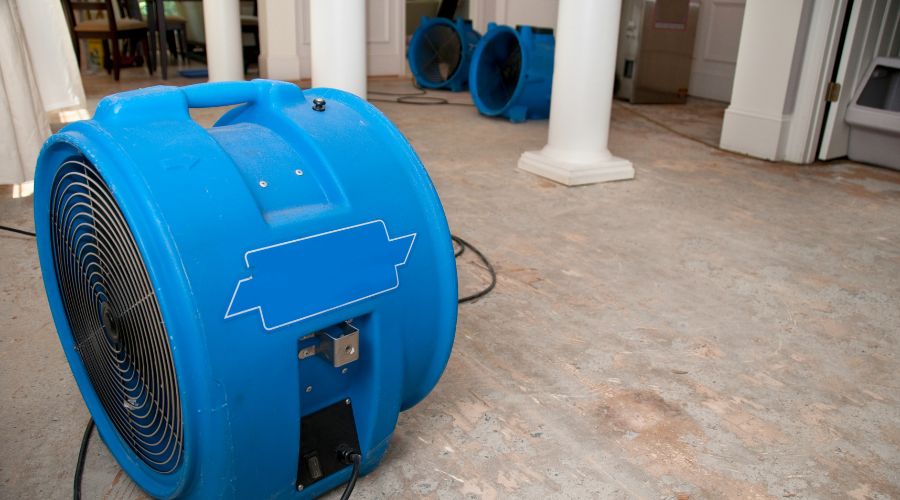
Reputable water damage restorationWater damage restoration is the professional process of clea... More companies dispatch crews soon after receiving an emergency call. Technicians use high-powered equipment to repairRepair is the act of fixing or restoring damaged property, m... More water damage within a few days. Three primary types of machinery are used to extract excess moisture from water-logged premises:
- DryingDrying is the process of removing moisture from materials, s... More devices, such as air movers, promote rapid dryingDrying is the process of removing moisture from materials, s... More by circulating large volumes of air within the water-damaged property.
- Commercial dehumidifiers reduce moldMold is a type of fungus that grows in damp or humid conditi... More growth by extracting excess moisture from the air.
- Air scrubbers remove odor-causing particles from the air in water-damaged spaces.
Once the affected environment is thoroughly dry, water damage restorationWater damage restoration is the professional process of clea... More technicians use moisture meters to detect any remaining dampness. Thermal imaging cameras are used instead of destructive moisture testing methods to reveal moisture in hidden areas.
The final steps in a water damage restoration project include:
- Removal of damaged drywall.
- RepairRepair is the act of fixing or restoring damaged property, m... More of wooden floors.
- Cleaning of carpets saturated with Category 1 water.
- Removal of moldMold is a type of fungus that grows in damp or humid conditi... More colonies.
- Elimination of unpleasant odors resulting from the damage.
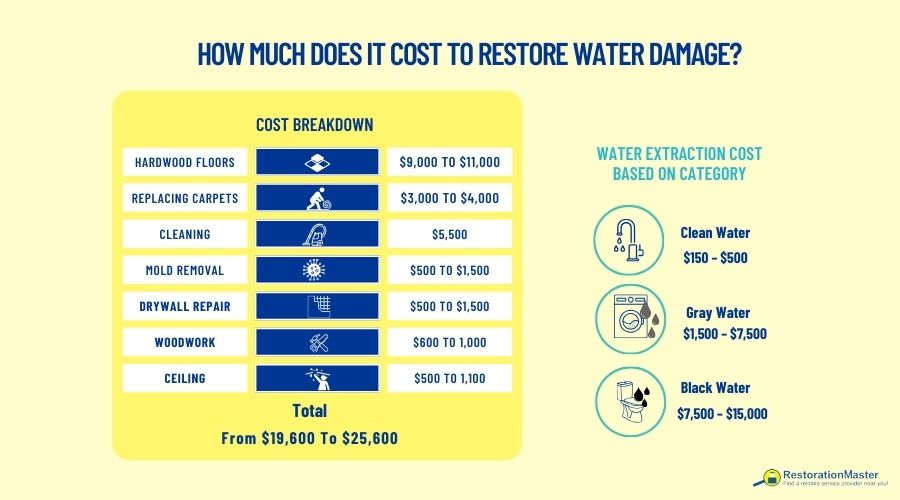
Water Damage Restoration Cost Breakdown
Insurance and Water Damage
Homeowners Insurance
- Coverage: Typically covers sudden and accidental water damage, such as from burst pipes or a leaking roof (though specifics can vary by policy).
- Responsibility: Homeowners are expected to maintain their property to prevent foreseeable water damage. If covered water damage occurs, insurance can help pay for restorationRestoration is the process of returning a property to its pr... More costs.
Renters Insurance
- Coverage: Covers personal belongings damaged by water from covered events, like burst pipes.
- Responsibility: While landlords are responsible for property upkeep (including plumbing), renters need to report issues promptly to prevent damage. Renters insurance can help cover damaged belongings.
Responsibility and Payment for Restoration
How to Prevent Water Damage From Occurring?
While water damage is common, property owners can resort to a series of preventionPrevention refers to actions taken to reduce the likelihood ... More tips to keep destruction at bay:
- Regularly inspect and maintain the property to deter water damage.
- Pay attention to watermarks along the walls, which are indicative of a water problem.
- Test the sump pumpA sump pump is a pump installed in a basement or crawlspace ... More periodically to ensure it works and in preparationPreparation is the steps taken to ready a property, equipmen... More for unanticipated downpours.
- Direct the property’s downspouts away from the building.
- Regrade the lawn if it slopes toward the property.
- Replace faulty roof shingles right away and apply sealants to holes.
Find Water Damage Local Contractors at RestorationMaster
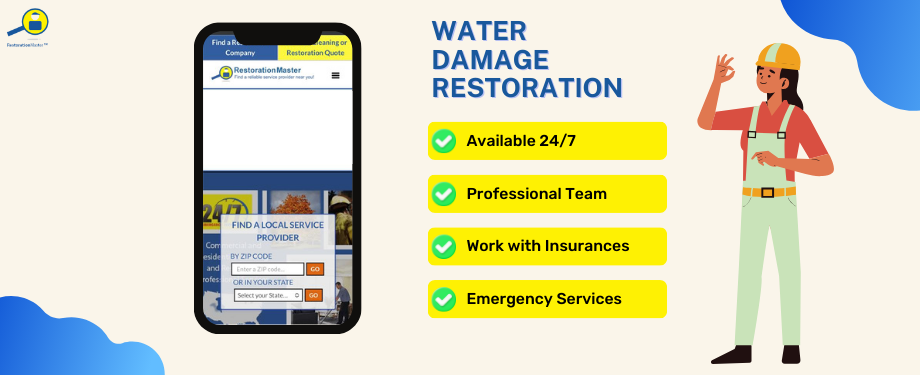
RestorationMaster provides an easy way to find local contractors who specialize in water damage restoration. Whether you’re dealing with burst pipes, floodingFlooding is the overflow or accumulation of water in areas t... More, or leaks, RestorationMaster connects you with experienced professionals who can quickly assess and address the damage. These experts are skilled in every aspect of cleanup, from dryingDrying is the process of removing moisture from materials, s... More out affected areas to repairing structural damage. Using RestorationMaster’s network ensures that your home or business receives thorough restorationRestoration is the process of returning a property to its pr... More services tailored to your needs, restoring your property efficiently to its original state.

About Vince Sandri
Vince Sandri is a content writer and blogger with more than 12 years of experience. His expertise is in creating content related to disaster restorationRestoration is the process of returning a property to its pr... More, including information about preventing and reacting to natural disasters like floodingFlooding is the overflow or accumulation of water in areas t... More, water damage, fire and smoke damage, moldMold is a type of fungus that grows in damp or humid conditi... More growth, storm damage and more.
Vince has been the main contributor to RestorationMasterFinder.com since 2014. Over that time, he has written numerous service pages and blogs for disaster restorationRestoration is the process of returning a property to its pr... More providers featured on RestorationMasterFinder.com. Vince has done extensive research and covered a wide range of topics relating to disaster restorationRestoration is the process of returning a property to its pr... More to help homeowners, business owners, and property managers better protect their property. He understands the problems that disasters like floodingFlooding is the overflow or accumulation of water in areas t... More, fire, smoke, and moldMold is a type of fungus that grows in damp or humid conditi... More can cause as well as the best ways to respond to these issues to limit the damage.
Vince completed his Bachelor of Arts degree at Aurora University and his master’s degree at DePaul University. He has been writing SEO website pages, blogs, and press releases since 2012. Vince is also a musician and can be seen playing in the Chicago, IL area.