






How to Safely Remove Mold from a Window AC Unit
If your window AC unit smells musty, damp, or moldy, there’s a good chance moldMold is a type of fungus that grows in damp or humid conditi... More is growing inside. MoldMold is a type of fungus that grows in damp or humid conditi... More in air conditioners is more common than most people realize, and it can cause both unpleasant odors and serious health issues. Knowing how to safely remove moldMold is a type of fungus that grows in damp or humid conditi... More from a window AC unit can protect your indoor air qualityIndoor air quality (IAQ) refers to the condition of the air ... More and prevent costly damage to the system.
In this article, we’ll cover whether moldMold is a type of fungus that grows in damp or humid conditi... More in AC units is dangerous, why black moldMold is a type of fungus that grows in damp or humid conditi... More forms in air conditioners, the steps for safely removing moldMold is a type of fungus that grows in damp or humid conditi... More, essential safety tips for mold cleanup, and detailed instructions for tackling AC unit moldMold is a type of fungus that grows in damp or humid conditi... More.
Is Mold in a Window AC Unit Dangerous?
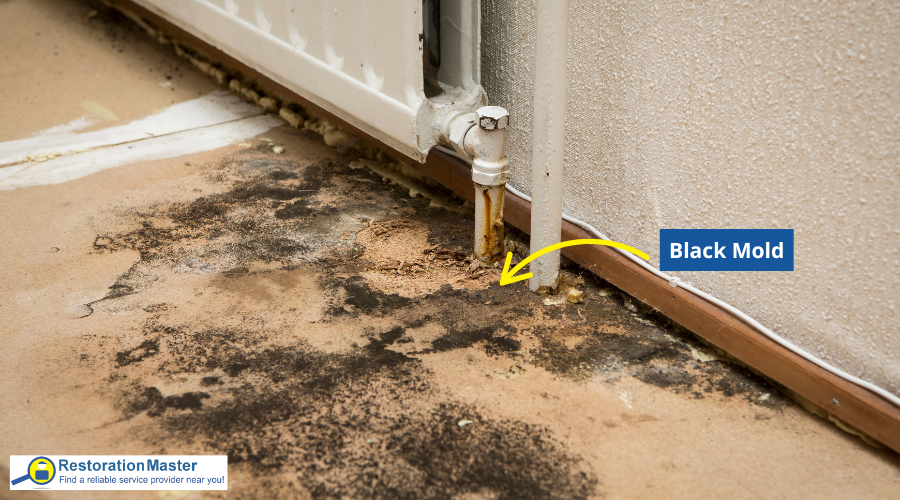
Before deciding whether to clean or replace your air conditioner, it’s important to understand the potential dangers of moldMold is a type of fungus that grows in damp or humid conditi... More. Black moldMold is a type of fungus that grows in damp or humid conditi... More can develop for a variety of reasons, and if left untreated, it can pose health risks to your family. Common symptoms of moldMold is a type of fungus that grows in damp or humid conditi... More exposure include coughing, sneezing, itchy eyes, skin rashes, and an irritated throat. For individuals with moldMold is a type of fungus that grows in damp or humid conditi... More allergies, these symptoms can be even more severe.
If you are inspecting a window AC unit, the issue is usually contained to one room and can often be addressed quickly. However, moldMold is a type of fungus that grows in damp or humid conditi... More in central air systems or ductwork is much more serious. MoldMold is a type of fungus that grows in damp or humid conditi... More sporesSpores are microscopic reproductive units of fungi or mold t... More can spread through the ducts and circulate throughout your home, lowering indoor air qualityIndoor air quality (IAQ) refers to the condition of the air ... More and increasing health risks. In those cases, professional mold remediationMold remediation is the process of identifying, removing, an... More is strongly recommended.
Why Does Black Mold Grow in Air Conditioners?
Even the best window AC unit can develop moldMold is a type of fungus that grows in damp or humid conditi... More under the right conditions. The most common causes include:
- Dust buildup during unused months: MoldMold is a type of fungus that grows in damp or humid conditi... More feeds on dust and thrives in humid environments.
- Moisture from leaks: Condenser or evaporator coil leaks create dampness that supports moldMold is a type of fungus that grows in damp or humid conditi... More growth.
- Dirty or clogged filters: Trapped dust and moisture encourage black moldMold is a type of fungus that grows in damp or humid conditi... More.
- Seasonal storage issues: Units stored in basements, garages, or damp spaces can develop moldMold is a type of fungus that grows in damp or humid conditi... More over winter.
Often, moldMold is a type of fungus that grows in damp or humid conditi... More goes unnoticed until you turn on the AC in warmer months and notice a musty or mildew-like odorAn odor is a smell, often detectable by the human nose, whic... More. MoldMold is a type of fungus that grows in damp or humid conditi... More can also develop if there is a leak in the condenser or evaporator coil, creating moisture inside the unit. Additionally, a dirty air filter can contribute to moldMold is a type of fungus that grows in damp or humid conditi... More growth, as it traps dust and moisture. Many units feature a “check filter” light to indicate when cleaning is needed, and your user manual will provide specific instructions for maintaining your particular model.
Safety Precautions Before Cleaning Mold from the AC
Before you begin cleaning, take steps to protect yourself from moldMold is a type of fungus that grows in damp or humid conditi... More exposure:
- Always wear protective eyewear, gloves, and a face mask or respirator.
- Work in a well-ventilated area such as a garage or outdoors.
- Never mix cleaning products like bleach and ammonia, as this can release toxic fumes.
- If the moldMold is a type of fungus that grows in damp or humid conditi... More growth looks heavy, thick, or widespread, stop and contact a professional.
How to Remove Mold from a Window AC Unit
To safely remove moldMold is a type of fungus that grows in damp or humid conditi... More from your window AC unit, you’ll need to gather the right supplies. Essential items include protective eyewear, a face mask, latexLatex is a natural or synthetic rubber material commonly use... More gloves, water, mold removal cleaner, mild dish soap, a bucket, cloths, a brush, a screwdriver, a vacuum cleaner, laundry detergent, and bleach.
You won’t be able to fully assess the extent of moldMold is a type of fungus that grows in damp or humid conditi... More growth until the unit is removed from the window. Make sure you have help lifting the AC, and plan to clean it in a sturdy, well-ventilated area such as a garage or outdoor workbench. Whenever possible, remove and clean moldy components outdoors. This allows fresh air to disperse moldMold is a type of fungus that grows in damp or humid conditi... More sporesSpores are microscopic reproductive units of fungi or mold t... More and reduces exposure to fumes from cleaning solutions.
Following proper procedures is crucial to prevent moldMold is a type of fungus that grows in damp or humid conditi... More sporesSpores are microscopic reproductive units of fungi or mold t... More from spreading and to reduce the likelihood of moldMold is a type of fungus that grows in damp or humid conditi... More returning. Here’s a step-by-step guide for safely removing moldMold is a type of fungus that grows in damp or humid conditi... More from your AC unit:
- Wear protective gear: Put on a mask, gloves, and eyewear before starting.
- Power down the AC: Turn off the unit, unplug it, and carefully remove it from the window. Move it to a well-ventilated outdoor space for cleaning.
- Remove the front grille: On most units, this can be done by pulling it forward and pushing it down slightly. If the screws hold it in place, use a screwdriver to remove them.
- Clean or replace the filter: The filter is located behind the front grille. Washable filters can be cleaned with soap and water, while disposable filters should be replaced.
- Soak the washable filter: Fill a sink or bathtub with a few inches of water and mild dish soap, or use a mold-removal cleaner. Let the filter soak for at least 15 minutes.
- Scrub and rinse the filter: Use a brush to scrub both sides of the filter, rinse thoroughly with clean water, and hang it to dry.
- Remove the metal cover: Unscrew the metal cover located behind the front grille and lift it off.
- Clean the interior: Vacuum dirt and debris from the inside of the unit. Wipe away any visible moldMold is a type of fungus that grows in damp or humid conditi... More using a cloth or spongeA sponge is a porous material used to absorb liquids or clea... More.
- Apply moldMold is a type of fungus that grows in damp or humid conditi... More cleaner: Spray a moldMold is a type of fungus that grows in damp or humid conditi... More removal solutionA solution is a homogeneous mixture of two or more substance... More on affected areas, including the grille, and scrub thoroughly. Let it sit for 10 minutes, then wipe it clean with a wet cloth.
- Dry all components: Allow the AC unit, filter, grille, and metal cover to dry completely before reassembly.
- Reassemble and reinstall: Put the unit back together, reinstall it in the window, and plug it in.
When to Call a Professional for Mold Removal
While small amounts of moldMold is a type of fungus that grows in damp or humid conditi... More in a window AC unit can often be handled safely at home, there are situations where professional intervention is the best choice:
- MoldMold is a type of fungus that grows in damp or humid conditi... More growth is extensive or recurring
- A strong, persistent odorAn odor is a smell, often detectable by the human nose, whic... More lingers even after cleaning
- MoldMold is a type of fungus that grows in damp or humid conditi... More is found in ductwork, multiple units, or central air systems
- You have household members with asthma, allergies, or compromised immune systems
Certified mold remediation experts have the tools and training to safely remove moldMold is a type of fungus that grows in damp or humid conditi... More, prevent regrowth, and protect your home’s air quality. They can also identify hidden moisture sources that may be causing the problem.
How to Prevent Mold in a Window AC Unit
PreventionPrevention refers to actions taken to reduce the likelihood ... More is the best defense against AC moldMold is a type of fungus that grows in damp or humid conditi... More growth. Here are some tips:
- Run your AC regularly to discourage moldMold is a type of fungus that grows in damp or humid conditi... More buildup.
- Clean or replace filters every 30 days during heavy use.
- Store the AC in a dry location when not in use.
- Keep indoor humidity levels below 50% using a dehumidifierA dehumidifier is a device that removes excess moisture from... More if needed.
- Schedule regular maintenanceMaintenance is the routine care, inspection, and repair of a... More and inspections.
Expert Mold Removal from Certified Technicians
While minor moldMold is a type of fungus that grows in damp or humid conditi... More issues in a window AC unit can sometimes be handled safely at home, there are situations where professional intervention is the best choice. If you notice moldMold is a type of fungus that grows in damp or humid conditi... More in a central air system, ductwork, or multiple units, the sporesSpores are microscopic reproductive units of fungi or mold t... More can spread throughout your home, significantly impacting indoor air qualityIndoor air quality (IAQ) refers to the condition of the air ... More and increasing health risks. Similarly, if the moldMold is a type of fungus that grows in damp or humid conditi... More growth is extensive, persistent, or accompanied by a strong odorAn odor is a smell, often detectable by the human nose, whic... More, attempting to clean it yourself may not fully eliminate the problem and could even make it worse.
Professional mold remediation experts have the tools, experience, and cleaning solutions to safely remove moldMold is a type of fungus that grows in damp or humid conditi... More, prevent its recurrence, and protect the air quality in your home. They can also identify hidden sources of moisture that may be contributing to moldMold is a type of fungus that grows in damp or humid conditi... More growth, ensuring a long-term solutionA solution is a homogeneous mixture of two or more substance... More.
Don’t wait for moldMold is a type of fungus that grows in damp or humid conditi... More to compromise your health or your home. Contact RestorationMaster today to inspect your AC system, remove moldMold is a type of fungus that grows in damp or humid conditi... More safely, and restore your indoor air qualityIndoor air quality (IAQ) refers to the condition of the air ... More. Taking action early can save you time, money, and potential health complications.
Frequently Asked Questions (FAQs)
Can moldMold is a type of fungus that grows in damp or humid conditi... More in a window AC unit make you sick?
Yes. MoldMold is a type of fungus that grows in damp or humid conditi... More in air conditioners can release sporesSpores are microscopic reproductive units of fungi or mold t... More into the air, which may cause coughing, sneezing, itchy eyes, throat irritation, or even asthma attacks. Prolonged exposure can leadLead is a heavy metal that can be toxic to humans, especiall... More to more serious respiratory issues, especially in people with allergies or weakened immune systems.
How do I know if my air conditioner has moldMold is a type of fungus that grows in damp or humid conditi... More?
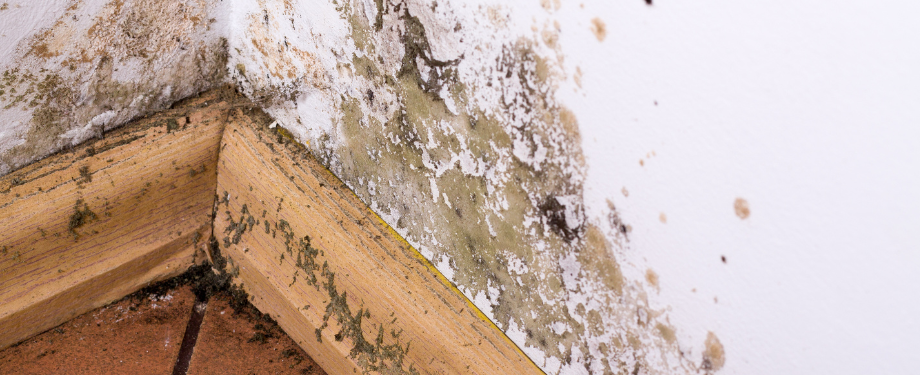
Signs of moldMold is a type of fungus that grows in damp or humid conditi... More in an AC include a musty or mildew-like odorAn odor is a smell, often detectable by the human nose, whic... More, visible black or green spots inside the unit, and increased allergy-like symptoms when the AC is running.
What kills moldMold is a type of fungus that grows in damp or humid conditi... More in an air conditioner?
MoldMold is a type of fungus that grows in damp or humid conditi... More can be killed using a commercial moldMold is a type of fungus that grows in damp or humid conditi... More remover, diluted bleach solutionA solution is a homogeneous mixture of two or more substance... More, or household cleaning agents like vinegar. Always follow safety precautions and manufacturer guidelines before applying any cleaning solutionA solution is a homogeneous mixture of two or more substance... More to your AC unit.

About Vince Sandri
Vince Sandri is a content writer and blogger with more than 12 years of experience. His expertise is in creating content related to disaster restorationRestoration is the process of returning a property to its pr... More, including information about preventing and reacting to natural disasters like floodingFlooding is the overflow or accumulation of water in areas t... More, water damage, fire and smoke damage, moldMold is a type of fungus that grows in damp or humid conditi... More growth, storm damage and more.
Vince has been the main contributor to RestorationMasterFinder.com since 2014. Over that time, he has written numerous service pages and blogs for disaster restorationRestoration is the process of returning a property to its pr... More providers featured on RestorationMasterFinder.com. Vince has done extensive research and covered a wide range of topics relating to disaster restorationRestoration is the process of returning a property to its pr... More to help homeowners, business owners, and property managers better protect their property. He understands the problems that disasters like floodingFlooding is the overflow or accumulation of water in areas t... More, fire, smoke, and moldMold is a type of fungus that grows in damp or humid conditi... More can cause as well as the best ways to respond to these issues to limit the damage.
Vince completed his Bachelor of Arts degree at Aurora University and his master’s degree at DePaul University. He has been writing SEO website pages, blogs, and press releases since 2012. Vince is also a musician and can be seen playing in the Chicago, IL area.