

How to Safely Clean Toilet Overflows
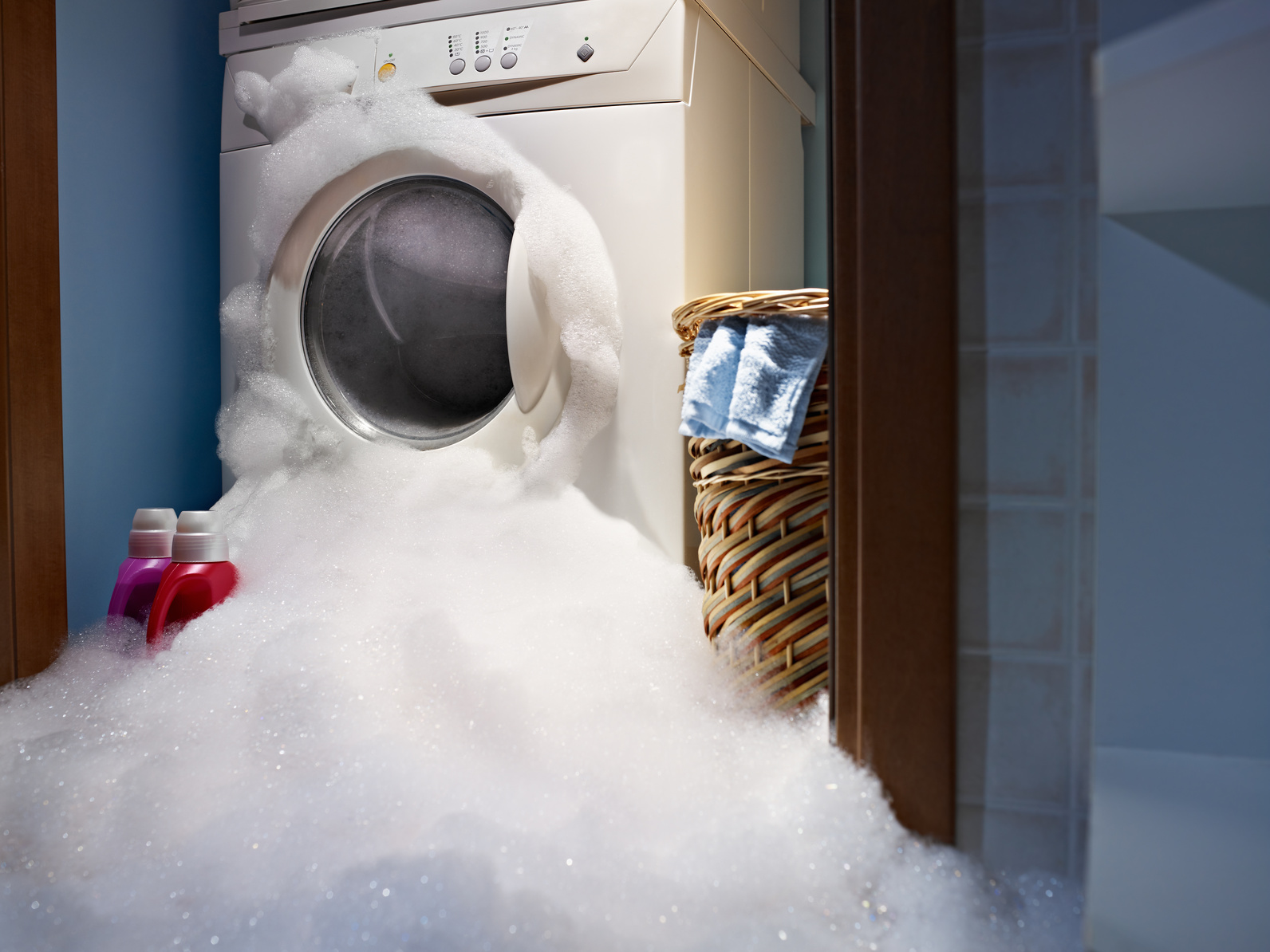
A toilet overflow causes wastewaterWastewater is used water that contains contaminants, chemica... More to be spewed all over the bathroom floor. Not only is the situation a hygiene disaster, but the excess water can damage the floor structures. Safely cleaning up a toilet overflow and preventing long-term structural damage requires the following steps.
What are the common causes of a toilet overflow?
Clogs are the biggest cause of toilet overflows. Toilets are designed to flush waste and toilet paper—and not a range of miscellaneous items. Flushing diapers, paper towels, sanitary products, solid goods, or even flushable wipes can leadLead is a heavy metal that can be toxic to humans, especiall... More to major blockages in the toilet bowl.
Although a toilet is manufactured to flush toilet paper, attempting to flush an excessive amount can clog the bowl. Too much toilet paper caught in the toilet bends can clog the s-shaped trap, which is designed to prevent foul-smelling sewer gases from coming up the drain and into the bathroom.
The sewer line connects the home with the city sewers. A blockage in the sewer line caused by non-flushable items, such as those previously mentioned, can leadLead is a heavy metal that can be toxic to humans, especiall... More to a gradual buildup in the line and an eventual toilet overflow, gurgling drain, backed-up sink, or overflowing washing machine.
High-efficiency toilets, specifically those manufactured before 1997, are prone to toilet overflows. These low-flow toilets are made to conserve water. While seemingly a cost-saving benefit, the water conservation feature actually prevents waste matter and toilet paper from flushing down easily.
A toilet may overflow with clean water instead of wastewaterWastewater is used water that contains contaminants, chemica... More. When this is the case, the problem may lie within the tank. Check for a broken tank float or a stuck handle. Once the issue is found, turn off the water at the water shutoff valve and make repairs.
How toxic is wastewater?
WastewaterWastewater is used water that contains contaminants, chemica... More overflows from the toilet are highly contaminated. In fact, wastewaterWastewater is used water that contains contaminants, chemica... More is classified as black water—the most toxic of all three categories of floodwater. Although wastewater is 99.9 percent water, the other 0.1 percent of the toilet overflow should be a concern to homeowners.
The remaining 0.1 percent of wastewaterWastewater is used water that contains contaminants, chemica... More contains nutrients, like phosphorous and nitrogen. Toilet overflows also include dangerous waterborne bacterial pathogensPathogens are microorganisms such as bacteria, viruses, or f... More, such as pathogen strains of E. coli, Salmonella, Shigella, Vibrio, and Campylobacter. The bacterial content in wastewaterWastewater is used water that contains contaminants, chemica... More should prompt homeowners to proceed cautiously with cleanup.
How do homeowners safely clean the toilet overflow?
1. Turn off the water supply
First, turn off the water at the water shutoff valve. When the valve is not located on the supply line, stop the flow of water by lifting the toilet tank lid and pulling up the float. If both solutions fail, shut off the water at the main water supply line.
2. Unclog the toilet with an auger
A toilet auger is the most effective tool to snag the clog and yank it out. This tool is ideal for unclogging toilets due to its ability to navigate the s-shaped trap inside the drain pipes. Alternately, the auger can break up the clog and allow water to flow through.
3. Remove standing water
Moisture has the ability to whisk upward and into drywall quickly. Consequently, when cleanup of the wastewaterWastewater is used water that contains contaminants, chemica... More from a toilet overflow is delayed, the water will soak into cabinets and walls and leadLead is a heavy metal that can be toxic to humans, especiall... More to significant water damage and moldMold is a type of fungus that grows in damp or humid conditi... More growth. Bacteria can also readily spread.
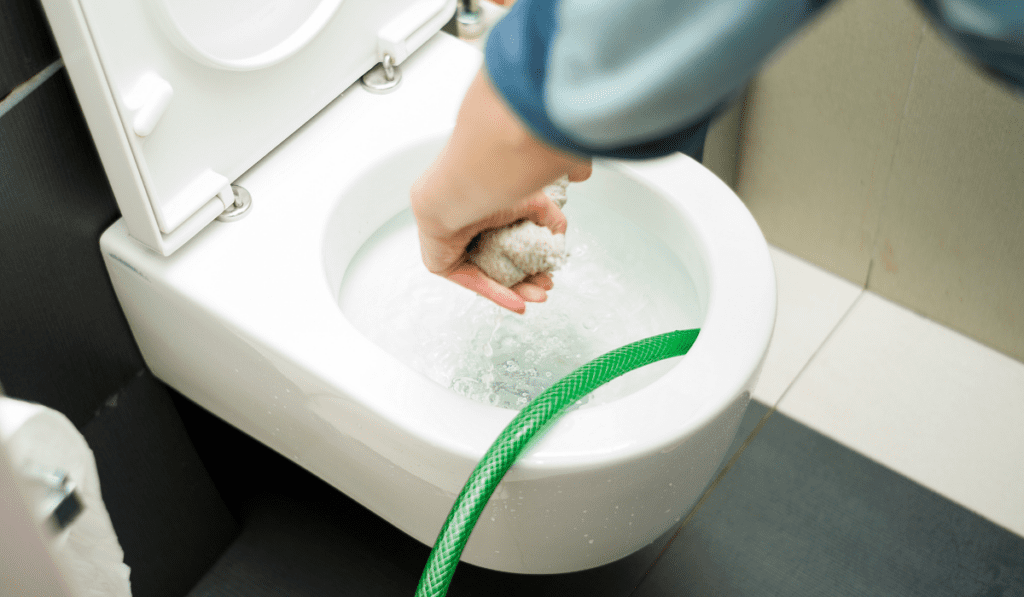
A wet/dry vacuum should be utilized to suction up as much standing wastewaterWastewater is used water that contains contaminants, chemica... More from the bathroom floor as possible. Use thick towels or blankets to absorb any remaining moisture. Take care to thoroughly launder the towels and blankets after cleaning the overflow.
4. Dry the bathroom
A wet bathroom invites pests and moldMold is a type of fungus that grows in damp or humid conditi... More colonies. The dampness can also cause damage to the floor structures. After a toilet overflow, rapidly dry the area using rented high-volume fans. Typically, one fan will do the job; however, multiple fans may be needed if the overflow spreads to other rooms.
5. Clean and disinfect
Fully disinfecting the bathroom after a toilet overflow is critical to health safety. Start by cleaning the entire bathroom—even areas not directly affected by the overflow—with soap and water. Prepare a disinfecting solutionA solution is a homogeneous mixture of two or more substance... More by mixing one cup bleach with one gallon of water.
Dipping a clean rag into the disinfecting solutionA solution is a homogeneous mixture of two or more substance... More, wipe down all the surfaces inside the bathroom. The bleach in the disinfectantA disinfectant is a chemical substance used to kill or inact... More kills any bacteria and mold spores. Additionally, the solutionA solution is a homogeneous mixture of two or more substance... More will neutralize offensive odors. The bleach simultaneously disinfects the bucket and rag used during the process.
Cleanup of the toilet overflow should be done promptly to prevent further damage, especially to rooms nearby or below. The wastewaterWastewater is used water that contains contaminants, chemica... More can ruin not only the baseboards and flooring, but the subfloors, drywall, ceilings on lower levels, cabinets, carpeting, and trimTrim is the decorative or functional molding used to finish ... More.
Untreated water damage from a toilet overflow or any other water source can cause immense destruction to any material the moisture touches. Due to the destructive nature of water, immediately contact RestorationMaster for fast and professional water damage restoration.
A recognized leader in water damage cleanup, our company responds quickly to water damage emergencies. Our IICRC certified technicians arrive promptly, extract all excess water using powerful water extraction equipment, dry the property, and return it to its original condition.
Our specialists prevent moldMold is a type of fungus that grows in damp or humid conditi... More growth and destroy waterborne bacteria by applying an antimicrobial agent. If a moldMold is a type of fungus that grows in damp or humid conditi... More infestation has developed, we provide effective mold remediation services. We also assist homeowners with their water damage insurance claims.
A toilet overflow unleashes a torrent of toxic wastewaterWastewater is used water that contains contaminants, chemica... More, which can require professional cleaning by our biohazard cleanup technicians. Our crews are trained to safely eliminate all traces of wastewaterWastewater is used water that contains contaminants, chemica... More and completely disinfect the area. We fully comply with all health regulations.
Whether your emergency is water damage or requires the expertise of our biohazard cleanup crews, you’ll find professional assistance from RestorationMaster.

About Vince Sandri
Vince Sandri is a content writer and blogger with more than 12 years of experience. His expertise is in creating content related to disaster restorationRestoration is the process of returning a property to its pr... More, including information about preventing and reacting to natural disasters like floodingFlooding is the overflow or accumulation of water in areas t... More, water damage, fire and smoke damage, moldMold is a type of fungus that grows in damp or humid conditi... More growth, storm damage and more.
Vince has been the main contributor to RestorationMasterFinder.com since 2014. Over that time, he has written numerous service pages and blogs for disaster restorationRestoration is the process of returning a property to its pr... More providers featured on RestorationMasterFinder.com. Vince has done extensive research and covered a wide range of topics relating to disaster restorationRestoration is the process of returning a property to its pr... More to help homeowners, business owners, and property managers better protect their property. He understands the problems that disasters like floodingFlooding is the overflow or accumulation of water in areas t... More, fire, smoke, and moldMold is a type of fungus that grows in damp or humid conditi... More can cause as well as the best ways to respond to these issues to limit the damage.
Vince completed his Bachelor of Arts degree at Aurora University and his master’s degree at DePaul University. He has been writing SEO website pages, blogs, and press releases since 2012. Vince is also a musician and can be seen playing in the Chicago, IL area.