

Does Rubbing Alcohol (Isopropyl Alcohol) Kill Mold?
Are you worried about moldMold is a type of fungus that grows in damp or humid conditi... More? Here’s what you need to know about using rubbing alcohol to kill it.
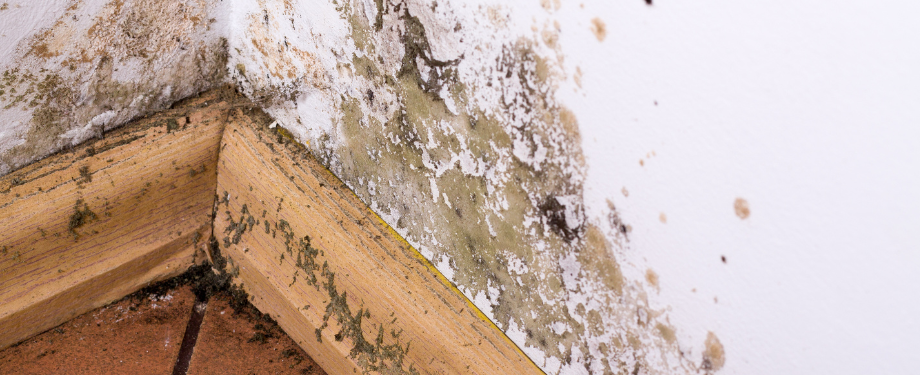
If you’ve recently noticed a musty smell in your basement or suspicious dark spots creeping along bathroom tiles, you’re not alone—and it’s smart to investigate right away. Mold, especially toxic black moldMold is a type of fungus that grows in damp or humid conditi... More, isn’t just unsightly; it can trigger asthma, worsen allergies, and cause long-term damage to your home’s structureStructure refers to the framework or components of a buildin... More.
Many homeowners wonder: Does rubbing alcohol kill moldMold is a type of fungus that grows in damp or humid conditi... More? And if so, is it safe to use around kids and pets? Understanding how to handle moldMold is a type of fungus that grows in damp or humid conditi... More safely—and knowing when DIY isn’t enough—is key to protecting your family’s health and your home’s value.
In this guide, we’ll break down whether rubbing alcohol is effective for mold removal, where it works best, and when it’s time to skip the home remedies and call a local mold remediationMold remediation is the process of identifying, removing, an... More expert. Whether you’re dealing with surface moldMold is a type of fungus that grows in damp or humid conditi... More or worried about hidden growth behind walls, you’ll find clear steps and trustworthy solutions here.
Can Rubbing Alcohol Really Kill Mold?
Rubbing alcohol—also known as isopropyl alcohol—is a common household cleaning agent and is sometimes used as a quick DIY method for killing moldMold is a type of fungus that grows in damp or humid conditi... More on hard, non-porous surfaces. It works by breaking down the mold’s outer cell structureStructure refers to the framework or components of a buildin... More, effectively killing what’s on the surface.
But here’s the catch: while alcohol can remove visible moldMold is a type of fungus that grows in damp or humid conditi... More from areas like tile, countertops, or glass, it won’t reach moldMold is a type of fungus that grows in damp or humid conditi... More sporesSpores are microscopic reproductive units of fungi or mold t... More hiding deep inside porousPorous describes a material that contains small openings or ... More materials like drywall, wood, or insulationInsulation is a material used in buildings to reduce the tra... More. And it certainly can’t stop moldMold is a type of fungus that grows in damp or humid conditi... More from coming back if the underlying moisture issue isn’t resolved.
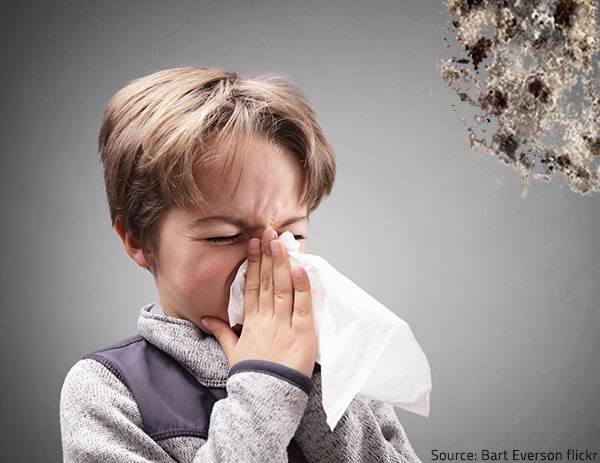
That distinction is important, especially if someone in your home has asthma or allergies. Hidden moldMold is a type of fungus that grows in damp or humid conditi... More growth can continue to release airborne sporesSpores are microscopic reproductive units of fungi or mold t... More, aggravating respiratory conditions—even if the surface looks clean.
Homeowner Tip: If you smell mustiness after a heavy rain or suspect water damage behind walls or under flooring, don’t rely solely on surface cleaners. Moisture problems are the real root cause of most indoor mold—and without addressing them, moldMold is a type of fungus that grows in damp or humid conditi... More will keep coming back.
Watch RestorationMaster video on how to remove mold with rubbing alcohol
Is Rubbing Alcohol a Reliable Way to Kill Mold?
Rubbing alcohol can be helpful for treating minor moldMold is a type of fungus that grows in damp or humid conditi... More growth—but only on non-porous surfaces where the moldMold is a type of fungus that grows in damp or humid conditi... More hasn’t had a chance to seep in. It works well on materials like:
- Glass
- Metal
- Plastic
- Sealed ceramic tile
- Laminate countertops
If you’re just cleaning up small patches in your bathroom or around window frames, alcohol might do the trick.
But when it comes to porousPorous describes a material that contains small openings or ... More materials like:
- Drywall
- Carpet
- Wood
- Upholstered furniture
…it’s a different story. MoldMold is a type of fungus that grows in damp or humid conditi... More can grow deep beneath the surface, and rubbing alcohol won’t reach or kill those hidden sporesSpores are microscopic reproductive units of fungi or mold t... More. That means the moldMold is a type of fungus that grows in damp or humid conditi... More can return—sometimes worse than before.
Better alternatives for tough or deep-rooted moldMold is a type of fungus that grows in damp or humid conditi... More include white vinegar, hydrogen peroxide, or—when in doubt—calling in a professional mold remediationMold remediation is the process of identifying, removing, an... More service.
When to Get Help: If you’re dealing with musty odors, visible moldMold is a type of fungus that grows in damp or humid conditi... More on drywall, or growth spreading through your HVAC vents, it’s time to call a certified mold specialist. They’ll pinpoint the source, remove the moldMold is a type of fungus that grows in damp or humid conditi... More safely, and help prevent it from coming back.
What Surfaces Can You Safely Clean Mold From Using Rubbing Alcohol?
If you’re looking for a quick, low-toxicity way to clean moldMold is a type of fungus that grows in damp or humid conditi... More on hard surfaces, a solutionA solution is a homogeneous mixture of two or more substance... More of rubbing alcohol and water (50/50 mix) can be surprisingly effective—especially when used on non-porous areas. In fact, using at least 20% ethanol or isopropyl alcohol can help sanitize while breaking down surface-level moldMold is a type of fungus that grows in damp or humid conditi... More growth.
However, it’s important to remember: alcohol only kills moldMold is a type of fungus that grows in damp or humid conditi... More on the surface—it won’t reach deep-set sporesSpores are microscopic reproductive units of fungi or mold t... More hiding in porousPorous describes a material that contains small openings or ... More materials like drywall or unsealed wood.
How to Use It:
- Spray or wipe the alcohol solutionA solution is a homogeneous mixture of two or more substance... More directly onto the surface.
- Let it sit for at least 10 minutes to break down the moldMold is a type of fungus that grows in damp or humid conditi... More.
- Scrub the area gently and wipe clean with a damp cloth.
- Wear gloves, and ventilate the space well to avoid inhaling fumes.
Here are the best surfaces to use rubbing alcohol for mold removal:
- Glass – Windows, shower doors, and mirrors
- Metal – Faucets, fixtures, and appliances
- Sealed tiles & grout – Especially in bathrooms and kitchens
- Plastic – Storage bins, kids’ toys, or shower curtains
- Laminate or sealed countertops – Like in your kitchen or laundry room
- Finished or sealed wood – As long as it’s not water-damaged or warped
If you’re dealing with widespread moldMold is a type of fungus that grows in damp or humid conditi... More, persistent musty odors, or moldMold is a type of fungus that grows in damp or humid conditi... More in hidden areas like walls or ductwork, it’s time to bring in the pros. Certified mold remediation contractors use advanced tools, proven techniques, and protective protocols to completely eliminate moldMold is a type of fungus that grows in damp or humid conditi... More—and stop it from coming back.
Here’s what the professional moldMold is a type of fungus that grows in damp or humid conditi... More removal process typically includes:
Commercial-Grade MoldMold is a type of fungus that grows in damp or humid conditi... More Cleaners & Fungicides
Unlike DIY products, professionals use powerful EPA-approved solutions (like Concrobium) that kill moldMold is a type of fungus that grows in damp or humid conditi... More at the source and leave behind a protective barrier to prevent regrowth—especially important in moisture-prone areas.
HEPA Vacuums for MoldMold is a type of fungus that grows in damp or humid conditi... More Spore Removal
High-Efficiency Particulate Air (HEPA) vacuums trap microscopic moldMold is a type of fungus that grows in damp or humid conditi... More sporesSpores are microscopic reproductive units of fungi or mold t... More from surfaces and the air. These vacuums prevent sporesSpores are microscopic reproductive units of fungi or mold t... More from being released back into your home—making them a must in asthma- or allergy-sensitive households.
Industrial Dehumidifiers
MoldMold is a type of fungus that grows in damp or humid conditi... More thrives in damp conditions. Professionals use commercial-grade dehumidifiers to remove excess moisture from the air, helping to dry out walls, floors, and air pockets where moldMold is a type of fungus that grows in damp or humid conditi... More could return.
Air Scrubbers for Clean Indoor Air
Air scrubbers filter out moldMold is a type of fungus that grows in damp or humid conditi... More sporesSpores are microscopic reproductive units of fungi or mold t... More, allergens, and other pollutants during and after cleanup. This improves your indoor air qualityIndoor air quality (IAQ) refers to the condition of the air ... More and keeps your family safer during the process.
Protective Gear & Containment Setups
MoldMold is a type of fungus that grows in damp or humid conditi... More specialists wear gloves, respirators, goggles, and coveralls—and use containment barriers to stop moldMold is a type of fungus that grows in damp or humid conditi... More from spreading to other parts of your home during removal.
Dry Ice Blasting (for Severe Cases)
For large or deeply embedded moldMold is a type of fungus that grows in damp or humid conditi... More (like in crawl spaces or attics), dry ice blasting is used. It safely removes moldMold is a type of fungus that grows in damp or humid conditi... More from wood and hard surfaces using extreme cold, without introducing moisture.
Antimicrobial Coatings for Long-Term Protection
After the moldMold is a type of fungus that grows in damp or humid conditi... More is gone, technicians apply antimicrobial sealants to prevent moldMold is a type of fungus that grows in damp or humid conditi... More from taking hold again—especially in places like basements, bathrooms, and under sinks.
Moisture Meters & Final Checks
Before wrapping up, professionals use moisture meters to check for hidden water issues inside walls and ceilings. This ensures that all sources of moldMold is a type of fungus that grows in damp or humid conditi... More growth are resolved, not just the visible signs.
When It’s Time to Call a Local Mold Remediation Professional
While rubbing alcohol can help with small moldMold is a type of fungus that grows in damp or humid conditi... More spots on hard, non-porous surfaces, it’s not enough when moldMold is a type of fungus that grows in damp or humid conditi... More goes deeper—or keeps coming back. If you’re noticing persistent musty smells, recurring moldMold is a type of fungus that grows in damp or humid conditi... More growth, or signs of hidden moisture, it’s a signal that the issue is more than skin-deep.
To protect your family’s health and your home’s structureStructure refers to the framework or components of a buildin... More, it’s crucial to fix the root cause—usually excess moisture—and bring in a local mold remediation expert when the problem is beyond a simple wipe-down.
Certified moldMold is a type of fungus that grows in damp or humid conditi... More professionals have the tools, training, and protective equipment to safely:
- Contain and eliminate moldMold is a type of fungus that grows in damp or humid conditi... More colonies
- Remove contaminated materials
- Treat hidden areas behind walls and ceilings
- Restore clean, healthy living conditions
Don’t wait—the longer moldMold is a type of fungus that grows in damp or humid conditi... More sits, the more damage it causes and the higher the risk of health issues like asthma flare-ups or allergic reactions. Whether it’s your basement, bathroom, or behind the kitchen sink, getting help early can save you time, money, and stress.
FAQs
Which is better: alcohol or vinegar for mold?
Both can kill surface moldMold is a type of fungus that grows in damp or humid conditi... More, but they work best on different materials. Vinegar is more acidic, which makes it better at penetrating porousPorous describes a material that contains small openings or ... More surfaces like wood or drywall (although even vinegar has its limits). Rubbing alcohol evaporates quickly, so it’s great for hard, non-porous surfaces where you don’t want lingering moisture—like electronics, sealed countertops, and glass. In many cases, people use both: vinegar for the deeper clean and alcohol for disinfecting afterward.
Does rubbing alcohol kill mold spores in the air?
No, rubbing alcohol only works on surfaces where it can make direct contact with moldMold is a type of fungus that grows in damp or humid conditi... More. It won’t clean the air or eliminate airborne moldMold is a type of fungus that grows in damp or humid conditi... More sporesSpores are microscopic reproductive units of fungi or mold t... More. That’s why professional mold remediationMold remediation is the process of identifying, removing, an... More teams use HEPA air scrubbers and ventilationVentilation is the process of exchanging or circulating air ... More systems to trap and remove those tiny sporesSpores are microscopic reproductive units of fungi or mold t... More from your home’s air. If you’re smelling mustiness or dealing with frequent allergic reactions, the problem may be in the air—even if you can’t see it.
How do I prevent mold from returning?
Killing the moldMold is a type of fungus that grows in damp or humid conditi... More is just half the battle—the other half is removing the conditions that let it grow. Start by fixing any water leaks (especially in bathrooms, kitchens, or basements), and make sure your home has proper airflow. Running a dehumidifierA dehumidifier is a device that removes excess moisture from... More helps keep indoor humidityHumidity is the amount of moisture or water vapor present in... More below 50%, which makes it harder for moldMold is a type of fungus that grows in damp or humid conditi... More to grow. Also, clean surfaces regularly with mold-resistant products and use ventilationVentilation is the process of exchanging or circulating air ... More fans in bathrooms and kitchens to prevent moisture buildup.
Can rubbing alcohol kill black mold on bathroom tiles?
Yes, rubbing alcohol can kill surface moldMold is a type of fungus that grows in damp or humid conditi... More like black moldMold is a type of fungus that grows in damp or humid conditi... More on non-porous materials such as bathroom tiles, mirrors, or glass. However, it won’t eliminate moldMold is a type of fungus that grows in damp or humid conditi... More that’s rooted in grout or drywall behind the tile.
Is it safe to use rubbing alcohol for mold removal around kids and pets?
When used in a well-ventilated area and wiped away thoroughly, a 50/50 rubbing alcohol solutionA solution is a homogeneous mixture of two or more substance... More is generally safe for cleaning moldMold is a type of fungus that grows in damp or humid conditi... More on hard surfaces. However, professional remediation is safer for larger or hidden moldMold is a type of fungus that grows in damp or humid conditi... More issues, especially if you have children or pets with respiratory sensitivities.
What’s the best way to remove mold from wood or drywall?
Rubbing alcohol doesn’t penetrate porousPorous describes a material that contains small openings or ... More materials like wood or drywall. For moldMold is a type of fungus that grows in damp or humid conditi... More on these surfaces, it’s best to call a certified mold remediationMold remediation is the process of identifying, removing, an... More professional who can remove contaminated materials and treat hidden moldMold is a type of fungus that grows in damp or humid conditi... More growth.
How do professionals get rid of mold in walls or HVAC systems?
MoldMold is a type of fungus that grows in damp or humid conditi... More removal experts use HEPA vacuums, air scrubbers, dehumidifiers, and antimicrobial coatings to safely remove moldMold is a type of fungus that grows in damp or humid conditi... More from walls, ductwork, and hard-to-reach areas. They also check for hidden moisture using specialized tools.
When should I hire a mold remediation company instead of trying DIY solutions?
If the moldMold is a type of fungus that grows in damp or humid conditi... More covers more than 10 square feet, has returned after cleaning, smells musty, or is found in porousPorous describes a material that contains small openings or ... More materials or hidden areas (like basements or attics), it’s time to call a professional mold remediation company to prevent further damage and health risks.
What percentage of isopropyl alcohol is most effective for killing mold?
A solutionA solution is a homogeneous mixture of two or more substance... More with at least 70% isopropyl alcohol is considered effective for killing surface-level moldMold is a type of fungus that grows in damp or humid conditi... More on non-porous materials. For general cleaning and moldMold is a type of fungus that grows in damp or humid conditi... More removal, a 50/50 mix of water and 70% rubbing alcohol is commonly used. Just remember—this only works on surface moldMold is a type of fungus that grows in damp or humid conditi... More, not moldMold is a type of fungus that grows in damp or humid conditi... More hiding in porousPorous describes a material that contains small openings or ... More materials like wood or drywall.

About Vince Sandri
Vince Sandri is a content writer and blogger with more than 12 years of experience. His expertise is in creating content related to disaster restorationRestoration is the process of returning a property to its pr... More, including information about preventing and reacting to natural disasters like floodingFlooding is the overflow or accumulation of water in areas t... More, water damage, fire and smoke damage, moldMold is a type of fungus that grows in damp or humid conditi... More growth, storm damage and more.
Vince has been the main contributor to RestorationMasterFinder.com since 2014. Over that time, he has written numerous service pages and blogs for disaster restorationRestoration is the process of returning a property to its pr... More providers featured on RestorationMasterFinder.com. Vince has done extensive research and covered a wide range of topics relating to disaster restorationRestoration is the process of returning a property to its pr... More to help homeowners, business owners, and property managers better protect their property. He understands the problems that disasters like floodingFlooding is the overflow or accumulation of water in areas t... More, fire, smoke, and moldMold is a type of fungus that grows in damp or humid conditi... More can cause as well as the best ways to respond to these issues to limit the damage.
Vince completed his Bachelor of Arts degree at Aurora University and his master’s degree at DePaul University. He has been writing SEO website pages, blogs, and press releases since 2012. Vince is also a musician and can be seen playing in the Chicago, IL area.