






How to Prevent Mold in Your Basement
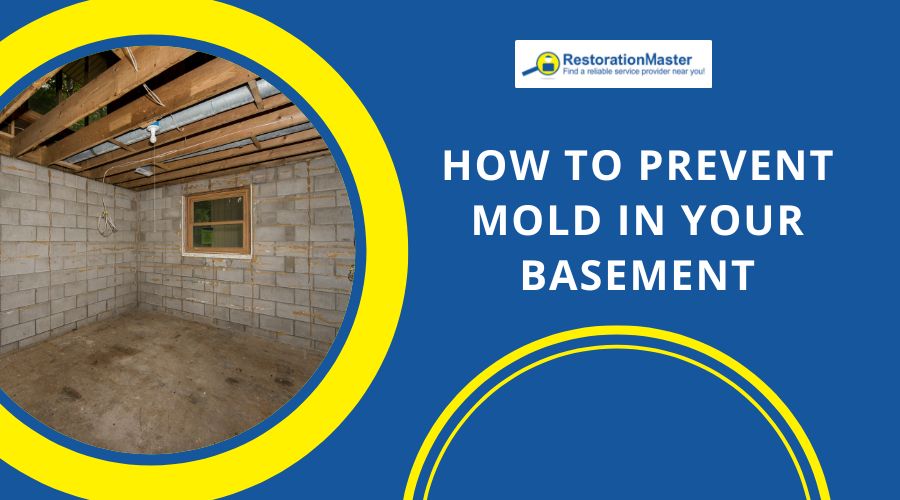
Mold Growth in Basement
To effectively prevent moldMold is a type of fungus that grows in damp or humid conditi... More growth in your home, it’s important to focus on the basement, which is often one of the most vulnerable areas. Basements can easily become damp due to high moisture levels, primarily caused by cracks or gaps in the foundation that let water seep in. If the space isn’t well-ventilated, this moisture can build up, creating a perfect environment for moldMold is a type of fungus that grows in damp or humid conditi... More to grow.
The combination of darkness and dampness in basements makes them ideal for moldMold is a type of fungus that grows in damp or humid conditi... More, and if left unchecked, this growth can spread and leadLead is a heavy metal that can be toxic to humans, especiall... More to health risks. That’s why it’s crucial to regularly inspect and clean your basement.
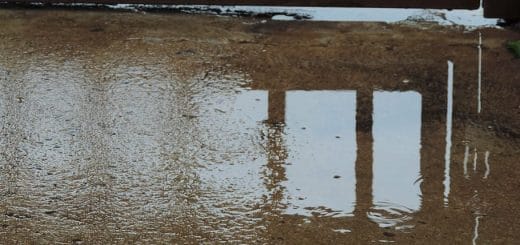
Additionally, basements are more susceptible to floodingFlooding is the overflow or accumulation of water in areas t... More and water damage compared to other parts of your home. If water lingers in the basement for too long, it sets the stage for moldMold is a type of fungus that grows in damp or humid conditi... More to thrive. By taking proactive steps to manage moisture and improve ventilationVentilation is the process of exchanging or circulating air ... More, you can significantly reduce the risk of moldMold is a type of fungus that grows in damp or humid conditi... More growth in your basement.
11 Tips to Prevent Mold Growth in Basement
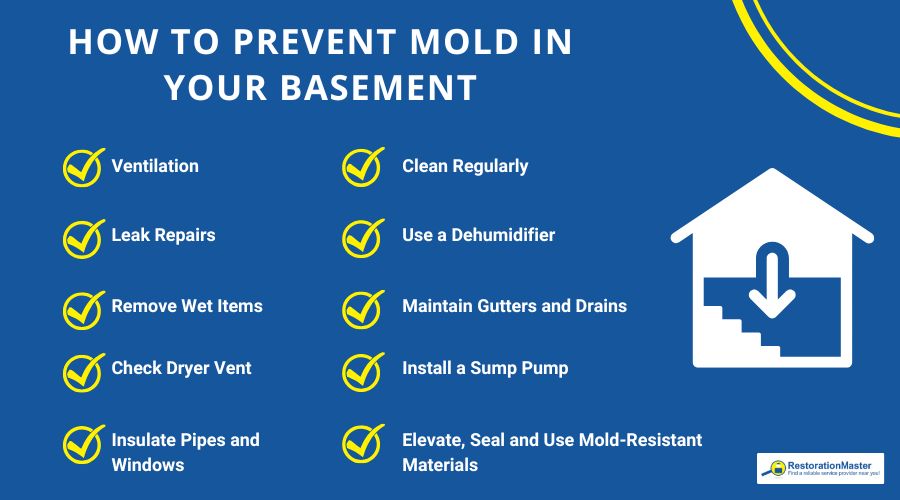
- VentilationVentilation is the process of exchanging or circulating air ... More: Make sure your basement is well-ventilated. Open doors and windows regularly, and use fans if necessary to keep the air circulating.
- Leak Repairs: Inspect the foundation, walls, and pipes for leaks. Fix any issues promptly to prevent water from seeping into the basement.
- Remove Wet Items: Get rid of any damp items like books, clothes, or other materials that could increase moisture levels in the basement.
- Check Dryer Vent: Ensure your dryer vent is properly venting to the outside. A clogged vent can trap moisture, raising humidityHumidity is the amount of moisture or water vapor present in... More levels. Check the vent from the outside while the dryer is running to make sure it’s working correctly.
- Insulate Pipes and Windows: Prevent condensation during colder months by insulating pipes and windows. Fiberglass insulationInsulation is a material used in buildings to reduce the tra... More and pipe sleeves work well to reduce moisture build-up.
- Clean Regularly: Keep the basement clean by regularly vacuuming and dusting to eliminate potential moldMold is a type of fungus that grows in damp or humid conditi... More breeding grounds.
- Use a DehumidifierA dehumidifier is a device that removes excess moisture from... More: Run a dehumidifier to keep the humidityHumidity is the amount of moisture or water vapor present in... More level below 60%. This helps remove excess moisture from the air, making the environment less inviting for moldMold is a type of fungus that grows in damp or humid conditi... More.
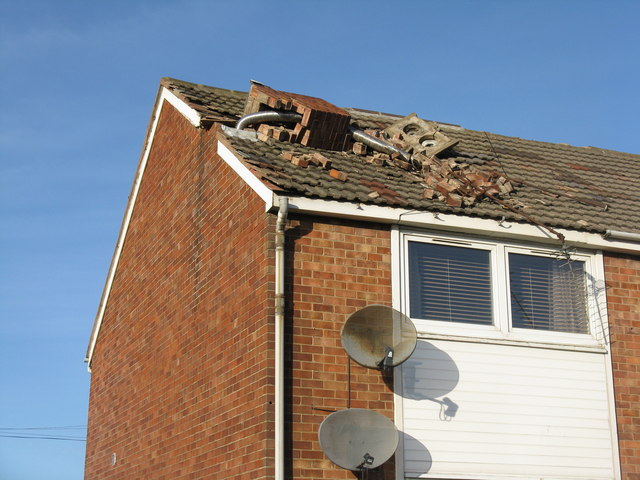
- Maintain Gutters and Drains: Ensure gutters and drainage pipes are clear of debris to direct rainwater away from your home’s foundation.
- Install a Sump PumpA sump pump is a pump installed in a basement or crawlspace ... More: Use a sump pump to remove any water that accumulates in the basement. Regularly check and maintain the sump pumpA sump pump is a pump installed in a basement or crawlspace ... More to ensure it functions properly.
- Elevate and Seal: Elevate items off the basement floor to protect them from potential water damage. Use waterproof storage solutions and seal any cracks in walls or floors to minimize moisture intrusion.
- Use Mold-Resistant Materials: Consider using mold-resistant drywall and paint in your basement or opt for materials that are less susceptible to moldMold is a type of fungus that grows in damp or humid conditi... More growth.
Call Mold Remediation Services
The basement is the most vulnerable area in the home to high moisture levels which creates the ideal environment for moldMold is a type of fungus that grows in damp or humid conditi... More to thrive. By following these tips, you can help prevent moldMold is a type of fungus that grows in damp or humid conditi... More from growing in your basement by reducing the moisture level.
However, if you discover significant moldMold is a type of fungus that grows in damp or humid conditi... More growth in your home, it is best to call a mold remediation company to make sure you and your family are safe.
Frequently Asked Questions
What does mold in a basement look like?
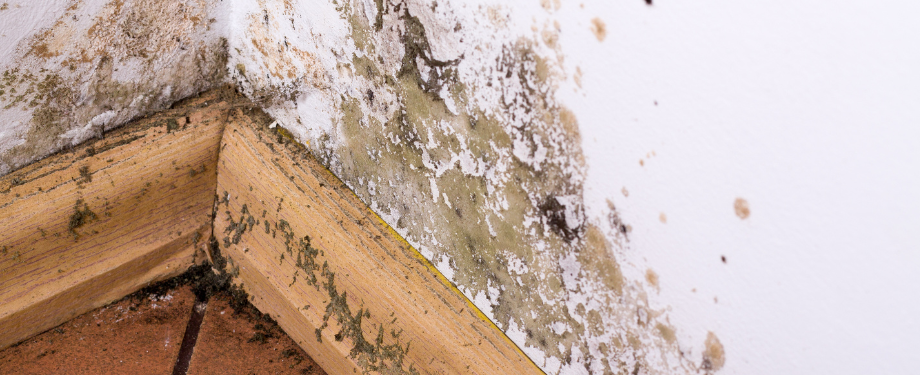
MoldMold is a type of fungus that grows in damp or humid conditi... More in a basement can look quite different depending on its type, but there are some common features to watch for. You might see black or dark green moldMold is a type of fungus that grows in damp or humid conditi... More, which can be particularly concerning as it’s often linked to toxic varieties. White moldMold is a type of fungus that grows in damp or humid conditi... More usually appears fluffy or cottony, while gray moldMold is a type of fungus that grows in damp or humid conditi... More might look dusty. Yellow and brown moldMold is a type of fungus that grows in damp or humid conditi... More often shows up on damp wood or drywall.
In terms of texture, moldMold is a type of fungus that grows in damp or humid conditi... More can feel soft and fluffy like cotton, or it might have a slimy, wet appearance. Sometimes, it can even look dry and powdery.
You’ll typically find moldMold is a type of fungus that grows in damp or humid conditi... More on walls and ceilings, where it may create discolored patches or stains, as well as on floors—especially in damp areas like carpets or wooden surfaces. Don’t forget to check hidden corners, which are prime spots for moldMold is a type of fungus that grows in damp or humid conditi... More growth. If you notice a musty smell, that’s often a sign that moldMold is a type of fungus that grows in damp or humid conditi... More is present, even if you can’t see it
How to get rid of mold smell in basement?
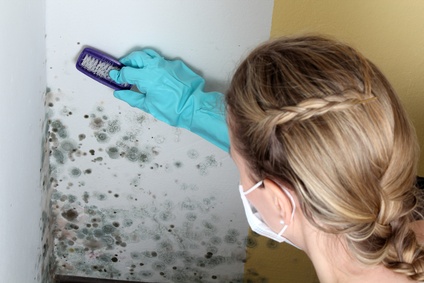
MoldMold is a type of fungus that grows in damp or humid conditi... More can be removed using baking soda and vinegar. Start by checking your basement for any visible moldMold is a type of fungus that grows in damp or humid conditi... More on the walls, ceilings, and floors. If you find any, mix equal parts of vinegar and water in a spray bottle and spray it on the affected areas. Let it sit for a few hours, then scrub with a brush. For tougher spots, sprinkle baking soda directly on the moldMold is a type of fungus that grows in damp or humid conditi... More, then spray the vinegar solutionA solution is a homogeneous mixture of two or more substance... More over it. This fizzy reaction helps lift the moldMold is a type of fungus that grows in damp or humid conditi... More away.
To get rid of that musty smell, improve airflow by opening windows and doors or using fans. A dehumidifierA dehumidifier is a device that removes excess moisture from... More can also help reduce moisture levels in the basement; aim to keep humidityHumidity is the amount of moisture or water vapor present in... More below 60% to prevent moldMold is a type of fungus that grows in damp or humid conditi... More from returning.
Can mold in basement affect upstairs?
MoldMold is a type of fungus that grows in damp or humid conditi... More in the basement can definitely affect the upstairs areas of your home. MoldMold is a type of fungus that grows in damp or humid conditi... More sporesSpores are microscopic reproductive units of fungi or mold t... More are lightweight and can easily become airborne, spreading through the air and circulating throughout the house. If there’s moldMold is a type of fungus that grows in damp or humid conditi... More growing in the basement, these sporesSpores are microscopic reproductive units of fungi or mold t... More can travel through vents, cracks, and other openings, potentially leading to moldMold is a type of fungus that grows in damp or humid conditi... More growth in bedrooms and living spaces upstairs.
Additionally, the musty smell that often comes with moldMold is a type of fungus that grows in damp or humid conditi... More can seep through the floors and walls, creating an unpleasant odorAn odor is a smell, often detectable by the human nose, whic... More that can linger throughout the entire house. If the moldMold is a type of fungus that grows in damp or humid conditi... More in the basement is due to high humidityHumidity is the amount of moisture or water vapor present in... More or moisture issues, those conditions can also make their way upstairs, creating a damp environment that encourages moldMold is a type of fungus that grows in damp or humid conditi... More growth.

About Vince Sandri
Vince Sandri is a content writer and blogger with more than 12 years of experience. His expertise is in creating content related to disaster restorationRestoration is the process of returning a property to its pr... More, including information about preventing and reacting to natural disasters like floodingFlooding is the overflow or accumulation of water in areas t... More, water damage, fire and smoke damage, moldMold is a type of fungus that grows in damp or humid conditi... More growth, storm damage and more.
Vince has been the main contributor to RestorationMasterFinder.com since 2014. Over that time, he has written numerous service pages and blogs for disaster restorationRestoration is the process of returning a property to its pr... More providers featured on RestorationMasterFinder.com. Vince has done extensive research and covered a wide range of topics relating to disaster restorationRestoration is the process of returning a property to its pr... More to help homeowners, business owners, and property managers better protect their property. He understands the problems that disasters like floodingFlooding is the overflow or accumulation of water in areas t... More, fire, smoke, and moldMold is a type of fungus that grows in damp or humid conditi... More can cause as well as the best ways to respond to these issues to limit the damage.
Vince completed his Bachelor of Arts degree at Aurora University and his master’s degree at DePaul University. He has been writing SEO website pages, blogs, and press releases since 2012. Vince is also a musician and can be seen playing in the Chicago, IL area.