



Mold Prevention in Your Vacation Homes and Cabins
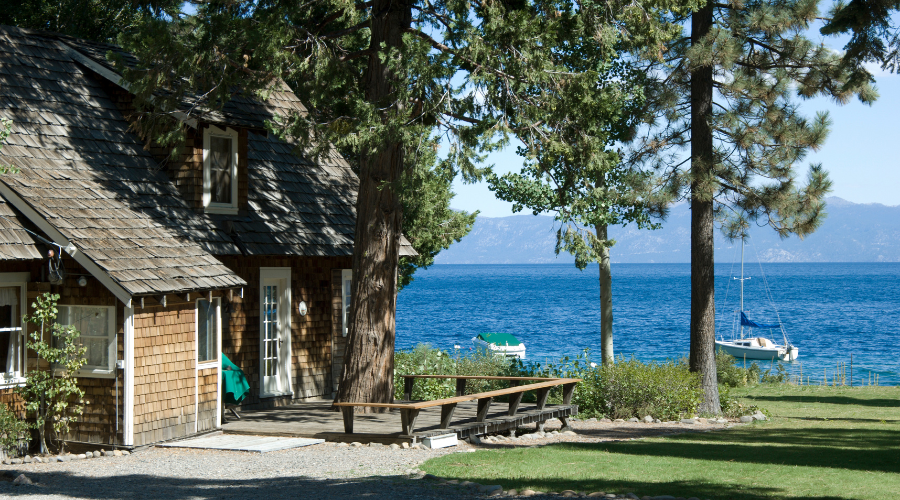
While vacation homes offer a wonderful opportunity to relax and recharge, it’s important to be aware of potential issues that can arise. For seasonal homes, it’s easy to miss issues since no one is around regularly. One common problem that can develop is moldMold is a type of fungus that grows in damp or humid conditi... More.
MoldMold is a type of fungus that grows in damp or humid conditi... More not only poses a threat to your health but can also leadLead is a heavy metal that can be toxic to humans, especiall... More to costly damage to the property. So, let’s dive in and learn how to keep your vacation getaway mold-free and enjoyable.
Identifying Signs of Mold in Vacation Homes and Cabins
When it comes to maintaining a safe and healthy environment for your guests in vacation homes and cabins, identifying signs of moldMold is a type of fungus that grows in damp or humid conditi... More is crucial.
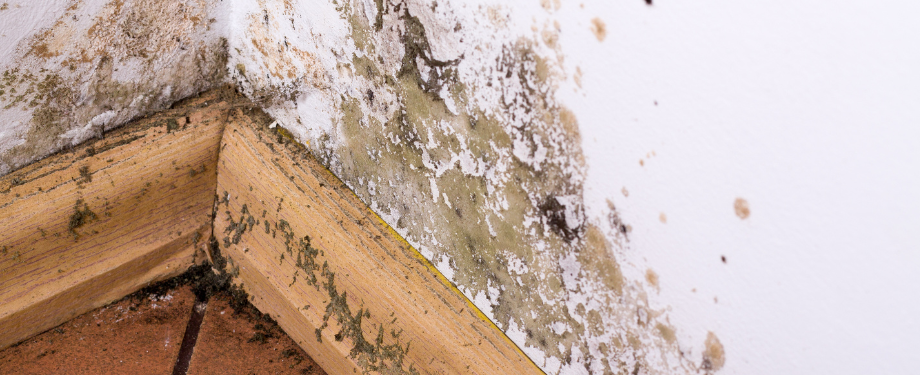
One of the most common signs of moldMold is a type of fungus that grows in damp or humid conditi... More in vacation homes and cabins is a musty odorAn odor is a smell, often detectable by the human nose, whic... More. If you notice a persistent musty smell, especially in areas prone to moisture such as bathrooms, kitchens, or basements, it could indicate the presence of moldMold is a type of fungus that grows in damp or humid conditi... More. Additionally, visible signs of moldMold is a type of fungus that grows in damp or humid conditi... More growth, such as black, green, or brown spots on walls, ceilings, or other surfaces, should not be ignored.
Other signs to look out for include water stains or discoloration on walls or ceilings, peeling or bubbling paint, warped or discolored wood, and an increase in allergy symptoms or respiratory issues among guests or staff. If you or your guests experience unexplained health issues while staying at your vacation home, moldMold is a type of fungus that grows in damp or humid conditi... More could be the culprit.
It’s important to conduct regular inspections for moldMold is a type of fungus that grows in damp or humid conditi... More in your vacation home, especially in areas prone to moisture or water damage. Taking proactive measures to identify and address moldMold is a type of fungus that grows in damp or humid conditi... More promptly can help protect the health and safety of your guests and prevent costly damage to your property. If you suspect moldMold is a type of fungus that grows in damp or humid conditi... More in your vacation home, it’s best to consult with a certified mold remediationMold remediation is the process of identifying, removing, an... Moreremediation companyA remediation company is a business specializing in cleaning... More to assess the situation and take appropriate action. Don’t let moldMold is a type of fungus that grows in damp or humid conditi... More jeopardize the comfort and well-being of your guests – stay vigilant and proactive in identifying and addressing any signs of moldMold is a type of fungus that grows in damp or humid conditi... More in your vacation home or cabin.
Special considerations to prevent mold for seasonal properties
Seasonal properties, such as summer homes and cabins, require special considerations when it comes to preventing moldMold is a type of fungus that grows in damp or humid conditi... More growth. Since these properties are often closed up for extended periods of time, it is essential to take proactive measures to keep moldMold is a type of fungus that grows in damp or humid conditi... More at bay. Here are some tips to help prevent moldMold is a type of fungus that grows in damp or humid conditi... More in your seasonal property:
- Regular Inspections: Schedule routine inspections of your seasonal property to check for any signs of water damage, leaks, or moisture buildup. Addressing these issues promptly can help prevent moldMold is a type of fungus that grows in damp or humid conditi... More growth before it becomes a more serious problem.
- Proper VentilationVentilation is the process of exchanging or circulating air ... More: Ensure that your seasonal property is well-ventilated to allow fresh air to circulate and prevent humidityHumidity is the amount of moisture or water vapor present in... More levels from rising. Consider installing exhaust fans in bathrooms and kitchens, and opening windows periodically to let in fresh air.
- Monitor HumidityHumidity is the amount of moisture or water vapor present in... More Levels: Keep an eye on indoor humidityHumidity is the amount of moisture or water vapor present in... More levels and take steps to maintain them between 30-50%. Use dehumidifiers in areas prone to high humidityHumidity is the amount of moisture or water vapor present in... More, such as bathrooms, basements, and attics, to help prevent moldMold is a type of fungus that grows in damp or humid conditi... More growth.
- Insulate and Seal: Proper insulationInsulation is a material used in buildings to reduce the tra... More and sealing of windows, doors, and other openings can help prevent moisture from entering your seasonal property. Consider using moisture-resistant materials and mold-resistant paints to further protect against moldMold is a type of fungus that grows in damp or humid conditi... More growth.
- Conduct Air Quality Testing: Consider conducting air quality testing in your seasonal property to ensure that there are no hidden sources of moldMold is a type of fungus that grows in damp or humid conditi... More or other contaminants. Professional air quality testing can help identify any potential issues and allow you to take appropriate remediation steps.
- Professional Mold RemediationMold remediation is the process of identifying, removing, an... More: If you suspect moldMold is a type of fungus that grows in damp or humid conditi... More in your seasonal property, it is essential to hire a certified mold remediation company to safely and effectively remove the moldMold is a type of fungus that grows in damp or humid conditi... More. Taking quick action to address moldMold is a type of fungus that grows in damp or humid conditi... More issues can help prevent further damage and ensure the safety of your guests.
By following these special considerations for preventing moldMold is a type of fungus that grows in damp or humid conditi... More in seasonal properties, you can help ensure a safe and healthy environment for yourself and your guests. Taking proactive measures to prevent moldMold is a type of fungus that grows in damp or humid conditi... More growth can save you time, money, and hassle in the long run. Remember that preventionPrevention refers to actions taken to reduce the likelihood ... More is key when it comes to keeping moldMold is a type of fungus that grows in damp or humid conditi... More at bay in your seasonal property.
Managing mold issues in remote locations
Dealing with moldMold is a type of fungus that grows in damp or humid conditi... More in remote vacation properties can present unique challenges, especially when access to professional remediation companies and resourcesResources include tools, personnel, equipment, and materials... More is limited. However, it is essential to address moldMold is a type of fungus that grows in damp or humid conditi... More issues promptly to ensure the health and safety of guests and staff.
One key strategy for managing moldMold is a type of fungus that grows in damp or humid conditi... More in remote locations is to conduct regular inspections and maintenanceMaintenance is the routine care, inspection, and repair of a... More checks to identify any potential water damage or moldMold is a type of fungus that grows in damp or humid conditi... More growth early on. This proactive approach can help prevent moldMold is a type of fungus that grows in damp or humid conditi... More from spreading and causing further damage to the property.
In remote locations where professional remediation services may not be readily available, property owners can take steps to remediate moldMold is a type of fungus that grows in damp or humid conditi... More themselves, following proper safety precautions and guidelines. This may include wearing protective gear, using proper cleaning solutions, and ensuring proper ventilationVentilation is the process of exchanging or circulating air ... More during the remediation process.
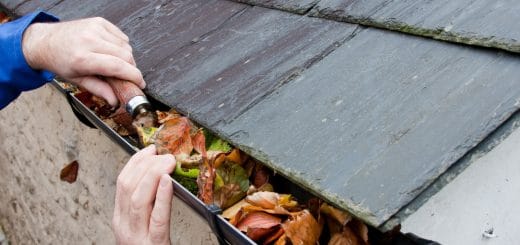
In addition to remediation efforts, implementing effective moldMold is a type of fungus that grows in damp or humid conditi... More preventionPrevention refers to actions taken to reduce the likelihood ... More strategies is crucial. This may involve diverting water away from the property, maintaining gutters and drainage systems, and ensuring proper ventilationVentilation is the process of exchanging or circulating air ... More to reduce moisture levels indoors.
Furthermore, educating guests and staff about moldMold is a type of fungus that grows in damp or humid conditi... More awareness and preventionPrevention refers to actions taken to reduce the likelihood ... More can help create a collaborative effort in managing moldMold is a type of fungus that grows in damp or humid conditi... More issues in remote locations. Providing information on how to identify signs of moldMold is a type of fungus that grows in damp or humid conditi... More, report any concerns, and maintain proper ventilationVentilation is the process of exchanging or circulating air ... More can help prevent moldMold is a type of fungus that grows in damp or humid conditi... More growth and ensure a safe and healthy environment for all.

About Ryan Mason
An expert in the disaster restorationRestoration is the process of returning a property to its pr... More industry, Ryan’s journey began at the age of 15, mobilizing across the United States to areas affected by flood, hurricanes and other natural disasters. He is the co-owner of ServiceMaster By Mason since 2001, and has provided restorationRestoration is the process of returning a property to its pr... More and specialty cleaning services to thousands of businesses big-and-small, including assisting with the clean-up efforts at the Boston Public Library after a water-main break and the Pentagon after the 9/11 attacks. Ryan is certified with the Professional MoldMold is a type of fungus that grows in damp or humid conditi... More InspectionInspection is the careful examination and assessment of a pr... More Institute to conduct Air Quality Testing and has received the following IICRC Certifications: ASD, WRT, FSRT, AMRT, and OCT as well as ANMAR and HAZWOPER certifications.