


5 Reasons to Do a Professional Mold Inspection After Water Damage
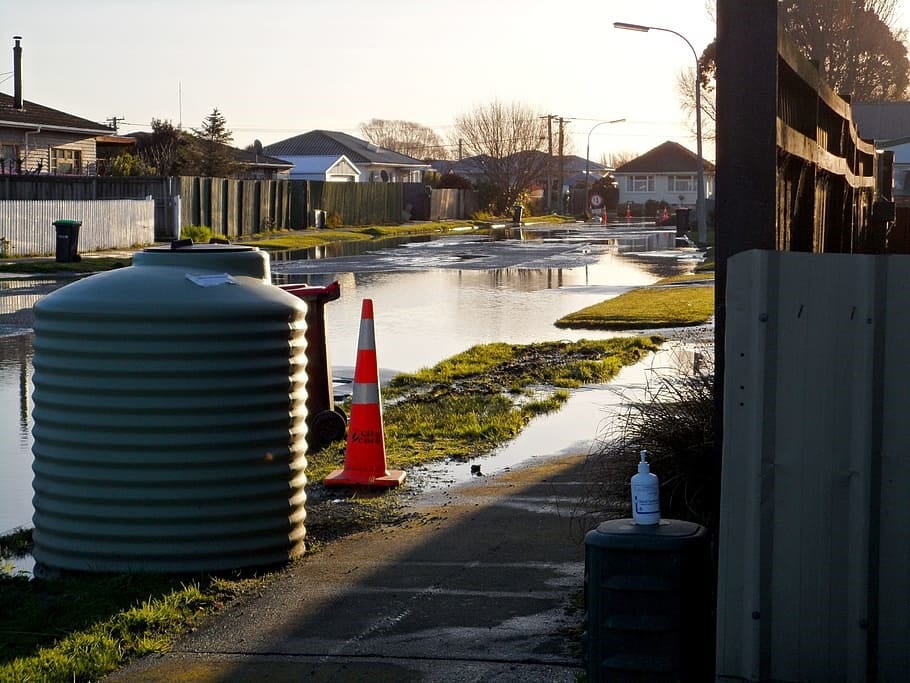
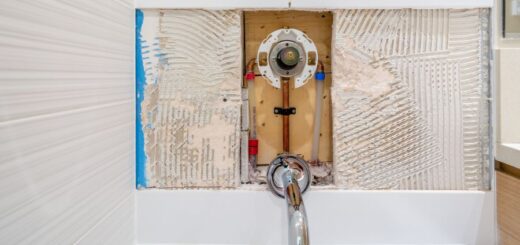
A water damaged home needs massive work to rid it of water
Water damage is a huge problem for homeowners and there are many ways water can enter a home and cause damage. It may be the result of a leaking roof or a broken window. It can be caused by damaged plumbing or overflowing sinks. Or it could be due to floodingFlooding is the overflow or accumulation of water in areas t... More from a natural disaster.
The trouble with water damage is how hard it is to detect. Water can be secretly damaging the walls, floors, and ceilings in a home long before it is discovered. When the problem is eventually found, the process of fixing it can be extensive, expensive, and time-consuming.
A water damaged home needs massive work to rid it of water. The contents of the home must be dried out. Depending on how much water has entered the home and how long it was there, walls and floors may need to be replaced. If your home has sustained serious water damage, a professional water damage restoration provider can help dry and restore your home. But even after this is done, it is not always the end of the problem.
Homeowners whose homes have suffered water damage often think that once the home is dried out, the problem is now solved. But as Onsite Property Services points out, dryingDrying is the process of removing moisture from materials, s... More the home is just one part of solving the problem. Water damage also exposes the home to another type of problem that is not always visible.
It creates an environment for moldMold is a type of fungus that grows in damp or humid conditi... More to grow in the home.
Why mold is likely after water damage
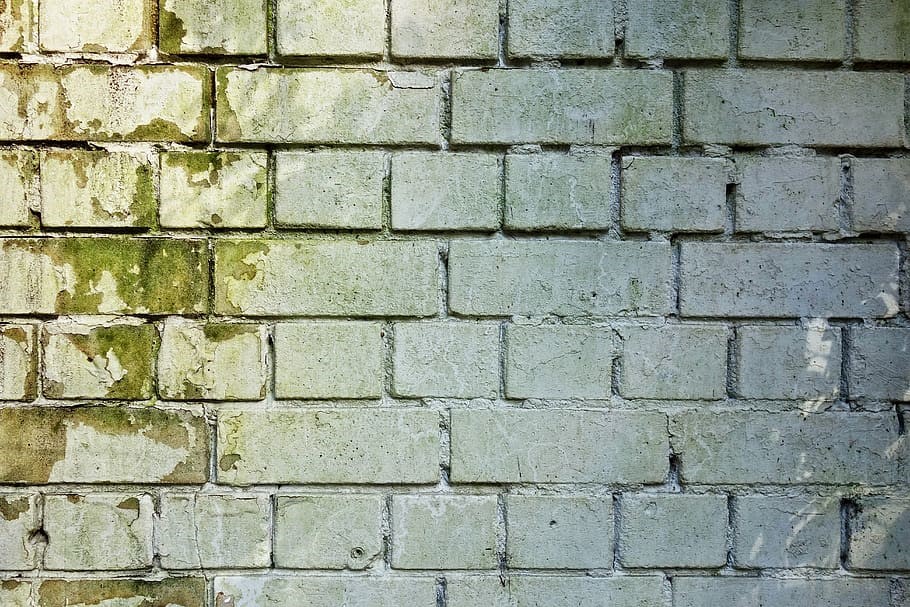
A home that has experienced water damage may become conducive to moldMold is a type of fungus that grows in damp or humid conditi... More growth
Water damaged homes, even after they are dried out, may retain characteristics that make them a favorable place for moldMold is a type of fungus that grows in damp or humid conditi... More growth. Factors that make a home attractive to moldMold is a type of fungus that grows in damp or humid conditi... More are:
- Warmth: MoldMold is a type of fungus that grows in damp or humid conditi... More needs an optimal temperature of around 77 to 86 °F (25 to 30 °C) to flourish.
- High humidityHumidity is the amount of moisture or water vapor present in... More: MoldMold is a type of fungus that grows in damp or humid conditi... More cannot survive in a place unless there is lots of moisture in the atmosphere.
- Poor ventilationVentilation is the process of exchanging or circulating air ... More: Poor ventilationVentilation is the process of exchanging or circulating air ... More encourages moldMold is a type of fungus that grows in damp or humid conditi... More growth. It helps those parts of the home that do not have a lot of airflow remain warm and humid.
- Little to no sunlight exposure: MoldMold is a type of fungus that grows in damp or humid conditi... More also likes places that are dark; areas with zero or irregular sunlight exposure.
- Food sources: MoldMold is a type of fungus that grows in damp or humid conditi... More needs food to survive. The materials it grows on is what it feeds on, wood, drywall, fabric, paper, concrete, roof shingles, etc.
A home that has experienced water damage may become conducive to moldMold is a type of fungus that grows in damp or humid conditi... More growth due to the high moisture contentMoisture content is the amount of water present in a materia... More of its internal atmosphere. In those areas of the home where high relative humidityRelative humidity (RH) is the percentage of moisture in the ... More couples with the other factors for moldMold is a type of fungus that grows in damp or humid conditi... More growth, moldMold is a type of fungus that grows in damp or humid conditi... More may take hold.
After water damage, some of the areas likely to harbor moldMold is a type of fungus that grows in damp or humid conditi... More are:
- Behind drywalls: Spaces behind drywall are dark, poorly ventilated, rich in nutrients, and the drywall may also trap water.
- In attics, basements, and crawlspaces: These places are typically dark and poorly aerated. Coupled with recent water-damage, this makes them great for moldMold is a type of fungus that grows in damp or humid conditi... More growth
- Beneath carpets, tiles, and floors: MoldMold is a type of fungus that grows in damp or humid conditi... More will grow under carpets because carpet traps water that evaporates from the floors. The spaces below flooring materials or wall, ceiling, and floor tiles make a great place for moldMold is a type of fungus that grows in damp or humid conditi... More to grow.
- Other areas: MoldMold is a type of fungus that grows in damp or humid conditi... More may also grow in closets, below the sink, and in any place where the factors for moldMold is a type of fungus that grows in damp or humid conditi... More growth happen to converge.
How to prevent mold invasion after water damage

After water damage, you should have the entire building inspected for moldMold is a type of fungus that grows in damp or humid conditi... More
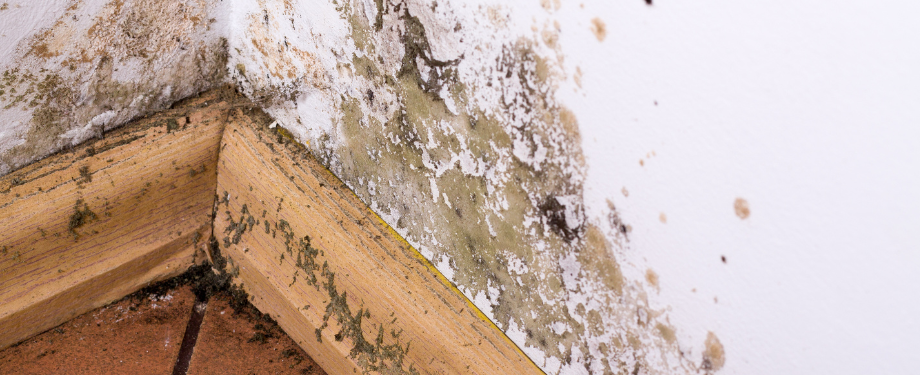
MoldMold is a type of fungus that grows in damp or humid conditi... More can be incredibly hard to spot, due to the areas of the home where the fungus likes to hide. MoldMold is a type of fungus that grows in damp or humid conditi... More may be proliferating in a home without the homeowner ever knowing it. But this does not prevent the moldMold is a type of fungus that grows in damp or humid conditi... More from creating a poor environment for everyone living in the home.
MoldMold is a type of fungus that grows in damp or humid conditi... More invasion of the home will:
- Predispose the people who live in it to illness
- It will decay the structures, systems, and contents of the home and increase its wear and tear.
- It will diminish the physical appearance of the home.
- And it will damage the market value of the property.
The way to stop this is to eliminate all chances of moldMold is a type of fungus that grows in damp or humid conditi... More hiding in your home. After water damage, you should have the entire building inspected for moldMold is a type of fungus that grows in damp or humid conditi... More. The best way to ensure nothing is missed is by scheduling a water damage inspectionInspection is the careful examination and assessment of a pr... More, followed by a thorough moldMold is a type of fungus that grows in damp or humid conditi... More assessment.
Homeowners may not know what to look for or where to look when inspecting their own home for moldMold is a type of fungus that grows in damp or humid conditi... More. On the other hand, hiring a professional moldMold is a type of fungus that grows in damp or humid conditi... More inspector guarantees the best results because:
1. Water is highly mobile
There is no telling where water may go after it is released. The result is that moldMold is a type of fungus that grows in damp or humid conditi... More can grow in the unlikeliest areas of the home. These are places homeowners would not check, which professional moldMold is a type of fungus that grows in damp or humid conditi... More inspectors, due to their experience, will know to inspect.
2. Mold can lurk in the HVAC system
MoldMold is a type of fungus that grows in damp or humid conditi... More in the HVAC system is a tricky situation to deal with and one that is highly plausible after water damage. If there is moldMold is a type of fungus that grows in damp or humid conditi... More in the HVAC system, getting rid of moldMold is a type of fungus that grows in damp or humid conditi... More in the rest of the home will not work because the air from the HVAC will simply recirculate the moldMold is a type of fungus that grows in damp or humid conditi... More sporesSpores are microscopic reproductive units of fungi or mold t... More around the home.
3. They can identify mold before it becomes visible
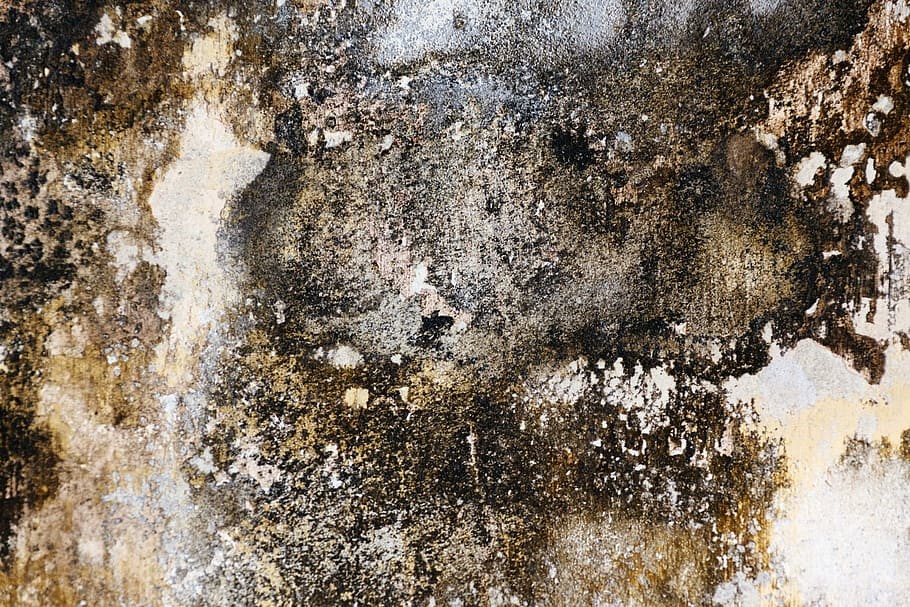
There are many health conditions that are tied to the presence of moldMold is a type of fungus that grows in damp or humid conditi... More in a home
As a homeowner inspecting your home for moldMold is a type of fungus that grows in damp or humid conditi... More, you are limited to spotting moldMold is a type of fungus that grows in damp or humid conditi... More only when it becomes visible. But moldMold is a type of fungus that grows in damp or humid conditi... More can be in your home without any signs of visible growth at first. Professional moldMold is a type of fungus that grows in damp or humid conditi... More inspectors can detect moldMold is a type of fungus that grows in damp or humid conditi... More even when it is not clearly apparent.
4. Mold is a health hazard
There are many health conditions that are tied to the presence of moldMold is a type of fungus that grows in damp or humid conditi... More in a home. Even insignificant amounts of moldMold is a type of fungus that grows in damp or humid conditi... More will predispose small children and elderly people to respiratory problems and allergic attacks. This problem is only solved by eliminating the moldMold is a type of fungus that grows in damp or humid conditi... More.
5. They will identify additional sources of moisture
A professional moldMold is a type of fungus that grows in damp or humid conditi... More inspector will do more than look for moldMold is a type of fungus that grows in damp or humid conditi... More. They will also look for the root causes of the problem beyond the ones a homeowner may be familiar with. For instance, they may help you find sources of moisture that are making your home more vulnerable to invasion by moldMold is a type of fungus that grows in damp or humid conditi... More.
MoldMold is a type of fungus that grows in damp or humid conditi... More and water damage go hand-in-hand; moldMold is a type of fungus that grows in damp or humid conditi... More is the natural outcome of water damage. If you have not made sure there is no moldMold is a type of fungus that grows in damp or humid conditi... More in your home, you have not finished dealing with the water problem. Without a professional moldMold is a type of fungus that grows in damp or humid conditi... More inspectionInspection is the careful examination and assessment of a pr... More, the water incidentAn incident is an event or occurrence that causes damage, di... More may just continue to do insidious damage to your home.
While a professional moldMold is a type of fungus that grows in damp or humid conditi... More inspector can find all instances of moldMold is a type of fungus that grows in damp or humid conditi... More growth in your home, they are often not trained or equipped to remove the moldMold is a type of fungus that grows in damp or humid conditi... More growth. If moldMold is a type of fungus that grows in damp or humid conditi... More is found, you need to call a mold remediation specialist immediately to have the moldMold is a type of fungus that grows in damp or humid conditi... More removed.

About Vince Sandri
Vince Sandri is a content writer and blogger with more than 12 years of experience. His expertise is in creating content related to disaster restorationRestoration is the process of returning a property to its pr... More, including information about preventing and reacting to natural disasters like floodingFlooding is the overflow or accumulation of water in areas t... More, water damage, fire and smoke damage, moldMold is a type of fungus that grows in damp or humid conditi... More growth, storm damage and more.
Vince has been the main contributor to RestorationMasterFinder.com since 2014. Over that time, he has written numerous service pages and blogs for disaster restorationRestoration is the process of returning a property to its pr... More providers featured on RestorationMasterFinder.com. Vince has done extensive research and covered a wide range of topics relating to disaster restorationRestoration is the process of returning a property to its pr... More to help homeowners, business owners, and property managers better protect their property. He understands the problems that disasters like floodingFlooding is the overflow or accumulation of water in areas t... More, fire, smoke, and moldMold is a type of fungus that grows in damp or humid conditi... More can cause as well as the best ways to respond to these issues to limit the damage.
Vince completed his Bachelor of Arts degree at Aurora University and his master’s degree at DePaul University. He has been writing SEO website pages, blogs, and press releases since 2012. Vince is also a musician and can be seen playing in the Chicago, IL area.