



What’s the Difference Between Mold Removal and Mold Remediation?
MoldMold is a type of fungus that grows in damp or humid conditi... More sporesSpores are microscopic reproductive units of fungi or mold t... More are pervasive fungiFungi are a group of organisms, including mold, mildew, and ... More. The natural environment teems with over 100,000 variations of moldMold is a type of fungus that grows in damp or humid conditi... More. When airborne sporesSpores are microscopic reproductive units of fungi or mold t... More maneuver their way into a building, though, the results are disastrous. Immediate mold remediationMold remediation is the process of identifying, removing, an... More is necessary to keep moldMold is a type of fungus that grows in damp or humid conditi... More from damaging the property and causing health concerns.
The Difference Between Mold Removal and Mold Remediation
The difference between moldMold is a type of fungus that grows in damp or humid conditi... More removal and mold remediationMold remediation is the process of identifying, removing, an... More is that moldMold is a type of fungus that grows in damp or humid conditi... More removal is physically removing all moldMold is a type of fungus that grows in damp or humid conditi... More sporesSpores are microscopic reproductive units of fungi or mold t... More while mold remediationMold remediation is the process of identifying, removing, an... More focuses on returning moldMold is a type of fungus that grows in damp or humid conditi... More levels to normal, natural levels.
The terms Mold remediationMold remediation is the process of identifying, removing, an... More and moldMold is a type of fungus that grows in damp or humid conditi... More removal are interchangeable. However, achieving the latter is impossible. Since airborne moldMold is a type of fungus that grows in damp or humid conditi... More sporesSpores are microscopic reproductive units of fungi or mold t... More are microscopic and abound in both the outdoor and indoor environments, it is technically impossible to remove all moldMold is a type of fungus that grows in damp or humid conditi... More in the atmosphere.
Mold remediationMold remediation is the process of identifying, removing, an... More of a mold-infested property will return moldMold is a type of fungus that grows in damp or humid conditi... More levels to an acceptable, natural level. Bear in mind there is no such thing as completely removing moldMold is a type of fungus that grows in damp or humid conditi... More from the environment. The remediation process will just clean up the sporesSpores are microscopic reproductive units of fungi or mold t... More so moldMold is a type of fungus that grows in damp or humid conditi... More levels are no longer harmful to the building or its inhabitants.
When a moldMold is a type of fungus that grows in damp or humid conditi... More outbreak is extensive (equal to or greater than 10 square feet), consulting a professional mold remediation service is recommended. Property owners can otherwise typically clean up minor moldMold is a type of fungus that grows in damp or humid conditi... More issues. Building owners should recognize when moldMold is a type of fungus that grows in damp or humid conditi... More becomes an issue.
Signs of Mold
Homeowners may fail to realize they have a moldMold is a type of fungus that grows in damp or humid conditi... More problem until someone in the home starts to cough, sneeze, or experience watery eyes, runny nose, and congestion. Sudden allergy symptoms like these usually point to a moldMold is a type of fungus that grows in damp or humid conditi... More infestation in the building.
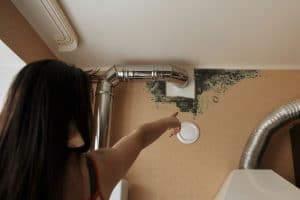
If the moldMold is a type of fungus that grows in damp or humid conditi... More covers an area larger than 10 square feet, it’s best to hire a professional mold remediationMold remediation is the process of identifying, removing, an... Moreremediation companyA remediation company is a business specializing in cleaning... More.
When symptoms disappear when not inside the property, it is a telltale sign that indoor moldMold is a type of fungus that grows in damp or humid conditi... More is the culprit. Some molds are toxic to people and pets. Extremely dangerous molds can trigger life-threatening illness and provoke severe asthma attacks, or even neurological problems.
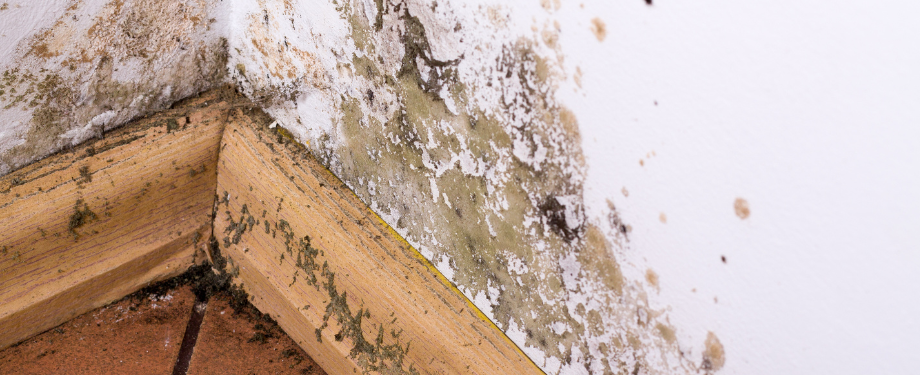
Lingering, musty smells inside the property can reveal the presence of certain molds; not all molds produce odors, however. Visual inspections can also pinpoint moldMold is a type of fungus that grows in damp or humid conditi... More growth. Black, green or white clusters may be moldMold is a type of fungus that grows in damp or humid conditi... More. Some molds that grow behind wallpaper may be orange or pink in color.
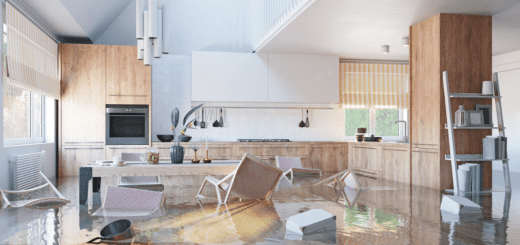
A property that has sustained long-term water damage is susceptible to moldMold is a type of fungus that grows in damp or humid conditi... More growth. MoldMold is a type of fungus that grows in damp or humid conditi... More sporesSpores are microscopic reproductive units of fungi or mold t... More can latch onto damp surfaces within 48 hours. Water leaks also leadLead is a heavy metal that can be toxic to humans, especiall... More to moldMold is a type of fungus that grows in damp or humid conditi... More outbreaks. A stealthy eruption of moldMold is a type of fungus that grows in damp or humid conditi... More can even occur along plumbing systems behind walls.
Common Types of Mold
A professional mold remediation expert will be able to accurately distinguish between toxic moldsToxic molds are types of molds that produce mycotoxins, whic... More and allergenic, household molds. Aspergillus molds, for instance, can cause pulmonary infections in vulnerable individuals. Some types of Aspergillus molds produce mycotoxinsMycotoxins are toxic substances produced by certain types of... More and trigger allergic reactions.
Penicillium molds cause food spoilage. Some types of Penicillium molds produce mycotoxinsMycotoxins are toxic substances produced by certain types of... More. When a Penicillium moldMold is a type of fungus that grows in damp or humid conditi... More outbreak is extensive, it may adversely affect the health of building occupants, causing allergic reactions and hypersensitivity pneumonitis. A musty odorAn odor is a smell, often detectable by the human nose, whic... More reveals the presence of this moldMold is a type of fungus that grows in damp or humid conditi... More.
The removal or cleanup of copious StachybotrysStachybotrys is a type of black mold (often called “black ... More molds from indoor environments must be handled by experienced mold remediationMold remediation is the process of identifying, removing, an... More technicians due to the toxic components these types of sporesSpores are microscopic reproductive units of fungi or mold t... More contain. StachybotrysStachybotrys is a type of black mold (often called “black ... More molds produce mycotoxinsMycotoxins are toxic substances produced by certain types of... More and satratoxins, which are extremely noxious when inhaled.
MoldMold is a type of fungus that grows in damp or humid conditi... More grows wherever there is a food source, like moisture or cellulose.
Why Mold Grows in Your Home
As mentioned, moldMold is a type of fungus that grows in damp or humid conditi... More sporesSpores are microscopic reproductive units of fungi or mold t... More are abundant in the atmosphere. SporesSpores are microscopic reproductive units of fungi or mold t... More are necessary to help decompose natural materials, like leaves. The beneficial aspect of moldMold is a type of fungus that grows in damp or humid conditi... More reverses and becomes harmful when sporesSpores are microscopic reproductive units of fungi or mold t... More latch onto materials inside a building. The moldMold is a type of fungus that grows in damp or humid conditi... More eats away organic substances, causing structural damage.
In dry indoor environments, moldMold is a type of fungus that grows in damp or humid conditi... More is plentiful and is usually not a problem. MoldMold is a type of fungus that grows in damp or humid conditi... More poses as a serious issue only when materials inside a property remain damp for prolonged periods of time. Consistent moisture in combination with an organic food source nourish hungry moldMold is a type of fungus that grows in damp or humid conditi... More sporesSpores are microscopic reproductive units of fungi or mold t... More.
MoldMold is a type of fungus that grows in damp or humid conditi... More feeds on organic materialsOrganic materials are derived from living organisms, such as... More, like the wood in drywall, dust in the property, paper and even carpeting. It is common to find moldMold is a type of fungus that grows in damp or humid conditi... More growing behind the walls, along ceilings and under carpeting—so long as these organic materialsOrganic materials are derived from living organisms, such as... More remain damp for a sustained period of time.
How to Prevent Mold from Spreading
Mold remediation will be ineffective if the water source that caused the moldMold is a type of fungus that grows in damp or humid conditi... More outbreak is left unaddressed. Even if the sporesSpores are microscopic reproductive units of fungi or mold t... More are wiped away, the moldMold is a type of fungus that grows in damp or humid conditi... More colonies will return when ample moisture is available. Repairing the moisture source is critical to stopping the moldMold is a type of fungus that grows in damp or humid conditi... More growth.
A regrowth of moldMold is a type of fungus that grows in damp or humid conditi... More leads to serious structural issues for a building. MoldMold is a type of fungus that grows in damp or humid conditi... More is also indicative of a water problem. Rotting of structural components is a major safety hazard for building occupants. Additional leakage can occur. Failing to address moldMold is a type of fungus that grows in damp or humid conditi... More will also attract unwanted pests.
How to Remove Mold
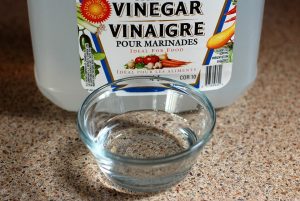 Property owners can usually tackle a small moldMold is a type of fungus that grows in damp or humid conditi... More outbreak. Cleaning up the infestation requires either a vinegar or bleach solutionA solution is a homogeneous mixture of two or more substance... More, both of which are common household staples. Allow the vinegar to sit on the moldMold is a type of fungus that grows in damp or humid conditi... More splotches for two to five minutes and wipe the sporesSpores are microscopic reproductive units of fungi or mold t... More away.
A large outbreak of moldMold is a type of fungus that grows in damp or humid conditi... More requires a professional mold remediationMold remediation is the process of identifying, removing, an... More service. Any company hired should possess industry experience, professional equipment and permits to execute the mold remediationMold remediation is the process of identifying, removing, an... More task. Some companies will also fix the cause of the water damage that led to the initial moldMold is a type of fungus that grows in damp or humid conditi... More growth.
Professional Mold Remediation
Whether you call it mold remediationMold remediation is the process of identifying, removing, an... More or mold removal, eliminating moldMold is a type of fungus that grows in damp or humid conditi... More from indoor areas is critical to preserving the health of inhabitants and the structural integrity of the building. When you need a rapid response to a moldMold is a type of fungus that grows in damp or humid conditi... More outbreak, consult a reputable mold remediationMold remediation is the process of identifying, removing, an... More professional.
Experienced remediation crews arrive onsite quickly to determine the extent of the moldMold is a type of fungus that grows in damp or humid conditi... More growth. They also assess the moisture and humidityHumidity is the amount of moisture or water vapor present in... More levels to see if water damage restorationWater damage restoration is the professional process of clea... More is necessary. Containment of the area prevents sporesSpores are microscopic reproductive units of fungi or mold t... More from contaminating other rooms.
Professional mold remediation processes thoroughly remove the moldMold is a type of fungus that grows in damp or humid conditi... More growth from the property. Materials that are heavily damaged by moldMold is a type of fungus that grows in damp or humid conditi... More are appropriately disposed of. Anti-microbial agents are applied to deter future moldMold is a type of fungus that grows in damp or humid conditi... More growth. Skilled technicians also repairRepair is the act of fixing or restoring damaged property, m... More any goods damaged by moldMold is a type of fungus that grows in damp or humid conditi... More.

About Vince Sandri
Vince Sandri is a content writer and blogger with more than 12 years of experience. His expertise is in creating content related to disaster restorationRestoration is the process of returning a property to its pr... More, including information about preventing and reacting to natural disasters like floodingFlooding is the overflow or accumulation of water in areas t... More, water damage, fire and smoke damage, moldMold is a type of fungus that grows in damp or humid conditi... More growth, storm damage and more.
Vince has been the main contributor to RestorationMasterFinder.com since 2014. Over that time, he has written numerous service pages and blogs for disaster restorationRestoration is the process of returning a property to its pr... More providers featured on RestorationMasterFinder.com. Vince has done extensive research and covered a wide range of topics relating to disaster restorationRestoration is the process of returning a property to its pr... More to help homeowners, business owners, and property managers better protect their property. He understands the problems that disasters like floodingFlooding is the overflow or accumulation of water in areas t... More, fire, smoke, and moldMold is a type of fungus that grows in damp or humid conditi... More can cause as well as the best ways to respond to these issues to limit the damage.
Vince completed his Bachelor of Arts degree at Aurora University and his master’s degree at DePaul University. He has been writing SEO website pages, blogs, and press releases since 2012. Vince is also a musician and can be seen playing in the Chicago, IL area.