






Tips for Removing Mold From Washing Machine
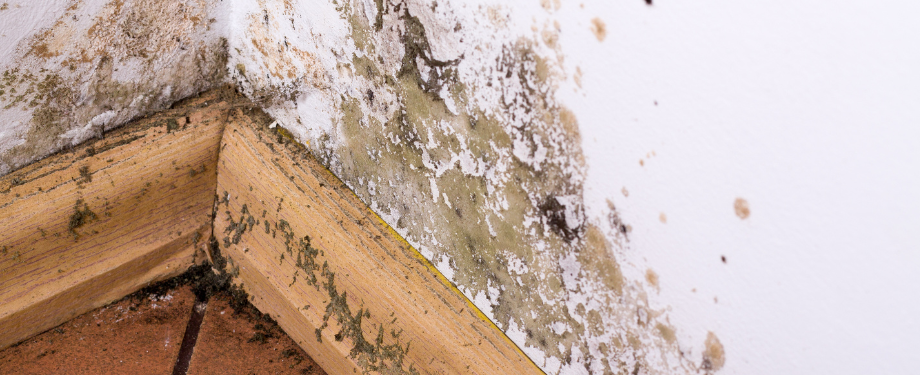
MoldMold is a type of fungus that grows in damp or humid conditi... More and mildewMildew is a type of fungus that grows on damp surfaces, typi... More are not just inconveniences; they can pose serious health risks. They typically thrive in areas with water damage or consistent dampness, and surprisingly, even washing machines aren’t exempt from their presence. In this blog, we’ll discuss how moldMold is a type of fungus that grows in damp or humid conditi... More and mildewMildew is a type of fungus that grows on damp surfaces, typi... More can find their way into washing machines and share practical methods to eliminate them.
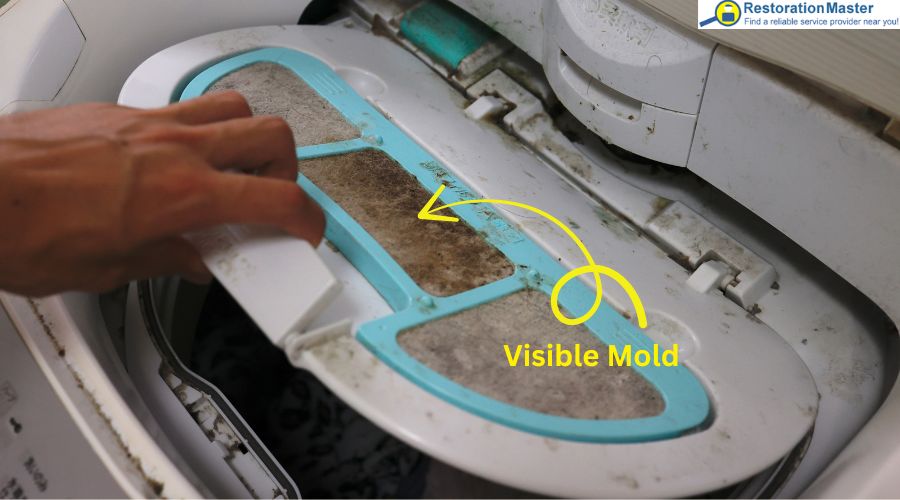
But before we explore solutions, let’s address an important question: How can you determine if your washing machine has moldMold is a type of fungus that grows in damp or humid conditi... More?
Despite the cost-effectiveness and eco-friendly advantages of front-loading washing machines, they are susceptible to moldMold is a type of fungus that grows in damp or humid conditi... More growth. Initially, you might not visually detect the moldMold is a type of fungus that grows in damp or humid conditi... More, but a noticeable musty smell emanating from your machine can be a clear sign. This guide aims to connect the dots between potential risks of moldMold is a type of fungus that grows in damp or humid conditi... More and mildewMildew is a type of fungus that grows on damp surfaces, typi... More in washing machines, offering straightforward steps to identify and eradicate these undesirable odors.
What Kind of Mold Grows in Washing Machine?
Various molds can thrive in washing machines, each with its distinct characteristics:
- Cladosporium: This moldMold is a type of fungus that grows in damp or humid conditi... More, displaying hues of brown, green, or black, flourishes in both warm and cool environments. Notably, Cladosporium has the potential to release toxic moldMold is a type of fungus that grows in damp or humid conditi... More sporesSpores are microscopic reproductive units of fungi or mold t... More when the washing machine is opened and closed.
- Penicillium: Recognizable by its fuzzy texture, Penicillium manifests in shades of blue, green, or yellow. Some variations of Penicillium, such as Penicillium digitatum, are associated with the development of citrus green mold.
- Aspergillus: Exhibiting colors ranging from green to white or gray, Aspergillus is characterized by dark spots and a powdery appearance.
Knowing the unique characteristics of these molds is important for taking the right steps to clean and maintain your washing machine, preventing their growth.
How Mold Develops in a Washing Machine?
MoldMold is a type of fungus that grows in damp or humid conditi... More development in washing machines is a common issue that can arise due to a combination of factors. Here’s a breakdown of the key factors:
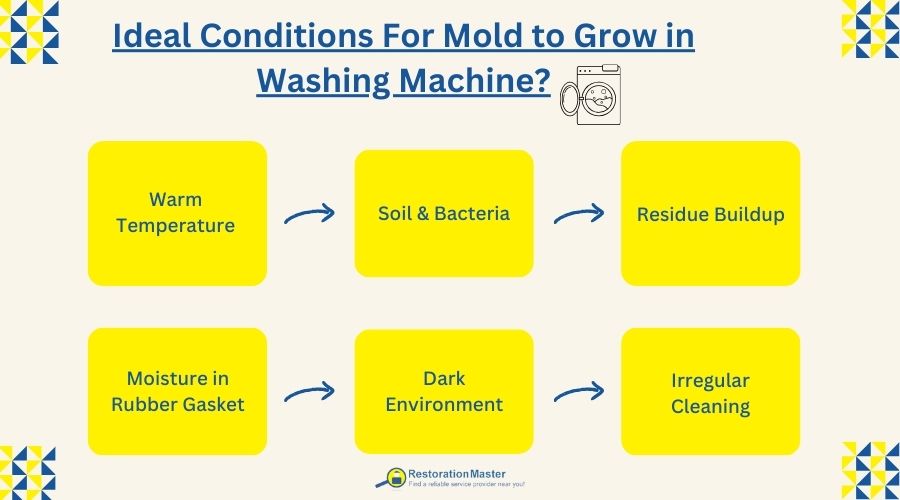
- Warm Temperatures: MoldMold is a type of fungus that grows in damp or humid conditi... More thrives in warm and humid conditions. The residual warmth from previous wash cycles, especially in the confined spaces of a washing machine, creates an environment conducive to moldMold is a type of fungus that grows in damp or humid conditi... More growth.
- Soil and Bacteria: Clothes, especially those soiled with organic matter, can introduce soil and bacteria into the washing machine. These organic substances provide nutrients for moldMold is a type of fungus that grows in damp or humid conditi... More, contributing to its proliferation.
- ResidueResidue is any leftover material, such as soot, dust, or che... More Buildup: Accumulations of detergent and fabric softener residues can form a sticky film on different surfaces inside the washing machine. When these residues come into contact with moisture, they create an ideal environment for moldMold is a type of fungus that grows in damp or humid conditi... More to thrive and multiply.
- Dark Environment: The interior of a washing machine, particularly when not in use, tends to be dark. MoldMold is a type of fungus that grows in damp or humid conditi... More thrives in dark, damp conditions, making the interior of the machine an ideal habitat for its growth.
- Moisture in Hard to Reach Places: Washing machines have crevices, seals, and gaskets where moisture can become trapped. These hard-to-reach places may not dry completely between wash cycles, providing a persistent source of moisture for moldMold is a type of fungus that grows in damp or humid conditi... More development.
- MoldMold is a type of fungus that grows in damp or humid conditi... More Behind Rubber Gasket: Front-load washers commonly have a rubber gasket that seals the door. This area is particularly prone to moldMold is a type of fungus that grows in damp or humid conditi... More growth as water can get trapped in the folds and crevices. The warm and dark environment behind the gasket is an ideal breeding ground for moldMold is a type of fungus that grows in damp or humid conditi... More.
- Irregular Cleaning: Many people neglect the importance of regular maintenanceMaintenance is the routine care, inspection, and repair of a... More and cleaning of the washing machine. Over time, this neglect can leadLead is a heavy metal that can be toxic to humans, especiall... More to the accumulation of moldMold is a type of fungus that grows in damp or humid conditi... More and bacteria.
Tip: Laundry soap and fabric softeners can leave residueResidue is any leftover material, such as soot, dust, or che... More behind that act as food sources for mold spores, and cold-water washes don’t kill moldMold is a type of fungus that grows in damp or humid conditi... More growth. Fortunately, with regular maintenanceMaintenance is the routine care, inspection, and repair of a... More, you can prevent moldMold is a type of fungus that grows in damp or humid conditi... More in your washing machine and protect your investment in your appliance.
How to Clean Washing Machine with Mold?
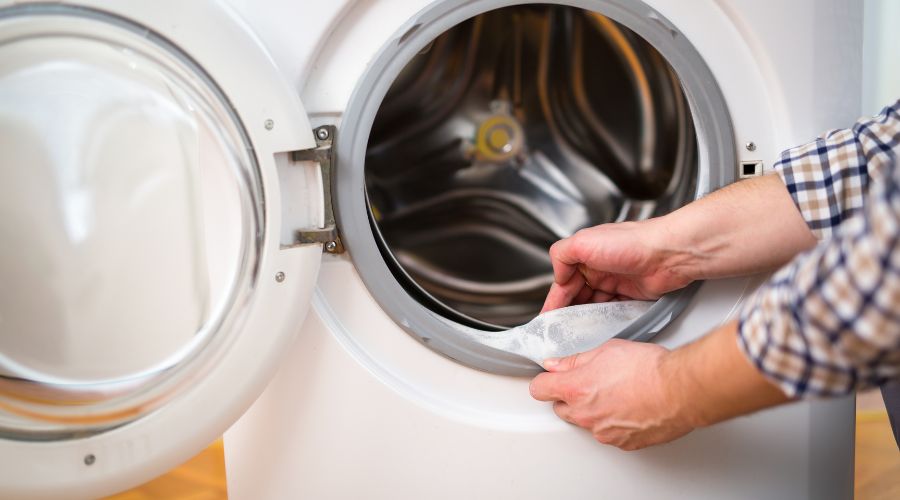
As soon as you discover moldMold is a type of fungus that grows in damp or humid conditi... More in your washing machine, do not delay—follow the guidelines below to effectively remove and clean out the moldMold is a type of fungus that grows in damp or humid conditi... More, ensuring a fresh and hygienic laundry experience.
Follow these tips to learn how to clean mold from your washing machine quickly and easily:
- Clean the gasket. MoldMold is a type of fungus that grows in damp or humid conditi... More and mildewMildew is a type of fungus that grows on damp surfaces, typi... More tend to accumulate in the gasket, especially in front-loading machines. Take a cloth or brush and dip it in warm, soapy water to scrub the gasket thoroughly, eliminating any moldMold is a type of fungus that grows in damp or humid conditi... More or mildewMildew is a type of fungus that grows on damp surfaces, typi... More. Alternatively, use paper towels for cleaning, allowing for easy disposal after use.
- Clean the Washer Door: Give your washer door a thorough cleaning by wiping it down meticulously. Extend your attention to the front and sides of the washer, and don’t forget to include the top and underside of the lid. Take a moment to clean beneath the inside lip of the lid where lint and lingering soap can find their way.
- Trap or Drain Pump MaintenanceMaintenance is the routine care, inspection, and repair of a... More: Check and clean the trap or drain pump regularly. Coins, lint, bra wires, and screws can get lodged in these areas, potentially leading to clogs and fostering moldMold is a type of fungus that grows in damp or humid conditi... More growth.
- Hot Wash Cycle: Run a wash cycle on the hottest setting available on your washing machine. Add a cup of either bleach or vinegar to the cycle. If using bleach, pour it into the designated bleach compartment; for vinegar, use the detergent slot. This helps sanitize the machine and eliminate any lingering odors.
- Baking Soda Application: Baking soda is a natural abrasive and deodorizer. Sprinkle it in the drum of the washing machine to break up moldMold is a type of fungus that grows in damp or humid conditi... More growth and mineral depositsMineral deposits are solid residues left behind when water e... More. This also contributes to a fresher-smelling interior.
- Washing Machine Cleaner: Consider using a specialized washing machine cleaner, such as Affresh. This eco-friendly cleaner is designed to remove moldMold is a type of fungus that grows in damp or humid conditi... More, fungus, and other buildup. For optimal results, use it with hot water according to the product instructions.
- Clean soap/softener dispensers. Remove the dispensers and clean them thoroughly to remove all traces of residueResidue is any leftover material, such as soot, dust, or che... More that can serve as food sources for moldMold is a type of fungus that grows in damp or humid conditi... More. If the dispensers in your machine don’t come out, use a cloth to clean what you can reach and use a bottle brush to reach deep inside the dispensers. Rinse thoroughly.
You may need to repeat these steps more than once to remove all traces of odors, especially if your machine hasn’t been cleaned in a long time. If you still have a moldy washing machine after several cleanings, you may need professional moldMold is a type of fungus that grows in damp or humid conditi... More removal assistance. A repair professional can disassemble the machine to look for moldMold is a type of fungus that grows in damp or humid conditi... More in other places and remove it for you.
How to Prevent Mold Growth in the Washing Machine?
Once your washing machine is free from moldMold is a type of fungus that grows in damp or humid conditi... More growth, take these preventative measures to keep it from coming back:
- Let air circulate. Leave the door open between uses to let air circulate and prevent moisture from building up inside the machine. Do not do this if you have children and/or pets who could climb inside, pull the door closed, and become trapped.
- Remove wet clothes as soon as possible. Don’t let wet clothes stay in the washer for extended periods of time, especially overnight. Many washers have alarms that sound when the cycle is finished, so if yours does, make sure to use it and remove the clothes as soon as the alarm goes off. Make a habit of checking the washer every night before bed to ensure there isn’t a load still inside.
- Choose the right products and the right amounts. High-efficiency (HE) laundry soap doesn’t create as much suds as regular soap, so it won’t leave as much residueResidue is any leftover material, such as soot, dust, or che... More. Use powder when possible; liquid detergents tend to create more suds. Use only the amount recommended for your load sizes, or even less than what the label says. Modern detergents are stronger than the ones in the past, so you might not need as much as you did even five years ago.
- Skip the liquid fabric softener. It can leave a residueResidue is any leftover material, such as soot, dust, or che... More in the washer that leads to moldMold is a type of fungus that grows in damp or humid conditi... More growth. Dryer sheets or reusable dryer balls soften clothes just as well; woolen dryer balls can cut overall dryingDrying is the process of removing moisture from materials, s... More time by absorbing moisture.
- Dry gaskets on a regular basis. Keep an old towel on hand to wipe around the door and around the gasket. They should be dried regularly, preferably after every load, to prevent moisture buildup and moldMold is a type of fungus that grows in damp or humid conditi... More growth.
- Run a bleach cycle. Run a hot water cycle with a cup of bleach through the washing machine once a month. This will kill any growth that may have started or that you may have missed with other cleanings.
Call the Professionals for Mold Removal
Finding moldMold is a type of fungus that grows in damp or humid conditi... More in your home or business is upsetting, but it’s important to remember that mold remediationMold remediation is the process of identifying, removing, an... More is something that’s best left to professionals.
The mold cleanup technicians have the training and equipment to safely remove all traces of moldMold is a type of fungus that grows in damp or humid conditi... More without contaminating the rest of the area or exposing themselves and others to toxic sporesSpores are microscopic reproductive units of fungi or mold t... More. At RestorationMaster, we know that moldMold is a type of fungus that grows in damp or humid conditi... More can hide almost anywhere, so we use effective but safe products to remove them at the source, as well as repairRepair is the act of fixing or restoring damaged property, m... More or replace damaged surfaces. For mold remediationMold remediation is the process of identifying, removing, an... More and cleanup, reach out to our professionals today.
We were featured in a Redfin article! Check it out here: Here’s The Right Way to Clean Your Washing Machine, According To The Pros | Redfin (Parent company of ApartmentGuide and Rent.)

About Vince Sandri
Vince Sandri is a content writer and blogger with more than 12 years of experience. His expertise is in creating content related to disaster restorationRestoration is the process of returning a property to its pr... More, including information about preventing and reacting to natural disasters like floodingFlooding is the overflow or accumulation of water in areas t... More, water damage, fire and smoke damage, moldMold is a type of fungus that grows in damp or humid conditi... More growth, storm damage and more.
Vince has been the main contributor to RestorationMasterFinder.com since 2014. Over that time, he has written numerous service pages and blogs for disaster restorationRestoration is the process of returning a property to its pr... More providers featured on RestorationMasterFinder.com. Vince has done extensive research and covered a wide range of topics relating to disaster restorationRestoration is the process of returning a property to its pr... More to help homeowners, business owners, and property managers better protect their property. He understands the problems that disasters like floodingFlooding is the overflow or accumulation of water in areas t... More, fire, smoke, and moldMold is a type of fungus that grows in damp or humid conditi... More can cause as well as the best ways to respond to these issues to limit the damage.
Vince completed his Bachelor of Arts degree at Aurora University and his master’s degree at DePaul University. He has been writing SEO website pages, blogs, and press releases since 2012. Vince is also a musician and can be seen playing in the Chicago, IL area.