





Removing Mold from Your Water Bottle
Key Highlights:
- If you notice visible moldMold is a type of fungus that grows in damp or humid conditi... More, discoloration, strange smells, or debris in your water bottle, it’s likely moldMold is a type of fungus that grows in damp or humid conditi... More has started to grow.
- To get rid of it, start by washing the bottle with hot water and soap, scrubbing all the nooks and crannies, and rinsing it thoroughly. For tougher moldMold is a type of fungus that grows in damp or humid conditi... More, you can use white vinegar, a baking soda and bleach mix, or hydrogen peroxide to clean it out.
- To prevent moldMold is a type of fungus that grows in damp or humid conditi... More from coming back, make sure to clean your bottle after every use, avoid sugary drinks, and check the cap regularly.
- If you’re dealing with moldMold is a type of fungus that grows in damp or humid conditi... More in your home, it’s a good idea to reach out to a mold remediation expert.
Introduction
If you’ve ever taken a sip from your water bottle and thought it tasted funny, there’s a chance that moldMold is a type of fungus that grows in damp or humid conditi... More could have been growing inside. While it can be easy to overlook the safety of something as mundane as drinking water, monitoringMonitoring is the ongoing observation and measurement of con... More and cleaning your water bottle regularly to remove any moldMold is a type of fungus that grows in damp or humid conditi... More can greatly reduce the risk of accidentally consuming moldMold is a type of fungus that grows in damp or humid conditi... More through your water and harming your health. In this blog post, we will outline the step-by-step instructions to identify moldMold is a type of fungus that grows in damp or humid conditi... More within your water bottle, remove it, and prevent outbreaks from occurring again in the future.
If you’ve ever taken a sip from your reusable water bottle and noticed a weird taste or smell, you might be dealing with moldMold is a type of fungus that grows in damp or humid conditi... More. MoldMold is a type of fungus that grows in damp or humid conditi... More thrives in warm, moist environments—exactly the kind of conditions found inside bottles that don’t get cleaned regularly.
In this guide, we’ll show you how to:
- Identify signs of moldMold is a type of fungus that grows in damp or humid conditi... More in your water bottle
- Clean and disinfect it properly
- Prevent moldMold is a type of fungus that grows in damp or humid conditi... More from coming back
We’ll also share some cleaning tools and pro tips to keep your bottle fresh and safe long-term.
Signs Your Water Bottle Contains Mold
- Black or Green Spots
The most obvious sign of moldMold is a type of fungus that grows in damp or humid conditi... More is the appearance of black, green, or gray specks—especially in hard-to-reach areas like the lid, spout, straw, or under the rubber seal.
- Musty or Sour Smell
If your water bottle smells unpleasant—even after rinsing—it could be a sign of bacterial or moldMold is a type of fungus that grows in damp or humid conditi... More growth. A musty, earthy, or sour odorAn odor is a smell, often detectable by the human nose, whic... More often signals moldMold is a type of fungus that grows in damp or humid conditi... More lurking in cracks or seals
If the inside of your bottle feels slimy or sticky, even after washing, this can indicate biofilm buildup, which may harbor moldMold is a type of fungus that grows in damp or humid conditi... More and bacteria.
- Discoloration in the Lid or Straw
MoldMold is a type of fungus that grows in damp or humid conditi... More often hides in the cap, rubber gasket, or straw, where moisture and darkness make the perfect environment for it to grow. Look for dark streaks, spots, or cloudy film.
- Irritated Throat or Upset Stomach
If you’re regularly drinking from a moldy bottle, you might start to notice symptoms like throat irritation, nausea, or stomach discomfort—especially if your immune system is sensitive to moldMold is a type of fungus that grows in damp or humid conditi... More exposure.
When in Doubt, Replace It
If you’re unsure whether the bottle is safer if the moldMold is a type of fungus that grows in damp or humid conditi... More seems embedded in the material—it’s often best to replace the bottle entirely.
Related Read: How to Prevent Mold Growth in Your Kitchen?
Why You Should Worry About Mold in Your Water Bottle
MoldMold is a type of fungus that grows in damp or humid conditi... More isn’t just gross—it can be harmful. Drinking from a moldy bottle exposes you to bacteria and sporesSpores are microscopic reproductive units of fungi or mold t... More that can leadLead is a heavy metal that can be toxic to humans, especiall... More to:
- Upset stomach
- Allergic reactions
- Respiratory issues
- Weakened immune system (especially in kids and seniors)
Keeping your water bottle clean is an easy way to protect your health and enjoy better-tasting water.
How to Tell If Your Water Bottle Has MoldMold is a type of fungus that grows in damp or humid conditi... More
Check your bottle regularly for these red flags:
- Visible moldMold is a type of fungus that grows in damp or humid conditi... More: Black, green, or fuzzy patches inside the bottle or on the lid
- Discoloration: YellowingYellowing is the discoloration of materials, such as paper, ... More or spots, especially in corners or crevices
- Funky smell: Musty, sour, or earthy odorAn odor is a smell, often detectable by the human nose, whic... More
- Particles or floaters: Debris in the water you didn’t put there
Tip: Pay special attention to hidden areas like the cap, straw, rubber seals, and threads where moldMold is a type of fungus that grows in damp or humid conditi... More often hides.
Step-by-Step: How to Remove Mold from Your Water Bottle
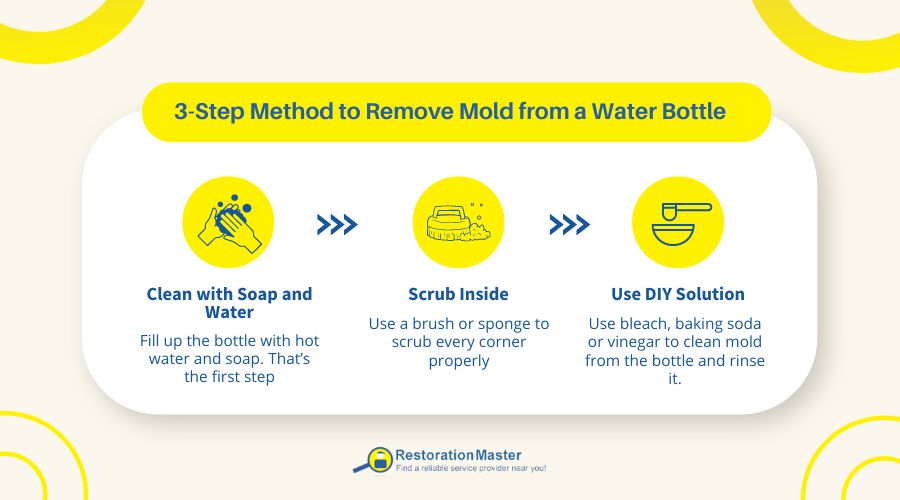
3 Step Process of Cleaning MoldMold is a type of fungus that grows in damp or humid conditi... More From Water Bottle
If you’ve been using the same water bottle daily without thoroughly cleaning it, you might be exposing yourself to hidden moldMold is a type of fungus that grows in damp or humid conditi... More. Mold in water bottles can pose health risks—especially if you’re drinking from a contaminated spout or straw without realizing it.
Here are the most common signs your water bottle may have moldMold is a type of fungus that grows in damp or humid conditi... More:
-
Wash with Soap and Hot Water
Start with a thorough cleaning. Fill the bottle with hot water and dish soap. Let it sit for 15–20 minutes if grime or residueResidue is any leftover material, such as soot, dust, or che... More is stuck. Then rinse and scrub well.
2. Scrub Hard-to-Reach Areas
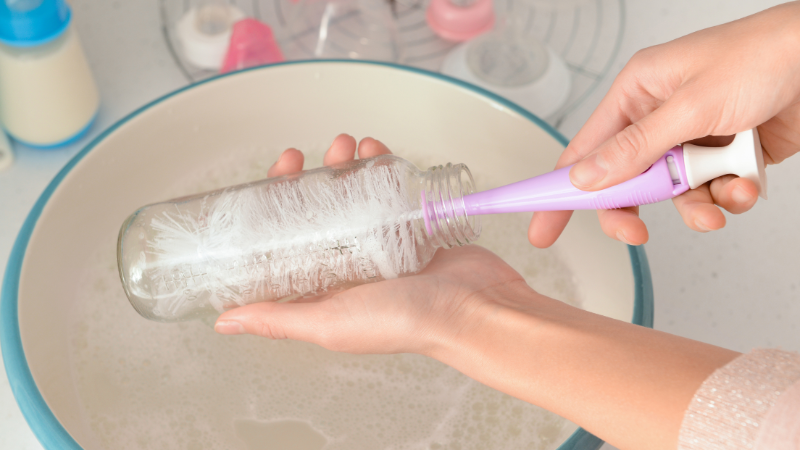
Use a bottle brush to scrub all surfaces, including the bottom, corners, lid, and threads. Don’t forget straws or spouts—use a straw brush or pipe cleaner for narrow parts.
3. Disinfect to Kill MoldMold is a type of fungus that grows in damp or humid conditi... More and Bacteria
Once you have removed any visible dirt or debris, there are mold removal techniques you can use to kill bacteria and moldMold is a type of fungus that grows in damp or humid conditi... More sporesSpores are microscopic reproductive units of fungi or mold t... More inside your water bottle.
White Vinegar (Natural Option)
- Mix equal parts white vinegar and water
- Fill the bottle and shake
- Let sit overnight
- Rinse well with hot water and air dry
Baking Soda + Bleach (For Stubborn MoldMold is a type of fungus that grows in damp or humid conditi... More)
- Add 1 tsp baking soda + 1 tsp bleach + warm water
- Shake well and let sit overnight
- Scrub, rinse thoroughly, and let air dry
Hydrogen Peroxide
- Fill with 3% hydrogen peroxide
- Let it sit open overnight
- Rinse well and dry
Always rinse thoroughly after using bleach or peroxide to avoid chemical residueResidue is any leftover material, such as soot, dust, or che... More.
What Tools Work Best for Removing Mold from Bottles?
Having the right tools makes a huge difference:
- Bottle brush set – For deep scrubbing
- Straw brush – For narrow straws and crevices
- Silicone scrubbers – Gentle but effective on stubborn areas
- Bottle cleaning tablets – Drop-in fizzing tablets for weekly deep cleans
- Dishwasher (if bottle is dishwasher-safe) – Use the top rack
Consider brands like OXO, CamelBak, or Hydracy for cleaning accessories.
How to Prevent Mold from Growing in Your Water Bottle
Preventing moldMold is a type of fungus that grows in damp or humid conditi... More in your water bottle isn’t just about keeping it looking clean—it’s about protecting your health and ensuring the water you drink is safe. MoldMold is a type of fungus that grows in damp or humid conditi... More thrives in dark, damp, and warm environments, which makes reusable bottles the perfect breeding ground if they’re not cleaned and stored properly.
Here are smart, proven tips to keep your water bottle mold-free:
- Wash Thoroughly After Every Use
Always rinse and wash your water bottle with hot water and mild dish soap as soon as you’re done using it—especially if it contained anything other than plain water. This helps eliminate lingering bacteria and moisture that moldMold is a type of fungus that grows in damp or humid conditi... More sporesSpores are microscopic reproductive units of fungi or mold t... More feed on.
- Let It Air Dry Completely
Moisture left inside the bottle promotes moldMold is a type of fungus that grows in damp or humid conditi... More growth. After washing, let the bottle air dry upside down, uncapped, on a dryingDrying is the process of removing moisture from materials, s... More rack. Avoid sealing it until it’s fully dry to prevent a humid environment from forming.
- Avoid Sugary or Flavored Drinks
Sugars, juice residues, and even sports drinks can leave behind sticky residueResidue is any leftover material, such as soot, dust, or che... More, which moldMold is a type of fungus that grows in damp or humid conditi... More loves. If you do use your bottle for anything other than water, be sure to clean it immediately and more thoroughly.
- Don’t Reuse Without Cleaning
Reusing a water bottle multiple times without washing creates the perfect environment for moldMold is a type of fungus that grows in damp or humid conditi... More and bacteria. It’s best to rotate between multiple bottles so you can always use a clean one while others dry.
- Clean All Parts—Not Just the Bottle
Don’t forget the lid, straw, mouthpiece, rubber gasket, and threads—these areas are moldMold is a type of fungus that grows in damp or humid conditi... More hotspots. Use a straw brush or pipe cleaner to reach small, hidden crevices.
- Use Cold or Room-Temperature Water
Warm water raises the internal temperature of the bottle, especially when left in a hot car or gym bag. MoldMold is a type of fungus that grows in damp or humid conditi... More multiplies faster in heat, so cold water helps reduce the risk of rapid moldMold is a type of fungus that grows in damp or humid conditi... More growth.
If you have an issue with moldMold is a type of fungus that grows in damp or humid conditi... More in your home that you cannot handle yourself, make sure you call a mold remediation expert.
Frequently Asked Questions
Can mold in water bottle make you sick?
MoldMold is a type of fungus that grows in damp or humid conditi... More growth anywhere can affect your health, both physically and mentally. Children are especially vulnerable and may experience various symptoms from mold exposure such as breathing difficulties, nausea, fever, soar throat, skin and eye irritation. Apart from children, people with asthma and elderly individuals can have serious health concerns due to moldMold is a type of fungus that grows in damp or humid conditi... More exposure.
What kind of mold grows in water bottle?
The moldMold is a type of fungus that grows in damp or humid conditi... More that typically grows in a water bottle is often from the Aspergillus or Penicillium families. These molds thrive in damp environments and can develop in bottles if they’re not cleaned regularly. You might see green, black, or white patches, and there could be a musty smell.

About Vince Sandri
Vince Sandri is a content writer and blogger with more than 12 years of experience. His expertise is in creating content related to disaster restorationRestoration is the process of returning a property to its pr... More, including information about preventing and reacting to natural disasters like floodingFlooding is the overflow or accumulation of water in areas t... More, water damage, fire and smoke damage, moldMold is a type of fungus that grows in damp or humid conditi... More growth, storm damage and more.
Vince has been the main contributor to RestorationMasterFinder.com since 2014. Over that time, he has written numerous service pages and blogs for disaster restorationRestoration is the process of returning a property to its pr... More providers featured on RestorationMasterFinder.com. Vince has done extensive research and covered a wide range of topics relating to disaster restorationRestoration is the process of returning a property to its pr... More to help homeowners, business owners, and property managers better protect their property. He understands the problems that disasters like floodingFlooding is the overflow or accumulation of water in areas t... More, fire, smoke, and moldMold is a type of fungus that grows in damp or humid conditi... More can cause as well as the best ways to respond to these issues to limit the damage.
Vince completed his Bachelor of Arts degree at Aurora University and his master’s degree at DePaul University. He has been writing SEO website pages, blogs, and press releases since 2012. Vince is also a musician and can be seen playing in the Chicago, IL area.