


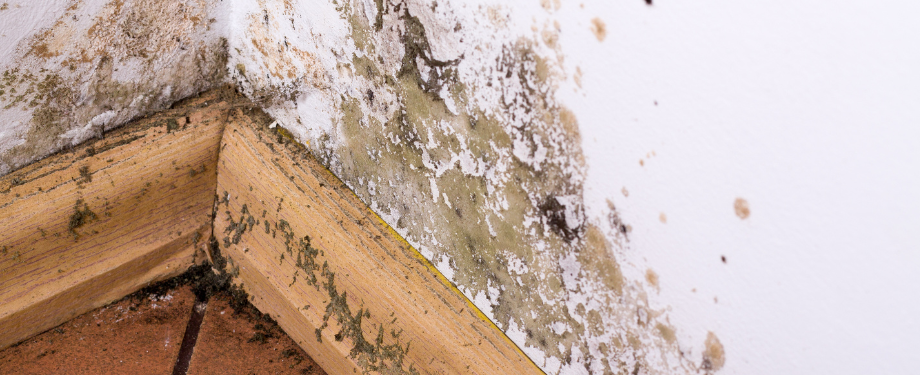



Hidden Spots Where Mold Can Lurk in Your Home
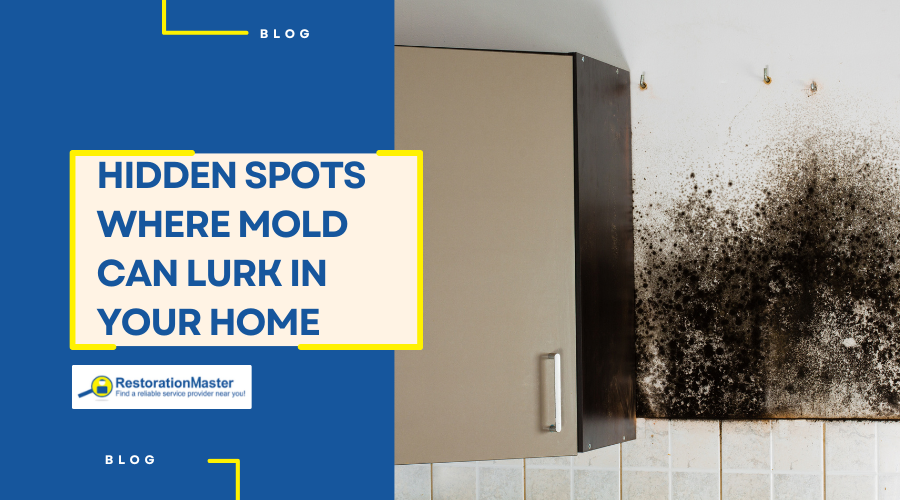
MoldMold is a type of fungus that grows in damp or humid conditi... More is a persistent and often unnoticed invader in many homes. While most people are aware of the common areas where moldMold is a type of fungus that grows in damp or humid conditi... More tends to thrive—like bathrooms and basements—there are numerous hidden spots where it can quietly establish itself. Left untreated, moldMold is a type of fungus that grows in damp or humid conditi... More not only poses health risks but can also leadLead is a heavy metal that can be toxic to humans, especiall... More to significant property damage.
In this article, we’ll explore some of these less obvious hiding places for moldMold is a type of fungus that grows in damp or humid conditi... More, empowering homeowners with the knowledge they need to detect and eliminate moldMold is a type of fungus that grows in damp or humid conditi... More before it becomes a costly problem. Whether you’re a new homeowner or a seasoned property manager, understanding where to look can make all the difference in maintaining a safe and healthy living environment.
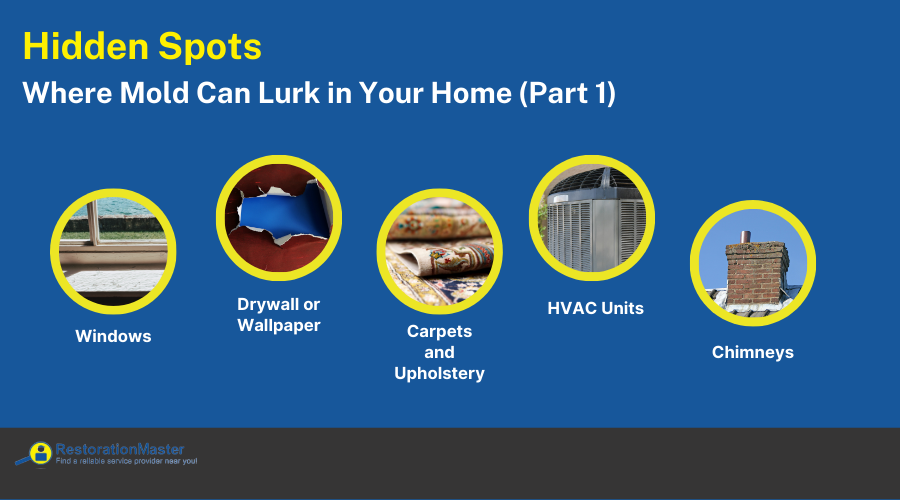
Windows
MoldMold is a type of fungus that grows in damp or humid conditi... More grows near windows because they are often damp and moldMold is a type of fungus that grows in damp or humid conditi... More needs moisture to grow. However, moldMold is a type of fungus that grows in damp or humid conditi... More growth by windows is preventable by sealing your windows and wiping down the windowsills regularly. This eliminates much of the bacteria and moisture that moldMold is a type of fungus that grows in damp or humid conditi... More requires to grow and thrive.
Your moldMold is a type of fungus that grows in damp or humid conditi... More problem may become more serious if your window seals are broken or if your windows are old. In this case, the seals have deteriorated so much that condensation builds up, which creates a stable environment for moldMold is a type of fungus that grows in damp or humid conditi... More to grow. You may still experience problems if your windows are new but contain certain materials that attract moisture. The best way to combat moldMold is a type of fungus that grows in damp or humid conditi... More is to hire a professional to inspect your windows and give you advice.
Drywall or Wallpaper
MoldMold is a type of fungus that grows in damp or humid conditi... More growth is common behind your home’s wallpaper or drywall and, unfortunately, this makes it difficult to find. Bulging, flaking, or bubbling in your wallpaper or wall paint indicates that moisture has built up behind it and moldMold is a type of fungus that grows in damp or humid conditi... More is likely present.
However, you don’t need to rely solely on sight to detect moldMold is a type of fungus that grows in damp or humid conditi... More. Pay attention to mold-like or musty smells coming from your walls and try to identify the location of the smell. If you discover a musty smell behind your walls, you will need a moisture inspectionInspection is the careful examination and assessment of a pr... More and professional mold removal.
Carpets and Upholstery
Drapes, furniture, and carpets attract moldMold is a type of fungus that grows in damp or humid conditi... More sporesSpores are microscopic reproductive units of fungi or mold t... More because the fabric traps dirt and dust. Upholstery and carpet can also experience moisture when they get wet from a leak or spill. Thoroughly clean and dry the area if this occurs and repairRepair is the act of fixing or restoring damaged property, m... More any leaks. Be sure to vacuum regularly to minimize the risk of moldMold is a type of fungus that grows in damp or humid conditi... More growth on your property.
Wet carpet and upholstery can make it more difficult to detect moldMold is a type of fungus that grows in damp or humid conditi... More because the water gets absorbed quickly. You must use your sense of smell and a moisture inspectionInspection is the careful examination and assessment of a pr... More to know for sure.
HVAC Units
Check your heating ducts and air conditioning units for moldMold is a type of fungus that grows in damp or humid conditi... More or moisture that could leadLead is a heavy metal that can be toxic to humans, especiall... More to potential moldMold is a type of fungus that grows in damp or humid conditi... More growth. MoldMold is a type of fungus that grows in damp or humid conditi... More commonly grows in HVAC systems because they collect moisture, dirt, and dust from the air. It is important to regularly inspect your HVAC system to make sure the unit isn’t collecting excess moisture or leaking.
In order to keep the air circulating inside your house, be sure to run your air conditioning unit frequently during warm, humid weather. If you fail to do this, the humidityHumidity is the amount of moisture or water vapor present in... More will encourage moldMold is a type of fungus that grows in damp or humid conditi... More growth in the coils, ducts, and drain pans of the AC unit. If you discover a moldMold is a type of fungus that grows in damp or humid conditi... More infestation in your central unit, you will need mold remediation services.
Chimneys
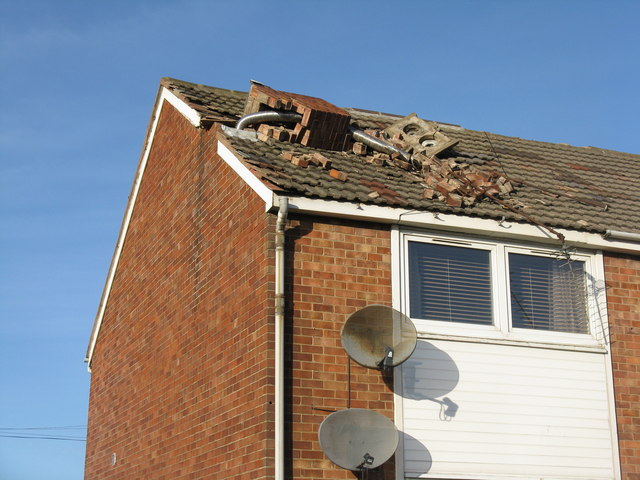
Chimneys are vulnerable to moldMold is a type of fungus that grows in damp or humid conditi... More growth because they are exposed to moisture from snow and rain. Outside elements like organic debris, dirt, and leaves combined with moisture create a perfect environment for moldMold is a type of fungus that grows in damp or humid conditi... More to grow. Crevices between chimney bricks collect water, dirt, and other debris, which creates a perfect blend of moisture and a food source for moldMold is a type of fungus that grows in damp or humid conditi... More.
Cover the top of your chimney correctly in order to prevent moldMold is a type of fungus that grows in damp or humid conditi... More from growing inside. Be sure to inspect and clean your chimney once a year, especially if it is frequently used.
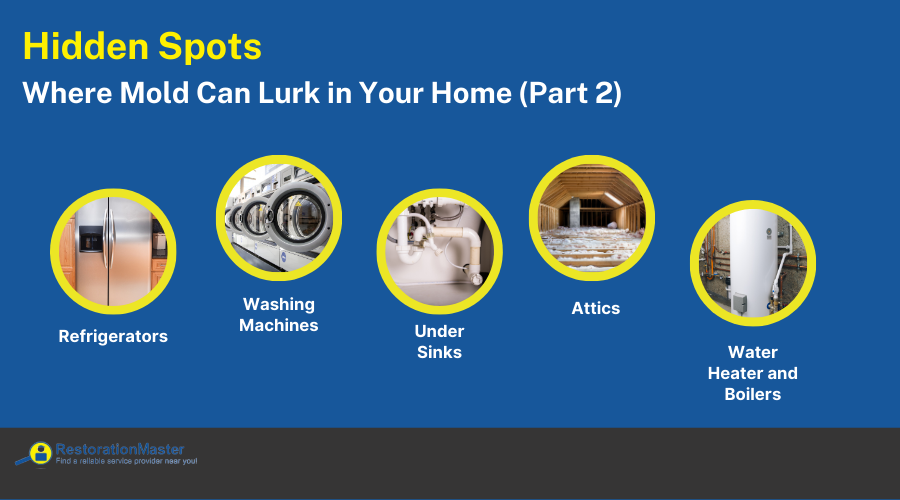
Refrigerators
Drip pans collect the moisture, leaks, and spills from your fridge and often go unnoticed because they’re located underneath the refrigerator. Thoroughly clean the drip pan and wipe down the inside of your refrigerator to decrease the risk of moldMold is a type of fungus that grows in damp or humid conditi... More growth.
Professional mold removal services are always recommended, but if you want to attempt a homemade solutionA solution is a homogeneous mixture of two or more substance... More, mix a cup of water with a teaspoon of hydrogen peroxide. Spray this solutionA solution is a homogeneous mixture of two or more substance... More on the drip pan and wipe it clean with white vinegar.
Washing Machines
Washing machines are susceptible to moldMold is a type of fungus that grows in damp or humid conditi... More growth because the gasket near the door harbors lint and is constantly wet. The door is typically closed, so the gasket is unable to dry out naturally. This creates a perfect breeding ground for moldMold is a type of fungus that grows in damp or humid conditi... More sporesSpores are microscopic reproductive units of fungi or mold t... More. Clean your washing machine regularly and leave the door open when not in use to combat moldMold is a type of fungus that grows in damp or humid conditi... More growth. If you discover moldMold is a type of fungus that grows in damp or humid conditi... More, start a wash with hot water and chlorine bleach to kill it.
Under Sinks
Under sinks, whether in the kitchen or bathroom, moldMold is a type of fungus that grows in damp or humid conditi... More often finds a perfect breeding ground. These areas are typically warm, dark, and damp, creating an ideal environment for moldMold is a type of fungus that grows in damp or humid conditi... More sporesSpores are microscopic reproductive units of fungi or mold t... More to thrive. The combination of moisture from plumbing leaks, condensation, and leftover organic material makes under-sink cabinets a common hideaway for harmful moldMold is a type of fungus that grows in damp or humid conditi... More.
To effectively control moldMold is a type of fungus that grows in damp or humid conditi... More growth in these areas, regular inspections are crucial. Homeowners should check for any signs of leaks, excessive moisture, or standing water. A quick visual inspectionA visual inspection is the initial examination of a property... More can help identify potential trouble spots before they escalate into larger issues. If you notice any leaks or dampness, it’s essential to address them promptly to minimize moisture buildup.
Attics
Attics are among the most common areas in a home where moldMold is a type of fungus that grows in damp or humid conditi... More can thrive, primarily due to their unique environmental conditions. These spaces are often dimly lit and poorly ventilated, creating an ideal breeding ground for moldMold is a type of fungus that grows in damp or humid conditi... More sporesSpores are microscopic reproductive units of fungi or mold t... More. When combined with the fact that attics are typically used for storage, potential moldMold is a type of fungus that grows in damp or humid conditi... More problems can easily go unnoticed until they escalate into more significant issues. Leaks from the roof or ceiling can exacerbate the situation, allowing moisture to infiltrate and settle in the insulationInsulation is a material used in buildings to reduce the tra... More and structural components, further promoting moldMold is a type of fungus that grows in damp or humid conditi... More growth. Regularly checking your attic for signs of moldMold is a type of fungus that grows in damp or humid conditi... More, such as discoloration on beams or insulationInsulation is a material used in buildings to reduce the tra... More, is crucial to maintaining a healthy home environment.
To prevent moldMold is a type of fungus that grows in damp or humid conditi... More from establishing itself in your attic, homeowners should prioritize proper ventilationVentilation is the process of exchanging or circulating air ... More and moisture control. Installing air vents can significantly enhance airflow, while ensuring that any potential water leaks are addressed immediately will help keep humidityHumidity is the amount of moisture or water vapor present in... More levels in check. Additionally, periodic inspections and maintenanceMaintenance is the routine care, inspection, and repair of a... More of insulationInsulation is a material used in buildings to reduce the tra... More can help identify any early signs of moldMold is a type of fungus that grows in damp or humid conditi... More before they become a more substantial problem.
Water Heater and Boilers
These appliances naturally produce moisture through condensation and regular use, which is usually expelled through designated drains. However, if these drains become clogged or rusted, excess moisture can accumulate around the unit, leading to potential moldMold is a type of fungus that grows in damp or humid conditi... More problems not just on the appliance itself, but also on surrounding walls, floors, and even the air quality in the room.
Contact Us for Professional Mold Remediation
MoldMold is a type of fungus that grows in damp or humid conditi... More is tricky because it can grow anywhere on your property and is difficult to discover in hidden places. However, there are certain places in your home that are more likely to harbor moldMold is a type of fungus that grows in damp or humid conditi... More because of excess moisture and food sources. If you find moldMold is a type of fungus that grows in damp or humid conditi... More on your property, contact a mold remediationMold remediation is the process of identifying, removing, an... More professional to remove it quickly and safely.

About Vince Sandri
Vince Sandri is a content writer and blogger with more than 12 years of experience. His expertise is in creating content related to disaster restorationRestoration is the process of returning a property to its pr... More, including information about preventing and reacting to natural disasters like floodingFlooding is the overflow or accumulation of water in areas t... More, water damage, fire and smoke damage, moldMold is a type of fungus that grows in damp or humid conditi... More growth, storm damage and more.
Vince has been the main contributor to RestorationMasterFinder.com since 2014. Over that time, he has written numerous service pages and blogs for disaster restorationRestoration is the process of returning a property to its pr... More providers featured on RestorationMasterFinder.com. Vince has done extensive research and covered a wide range of topics relating to disaster restorationRestoration is the process of returning a property to its pr... More to help homeowners, business owners, and property managers better protect their property. He understands the problems that disasters like floodingFlooding is the overflow or accumulation of water in areas t... More, fire, smoke, and moldMold is a type of fungus that grows in damp or humid conditi... More can cause as well as the best ways to respond to these issues to limit the damage.
Vince completed his Bachelor of Arts degree at Aurora University and his master’s degree at DePaul University. He has been writing SEO website pages, blogs, and press releases since 2012. Vince is also a musician and can be seen playing in the Chicago, IL area.