



How to Know If Water Damage is Fresh or Old
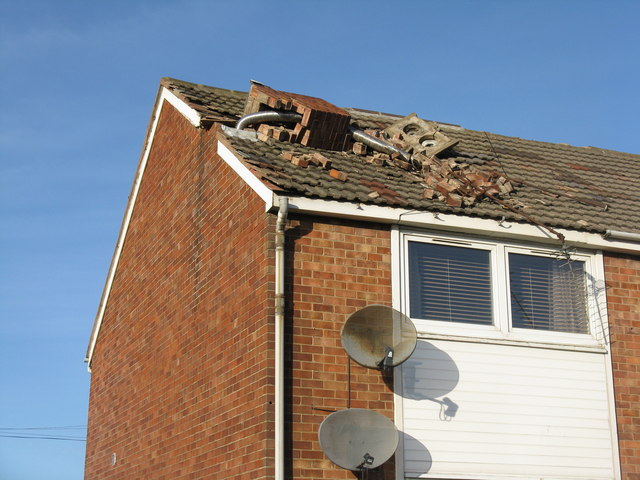
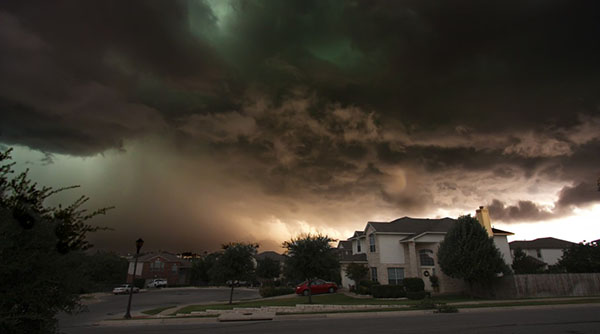
Water damage is known to be the most common form of property damage because of the numerous ways that it can happen. Natural events like rainstorms and floodingFlooding is the overflow or accumulation of water in areas t... More can easily leadLead is a heavy metal that can be toxic to humans, especiall... More to water damage, but there are also internal issues like pipe bursts and sewageSewage is wastewater containing biological and chemical cont... More backups that can allow excess water into your residential or commercial property, damaging it in the process.
In some situations, the damage can be concealed, so you might not notice it right away. This can leave you wondering just how long ago the damage happened. As time passes, water damage that goes unaddressed will worsen and cause more harm. So figuring out whether a material has experienced fresh or old water damage can give you an idea of the extent of the damage as well as the urgency of having the damage restored.
If you find water damage but are unsure when it happened, use the following tips to help find out if it is fresh or old water damage.
Touch the Affected Area
Feeling the spot that has experienced water damage is a good way to figure out whether the harm occurred recently or has been there are a while. Fresh water damage will be wet, but the material will still be firm and not soft. Old water damage will create a soft, mushy spot because of the amount of time the material has had to absorb the moisture.
For example, drywall that has sustained fresh water damage will be damp but still stable. You wouldn’t feel concerned about its structural integrity just yet, because the water has not significantly harmed the drywall. Drywall that has older water damage, however, will have a softer texture, because enough time has passed for it to not only continually absorb water, but for that moisture to harm the drywall.
Inspect the Area for Rings
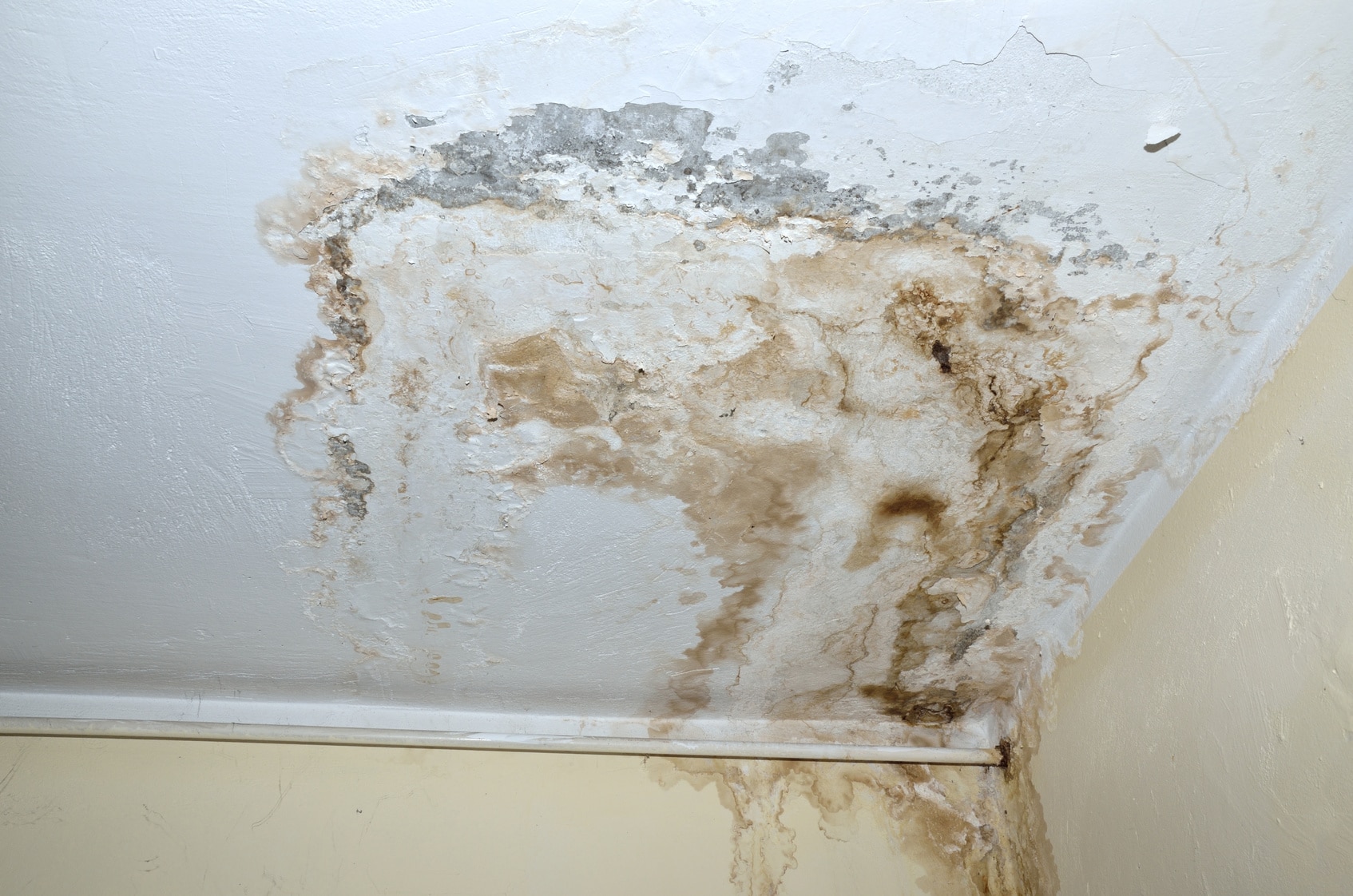
Staining and discoloration are among the common signs of water damage. More specifically, rings have been known to develop on softer materials, such as drywall, when they have been harmed by water. This is common for water damage cases where the harm occurs intermittently.
When the material takes on the excess water, it can eventually cause the material to change color and stain. Much like trees, the more rings you see, the older it is — the longer it has been damaged. So if you notice that a material has been stained with multiple rings, this can indicate old water damage.
For example, if a pipe is leaking water onto drywall, then there will not be a continuous water supply. Instead, the water that leaks may dry up on the material before it leaks again. However, you will later see that the water still leaves a mark in the form of rings.
Search for MoldMold is a type of fungus that grows in damp or humid conditi... More Growth
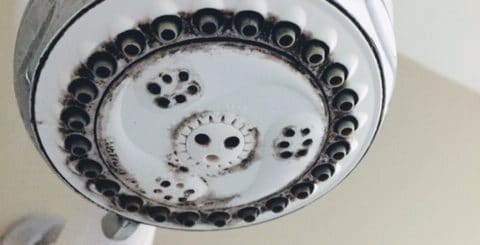
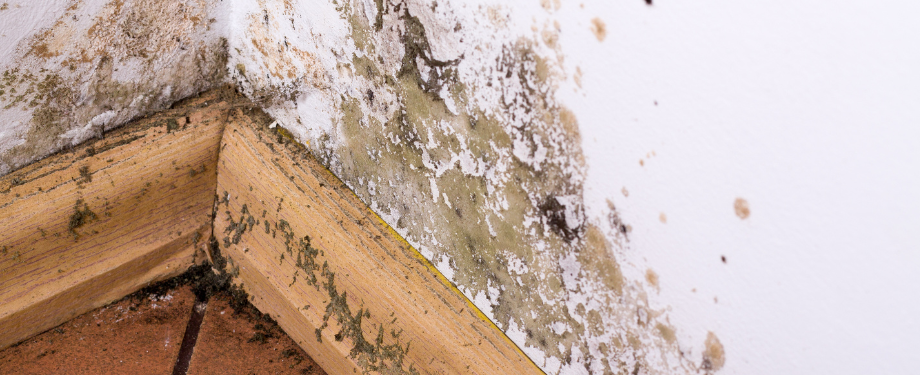
When water damage occurs, there is a good chance moldMold is a type of fungus that grows in damp or humid conditi... More growth will soon follow. This is because water damage creates the ideal conditions for moldMold is a type of fungus that grows in damp or humid conditi... More sporesSpores are microscopic reproductive units of fungi or mold t... More to grow and form colonies.
MoldMold is a type of fungus that grows in damp or humid conditi... More needs moisture and an organic food source to grow. Once the moldMold is a type of fungus that grows in damp or humid conditi... More sporesSpores are microscopic reproductive units of fungi or mold t... More encounter both, then this triggers moldMold is a type of fungus that grows in damp or humid conditi... More growth. The moldMold is a type of fungus that grows in damp or humid conditi... More damages the materials it has affected, eating away at the surfaces. So, in addition to the damage from the water, the moldMold is a type of fungus that grows in damp or humid conditi... More will further harm the material. Eventually, moldMold is a type of fungus that grows in damp or humid conditi... More can cause enough damage to affect the building’s structural integrity.
Knowing this, if you find moldMold is a type of fungus that grows in damp or humid conditi... More growing in your home or building, then there is a good chance water damage has occurred somewhere.
Within 48 hours, visible moldMold is a type of fungus that grows in damp or humid conditi... More growth can be found in areas affected by water damage. So, at the least, the section has been damaged for around two days.
Professional Water Damage Restoration Services
If you discover that your residential or commercial property has sustained water damage — whether it is older or newer, a large area or a small section — you should address the situation as soon as possible. The water damage will only worsen with time, and moldMold is a type of fungus that grows in damp or humid conditi... More growth may soon follow. With cases of old water damage, it may only be a matter of time until the affected materials become so unstable that they collapse.
When dealing with water damage, get in touch with a professional water damage restoration company promptly. Regardless of how long it has been since the damage first occurred, professional technicians have the knowledge and equipment to help you and your property. However, the sooner you get help, the less damage there will be to deal with.
After removing any excess water and moisture from your property, water restorationRestoration is the process of returning a property to its pr... More professionals will thoroughly dry out the affected areas and materials. From there, they restore the damage and clean the space. If moldMold is a type of fungus that grows in damp or humid conditi... More has grown as a result, then they can provide mold remediationMold remediation is the process of identifying, removing, an... More services as well. With professional help, your property will be safe, clean, and restored to its former condition.

About Vince Sandri
Vince Sandri is a content writer and blogger with more than 12 years of experience. His expertise is in creating content related to disaster restorationRestoration is the process of returning a property to its pr... More, including information about preventing and reacting to natural disasters like floodingFlooding is the overflow or accumulation of water in areas t... More, water damage, fire and smoke damage, moldMold is a type of fungus that grows in damp or humid conditi... More growth, storm damage and more.
Vince has been the main contributor to RestorationMasterFinder.com since 2014. Over that time, he has written numerous service pages and blogs for disaster restorationRestoration is the process of returning a property to its pr... More providers featured on RestorationMasterFinder.com. Vince has done extensive research and covered a wide range of topics relating to disaster restorationRestoration is the process of returning a property to its pr... More to help homeowners, business owners, and property managers better protect their property. He understands the problems that disasters like floodingFlooding is the overflow or accumulation of water in areas t... More, fire, smoke, and moldMold is a type of fungus that grows in damp or humid conditi... More can cause as well as the best ways to respond to these issues to limit the damage.
Vince completed his Bachelor of Arts degree at Aurora University and his master’s degree at DePaul University. He has been writing SEO website pages, blogs, and press releases since 2012. Vince is also a musician and can be seen playing in the Chicago, IL area.