



What is the Lifecycle of Household Mold?

Summary: MoldMold is a type of fungus that grows in damp or humid conditi... More thrives in damp, dark, and organic-rich environments, posing significant risks to both property and health if left unchecked. Common household molds, such as StachybotrysStachybotrys is a type of black mold (often called “black ... More and Aspergillus, can trigger allergies, asthma, and even severe respiratory issues. MoldMold is a type of fungus that grows in damp or humid conditi... More damages homes by weakening walls, ceilings, and other structures, often requiring professional mold remediation to address the infestation and its root causes effectively. Understanding mold’s lifecycle—from dormant sporesSpores are microscopic reproductive units of fungi or mold t... More to active colonization and sporulation—highlights the importance of proactive preventionPrevention refers to actions taken to reduce the likelihood ... More, such as controlling humidityHumidity is the amount of moisture or water vapor present in... More, fixing leaks, and ensuring proper ventilationVentilation is the process of exchanging or circulating air ... More. Prompt action and professional assistance are critical to mitigating mold’s impact and safeguarding your home and family.
MoldMold is a type of fungus that grows in damp or humid conditi... More can thrive in your home if the conditions are right—moisture and an organic food source are all it needs to spread. Left unchecked, moldMold is a type of fungus that grows in damp or humid conditi... More can leadLead is a heavy metal that can be toxic to humans, especiall... More to significant damage to your property, often requiring the expertise of a professional mold remediationMold remediation is the process of identifying, removing, an... Moreremediation companyA remediation company is a business specializing in cleaning... More. Beyond structural concerns, prolonged moldMold is a type of fungus that grows in damp or humid conditi... More exposure can pose serious health risks to you and your family.
In this article, we’ll explore the factors that contribute to moldMold is a type of fungus that grows in damp or humid conditi... More growth, its impact on your home, whether moldMold is a type of fungus that grows in damp or humid conditi... More can die off naturally, its lifecycle, tips to prevent moldMold is a type of fungus that grows in damp or humid conditi... More, and when it’s time to call in a professional to address the issue.
What Causes Mold to Grow in Homes?
MoldMold is a type of fungus that grows in damp or humid conditi... More can appear in homes due to any reason that creates a moist, damp, and dark environment that provides ideal conditions for growth. The moisture, combined with the presence of organic materialsOrganic materials are derived from living organisms, such as... More such as wood and drywall that provide a food source, allows moldMold is a type of fungus that grows in damp or humid conditi... More to thrive.

There are twelve types of moldMold is a type of fungus that grows in damp or humid conditi... More that are most commonly found in households, and they include:
- StachybotrysStachybotrys is a type of black mold (often called “black ... More: Also referred to as “back moldMold is a type of fungus that grows in damp or humid conditi... More,” this is a toxigenic moldMold is a type of fungus that grows in damp or humid conditi... More that grows in wet conditions on wood, drywall, or even in damp leaves. It can cause major health issues so it should be eradicated as soon as possible.
- Mucormycetes: Commonly appear as fuzzy white or grayish puffs. It is usually brought inside by homeowners in the summer and fall. Once inside, it grows on fruits and vegetables. Exposure to this type of moldMold is a type of fungus that grows in damp or humid conditi... More can trigger asthma attacks.
- Alternaria: As an allergenic type of moldMold is a type of fungus that grows in damp or humid conditi... More, it can be found under sinks where there is moisture. It usually has a velvet-soft appearance and brown filaments that look like hairs. Exposure can trigger asthma symptoms in those who have allergies.
- Aspergillus: This type of moldMold is a type of fungus that grows in damp or humid conditi... More grows on any damp surface but it’s difficult to spot as it can be many different colors. Most types are harmless, but some can cause serious illnesses.
- Aureobasidium pullulans: Another kind of allergenic moldMold is a type of fungus that grows in damp or humid conditi... More, also referred to as “sooty moldMold is a type of fungus that grows in damp or humid conditi... More,” can be found under wallpaper when you strip it from the walls. It can irritate the skin when it is touched.
- Acremonium: There are over 100 strains of this toxigenic moldMold is a type of fungus that grows in damp or humid conditi... More which can be found in condensation lines and drainage pans of air conditioners and humidifiers. It can be tough to diagnose as it comes in many colors. It can cause eye irritation, breathing issues, and even pneumonia.
- Chaetomium: MoldMold is a type of fungus that grows in damp or humid conditi... More that is commonly caused by water damage or floodingFlooding is the overflow or accumulation of water in areas t... More, as it needs humidityHumidity is the amount of moisture or water vapor present in... More and darkness to thrive. It causes watery eyes and an itchy throat in healthy people and more serious issues in those with respiratory problems.
- Cladosporium: Cladosporium is an allergenic moldMold is a type of fungus that grows in damp or humid conditi... More that usually grows on textiles like carpeting or upholstered furniture and is brown or green in color. It usually enters the home via pets or clothing. Inhaling the sporesSpores are microscopic reproductive units of fungi or mold t... More can cause a sore throat and irritation of the sinuses.
- Ulocladium: This is another type of moldMold is a type of fungus that grows in damp or humid conditi... More that appears after floodingFlooding is the overflow or accumulation of water in areas t... More or water damage. Some strains are pathogenic while others are allergenic. It is usually black in color and may grow with other types of moldMold is a type of fungus that grows in damp or humid conditi... More, such as StachybotrysStachybotrys is a type of black mold (often called “black ... More. It can cause respiratory symptoms or even asthma for those with a weakened immune system.
- Fusarium: Unlike other strains of moldMold is a type of fungus that grows in damp or humid conditi... More, Fusarium can continue to grow in freezing temperatures. Some strains are allergenic and can cause hay fever symptoms, but other strains can be extremely toxic and cause nervous system disorders.
- Penicillium: This type of moldMold is a type of fungus that grows in damp or humid conditi... More is a valuable antibiotic, and it is allergenic and pathogenic. It can trigger allergy symptoms, difficulty breathing, and even asthma symptoms and can leadLead is a heavy metal that can be toxic to humans, especiall... More to major health issues.
- Trichoderma: Typically appears in small patches that are olive-green and it grows in damp areas such as near windows or around the shower base. It can cause coughing, sneezing, and even bronchial infections.
Common Signs of Mold Growth
MoldMold is a type of fungus that grows in damp or humid conditi... More thrives in warm, damp environments with a source of organic material to feed on. Common areas of moldMold is a type of fungus that grows in damp or humid conditi... More growth include bathrooms, basements, kitchens, and crawl spaces. MoldMold is a type of fungus that grows in damp or humid conditi... More particularly favors dark, enclosed spaces like the interiors of walls or beneath carpets, where conditions are ideal for it to spread.

If you think you may have moldMold is a type of fungus that grows in damp or humid conditi... More growth, look out for the following signs:
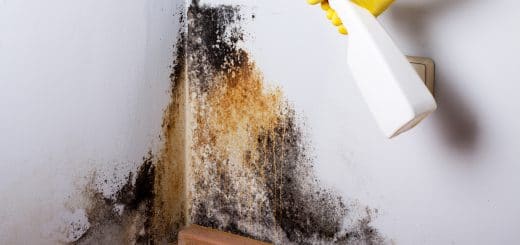
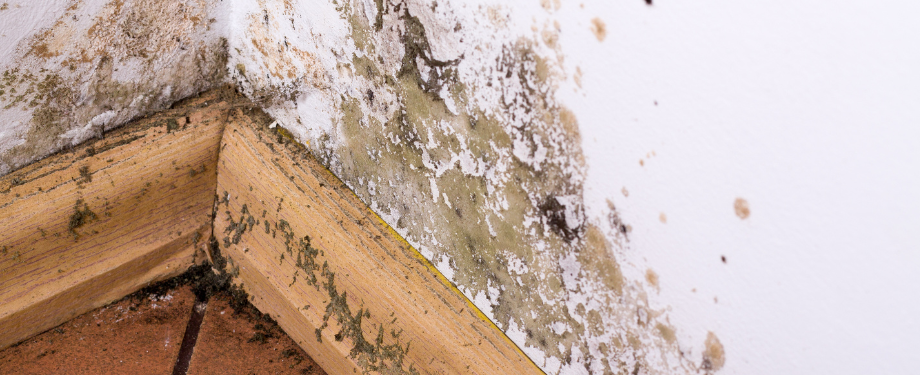
- MoldMold is a type of fungus that grows in damp or humid conditi... More that is visible on your walls or other areas of your home
- Musty odors
- Allergy symptoms that have become frequent
- Water damage or water leaks
- Condensation that is collected on the windows or walls
How Does Mold Affect Homes?
MoldMold is a type of fungus that grows in damp or humid conditi... More can cause significant damage to your home, spreading quickly and affecting walls, ceilings, floors, and other surfaces it comes into contact with. If moldMold is a type of fungus that grows in damp or humid conditi... More is not removed quickly, it will spread to new areas of your property and the damage it causes can become severe enough to threaten the structural integrity of walls and ceilings. It thrives in damp, humid conditions and can be particularly challenging to remove without proper techniques and tools. To effectively eliminate mold and prevent its return, it’s essential to seek help from professional removal services, as DIY methods often fail to address the root cause and may leave sporesSpores are microscopic reproductive units of fungi or mold t... More behind.
Beyond property damage, moldMold is a type of fungus that grows in damp or humid conditi... More also poses serious health risks. For individuals with allergies or respiratory conditions, moldMold is a type of fungus that grows in damp or humid conditi... More exposure can worsen symptoms such as coughing, sneezing, nasal congestion, and skin irritation. Prolonged exposure can even trigger asthma attacks, making it particularly dangerous for those with pre-existing conditions. In severe cases, extensive moldMold is a type of fungus that grows in damp or humid conditi... More exposure may leadLead is a heavy metal that can be toxic to humans, especiall... More to chronic fatigue, headaches, or even neurological issues, posing serious long-term risks to your health. Addressing moldMold is a type of fungus that grows in damp or humid conditi... More promptly is crucial not only to protect your home but also to safeguard your well-being and that of your family.
Can Mold Die on Its Own?
Unlike most living organisms, moldMold is a type of fungus that grows in damp or humid conditi... More can survive even in unfavorable conditions without the proper environment or nutrients. Instead of dying, it becomes inactive. During this dormant phase, moldMold is a type of fungus that grows in damp or humid conditi... More ceases to grow and does not release sporesSpores are microscopic reproductive units of fungi or mold t... More, as doing so would require energy. However, once moisture becomes available, it reactivates and resumes its normal lifecycle.
What is The Lifecycle of Mold?
Understanding how moldMold is a type of fungus that grows in damp or humid conditi... More grows and spreads is essential for effectively addressing its causes, removal, and preventionPrevention refers to actions taken to reduce the likelihood ... More. To tackle moldMold is a type of fungus that grows in damp or humid conditi... More, it’s important to first recognize its life cycle. Here are the key stages of moldMold is a type of fungus that grows in damp or humid conditi... More growth:

Stage 1: Mold Spore Stage or Dormancy
MoldMold is a type of fungus that grows in damp or humid conditi... More growth begins with tiny sporesSpores are microscopic reproductive units of fungi or mold t... More that are present all around us. These sporesSpores are microscopic reproductive units of fungi or mold t... More can remain dormant for extended periods, waiting for the right conditions to thrive. Even in their dormant state, moldMold is a type of fungus that grows in damp or humid conditi... More sporesSpores are microscopic reproductive units of fungi or mold t... More can pose serious health risks. Once they find a suitable environment, they can grow rapidly, significantly impacting the indoor air qualityIndoor air quality (IAQ) refers to the condition of the air ... More of your home or business.
Stage 2: Germination or Hyphal Stage
MoldMold is a type of fungus that grows in damp or humid conditi... More growth begins when dormant sporesSpores are microscopic reproductive units of fungi or mold t... More encounter the ideal environment. This environment includes organic material for nourishment, warmth, oxygenOxygen is a chemical element essential for combustion and li... More, moisture, and darkness. Without moisture, moldMold is a type of fungus that grows in damp or humid conditi... More cannot progress beyond the germination stage. For instance, a damp area on a wall can quickly become a breeding ground for moldMold is a type of fungus that grows in damp or humid conditi... More.
Once conditions are favorable, the sporesSpores are microscopic reproductive units of fungi or mold t... More germinate and establish themselves in the area. They begin to sprout hyphae, root-like structures that spread in all directions, anchoring into the material where the moldMold is a type of fungus that grows in damp or humid conditi... More intends to grow. These hyphae create an interconnected network known as mycelium. At this stage, the moldMold is a type of fungus that grows in damp or humid conditi... More has successfully claimed its territory and formed a thriving colony.
Stage 3: Colonization or Growth
Once mycelium becomes established, the colony is primed to grow in both size and number. The speed of this growth depends on several factors, including the level of moisture available, the surrounding temperature, and the type of material it has colonized.
At this stage, the presence of moldMold is a type of fungus that grows in damp or humid conditi... More becomes visible, and its distinct odorAn odor is a smell, often detectable by the human nose, whic... More becomes noticeable. The mycelium begins adapting to its environment, breaking down any materials it cannot digest. During this process, it becomes more aggressive, rapidly spreading to claim new territory.
As it expands, the colony starts producing defense mechanisms, such as mycotoxins—harmful substances that can pose serious health risks to humans. These toxins have been linked to issues like allergies and even neurological disorders, highlighting the potential dangers of unchecked moldMold is a type of fungus that grows in damp or humid conditi... More growth.
Stage 4: Spore Release or Sporulation Stage
As a moldMold is a type of fungus that grows in damp or humid conditi... More colony grows, it eventually begins producing new sporesSpores are microscopic reproductive units of fungi or mold t... More as part of its life cycle. Sporulation occurs in the final stage, ensuring the mold’s survival. Once the moldMold is a type of fungus that grows in damp or humid conditi... More matures, these sporesSpores are microscopic reproductive units of fungi or mold t... More are released into the environment, traveling through the air in search of a suitable surface to settle and form a new colony. At this stage, the infestation can escalate significantly, often requiring the expertise of a professional mold removal service to effectively address the problem.
How to Prevent Mold in Your Household
While professional moldMold is a type of fungus that grows in damp or humid conditi... More removal services can eliminate most types of moldMold is a type of fungus that grows in damp or humid conditi... More from your home, preventionPrevention refers to actions taken to reduce the likelihood ... More is always better than cure. Understanding how to stop moldMold is a type of fungus that grows in damp or humid conditi... More from forming in the first place can save you the expense of removal and protect the health of your loved ones. Here are some simple and effective tips to help you keep your home mold-free:
- Keep the humidityHumidity is the amount of moisture or water vapor present in... More levels in your home below 50% by using an air conditioner or dehumidifierA dehumidifier is a device that removes excess moisture from... More.
- Make sure to have good airflow and use exhaust fans in your bathrooms and kitchens.
- If you have a leaky pipe or faucet, make sure to get it fixed right away.
- Always clean your gutters to ensure that the water drains away from your home.
- All damp rooms should be regularly cleaned and ventilated.
Professional Mold Remediation and Removal

MoldMold is a type of fungus that grows in damp or humid conditi... More is a pervasive problem that can compromise both the structural integrity of your home and the health of its occupants. By understanding the conditions that promote moldMold is a type of fungus that grows in damp or humid conditi... More growth and taking proactive measures such as controlling humidityHumidity is the amount of moisture or water vapor present in... More, addressing leaks, and ensuring proper ventilationVentilation is the process of exchanging or circulating air ... More, you can minimize the risk of moldMold is a type of fungus that grows in damp or humid conditi... More infestations. Should moldMold is a type of fungus that grows in damp or humid conditi... More become a problem, seeking professional assistance is critical to ensuring thorough removal and preventing its recurrence. Protecting your home and family from moldMold is a type of fungus that grows in damp or humid conditi... More is an ongoing effort, but with vigilance and proper care, it is a challenge that can be effectively managed.
When you find moldMold is a type of fungus that grows in damp or humid conditi... More in your home, do not hesitate to contact a mold remediation professional immediately. These professionals can find all moldMold is a type of fungus that grows in damp or humid conditi... More growth in your home, including hidden moldMold is a type of fungus that grows in damp or humid conditi... More, and isolate the affected areas to prevent it from spreading. They then use advanced remediation techniques to safely remove the moldMold is a type of fungus that grows in damp or humid conditi... More growth as well as permanently damaged materials. Once the moldMold is a type of fungus that grows in damp or humid conditi... More is removed, the affected areas are restored and treated with antimicrobials to help prevent the moldMold is a type of fungus that grows in damp or humid conditi... More from returning. Addressing moldMold is a type of fungus that grows in damp or humid conditi... More issues right away helps prevent damage by limiting its spread and reducing the risk of health effects caused by exposure.

About Vince Sandri
Vince Sandri is a content writer and blogger with more than 12 years of experience. His expertise is in creating content related to disaster restorationRestoration is the process of returning a property to its pr... More, including information about preventing and reacting to natural disasters like floodingFlooding is the overflow or accumulation of water in areas t... More, water damage, fire and smoke damage, moldMold is a type of fungus that grows in damp or humid conditi... More growth, storm damage and more.
Vince has been the main contributor to RestorationMasterFinder.com since 2014. Over that time, he has written numerous service pages and blogs for disaster restorationRestoration is the process of returning a property to its pr... More providers featured on RestorationMasterFinder.com. Vince has done extensive research and covered a wide range of topics relating to disaster restorationRestoration is the process of returning a property to its pr... More to help homeowners, business owners, and property managers better protect their property. He understands the problems that disasters like floodingFlooding is the overflow or accumulation of water in areas t... More, fire, smoke, and moldMold is a type of fungus that grows in damp or humid conditi... More can cause as well as the best ways to respond to these issues to limit the damage.
Vince completed his Bachelor of Arts degree at Aurora University and his master’s degree at DePaul University. He has been writing SEO website pages, blogs, and press releases since 2012. Vince is also a musician and can be seen playing in the Chicago, IL area.