




Hail Damage Insurance Claims: How to File and When to Act

If your home or property has been damaged by a hailstorm, it’s important to take action quickly. Knowing what to do after the storm, how to recognize hail damage, what your homeowners’ insurance covers, and how to file a claim can help you avoid costly repairs and ensure you get the compensation you deserve.
In this guide, we walk you through the essential steps, coverage information, and filing deadlines to help you navigate the process with confidence.
What to Do Immediately After a Hailstorm
Acting fast after a hailstorm can make a big difference in protecting your property and securing your claim. Here are the first steps to take:
- Document the damage right away with photos and videos before starting any repairs. Focus on the roof, siding, windows, gutters, and outdoor belongings.
- Review your insurance policy to understand what is covered and the deductible amount.
- Contact your insurance provider as soon as possible to begin the claim process.
- Get estimates from licensed local contractors who have experience with hail damage repairs.
- Attend the inspectionInspection is the careful examination and assessment of a pr... More with your contractor when the insurance adjuster visits your home.
Understanding Hail Damage and Its Impact
The type and severity of hail damage depends on several factors:
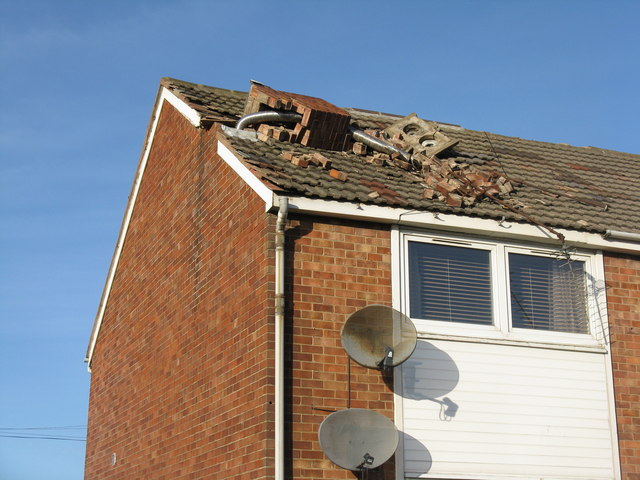
- Size of the hailstones: Stones larger than an inch can cause significant roof and siding damage, while even smaller stones can dent gutters or crack windows.
- Wind speed and direction: Strong winds can propel hail sideways, increasing the likelihood of broken windows and damaged siding.
- Construction materials: Asphalt shingles, for example, may lose granules after a storm, compromising their waterproofingWaterproofing is the application of materials or coatings de... More ability.
Some hail damage isn’t immediately visible. Small cracks or displaced shingles can leadLead is a heavy metal that can be toxic to humans, especiall... More to roof leaks and further water damage over time. This is why early inspectionInspection is the careful examination and assessment of a pr... More and documentation are so important.
Does Homeowners Insurance Cover Hail Damage?
In most cases, yes. Standard homeowners’ insurance policies include hail damage under dwelling coverage. This typically covers:
- Roof damage
- Broken or cracked windows
- Damaged siding and gutters
- Interior damage caused by hail entering through an opening in the structureStructure refers to the framework or components of a buildin... More
However, coverage may vary depending on your location. In hail-prone states, some policies may include deductibles specific to wind or hail, or have exclusions. Review your policy carefully or speak with your agent to clarify what’s covered and what your responsibilities are.

When Is the Deadline to File a Hail Damage Claim?
Most insurance companies require you to file a claim within 6 to 24 months of the hail event. The exact deadline depends on your insurance provider, state laws, and the terms of your policy. Here are a few examples:
- Texas: You typically have one year from the date of damage to file a claim, unless your policy specifies otherwise.
- Colorado: Many policies allow up to two years to file, but check your individual coverage for details.
- North Carolina: There is no state-mandated deadline, but most insurers in North Carolina require claims to be filed within 12 months of the damage. However, some policies may allow more or less time based on your provider’s rules.
- Other states: Some policies may set even shorter time frames, such as 6 or 9 months, especially if your insurance provider includes specific time restrictions in the contract.
Tip: Always review your policy documents or speak directly with your insurance company to confirm your deadline. Waiting too long to file could result in denied claims or delayed payouts.
How to File a Hail Damage Insurance Claim
Experiencing a hailstorm can be overwhelming, leaving you unsure of what to do next. Here’s a clear guide to help you take the next steps:
1. Start by Documenting All Damage
Begin your claim by gathering as much evidence of the damage as possible. Use a smartphone or camera to take clear, time-stamped photos and videos of all affected areas. Focus on your roof, windows, siding, gutters, doors, and any outdoor structures like sheds or fences.
If you can safely collect a few hailstones, place them next to a ruler or a common object (like a coin) and take a photo to show their size. Be sure to document any fallen branches, dented metal, cracked windows, or torn shingles.
Along with photos, create a written list of all damaged items and materials. Include descriptions of each item and the type of damage it sustained. This documentation will help support your claim and give your insurance company a clear picture of the storm’s impact.
Also, begin keeping track of every communication with your insurance provider. Save emails, write down the names of people you speak with, and note dates and key points from each conversation.
2. Notify Your Insurance Company Right Away
After documenting the damage, contact your insurance company as soon as possible. Most policies require homeowners to report hail damage promptly, and failing to do so could affect your eligibility for coverage.
Ask your insurance representative about the deadline for filing a hail claim under your specific policy. They will likely open a claim file and explain the next steps.
If your home has sustained any immediate issues that could leadLead is a heavy metal that can be toxic to humans, especiall... More to more serious problems—such as a leaking roof or broken windows—you can make temporary repairs to prevent further damage. Be sure to keep all receipts and take photos before and after any emergency work. Your insurance company may reimburse these costs as part of your claim.
3. Get Written Repair Estimates from Trusted Contractors
Before the insurance adjuster visits your property, it’s a good idea to get repairRepair is the act of fixing or restoring damaged property, m... More estimates from at least two or three licensed local contractors. Choose companies with experience in storm damage repairs and a reputation for working with insurance claims.
Request detailed, written estimates that outline the scope of workScope of work is a detailed description outlining the tasks,... More, labor costs, and materials. Having independent assessments can help you verify that the adjuster’s estimate is accurate and fair.
Research each contractor carefully. Check reviews, ask for references, and confirm that they are properly licensed and insured.
4. Be Present When the Insurance Adjuster Inspects Your Property
Once your claim has been filed, your insurance company will schedule a time for an adjuster to visit and assess the damage. Try to be there during the inspectionInspection is the careful examination and assessment of a pr... More so you can walk through the property with them, answer any questions, and point out areas that may not be immediately obvious.
If possible, have one of the contractors who provided an estimate join you for the inspectionInspection is the careful examination and assessment of a pr... More. Contractors who have worked on storm damage repairs can often identify hidden or overlooked problems and ensure nothing is missed during the evaluation.
During the visit, provide the adjuster with all of your documentation, including your photos, videos, inventory list, and contractor estimates. This will help them make a more accurate assessment and support your case if there are any discrepancies later on.
5. Review Your Settlement and Begin Repairs
After the inspectionInspection is the careful examination and assessment of a pr... More, the insurance company will send you a settlement offer. This offer may come in a single payment or be broken into multiple installments. In many cases, you’ll receive an initial payment based on the actual cash value (ACV) of the repairs, with additional funds released once the work is completed and receipts are submitted.
Read the settlement carefully and compare it to the contractor estimates you received. If the amount seems too low or does not fully account for the scope of the damage, you have the right to ask for a review. You may need to submit more documentation or request a second inspectionInspection is the careful examination and assessment of a pr... More.
Once the settlement is finalized, you can move forward with hiring a contractor and beginning the repairs. Keep records of all work performed, including invoices, receipts, and before-and-after photos.

Professional Storm Damage Restoration in Charlotte, NC
Dealing with hail damage can feel overwhelming, but acting quickly and following the right steps can make a big difference in protecting your property and securing your claim. By documenting the damage, reviewing your insurance coverage, and working with trusted professionals, you’ll be better prepared to navigate the claims process smoothly and get the compensation you need. If you’ve recently experienced hail damage, don’t wait, start your claim today to restore your home and peace of mind.
If your home has been damaged by a severe storm involving hail, you need to have the damage inspected and repaired by a professional that provides storm damage restoration. These professionals can identify structural damage and water damage caused by severe storms and effectively repairRepair is the act of fixing or restoring damaged property, m... More the resulting damage to get your home back to its original state. Do not hesitate to call a restorationRestoration is the process of returning a property to its pr... More professional and your insurance provider as soon as possible after your home is damaged by a storm.

About Vince Sandri
Vince Sandri is a content writer and blogger with more than 12 years of experience. His expertise is in creating content related to disaster restorationRestoration is the process of returning a property to its pr... More, including information about preventing and reacting to natural disasters like floodingFlooding is the overflow or accumulation of water in areas t... More, water damage, fire and smoke damage, moldMold is a type of fungus that grows in damp or humid conditi... More growth, storm damage and more.
Vince has been the main contributor to RestorationMasterFinder.com since 2014. Over that time, he has written numerous service pages and blogs for disaster restorationRestoration is the process of returning a property to its pr... More providers featured on RestorationMasterFinder.com. Vince has done extensive research and covered a wide range of topics relating to disaster restorationRestoration is the process of returning a property to its pr... More to help homeowners, business owners, and property managers better protect their property. He understands the problems that disasters like floodingFlooding is the overflow or accumulation of water in areas t... More, fire, smoke, and moldMold is a type of fungus that grows in damp or humid conditi... More can cause as well as the best ways to respond to these issues to limit the damage.
Vince completed his Bachelor of Arts degree at Aurora University and his master’s degree at DePaul University. He has been writing SEO website pages, blogs, and press releases since 2012. Vince is also a musician and can be seen playing in the Chicago, IL area.