




What are the Leading Causes of Attic Fires?
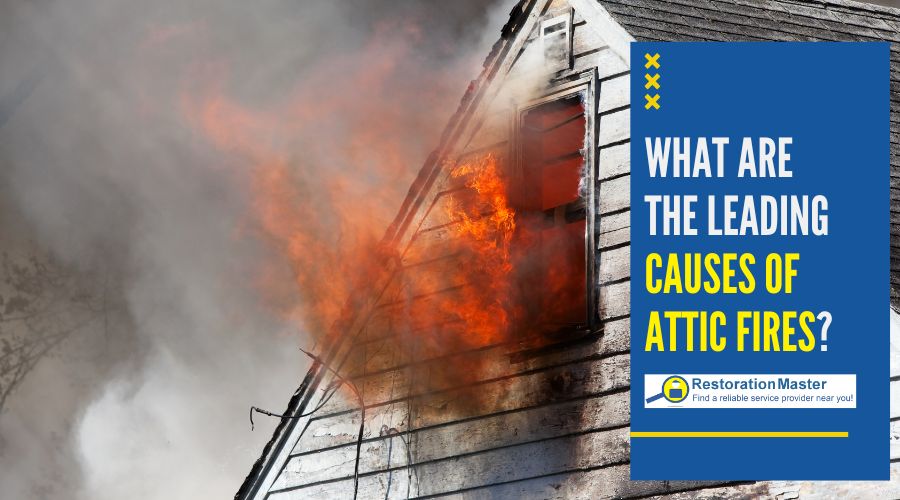
If you’ve ever experienced an attic fire, you know just how dangerous and destructive it can be, posing serious risks of injury and leading to costly damage. Fires remain a common threat in the United States, and every homeowner should take proactive steps to reduce their risk.
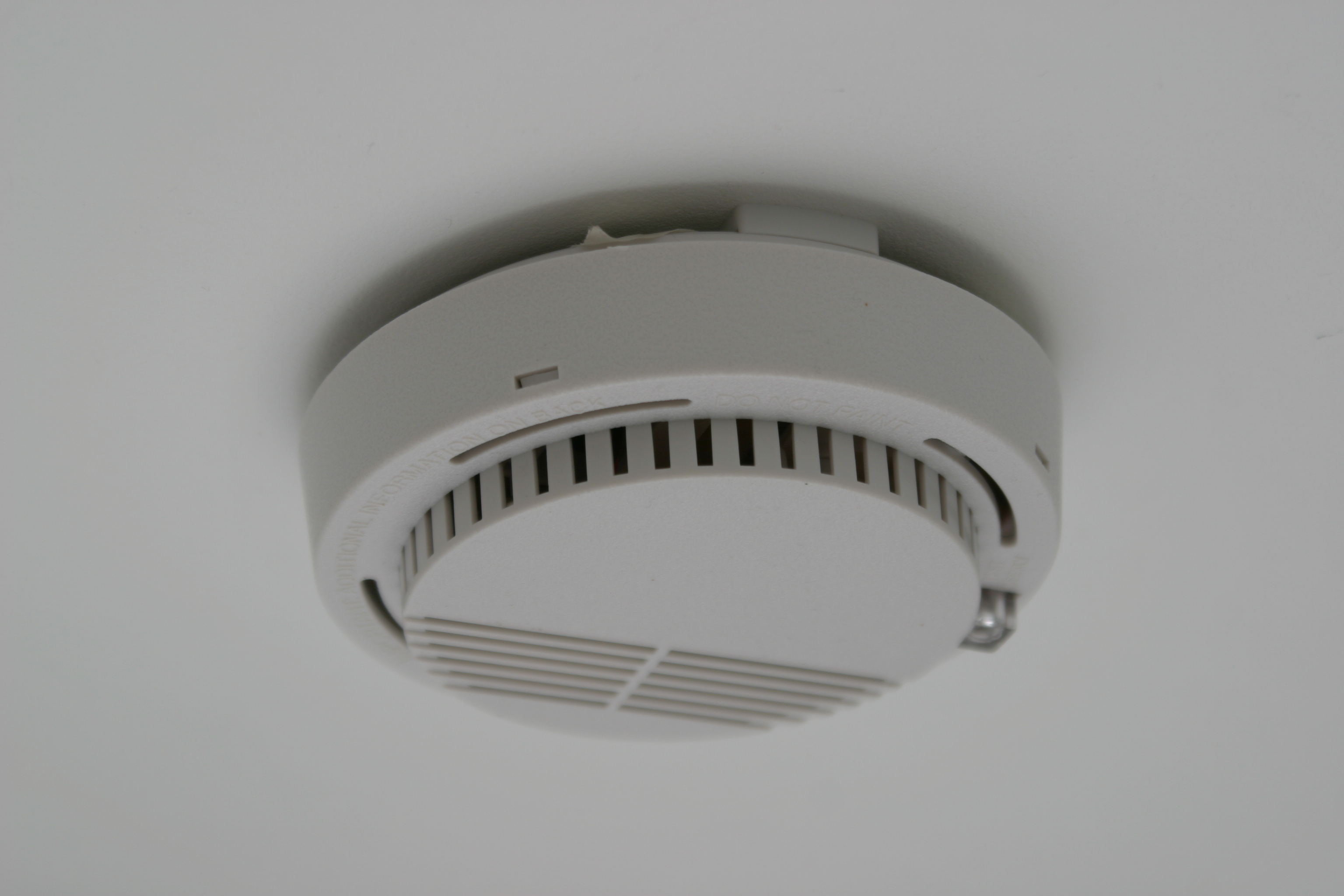
According to the United States Fire Administration, U.S. residents experience nearly 10,000 attic fires in homes each year. These fires can result in severe injuries and even fatalities. Because most attics don’t have smoke detectors, flames often spread undetected until it’s too late.
In this guide, we explore the leading causes of attic fires and share practical preventionPrevention refers to actions taken to reduce the likelihood ... More tips to help you protect both your loved ones and your property.
What are the Main Causes of Attic Fires?
Understanding the causes of attic fires is essential to avoiding unexpected dangers in your home. By staying informed, you can take preventive steps to reduce the risk of costly damage and serious injuries. Below are the most common causes of attic fires:
- Damaged Electrical Wiring: With the increasing use of electronic devices and appliances, it’s easy to overload a home’s electrical system, especially in houses over 20 years old. Overloaded circuits can cause breakers to fail, creating a serious fire risk. To help prevent fires, avoid leaving devices plugged in your attic, keep the space free of unnecessary clutter, and never store batteries or flammable liquids there. If your home is more than two decades old, consider hiring a licensed professional to inspect your wiring for safety. Any damaged wiring should be replaced immediately to reduce the risk of fire.
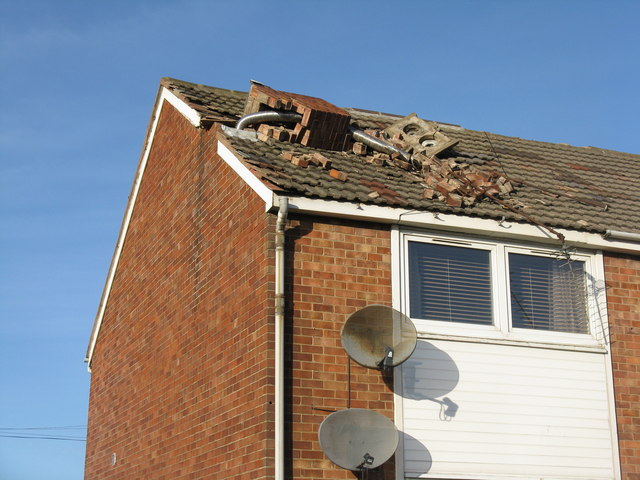
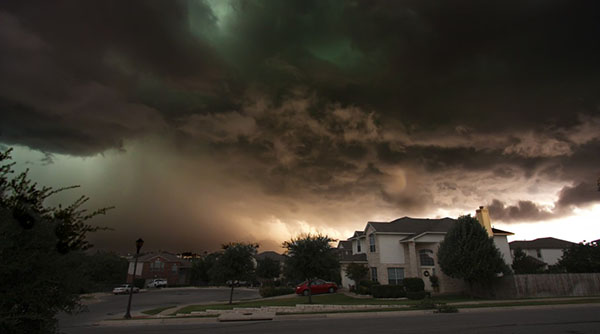
- Natural Hazards – Storms and Pests: Strong storms can knock trees onto your roof or cause debris to damage electrical systems, creating a fire hazard. Preventive measures include trimming large trees near your home and keeping your roof well-maintained, as leaks can leadLead is a heavy metal that can be toxic to humans, especiall... More to wet wiring that sparks. Pests like mice, raccoons and other animals can also chew through electrical wires, increasing the risk of fire. Prompt pest control is essential to protect your home’s wiring and safety. For example, in 2023 a severe summer storm in Boston, MA led to multiple reported attic fires after fallen branches damaged power lines and exposed electrical wiring.
- Overheating HVAC Systems: Heating and air conditioning systems keep us comfortable, but they can occasionally overheat and ignite, particularly during hot summer months. Dust and debris in the ductwork can accelerate the spread of fire. Regular inspections and maintenanceMaintenance is the routine care, inspection, and repair of a... More by a professional HVAC company are crucial to ensure your system operates safely and efficiently, helping to prevent potential fires.
How to Prevent Attic Fires?
Now that we’ve covered the common causes of attic fires, it’s equally important to know how to prevent them. As a homeowner, there are several steps you can take to reduce the risk and protect your property:
- Inspect the HVAC System: Have your HVAC system professionally inspected at least once a year. For tips on cleaning and maintaining your HVAC system, check out our full guide. Regular inspections help identify potential issues that could leadLead is a heavy metal that can be toxic to humans, especiall... More to overheating or fire hazards.
- Check and Clean Ductwork and Vents: Ducts and vents can accumulate lint, dust, and debris, all of which pose a fire risk. Ensure that your ductwork and filters are cleaned regularly so nothing inside can ignite or obstruct airflow.
- Inspect the Electrical System: Regular electrical inspections are crucial for home safety. A licensed electrician can identify damaged wiring, evaluate your circuit breakers, and replace any components that might pose a fire risk.
- Inspect the Roof: Have your roof inspected regularly, especially after severe storms. Roofing professionals can identify soft spots or damage that could leadLead is a heavy metal that can be toxic to humans, especiall... More to leaks, patch or replace compromised areas, and prevent water from reaching your home. If you notice a leak, contact a roofer immediately to avoid potential fire hazards from wet wiring.
- Remove Excess Items from the Attic: Keep your attic free of clutter to reduce fire spread and avoid storing flammable materials. Batteries, chemicals, and other hazardous substances should be stored in a cool, dry location away from the attic. Regularly remove dust and debris to further minimize fire risks.
- TrimTrim is the decorative or functional molding used to finish ... More Trees Near Your Home: While you can’t control storms or extreme weather, you can minimize damage by trimming tree limbs that hang near your roof. This reduces the likelihood of branches causing structural damage or igniting a fire during storms.
- Ensure Proper InsulationInsulation is a material used in buildings to reduce the tra... More: Proper attic insulationInsulation is a material used in buildings to reduce the tra... More helps prevent your HVAC system from overheating during the summer. A professional can assess your insulationInsulation is a material used in buildings to reduce the tra... More levels and install additional material if needed, ensuring it’s safely positioned away from lighting fixtures to prevent fire hazards.
Professional Fire Damage Restoration Services
While preventionPrevention refers to actions taken to reduce the likelihood ... More is the best defense against attic fires, accidents can still happen. If your home ever experiences an attic fire, acting quickly is critical to minimize damage and protect your property. Fire and smoke can cause extensive structural damage, compromise air quality, and create safety hazards long after the flames are out. Partnering with a professional fire damage restoration company ensures that your home is thoroughly inspected, cleaned, and restored safely. These experts can remove sootSoot is fine black particles composed of carbon and other ma... More, repairRepair is the act of fixing or restoring damaged property, m... More structural damage, and restore your attic and home to a safe, livable condition, helping you recover faster and with peace of mind.
Don’t wait until disaster strikes. If your home has suffered fire damage or you want to safeguard your property, reach out to a trusted fire damage restoration professional today to protect your investment and your family’s safety.
Frequently Asked Questions
What items should I remove from my attic to reduce fire hazards?
To minimize fire risk, avoid storing flammable or combustible items in your attic. This includes batteries, gasoline, chemicals, paint, and excess cardboard or paper. Keep the space organized, dust-free, and dry.
How do storms increase the risk of attic fires?
Storms can contribute to attic fires in several ways. Fallen tree limbs or debris can puncture roofs and damage electrical systems. Heavy rain can leadLead is a heavy metal that can be toxic to humans, especiall... More to leaks, wetting wiring and creating potential short circuits. Lightning strikes can also ignite attics if proper grounding is not in place. Regular roof inspections, tree trimming, and proactive storm preparationPreparation is the steps taken to ready a property, equipmen... More help minimize these risks.
Can attic insulation be a fire hazard?
Yes, attic insulationInsulation is a material used in buildings to reduce the tra... More can become a fire hazard if it comes into contact with exposed wiring, recessed lighting, or overheating HVAC components. Ensure insulationInsulation is a material used in buildings to reduce the tra... More is professionally installed, maintains proper clearance from heat sources, and is made from fire-resistant materials when possible. Proper insulationInsulation is a material used in buildings to reduce the tra... More not only reduces fire risk but also improves energy efficiency and protects your HVAC system from overheating.

About Vince Sandri
Vince Sandri is a content writer and blogger with more than 12 years of experience. His expertise is in creating content related to disaster restorationRestoration is the process of returning a property to its pr... More, including information about preventing and reacting to natural disasters like floodingFlooding is the overflow or accumulation of water in areas t... More, water damage, fire and smoke damage, moldMold is a type of fungus that grows in damp or humid conditi... More growth, storm damage and more.
Vince has been the main contributor to RestorationMasterFinder.com since 2014. Over that time, he has written numerous service pages and blogs for disaster restorationRestoration is the process of returning a property to its pr... More providers featured on RestorationMasterFinder.com. Vince has done extensive research and covered a wide range of topics relating to disaster restorationRestoration is the process of returning a property to its pr... More to help homeowners, business owners, and property managers better protect their property. He understands the problems that disasters like floodingFlooding is the overflow or accumulation of water in areas t... More, fire, smoke, and moldMold is a type of fungus that grows in damp or humid conditi... More can cause as well as the best ways to respond to these issues to limit the damage.
Vince completed his Bachelor of Arts degree at Aurora University and his master’s degree at DePaul University. He has been writing SEO website pages, blogs, and press releases since 2012. Vince is also a musician and can be seen playing in the Chicago, IL area.