



Tips to Effectively Inspect and Prevent Water Damage in Your Home
Water is an abundant life necessity. When H2O seeps into your home, however, the liquid is an unwelcome houseguest. Leaks, floods and recurrent condensation contribute to the development of water damage. A pricey household fix, water damage, when left unaddressed, leads to major issues.
Severe structural problems within the property develop when the home’s building materials are exposed to the saturationSaturation is the point at which a material or environment c... More of water. MoldMold is a type of fungus that grows in damp or humid conditi... More infestations can take over when excess moisture is present. MoldMold is a type of fungus that grows in damp or humid conditi... More sporesSpores are microscopic reproductive units of fungi or mold t... More leadLead is a heavy metal that can be toxic to humans, especiall... More to health issues for individuals living in the household.
Before water damage takes hold, take steps to regularly inspect your home. Several strategies exist to help prevent water damage in the first place. Keep your home dry, safe and structurally sound with the following water damage inspectionInspection is the careful examination and assessment of a pr... More and preventionPrevention refers to actions taken to reduce the likelihood ... More tips.
Inspect the walls.
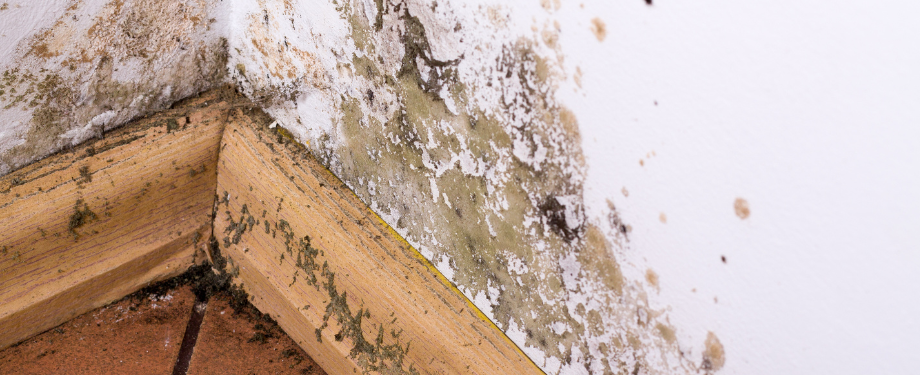
Those ugly stains on the walls and ceilings reveal a hidden problem: water damage. Leaky pipes or drains behind the walls cause these types of stains, warranting urgent attention. A swollen wall reveals significant water exposure. Cracks in the drywall also are signs of water damage.
Prevent leaky pipes in any of the four following ways:
- Ensure the water pressure is below 60PSI.
- Around pipes that are moist to the touch, tighten the pipe’s fittings.
- Since the likelihood of leaking pipes increases with hard water, install a water softener.
- In the cold season, insulate the pipes to prevent them from freezing and bursting.
Homeowners should also schedule regular plumbing inspections. Professionals can pinpoint the minute holes and splits in pipes that can leadLead is a heavy metal that can be toxic to humans, especiall... More to leaks and, subsequently, the water stains along walls and ceilings.
Examine the floors.
WarpingWarping is the bending, twisting, or distortion of materials... More and buckling along hardwood floors is a sure sign of water damage. If your carpeting is damp to the touch, a water leak is present. Plus, the whiff of moldy or dampened air, especially in the basement, should leave you suspecting water damage.
An improper seal beneath a concrete floor, like in the basement, can be a source for damp floors in this part of the house. Prevent future outbreaks of moisture by running a dehumidifierA dehumidifier is a device that removes excess moisture from... More. Check any subfloors for moisture, and if present, immediately make repairs to prevent recurring water damage.
Homeowners should also take preventative measures and regularly inspect the areas surrounding appliances, like the washing machine and dishwasher, behind toilets and under sinks for signs of water leaks. Any leaks should be promptly repaired to prevent worsening of the problem.
Examine the attic.
Leaks in the attic are evident when stains and moldMold is a type of fungus that grows in damp or humid conditi... More colonies are present. Properly inspect the attic by paying specific attention to the areas where the two roof planes adjoin and where the walls meet the roof. Check the insulationInsulation is a material used in buildings to reduce the tra... More to ensure it is thick and dry.
Prevent water damage in this topmost level of the home by adequately ventilating it. InsulationInsulation is a material used in buildings to reduce the tra... More should not block critical openings, like the vents, in the attic. The vents attached to the dryer and bathrooms should blow to the outside and not into the attic (which can cause moisture problems).
Check the roof.
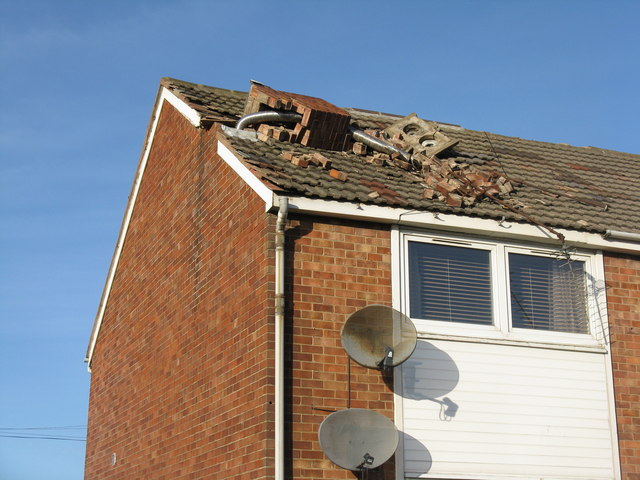
Cracked, worn or otherwise damaged roof shingles can leadLead is a heavy metal that can be toxic to humans, especiall... More to leaks and subsequent water damage inside the home, such as along the ceilings and walls. If damage is present around the roof’s flashing or if the flashing is rusted or bent, repairs are necessary.
Prevent water damage by immediately repairing any missing, damaged or loose roof shingles. Once a year, perform a DIY roof inspectionInspection is the careful examination and assessment of a pr... More. Every five years (at the least), schedule a professional roof inspectionInspection is the careful examination and assessment of a pr... More, especially if your roof is over ten years old.
Inspect the gutters.
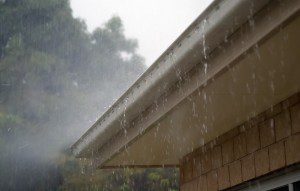
Look for clogged gutters, which can cause water to pool along the roof surfaces. When gutters are in close proximity to trees, they become blocked with leaves and twigs. In order for your gutter system to function, it needs to have a clear path, be rust-free, leak-free and without damaging twists.
Avoid water seeping down the home’s siding by cleaning out the gutter at least twice annually, after spring and autumn. Use a trowel to scoop out the accumulated natural debris in the gutters. Then run a hose to clear the gutters. If you don’t feel safe climbing a ladder to do a DIY gutter cleaning, call a professional service.
Examine the vegetation.
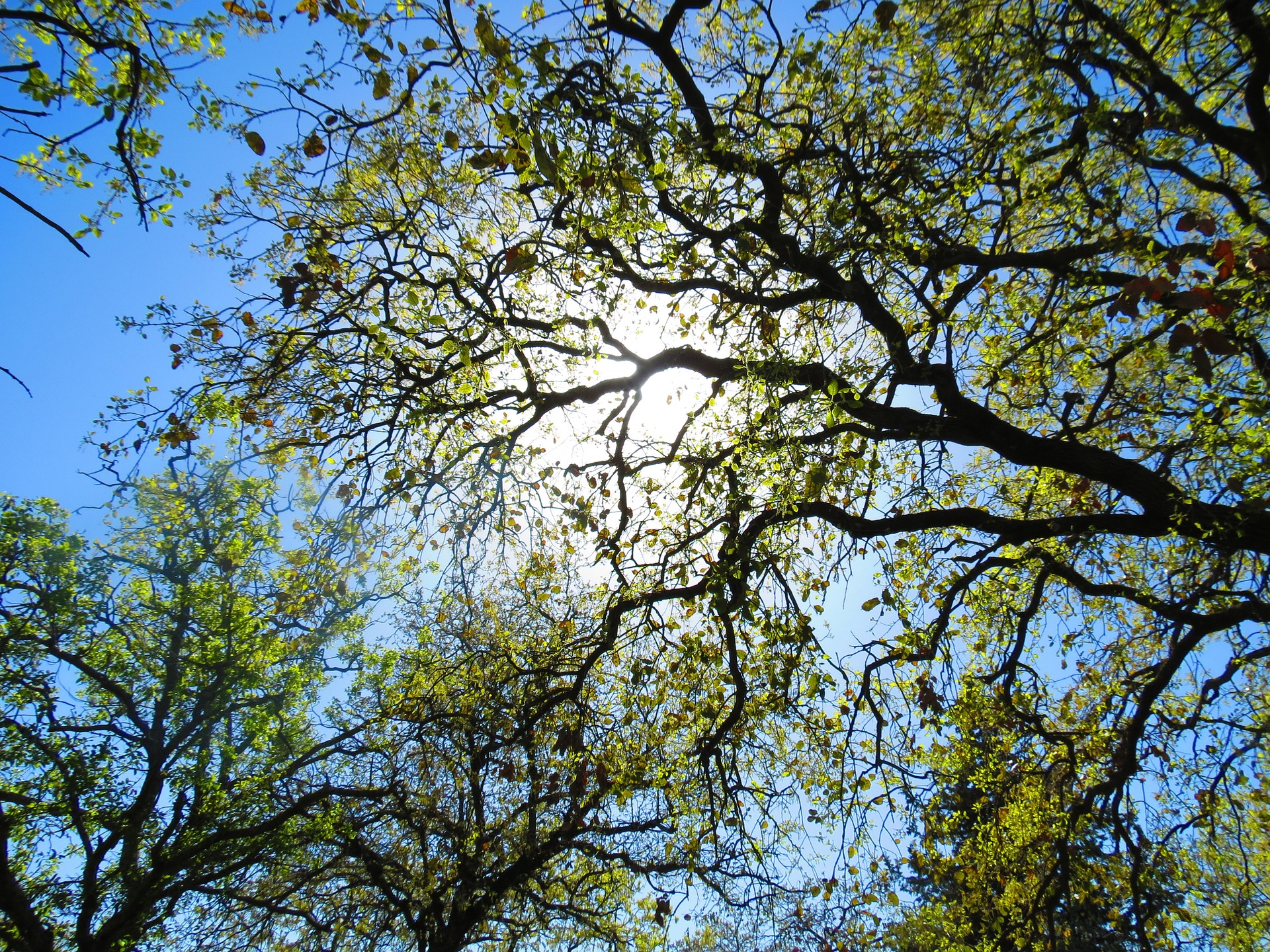
The trees surrounding your home can leadLead is a heavy metal that can be toxic to humans, especiall... More to moisture problems. Trees, especially oak and elm, are hazardous when they grow too close to a home’s foundation. Since certain types of trees absorb large amounts of water from the soil, the soil around the foundation can become dry, leading to collapse.
Telltale signs of a tree’s roots being too close to the foundation include when the home tilts toward the tree. Plus, if the soil around the foundation is extremely dry, it is a signal that nearby tree roots are pulling out copious amounts of moisture.
Take preventive measures and trimTrim is the decorative or functional molding used to finish ... More tree roots that expand close to your home’s foundation. If you intend to plant trees, choose trees with non-invasive roots and trees that do not require excessive water. Root barriers, which are sheets of plastic, are helpful in diverting tree roots away from the foundation.
When your home or business undergoes water damage, consult a professional water damage restoration expert to address the issue. Highly skilled water damage restorationWater damage restoration is the professional process of clea... More technicians arrive onsite within two to four hours and begin the restorationRestoration is the process of returning a property to its pr... More process.
Using high-tech equipment and advanced processes, the water damage restoration specialists extract all traces of excess moisture from the property. The space is left thoroughly dried, mirroring its pre-disaster condition. Affected belongings are also treated, leaving them dry and restored.
Water damage prevention is preferred, but not always possible. Water damage of any level is an emergency situation. RestorationRestoration is the process of returning a property to its pr... More professionals recognize the urgency of water damage scenarios and offer 24 hour emergency service every day of the year.

About Vince Sandri
Vince Sandri is a content writer and blogger with more than 12 years of experience. His expertise is in creating content related to disaster restorationRestoration is the process of returning a property to its pr... More, including information about preventing and reacting to natural disasters like floodingFlooding is the overflow or accumulation of water in areas t... More, water damage, fire and smoke damage, moldMold is a type of fungus that grows in damp or humid conditi... More growth, storm damage and more.
Vince has been the main contributor to RestorationMasterFinder.com since 2014. Over that time, he has written numerous service pages and blogs for disaster restorationRestoration is the process of returning a property to its pr... More providers featured on RestorationMasterFinder.com. Vince has done extensive research and covered a wide range of topics relating to disaster restorationRestoration is the process of returning a property to its pr... More to help homeowners, business owners, and property managers better protect their property. He understands the problems that disasters like floodingFlooding is the overflow or accumulation of water in areas t... More, fire, smoke, and moldMold is a type of fungus that grows in damp or humid conditi... More can cause as well as the best ways to respond to these issues to limit the damage.
Vince completed his Bachelor of Arts degree at Aurora University and his master’s degree at DePaul University. He has been writing SEO website pages, blogs, and press releases since 2012. Vince is also a musician and can be seen playing in the Chicago, IL area.