


5 Common Water Damage Questions
Water damage is the most common form of property damage in homes and commercial buildings. If you own a home, it is only a matter of time before you must deal with some type of water damage issue. Dealing with excess water is tricky because you can never tell just how deep the damage has gone. Many furnishings and building materials absorb water and moisture which can leadLead is a heavy metal that can be toxic to humans, especiall... More to serious property damage and moldMold is a type of fungus that grows in damp or humid conditi... More growth. By knowing the most common causes and effects of water damage, as well as how to respond to the issue, you can prevent significant damage to your home. The following are the most common questions concerning water damage.
-
What Are the Common Causes of Water Damage?
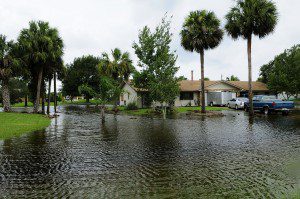
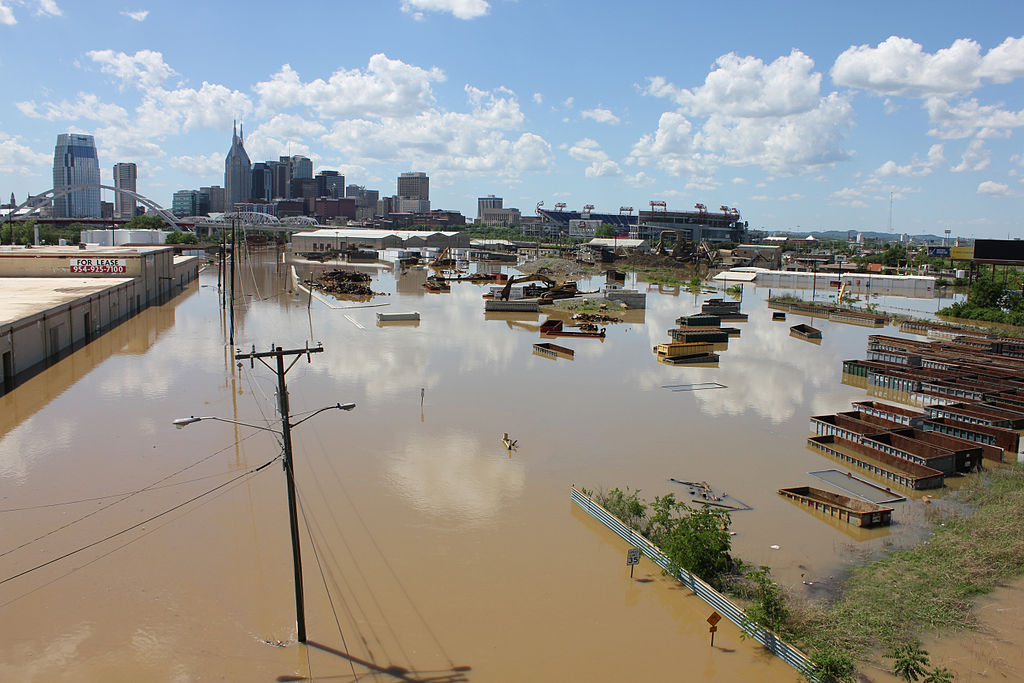
Natural floods are a major cause of water damage.
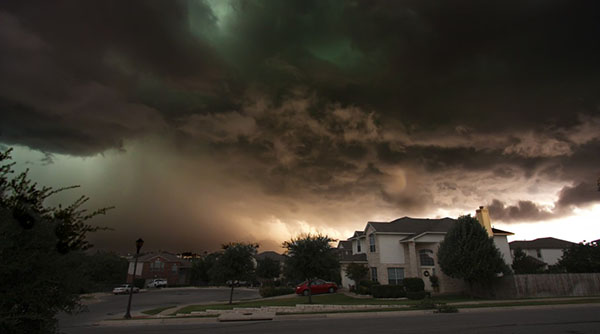
There are many potential causes of water damage, which is why it is so common. Natural disasters such as floodingFlooding is the overflow or accumulation of water in areas t... More, heavy rain, and high humidityHumidity is the amount of moisture or water vapor present in... More can leadLead is a heavy metal that can be toxic to humans, especiall... More to water damage in a home or building. There are also many internal causes including leaks in the roof or foundation, burst pipes, leaking appliances, overflows, and sewageSewage is wastewater containing biological and chemical cont... More backups. It is important to be aware of these causes so you can take steps to prevent water damage and react quickly when it occurs.
-
Is Water Damage an Emergency?
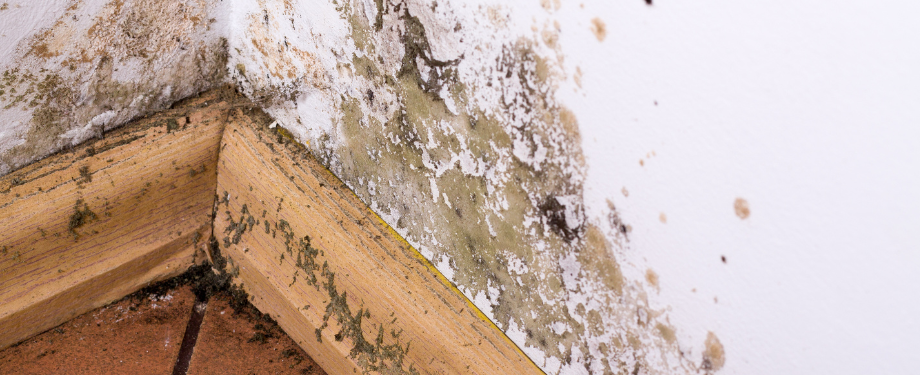
The short answer is yes. Excess water can cause very serious structural damage because building materials like wood and drywall absorb the water and allow it to spread. The longer you ignore the need for water damage cleanup, the further it will spread which will make the damage worse. Even small leaks can leadLead is a heavy metal that can be toxic to humans, especiall... More to major structural damage over time. The presence of water also creates ideal conditions for moldMold is a type of fungus that grows in damp or humid conditi... More growth, which can affect your health, and your property. If the water comes from an outside flood or sewageSewage is wastewater containing biological and chemical cont... More backup, it likely contains contaminants that can spread infectionInfection is the invasion and multiplication of harmful micr... More or disease. You must react to water damage within 24-48 hours to help prevent major structural damage or moldMold is a type of fungus that grows in damp or humid conditi... More growth. You might need mold remediation services if you do not act quickly.
-
What Steps Should I Take After Experiencing Flood Damage or Excess Water?
As soon as you notice a water damage problem, you must call a trusted water damage restorationWater damage restoration is the professional process of clea... More company. These professionals will immediately stop the spread of the water to prevent further damage. The next step is to call your insurance company to file a claim for the damage. Shut off the utilities in your home if possible, especially the water and electricity. You should avoid walking through a flooded room if the electricity is still on or if the water may be contaminated by sewageSewage is wastewater containing biological and chemical cont... More. Stay out of your home if there is structural damage.
-
What Will a Water Damage Restoration Company Do?
Water damage cleanup and restorationRestoration is the process of returning a property to its pr... More professionals start by addressing the source of the excess water. These professionals cannot complete the restorationRestoration is the process of returning a property to its pr... More effectively without first stopping the water at its source. They will then remove materials affected by the water which may include furniture, carpeting, drywall, woodwork, insulationInsulation is a material used in buildings to reduce the tra... More, and much more. These materials will either be dried and restored or disposed of depending on the severity of the damage. The technicians then set up specialized dryingDrying is the process of removing moisture from materials, s... More and dehumidificationDehumidification is the process of reducing and controlling ... More equipment to dry the affected area of the home or building. They will also clean and disinfect the area, as well as address any resulting moldMold is a type of fungus that grows in damp or humid conditi... More growth.
-
Is Water Damage Covered By My Insurance?
Typical homeowner’s insuranceHomeowner’s insurance is a policy that provides financial ... More policies only cover water damage that is considered sudden or accidental. This includes burst pipes or malfunctioning appliances. Standard homeowner’s insuranceHomeowner’s insurance is a policy that provides financial ... More does not cover any type of flood damage. This includes floodingFlooding is the overflow or accumulation of water in areas t... More caused by rain, natural floods, and sewer backups. Homeowners must consider purchasing a separate flood insurance policy to cover the damage caused by natural floods.
All home and property owners must be aware of the possibility of water damage and what to do to prevent major damage that can leadLead is a heavy metal that can be toxic to humans, especiall... More to expensive repairs. PreventionPrevention refers to actions taken to reduce the likelihood ... More is the best defense against water damage, but it is impossible to completely prevent it in all its forms.
The best course of action is to call a trusted water damage professional at the first sign. These professionals have the right equipment to remove the water from your property and restore the damage to the affected furnishings and structural elements.

About Vince Sandri
Vince Sandri is a content writer and blogger with more than 12 years of experience. His expertise is in creating content related to disaster restorationRestoration is the process of returning a property to its pr... More, including information about preventing and reacting to natural disasters like floodingFlooding is the overflow or accumulation of water in areas t... More, water damage, fire and smoke damage, moldMold is a type of fungus that grows in damp or humid conditi... More growth, storm damage and more.
Vince has been the main contributor to RestorationMasterFinder.com since 2014. Over that time, he has written numerous service pages and blogs for disaster restorationRestoration is the process of returning a property to its pr... More providers featured on RestorationMasterFinder.com. Vince has done extensive research and covered a wide range of topics relating to disaster restorationRestoration is the process of returning a property to its pr... More to help homeowners, business owners, and property managers better protect their property. He understands the problems that disasters like floodingFlooding is the overflow or accumulation of water in areas t... More, fire, smoke, and moldMold is a type of fungus that grows in damp or humid conditi... More can cause as well as the best ways to respond to these issues to limit the damage.
Vince completed his Bachelor of Arts degree at Aurora University and his master’s degree at DePaul University. He has been writing SEO website pages, blogs, and press releases since 2012. Vince is also a musician and can be seen playing in the Chicago, IL area.