



Mold in Attic – FAQ
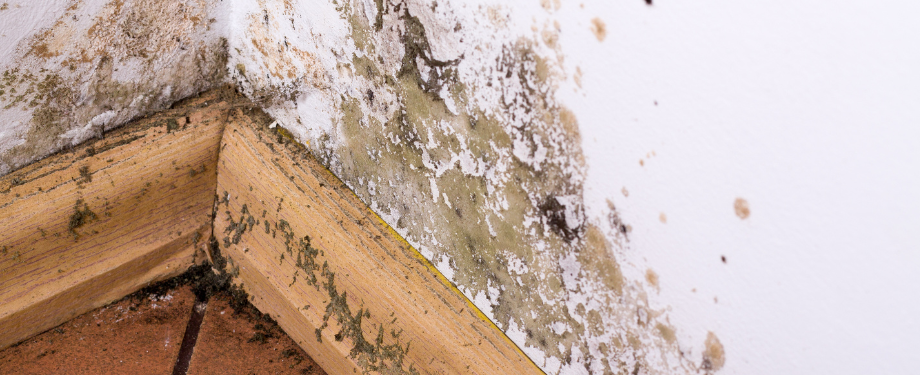
Bathrooms and basements get all the attention as prime locations for moldMold is a type of fungus that grows in damp or humid conditi... More in the home, but there’s a big one that shouldn’t be overlooked – the attic. Here are a few frequently asked questions about moldMold is a type of fungus that grows in damp or humid conditi... More in the attic and what you can do about it.
Q: What causes moldMold is a type of fungus that grows in damp or humid conditi... More in attics?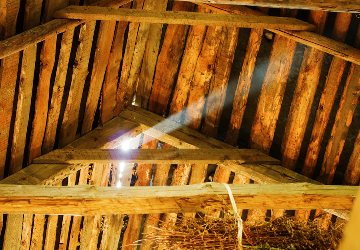
A: The biggest cause of moldMold is a type of fungus that grows in damp or humid conditi... More in an attic is poor ventilationVentilation is the process of exchanging or circulating air ... More. Homes in colder climates are especially vulnerable because heat used to warm the home rises, meets the colder roof and creates condensation. The moisture drips onto insulationInsulation is a material used in buildings to reduce the tra... More, ceilings, or anything stored in the attic and can begin growing moldMold is a type of fungus that grows in damp or humid conditi... More quickly. Attics don’t get as much foot traffic as other parts of the home, so moldMold is a type of fungus that grows in damp or humid conditi... More can grow undetected for long periods of time.
Q: How can I check the ventilationVentilation is the process of exchanging or circulating air ... More in my attic?
A: Wait for a sunny day, then turn off all the lights in the attic and look for areas of light coming in along the edges of the eaves. It may seem like a good idea to keep your home tightly sealed against warm or cool air loss, but it needs to “breathe” to let moisture out.
Q: What should I do if I discover attic mold?
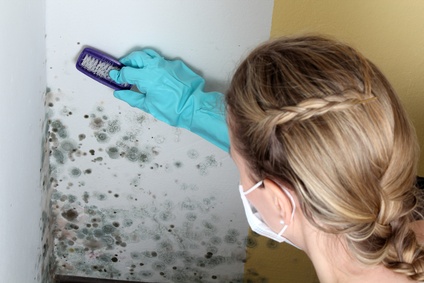
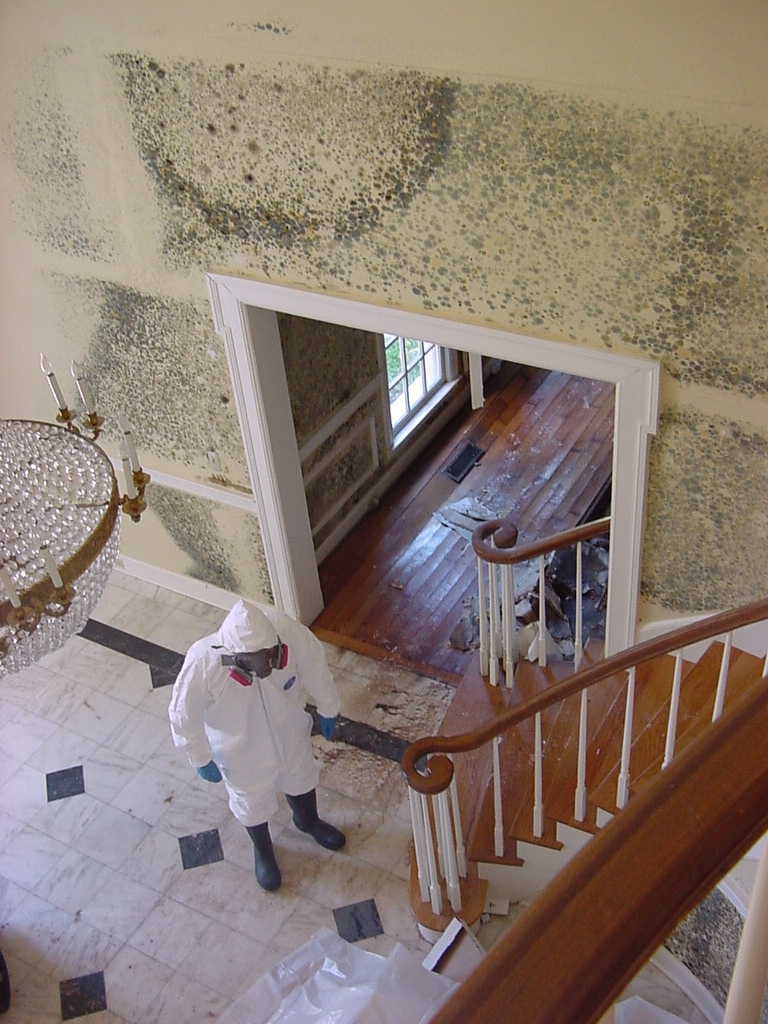
A: It’s important to learn why moldMold is a type of fungus that grows in damp or humid conditi... More is growing; if you don’t take care of the problem it will only come back. Check for leaks in the roof, excess condensation or a lack of ventilationVentilation is the process of exchanging or circulating air ... More. If you find the moldMold is a type of fungus that grows in damp or humid conditi... More before it has a chance to spread, you can clean it yourself. Wear a respirator or face mask rated for moldMold is a type of fungus that grows in damp or humid conditi... More and wear protective clothing. Remove moldMold is a type of fungus that grows in damp or humid conditi... More covered materials such as drywall, plywood, or textiles. Disinfect the entire area with products specifically designed to remove moldMold is a type of fungus that grows in damp or humid conditi... More. Larger infestations will require professional treatment.
If you find moldMold is a type of fungus that grows in damp or humid conditi... More in your home or business, call the highly trained experts at RestorationMaster. Our moldMold is a type of fungus that grows in damp or humid conditi... More certified technicians use the most advanced technology available to uncover all hidden moldMold is a type of fungus that grows in damp or humid conditi... More and eliminate it completely. These methods are effective for finding and removing moldMold is a type of fungus that grows in damp or humid conditi... More with no drywall removal needed, reducing cleanup costs by approximately 50%.
Mold remediationMold remediation is the process of identifying, removing, an... More costs vary, depending on the extent of the damage. According to HomeAdvisor.com, the national average is $2,161.00.

About Vince Sandri
Vince Sandri is a content writer and blogger with more than 12 years of experience. His expertise is in creating content related to disaster restorationRestoration is the process of returning a property to its pr... More, including information about preventing and reacting to natural disasters like floodingFlooding is the overflow or accumulation of water in areas t... More, water damage, fire and smoke damage, moldMold is a type of fungus that grows in damp or humid conditi... More growth, storm damage and more.
Vince has been the main contributor to RestorationMasterFinder.com since 2014. Over that time, he has written numerous service pages and blogs for disaster restorationRestoration is the process of returning a property to its pr... More providers featured on RestorationMasterFinder.com. Vince has done extensive research and covered a wide range of topics relating to disaster restorationRestoration is the process of returning a property to its pr... More to help homeowners, business owners, and property managers better protect their property. He understands the problems that disasters like floodingFlooding is the overflow or accumulation of water in areas t... More, fire, smoke, and moldMold is a type of fungus that grows in damp or humid conditi... More can cause as well as the best ways to respond to these issues to limit the damage.
Vince completed his Bachelor of Arts degree at Aurora University and his master’s degree at DePaul University. He has been writing SEO website pages, blogs, and press releases since 2012. Vince is also a musician and can be seen playing in the Chicago, IL area.