


Smoke Damage Restoration Tips: How to Handle Smoke and Soot After a Fire
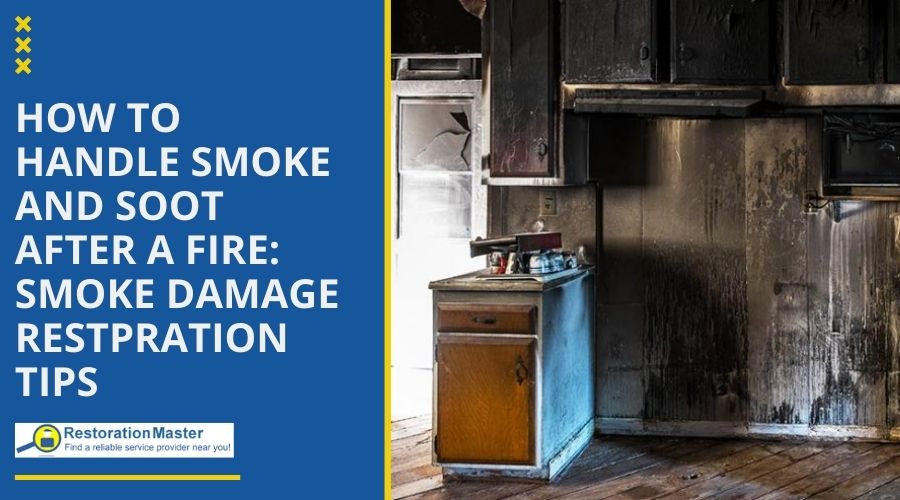
There is nothing more unsettling than the aftermath of a fire. Even when the flames are gone, smoke can linger in every corner of your home, leaving behind stubborn odors, stains, and invisible particles that can damage furniture, walls, clothing, and appliances. The impact of smoke is often underestimated, but its effects can last for months if not addressed correctly.
Smoke damage is not something you can fix with a mop and a window open. It requires specialized skills, knowledge, and equipment to fully remove residues and odors. Professional smoke restoration companies, like RestorationMaster, are trained to assess every affected area, restore property, and make your home safe and comfortable again.
Understanding Smoke Damage
Smoke is made up of tiny particles and chemicals that travel deep into materials. It can cling to carpets, furniture, walls, drapes, and even electronics. Beyond visible stains, smoke can compromise indoor air qualityIndoor air quality (IAQ) refers to the condition of the air ... More and leave a persistent odorAn odor is a smell, often detectable by the human nose, whic... More that regular cleaning cannot remove. Attempting DIY methods may seem simple, but improper cleaning can spread the particles, make odors worse, and even damage surfaces permanently.
Professional restorationRestoration is the process of returning a property to its pr... More involves careful inspectionInspection is the careful examination and assessment of a pr... More, specialized cleaning solutions, and equipment like air scrubbers, thermal foggers, and ozone machines to neutralize smoke particles and odors. For certain items such as upholstered furniture, rugs, or electronics, offsite restorationRestoration is the process of returning a property to its pr... More may be needed to give them the best chance of being saved.
Common Smoke Damage Areas and Their Cleanup Difficulty
| Area | Smoke Penetration | Cleaning Difficulty | Recommended Action |
|---|---|---|---|
| Carpets & Rugs | High | Medium-High | Vacuum + professional deep cleaning |
| Upholstered Furniture | High | High | Baking soda + professional treatment |
| Walls & Ceilings | Medium | Medium | Mild soap + gentle scrubbing |
| Electronics | Medium | High | Wipe + air out; professional inspectionA professional inspection is an evaluation conducted by a tr... More |
| Clothing & Fabrics | High | High | Separate washing; professional salvage for heavy damage |
What Steps Homeowners Can Take After Smoke Damage
After a fire, smoke can continue to affect your home long after the flames are out. Acting quickly can prevent further damage and make the restorationRestoration is the process of returning a property to its pr... More process smoother. While waiting for professional help, there are several practical steps you can take to protect your property and minimize long-term issues.
Gently remove loose soot from surfaces
SootSoot is fine black particles composed of carbon and other ma... More is composed of fine particles that can penetrate fabrics, carpets, and upholstery. Using a soft brush or a HEPA-filter vacuum, carefully remove any loose sootSoot is fine black particles composed of carbon and other ma... More from carpets, drapes, and furniture. Avoid touching sootSoot is fine black particles composed of carbon and other ma... More with your hands, because it can smear and embed deeper into surfaces, making it more difficult to remove later. Treating surfaces gently at this stage prevents permanent stains and additional cleanup.
Protect high-traffic areas
Cover floors and walkways with old sheets, towels, or blankets. This simple step prevents sootSoot is fine black particles composed of carbon and other ma... More from being spread throughout the home as you move around, protecting carpets, hardwood floors, and other surfaces from further contaminationContamination is the presence of harmful or unwanted substan... More. Even light foot traffic can track particles, so covering areas early helps maintain cleaner spaces until professionals arrive.
Turn off HVAC systems
Heating and cooling systems can circulate smoke and sootSoot is fine black particles composed of carbon and other ma... More particles throughout your home. Turning off your heating, ventilationVentilation is the process of exchanging or circulating air ... More, and air conditioning units helps contain the contaminationContamination is the presence of harmful or unwanted substan... More to the areas already affected, reducing odorAn odor is a smell, often detectable by the human nose, whic... More spread and preventing sootSoot is fine black particles composed of carbon and other ma... More from settling in unaffected rooms.
Secure or remove food and beverages
Smoke particles can contaminate open food packages, canned goods, and beverages, making them unsafe to consume. Remove any exposed items or seal them tightly in plastic containers. If refrigeration is compromised, discard perishable items immediately to avoid health risks.
Ventilate carefully
Opening windows can help dissipate smoke odors, but only do so if the wind is calm. Strong gusts can push smoke deeper into your home or against surfaces, making cleanup more difficult. Controlled ventilationVentilation is the process of exchanging or circulating air ... More allows fresh air to circulate gently, helping to reduce lingering odors without spreading sootSoot is fine black particles composed of carbon and other ma... More.
Replace or clean air filters
Your HVAC system’s air filters may have trapped smoke and sootSoot is fine black particles composed of carbon and other ma... More particles. Replacing or cleaning these filters helps improve indoor air qualityIndoor air quality (IAQ) refers to the condition of the air ... More, reduces lingering odors, and prevents particles from recirculating. This step is crucial for maintaining a healthier environment until professional air filtration is completed.
Handle clothing and fabrics with care
Clothing and textiles are particularly vulnerable to smoke penetration. Items with heavy smoke damage should not be washed or treated at home. Attempting DIY cleaning can set odors and residues permanently. Instead, leave fabrics to trained restorationRestoration is the process of returning a property to its pr... More specialists who have the proper techniques and cleaning solutions to salvage and restore your belongings.
How to Clean Smoke Damage from Your Appliances, Furniture, Fabrics, and Surfaces
After a fire, smoke can leave more than just a smell. It often settles as a fine, sticky residueResidue is any leftover material, such as soot, dust, or che... More on almost every surface in your home. Cleaning it carefully not only improves the look of your home but also helps remove lingering odors that can stick around for months. Here’s a clear, step-by-step approach you can follow.
Step 1: Deal with Appliances and Electronics
Smoke can seep into appliances and electronic devices, where it may not be obvious at first. Start by unplugging everything and lightly wiping the outside with a damp microfiber cloth. Use a soft brush or a vacuum with a fine filter to remove any loose sootSoot is fine black particles composed of carbon and other ma... More from vents or small crevices. Avoid spraying liquids directly on electronics, and let items air out in a dry, ventilated area to reduce odors.
Step 2: Clean Surfaces and Furniture
Each material reacts differently to smoke, so adjust your cleaning approach:
- Metal and Porcelain Fixtures: Wipe sinks, faucets, and countertops with a gentle cleanser to prevent discoloration or dulling.
- Walls and Woodwork: Dampen a cloth with warm water and a small amount of mild soap. Work in small sections using light, circular motions to lift residueResidue is any leftover material, such as soot, dust, or che... More without smearing it.
- Carpets and Rugs: Vacuum carefully to remove surface sootSoot is fine black particles composed of carbon and other ma... More before applying any cleaning solutions. Sprinkle baking soda and let it sit to neutralize odors, then vacuum again.
- Upholstered Furniture: Use a cloth or soft brush to remove particles. If the smoke smell lingers, sprinkle baking soda, leave it for several hours, then vacuum thoroughly.
- Houseplants: Smoke can cling to leaves. Wipe them gently with a damp cloth to remove residueResidue is any leftover material, such as soot, dust, or che... More and reduce odorAn odor is a smell, often detectable by the human nose, whic... More.
Step 3: Refresh Clothing and Fabrics
Smoke penetrates deeply into fabrics, and ordinary washing may not always remove the odorAn odor is a smell, often detectable by the human nose, whic... More. Wash clothing, sheets, and removable covers separately using a strong detergent and add a half cup of baking soda or white vinegar to neutralize odors. For delicate fabrics or items that cannot be washed, air them outside in fresh air or use a fabric-safe deodorizing spray.
For guidance on what should be discarded versus what can be restored, check out our detailed guide on what to throw away after smoke damage
Step 4: Clean Wood, Walls, and Hard Surfaces
Oils and chemicals in smoke can damage wood, paint, and other hard surfaces if not cleaned properly. Use a lightly dampened cloth with a gentle cleaning solutionA solution is a homogeneous mixture of two or more substance... More and wipe in the direction of the wood grain where applicable. Avoid aggressive scrubbing, which can push sootSoot is fine black particles composed of carbon and other ma... More deeper into the material. For stubborn stains or to learn the best techniques for restoring wood surfaces, check out our guide on how to clean smoke-damaged wood. Repeat the process gradually until surfaces look clean and free of residueResidue is any leftover material, such as soot, dust, or che... More.
Step 5: Improve Indoor Air Quality
Even after surfaces are clean, smoke odorAn odor is a smell, often detectable by the human nose, whic... More can linger in the air. Open windows if weather allows, and let fresh air circulate. Replace HVAC filters or clean air purifiers to remove particles. Using fans can help move stale air out and speed up the process. For persistent odors, lightly misting a mixture of water and a small amount of essential oil or using odor-absorbing materials like activated charcoal can help freshen your home.
Step 6: Prevent Further Smoke Damage
To avoid making smoke problems worse:
- Keep traffic in affected areas low until cleaning is complete.
- Avoid using harsh chemicals or abrasive tools that can push sootSoot is fine black particles composed of carbon and other ma... More into surfaces.
- Don’t try to wash multiple smoky items together, as odors and residues can transfer.
Things to Avoid After Smoke Damage
Do not touch sootSoot is fine black particles composed of carbon and other ma... More with your bare hands: SootSoot is fine black particles composed of carbon and other ma... More is made of fine, oily particles that can smear and penetrate fabrics, walls, and furniture. Even light contact can make cleanup harder and leave permanent stains.
- Avoid using regular household cleaners aggressively: Strong chemicals or abrasive scrubbing can push smoke residueSmoke residue is the fine, oily, or powdery particles left b... More deeper into surfaces or cause discoloration. Stick to gentle cleaning solutions and soft cloths.
- Do not mix smoky fabrics: Washing heavily smoke-damaged clothes with lightly affected items can transfer odors and residues. Treat each item according to its level of exposure.
- Do not use appliances or electronics immediately: Smoke can settle inside vents, cords, and circuits. Turning on appliances too soon can damage them or create electrical hazards.
- Avoid strong ventilationVentilation is the process of exchanging or circulating air ... More during windy conditions: Opening windows on windy days may push smoke particles further into the house or against surfaces, spreading damage. Controlled ventilationVentilation is the process of exchanging or circulating air ... More is safer.
- Do not ignore hidden areas: Smoke can infiltrate vents, attics, insulationInsulation is a material used in buildings to reduce the tra... More, and behind walls. Failing to check these areas can leave lingering odors and potential long-term damage.
Smoke Damage Restoration Experts From RestorationMaster
It is best to call a professional for smoke damage cleaning as soon as possible. Smoke and sootSoot is fine black particles composed of carbon and other ma... More can penetrate deep into your furniture, walls, and personal belongings, and trying to clean it on your own may make things worse. A skilled expert from RestorationMaster can restore your home, eliminate lingering odors, and bring your space back to normal safely and efficiently. Don’t wait, reach out to a smoke damage restorationRestoration is the process of returning a property to its pr... More specialist today.
Frequently Asked Questions
Can all fabrics and furniture be cleaned after smoke damage?
Most fabrics and furniture can be cleaned, but it depends on the material and how long the smoke has been in contact. Upholstery, curtains, rugs, and bedding usually respond well to proper cleaning. Leather, delicate fabrics, and antique furniture may need more careful attention to avoid damage
Is it safe to use appliances after a fire?
Not always. Smoke and sootSoot is fine black particles composed of carbon and other ma... More can get inside appliances, leaving residues on electrical components. Using them without cleaning or inspecting first can cause malfunctions or even electrical hazards. Check for visible damage, wipe down surfaces, and if you’re unsure, have the item inspected before use.
How do I know if smoke has reached hidden areas like vents or insulation?
Smoke can travel far beyond visible surfaces. Common signs include a lingering odorAn odor is a smell, often detectable by the human nose, whic... More even after cleaning, sootSoot is fine black particles composed of carbon and other ma... More around air vents, or dust-like particles in unusual places. If you suspect smoke has reached hidden areas, consider checking air ducts, filters, and insulationInsulation is a material used in buildings to reduce the tra... More. Cleaning or replacing these components may be necessary to fully remove odors and improve indoor air qualityIndoor air quality (IAQ) refers to the condition of the air ... More.
Can smoke damage affect my health?
Smoke contains tiny particles and chemicals that can irritate the eyes, throat, and lungs. People with asthma or respiratory issues are especially sensitive. Minimizing exposure, ventilating your home, and cleaning surfaces can reduce the risk of health problems.

About Vince Sandri
Vince Sandri is a content writer and blogger with more than 12 years of experience. His expertise is in creating content related to disaster restorationRestoration is the process of returning a property to its pr... More, including information about preventing and reacting to natural disasters like floodingFlooding is the overflow or accumulation of water in areas t... More, water damage, fire and smoke damage, moldMold is a type of fungus that grows in damp or humid conditi... More growth, storm damage and more.
Vince has been the main contributor to RestorationMasterFinder.com since 2014. Over that time, he has written numerous service pages and blogs for disaster restorationRestoration is the process of returning a property to its pr... More providers featured on RestorationMasterFinder.com. Vince has done extensive research and covered a wide range of topics relating to disaster restorationRestoration is the process of returning a property to its pr... More to help homeowners, business owners, and property managers better protect their property. He understands the problems that disasters like floodingFlooding is the overflow or accumulation of water in areas t... More, fire, smoke, and moldMold is a type of fungus that grows in damp or humid conditi... More can cause as well as the best ways to respond to these issues to limit the damage.
Vince completed his Bachelor of Arts degree at Aurora University and his master’s degree at DePaul University. He has been writing SEO website pages, blogs, and press releases since 2012. Vince is also a musician and can be seen playing in the Chicago, IL area.