






How to Seal Your Windows to Prevent Mold
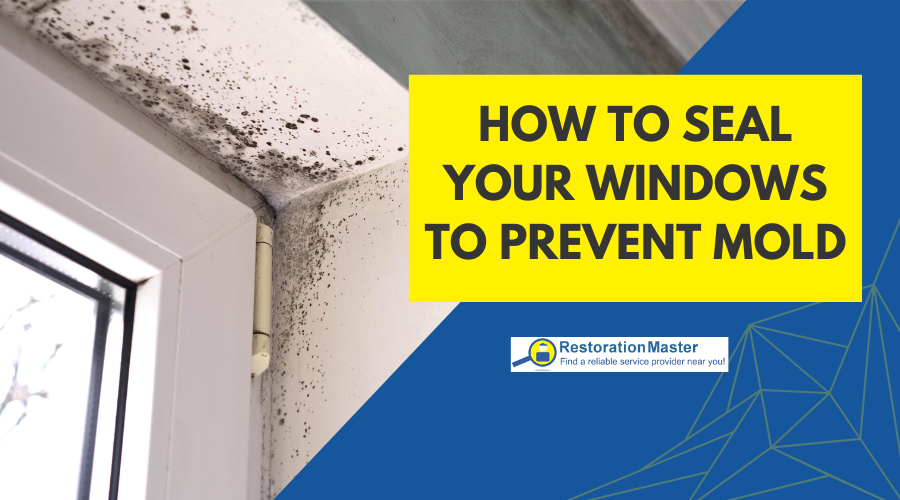
If your home has poorly sealed or deteriorating windows, you may end up paying significantly more in heating and cooling costs. These gaps can also leadLead is a heavy metal that can be toxic to humans, especiall... More to moisture intrusion, which often results in moldMold is a type of fungus that grows in damp or humid conditi... More forming on the wall beneath your windows. To avoid these issues, it’s important to understand what causes mold buildup and how proper window sealing can prevent it. One of the simplest and most effective solutions is to apply exterior caulking around your windows. This helps block moisture, improve energy efficiency, and stop moldMold is a type of fungus that grows in damp or humid conditi... More growth before it starts.
In this article, we’ll explain how moldMold is a type of fungus that grows in damp or humid conditi... More develops around windows, how to tell when your window seals need attention, and how caulking can help you prevent moldMold is a type of fungus that grows in damp or humid conditi... More and protect your home.
Common Causes of Mold Around Windows
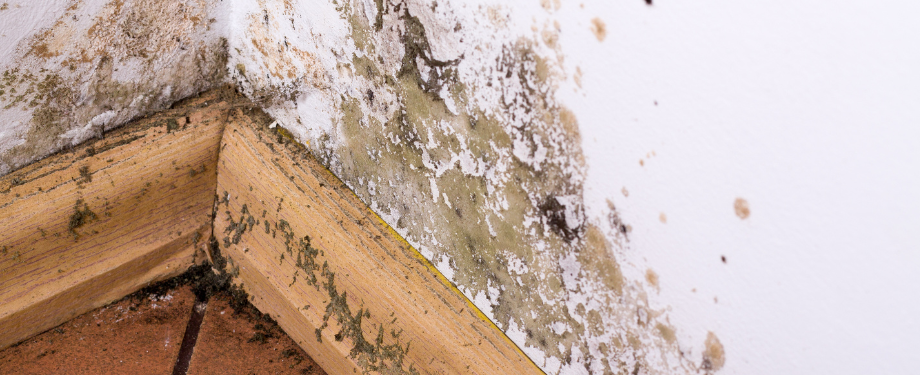
MoldMold is a type of fungus that grows in damp or humid conditi... More forms when moisture settles on a surface and cannot dry. Window areas are especially vulnerable due to several common conditions.
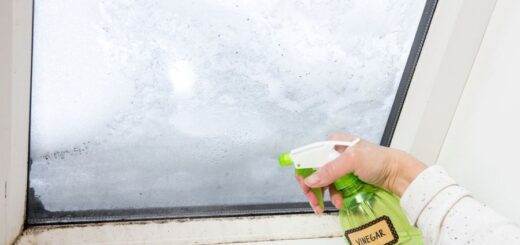
- Condensation from warm indoor air meeting a cold window surface
- Older caulking that has cracked, dried out, or pulled away
- Loose or deteriorated flashing that allows water to enter behind the siding
- High indoor humidity from poor ventilationVentilation is the process of exchanging or circulating air ... More or heavy window coverings
- Gaps between the window frame and siding that are unsealed or improperly caulked
Once moisture enters the wall cavity, it can compromise drywall, wood framing, and insulationInsulation is a material used in buildings to reduce the tra... More.
How Does Mold Build Up Around Windows?
MoldMold is a type of fungus that grows in damp or humid conditi... More can only grow in the presence of moisture. With older windows, worn or cracked acrylic caulking often allows rainwater to leak into your home. Over time, this moisture can cause serious structural problems if not addressed.
Even with newly installed windows, a small gap, often up to ¼ inch, between the window frame and the siding is normal. This space allows the materials to expand and contract with temperature changes. However, if the gap isn’t properly sealed with flexible silicone caulk, water can seep inside and become trapped within your insulationInsulation is a material used in buildings to reduce the tra... More.
Once moisture enters these areas, it can leadLead is a heavy metal that can be toxic to humans, especiall... More to wood rot and eventually allow moldMold is a type of fungus that grows in damp or humid conditi... More sporesSpores are microscopic reproductive units of fungi or mold t... More to spread into your drywall. Proper sealing is essential to protecting both your home’s structureStructure refers to the framework or components of a buildin... More and your indoor air qualityIndoor air quality (IAQ) refers to the condition of the air ... More.
Read: 7 Signs of Mold Growth in Your Walls and How to Remove It
How Do I Know That I Need New Window Seals?
Several signs can indicate your window seals need to be replaced. Common symptoms include condensation or fogging, rising energy bills, noticeable drafts or noise, and cold spots around the window frame. Below, we’ll break down each issue and what you can do about it.
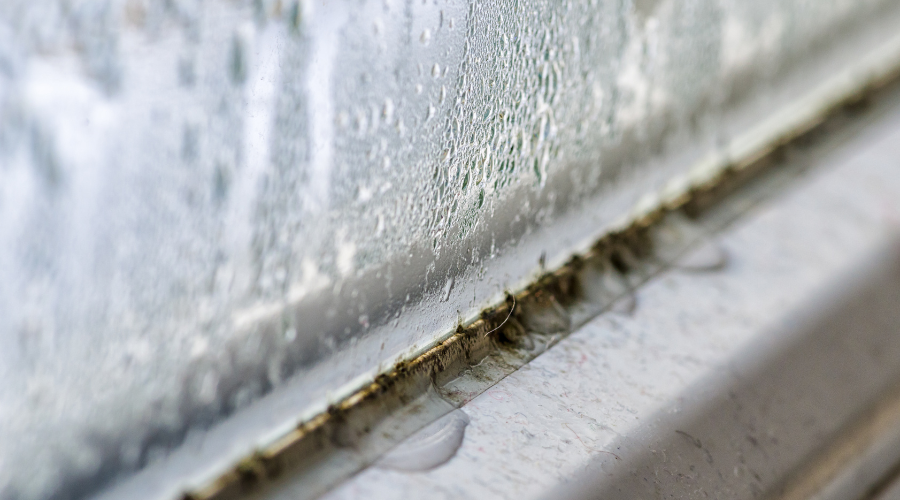
- Condensation and Fogging: If you see condensation or fogging between the panes of glass, it’s a clear sign that the airtight seal has failed. Moist air is entering the space between the panes and condensing, which reduces visibility and can leadLead is a heavy metal that can be toxic to humans, especiall... More to moisture damage if not addressed.
- Higher Energy Bills: Poorly sealed windows allow conditioned air to escape, forcing your heating and cooling systems to work harder. This results in higher utility bills. Replacing worn-out seals or the windows themselves can significantly improve your home’s energy efficiency.
- Drafts and Noise: If you feel cold air coming in around your windows or you notice outdoor noise becoming more noticeable indoors, your window seals may no longer be insulating effectively. Installing new seals will help prevent drafts, maintain comfortable indoor temperatures, and block unwanted noise.
- Cold Spots: If you run your hand along the edges of your windows on a cold day and notice certain areas feel colder, air is likely leaking through compromised seals. Resealing or replacing the seals will help eliminate these cold spots and improve both comfort and energy efficiency.
Be sure to watch for these signs of failing window seals so you can determine whether resealing is necessary. Since full window replacement can be very expensive, recognizing problems early and understanding their consequences can help you avoid unnecessary costs.
If you choose to reseal your windows as a DIY project, gather all the proper supplies and carefully follow the recommended steps. However, if you’re unsure about the process or if the damage appears more extensive, it’s best to contact a professional company.
How Can I Prevent Mold with Caulking?
Silicone caulk helps waterproof your windows and protects them from cracking or shrinking over time. For best results, apply it on a dry day to ensure a strong, lasting seal. Below are the items you’ll need to properly seal your windows:
- A utility knife
- Putty knife
- Wire hanger
- Caulk gun and silicone caulk
- Popsicle stick or plastic spoon
- Damp cloth
Steps for Caulking Your Windows
- Remove old caulk and clean the surface: Use a putty knife to scrape away any old caulk. Then, clean the area thoroughly with a household cleaner. The surface should be completely free of dirt, grease, or soap to ensure the new seal adheres properly.
- Prepare the caulk tube: Cut a small opening at a 45-degree angle on the tip of the caulk tube. The hole should be just large enough to create a bead that will fill the cracks, typically about ¼ inch. For larger gaps, cut a slightly bigger opening.
- Puncture the inner seal: Use a wire hanger or similar tool to puncture the inner seal of the caulk tube so the material can flow freely.
- Apply the caulk: Load the tube into a caulk gun and move it slowly along the crack. Apply gentle, even pressure to ensure the caulk fills all gaps around the window on all four sides.
- Smooth the caulk: Use a popsicle stick, plastic spoon, or your finger to smooth the bead. Wipe away any excess with a damp cloth. Allow the caulk to dry completely, and you’ll have a flexible, waterproof seal that helps keep moisture out of your home.
Maintaining Window Caulk After Application
Caulking usually lasts for several years, but annual inspections help ensure effectiveness.
- Look for cracks, shrinking, or areas pulling away from the surface
- Reapply caulk when sections appear worn
- Keep window tracks and sills clean to reduce condensation buildup
Regular maintenanceMaintenance is the routine care, inspection, and repair of a... More helps preserve the seal and prevents moisture problems from returning.
Professional Mold Remediation
Properly sealing your windows is a key step in preventing moldMold is a type of fungus that grows in damp or humid conditi... More growth, but sometimes moisture problems have already caused damage that needs professional attention. If you notice persistent moldMold is a type of fungus that grows in damp or humid conditi... More, water stains, or musty odors around your windows or anywhere in your home, it’s crucial to address the issue promptly.
MoldMold is a type of fungus that grows in damp or humid conditi... More can compromise not only the structureStructure refers to the framework or components of a buildin... More of your home but also the health of your family. Professional mold remediationMold remediation is the process of identifying, removing, an... More ensures that moldMold is a type of fungus that grows in damp or humid conditi... More is safely removed, affected areas are treated, and steps are taken to prevent future growth.
Don’t wait until the problem worsens. Contact a certified mold remediation specialist today to inspect your home, assess any damage, and provide effective solutions to keep your living spaces safe, dry, and healthy. Protect your home and your family by taking action now.

About Vince Sandri
Vince Sandri is a content writer and blogger with more than 12 years of experience. His expertise is in creating content related to disaster restorationRestoration is the process of returning a property to its pr... More, including information about preventing and reacting to natural disasters like floodingFlooding is the overflow or accumulation of water in areas t... More, water damage, fire and smoke damage, moldMold is a type of fungus that grows in damp or humid conditi... More growth, storm damage and more.
Vince has been the main contributor to RestorationMasterFinder.com since 2014. Over that time, he has written numerous service pages and blogs for disaster restorationRestoration is the process of returning a property to its pr... More providers featured on RestorationMasterFinder.com. Vince has done extensive research and covered a wide range of topics relating to disaster restorationRestoration is the process of returning a property to its pr... More to help homeowners, business owners, and property managers better protect their property. He understands the problems that disasters like floodingFlooding is the overflow or accumulation of water in areas t... More, fire, smoke, and moldMold is a type of fungus that grows in damp or humid conditi... More can cause as well as the best ways to respond to these issues to limit the damage.
Vince completed his Bachelor of Arts degree at Aurora University and his master’s degree at DePaul University. He has been writing SEO website pages, blogs, and press releases since 2012. Vince is also a musician and can be seen playing in the Chicago, IL area.